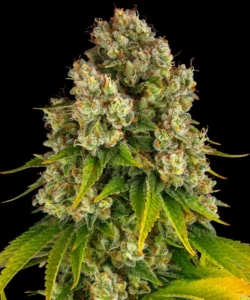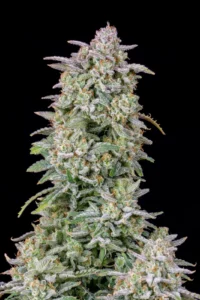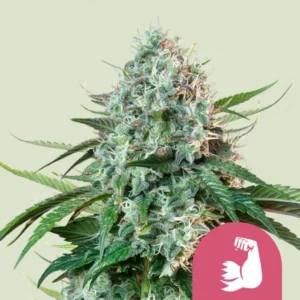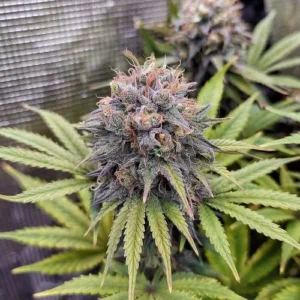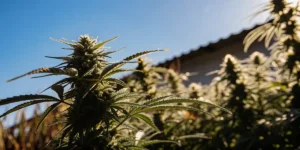
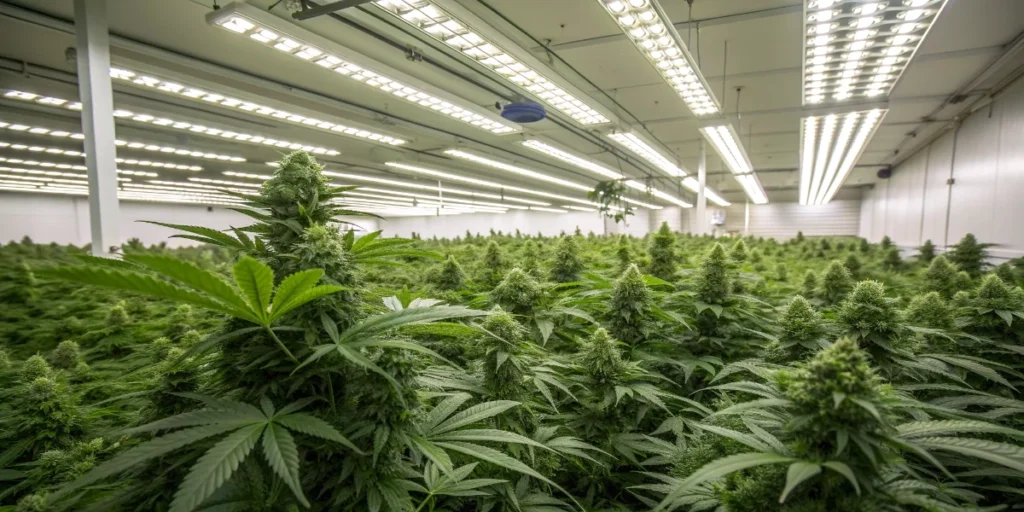

To successfully cultivate Stoned Panda, begin by selecting a high-quality seed or cutting. Ensure that your growing area is spacious and well-ventilated. This cultivar thrives in both indoor and outdoor environments, but indoor growers can precisely control the growing conditions. Keep the soil slightly acidic with a pH between 6.0 and 6.5 for optimal growth.
When the plant enters the vegetative stage, provide it with ample light. A minimum of 18 hours of light a day is recommendable, allowing this variety to develop lush foliage. Regularly check the nutrient levels in the soil or hydroponic solution and maintain a balance. As the plant progresses, ensure temperatures remain between 70-85°F for optimal health.
Recommended Strains
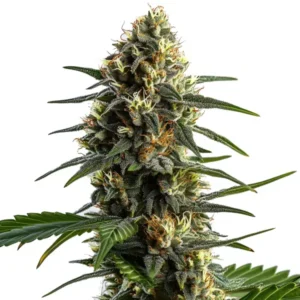
Stoned Panda
 | THC | 30% - 32% (High) |
 | Lineage | Grandaddy Purple x Santa Muerte |
 | Type | Feminized |
 | Height | 9.84 ft | 3 m |
 | Yield | High |
 | Yield Indoor | 1.97 - 2.29 oz/ft² | 600 - 700 g/m² |
 | Yield Outdoor | 21.16 - 31.75 oz/plant | 600 - 900 g/plant |
 | Flowering Time | 10 - 12 weeks |
 | Phenotype | 45% Indica / 55% Sativa |
 | Medical | Depression, Pain, Stress |
 | Effects | Euphoric, Happy, Relaxed |
 | Flavors | Earthy, Fruity, Sweet |
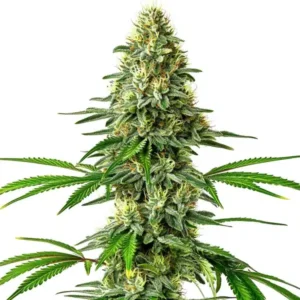
Santa Muerte
| | THC | 18% - 20% (Medium) |
| | Lineage | Mexicana x Original Haze |
| | Type | Feminized |
| | Height | 9.84 ft | 3 m |
| | Yield | High |
| | Yield Indoor | 1.64 - 1.97 oz/ft² | 500 - 600 g/m² |
| | Yield Outdoor | 19.4 - 24.69 oz/plant | 550 - 700 g/plant |
| | Flowering Time | 10 - 12 weeks |
| | Phenotype | 20% Indica / 80% Sativa |
| | Medical | Fatigue, Muscle Spasms, Stress |
| | Effects | Happy, Relaxed, Talkative |
| | Flavors | Hashish, Herbal |
During the flowering stage, reduce the light exposure to 12 hours a day to stimulate bud development. The rich terpenes of Stoned Panda will begin to form, enhancing its aromatic profile. Be punctual with watering schedules but avoid overwatering. A proper feeding regimen ensures a robust yield. As harvest nears, flush the medium to enhance the flavor of the buds.
Stoned Panda Strain Overview: Traits, Effects & Genetics
The Stoned Panda strain has garnered attention among cannabis enthusiasts for its unique combination of traits and effects. Cultivators appreciate this variety for its robust growth patterns and impressive yield potential. The plant often displays vibrant buds coated with a rich layer of trichomes, making it a desirable choice for growers aiming to achieve high-quality harvests with remarkable potency.
This strain stands out due to its balanced genetic makeup, which contributes to both its hardy disposition and appealing characteristics. It boasts a complex terpene profile that entices growers and consumers alike with its aromatic bouquet. The variety’s genetics are a harmonious blend, ensuring vigor in cultivation and consistent results, making it a favorite among seasoned and novice growers alike.
Those who consume this cultivar can expect effects that are both potent and nuanced. The plant often delivers a euphoric high accompanied by deep relaxation, making it a go-to choice for recreational and medicinal users looking for relief from stress and anxiety. The balance of its effects also makes it versatile, appealing to a wide range of preferences.
As the interest in this genetics continues to rise, breeders and cultivators are increasingly drawn to its exceptional attributes. Its adaptability in various growing environments further enhances its allure, making it a strategic choice for optimizing cannabis production. Overall, Stoned Panda remains a quintessential selection for those seeking a well-rounded and impactful cannabis strain.
Optimal Environment to Grow Stoned Panda Successfully
To cultivate Stoned Panda with great success, ensuring the correct environmental conditions is crucial. This strain thrives in a stable climate where temperature and humidity levels are carefully controlled. Ideal temperatures for this plant range from 70 to 80 degrees Fahrenheit during the day and slightly cooler at night. These conditions will help the plant flourish and produce robust buds.
This variety benefits from a balanced relative humidity of around 40-50% during the vegetative state. As the plant transitions into the flowering phase, gradually reducing humidity to about 30-40% helps prevent mold and mildew. Adequate ventilation and airflow are essential for controlling moisture levels and ensuring the plant remains healthy throughout its growth cycle.
Lighting plays a significant role in the cultivation of this cultivar. For optimal growth, a full spectrum LED setup is recommended, providing sufficient light intensity to mimic natural sunlight. Maintaining a consistent light schedule, with 18 hours of light during the vegetative stage and 12 hours through the flowering phase, will facilitate a thriving growth environment for the plant.
Soil quality and nutrients are equally critical for achieving a high yield. A well-draining soil mix rich in organic matter can enhance the terpene profile and overall potency of the buds. Regularly feeding this genetics with balanced nutrients tailored for cannabis ensures robust plant health and an abundant harvest. These practices will help growers achieve the finest results with Stoned Panda.
Grow Room Setup for Stoned Panda Plants
Creating the ideal environment for this strain is crucial to maximizing yield and enhancing terpene profiles. A dedicated grow room with controlled lighting, temperature, and humidity is essential. The plant thrives under LED grow lights, which simulate natural sunlight and encourage robust growth. Maintaining a stable temperature between 68-77°F (20-25°C) ensures optimal conditions for healthy cannabis development.
Humidity control is pivotal in the cultivation of this variety, with young plants requiring higher humidity levels, around 60-70%, to mimic their natural habitat. As the plant matures, reducing humidity to 40-50% helps prevent mold and mildew, which can harm the buds. Using a dehumidifier or humidifier can assist in achieving these levels and promote healthy growth throughout the cannabis life cycle.
Ventilation is also a key component in the grow room setup for this cultivar. Proper airflow helps regulate temperature and humidity while providing fresh carbon dioxide for photosynthesis. Installing oscillating fans and a quality exhaust system will ensure that air circulates effectively, preventing any stagnation that could contribute to plant diseases or pests.
Lastly, consider the grow medium and pot size for Stoned Panda to support its development. Choose well-aerated soil or hydroponic systems to offer the plant necessary nutrients. Ensure containers offer adequate space for root expansion, typically starting with smaller pots and gradually moving to larger ones as the plant grows. This setup fosters robust root systems and prepares the strain for a successful harvest.
Indoor Growing Tips for Stoned Panda
For indoor cultivation of this strain, it’s essential to maintain controlled environmental conditions. This variety flourishes in temperatures ranging between 70-85°F with a relative humidity of 40-50%. The plant benefits from a consistent light schedule, typically 18 hours of light followed by 6 hours of darkness during the vegetative stage. Proper ventilation is crucial for encouraging robust growth and minimizing pest issues.
It thrives in well-aerated soil with rich organic nutrients to enhance terpene development and overall potency. Growers often choose soil mediums or hydroponics to accommodate the diverse needs of this cultivar. Regularly monitor pH levels to ensure they are within the suitable range of 6.0-6.5 for optimal nutrient uptake. These steps are vital for maximizing yield and producing premium quality buds.
This plant requires regular pruning and training to maximize light exposure and improve airflow, which promotes healthy flowering. Techniques such as topping and low-stress training can help increase the number of bud sites, leading to a more substantial harvest. As the flowering period approaches, monitor trichome development to determine the ideal time to harvest, ensuring the buds have reached peak maturity and potency.
Outdoor Growing Tips for Stoned Panda
When cultivating this strain outdoors, choosing the right location is essential. The plant thrives in a sunny, sheltered spot where it can soak up plenty of sunlight while being protected from harsh winds. The soil should be rich in nutrients to encourage strong root development, supporting robust buds and an abundant yield. Consider using organic soil amendments to enhance the terpene profile.
This variety responds well to careful pruning and training techniques. By employing methods like topping and low-stress training, growers can improve air circulation and light penetration. This not only maximizes the plant’s potential but also reduces the risk of mold. Regular checks for pests are crucial, as the cultivar can attract insects that may impact the harvest quality.
Consistency in watering is key, but avoid overwatering to ensure the roots remain healthy. As the plant approaches harvest time, monitoring trichomes will help determine the optimal time for harvesting, ensuring potent buds. With the right care and attention, cultivating this genetics outdoors can yield impressive results, providing flavorful and aromatic cannabis for enthusiasts.
How to Germinate & Propagate
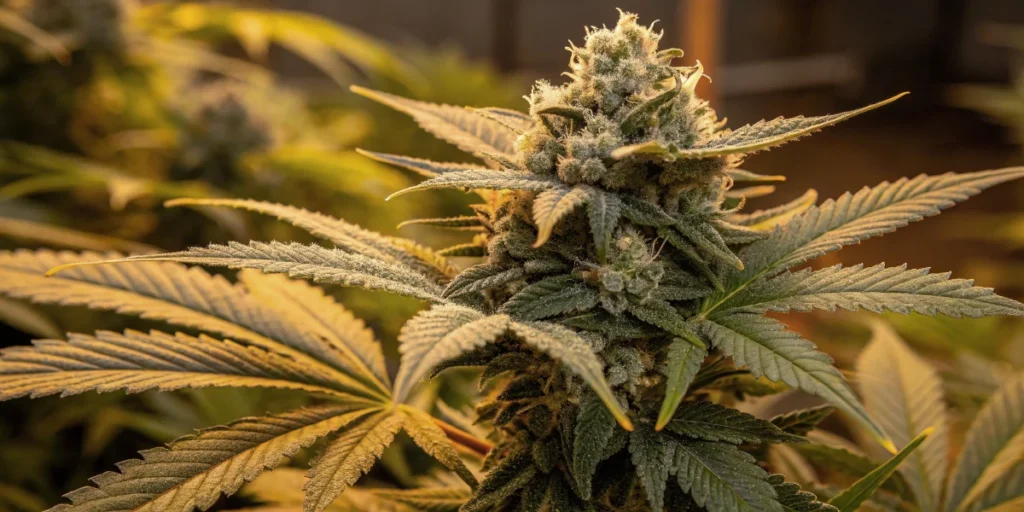
Germinating cannabis seeds is the initial step toward a successful harvest. For this strain, growers typically use the paper towel method. Begin by placing seeds of this variety between damp paper towels, ensuring they’re kept in a warm, dark environment. Check daily and keep them moist until you see the roots sprouting, a sign the plant is ready to transfer to soil or a growth medium.
Once the roots emerge, gently place this cultivar into a small, pre-moistened pot. The initial soil should be light and well-aerated to promote robust growth. Proper aeration helps it develop a strong root system, which is crucial for healthy plants. Be sure to plant root tips downward, just under the soil surface, allowing the seedlings to push through the medium with ease.
For effective propagation of this strain, growers often employ techniques like cloning. Cloning ensures consistency in genetic traits, providing uniformity in terpene profile and yield. Select a healthy mother plant and cut a few inches from her branches. Place the cuttings in water immediately to promote root development, ensuring they remain in a controlled environment with adequate humidity.
It’s vital for cultivators to maintain optimal environmental conditions to maximize success during propagation. Keep humidity levels high and temperatures stable to foster growth. With practice, these methods can lead to a successful harvest of Stoned Panda, known for its potent buds and rich terpene profile. This diligent process sets the foundation for productive yields from this genetics.
Vegetative Stage: Nurturing Your Stoned Panda Plants
The vegetative stage is crucial for the development of robust Stoned Panda plants. During this period, focus on providing ample light, ideally 18-24 hours, as it plays a significant role in growth. Ensure to maintain temperatures between 70-85°F. This helps to encourage the healthy expansion of foliage, supporting later stages of cannabis cultivation and ultimately, enhancing future yields with abundant buds.
This variety thrives in soil that retains moisture without becoming waterlogged. Opt for nutrient-rich mediums to sustain rapid growth. As the plant develops, regularly monitor the pH levels, keeping them between 6.0 and 7.0 to facilitate optimal nutrient uptake. These practices are vital to encourage robust, healthy growth that enhances the overall potential of the cultivar.
During the vegetative phase, pruning techniques can optimize light exposure and airflow, promoting healthier stalks and branches. Remove any lower leaves or small branches that may hinder the airflow. This ensures that the energy is directed toward the primary branches. With these steps, growers can anticipate a rewarding harvest with higher terpene profiles when the plant reaches maturity.
Fertilization is essential in this stage, and it is important to use nitrogen-rich nutrients, as they play a key role in leafy growth. Regular watering schedules prevent dehydration but avoid overwatering. As this strain advances through its vegetative phase, the dedication in this stage results in a flourishing Stoned Panda, poised for a successful flowering period and, ultimately, a delightful harvest.
Flowering Stoned Panda: What to Expect
When cultivating this strain, growers will find that the flowering phase is crucial for optimizing yield and potency. Expect the plant to undergo significant changes as it begins to develop dense buds and releases its distinctive terpene profile. Patience and care during this phase are paramount to ensure that this variety reaches its full genetic potential.
This cultivar typically flowers within 8 to 10 weeks, making it a relatively swift option for those eager for harvest. During this period, the plant’s aroma intensifies, signaling the development of its flavorful terpenes. Maintaining adequate light and nutrient levels will support robust bud growth, which is essential for an optimal harvest of this impressive genetics.
One of the standout features of this genetics is its resilience. Despite being a potent variety, it’s known for being forgiving to those new to cannabis cultivation. Regular monitoring for pests and adjusting humidity levels can prevent potential issues, ensuring that the buds develop without unwanted stress factors that may affect the final yield.
As the flowering phase concludes, growers can expect Stoned Panda to present a generous yield of resinous, high-potency buds. Attention to detail during this time rewards cultivators with a bountiful and aromatic harvest. By adhering to sound cultivation practices, this strain’s full potential can be enthusiastically achieved, making it a favorite among enthusiasts seeking quality and reliability.
Fertilizers & Nutrient Schedule
When cultivating this strain, providing the right nutrients is essential for maximizing yield and enhancing terpene profiles. During the vegetative stage, focus on a balanced fertilizer rich in nitrogen to support strong growth. This stage is crucial, requiring growers to remain vigilant and ensure the plant receives sufficient nutrients to develop a sturdy structure capable of supporting dense buds.
As Stoned Panda transitions into the flowering phase, adjust the nutrient mix to boost phosphorus and potassium levels. This change supports bud development and enhances the potency of this variety. Monitor feeding closely, as overfeeding can lead to nutrient burn, negatively impacting the overall health and quality of the harvest. Sufficiency is the key without overloading the plant.
For a precise nutrient schedule, consider employing a weekly regimen tailored to cannabis cultivation. During peak flowering, many growers find success with alternating nutrient-rich feedings with plain water. This method helps the plant absorb essential elements while preventing salt build-up in the soil, a common issue that can affect the cultivar’s performance.
Using organic fertilizers can also significantly benefit this genetics, augmenting flavor and aroma. Organic options often enhance soil life, allowing the plant to tap deeper into its potential. For an optimal outcome with Stoned Panda, adjust feeding routines based on visual cues from the plant, such as leaf coloration and growth patterns, ensuring a healthy and bountiful yield.
Pest and Disease Prevention for Healthy Cannabis Plants
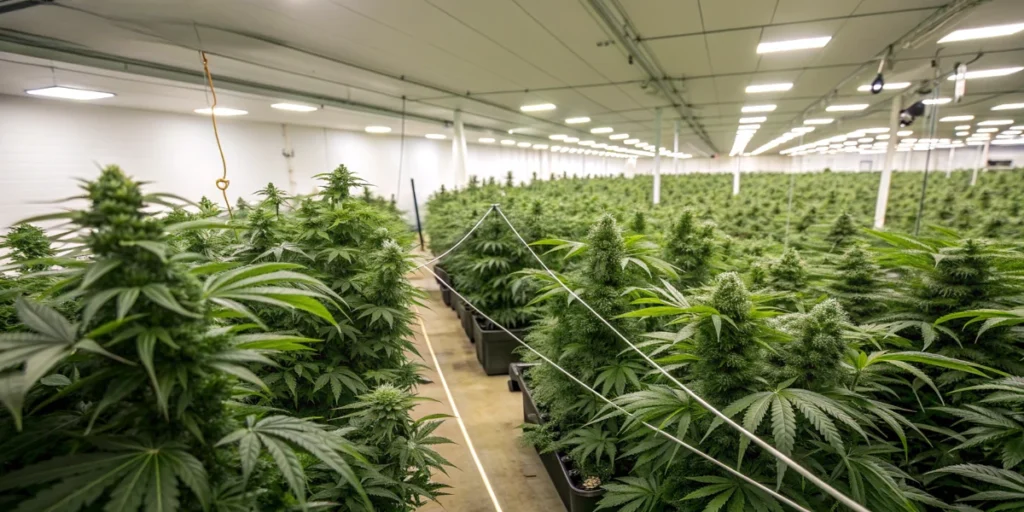
Preventing pests and diseases is crucial for cultivating robust cannabis. Growers must inspect their plants regularly, ensuring early detection of any issues that could harm this cultivar. Maintaining a clean growing environment and rotating between organic pest control methods can significantly minimize the chances of infestations. Healthy roots and leaves lead to quality buds, impacting the overall yield and terpene profile of the crop.
For optimal protection, integrate companion planting around this variety to deter unwanted intruders naturally. Marigolds and basil can serve as effective deterrents, enhancing the plant’s resilience without resorting to harsh chemicals. Regular pruning also improves airflow, deterring mold and mildew. Ensuring the plant beds are free from debris reduces habitats for potential pests, contributing to a healthier garden.
Adopting these preventive measures is especially important when growing strains like Stoned Panda, known for its rich terpene profile. Consistent monitoring and early intervention help maintain the vigor of the plant throughout its growth cycle. By focusing on an integrated approach, growers can enjoy a bountiful and healthy harvest, maximizing both the quality and the yield of their cannabis plants.
Harvesting & Drying Stoned Panda the Right Way
Proper timing is crucial when harvesting this strain. Growers should monitor the trichomes closely, looking for milky or slightly amber hues, signaling peak potency. Typically, this variety is ready for harvest around 8-10 weeks into flowering. Patience plays a key role in cultivation, as early harvest can diminish yield and terpene profiles.
Once ready, carefully cut the plant at its base, handling the branches gently to prevent damage. For optimal airflow, hang the harvested branches upside down in a dark, dry space. This ensures slow drying, preserving the rich aromas and flavors characteristic of this cultivar, while also mitigating the risk of mold.
Temperature and humidity are critical in the drying process. Maintain a controlled environment around 60°F-70°F with 50%-60% humidity to prevent buds from drying too quickly. This method helps maintain the quality of the cannabis and ensures the terpenes remain intact, enhancing the overall experience with this genetics.
After drying, the buds should be trimmed and cured gradually in airtight jars. Burping these jars daily allows moisture to escape and oxygen to enter, further enhancing the flavor and aroma of Stoned Panda. This careful approach to drying and curing will maximize the potency and appeal of your harvest, providing an exceptional final product.
Stoned Panda Strain Type: Indica, Sativa or Hybrid?
Stoned Panda is an intriguing cannabis variety known for its balanced traits. Classified as a hybrid, this strain combines the best features of both Indica and Sativa genetics. Ideal for growers seeking versatility, the plant’s structure generally allows for robust growth and ease of cultivation. Its hybrid nature supports a diverse range of environmental conditions, making it accessible for novice and experienced cultivators alike.
This cultivar produces buds that showcase a remarkable blend of both Indica and Sativa characteristics. The leaves exhibit a broadness typical of Indica, yet the plant’s height can sometimes resemble Sativa varieties. This hybrid’s unique combination of terpenes contributes to its distinctive aroma and effect, providing a well-rounded experience for consumers. Recognizing these traits is key to achieving a successful harvest and maximizing its yield potential.
In cultivation, growers may appreciate the adaptability of this strain. Stoned Panda thrives under varied lighting conditions, offering flexibility for indoor and outdoor setups. By embracing the traits of both Indica and Sativa, this variety supports a thriving ecosystem in diverse climates. Whether aiming for high yield or unique terpene profiles, proper care and attention to this plant’s hybrid nature will lead to rewarding results.
Why Grow Stoned Panda? Key Benefits for Cultivators
Cultivating the Stoned Panda strain offers numerous advantages for growers looking for robust plants that produce high-quality cannabis. This cultivar thrives in various environments, making it an adaptable choice for both novice and experienced cultivators. With its strong genetic profile, the plant can resist common pests and diseases, reducing maintenance efforts and increasing the likelihood of a successful harvest.
One of the standout features of this variety is its impressive yield. Growers appreciate the abundant buds that this strain produces, which are densely packed and rich in desirable terpenes. These aromatic compounds not only enhance the sensory experience but also add value to your crop. As such, this strain provides a satisfying return on investment for those focused on high-quality cannabis production.
Another reason to consider growing this genetics is its balanced cannabinoid profile. Ideal for medicinal and recreational users, it offers consistent potency levels that cater to a wide audience. With a little attention and care, cultivators can expect a bountiful harvest from the resilient Stoned Panda, establishing itself as a worthwhile addition to any grower’s repertoire.
Potential Challenges When Growing Stoned Panda
Successfully cultivating this strain requires an knowing of its unique characteristics. Growers may encounter issues with its sensitivity to environmental changes, which can affect the overall cannabis yield and bud quality. The plant’s preference for a stable climate means that managing temperature and humidity levels is crucial for avoiding problems during the flowering phase.
This variety is known for its dense buds and rich terpene profile, which can increase the risk of mold if not properly ventilated. Providing adequate air circulation is necessary to ensure the health of the plant. Additionally, maintaining balanced nutrient levels is vital, as over-fertilization can lead to nutrient burn, further stressing the plant.
Despite its challenges, Stoned Panda can reward meticulous growers with a bountiful harvest. Consistent monitoring for pests and diseases is essential to prevent infestations that could compromise the crop. With careful attention to detail and proactive management strategies, cultivating this cultivar can result in a robust and aromatic yield.
Is This Strain Worth Buying? Here’s What You Need to Know
For cannabis enthusiasts contemplating their next purchase, the decision to buy this strain hinges on several factors. Known for its robust cultivation traits, this variety offers a blend of rich terpenes and dense buds. If you’re a grower seeking high yield and a premium harvest, the plant presents a compelling opportunity, combining potency with resilience.
In terms of genetics, this cultivar stands out with its unique profile, offering a rich sensory experience. Growers appreciate the plant’s balanced growth and adaptability across different environments. Whether you’re cultivating for personal use or a larger operation, it can meet your needs with ease, ensuring a satisfactory return on investment and aromatic appeal.
Ultimately, the question of whether Stoned Panda is worth buying can be answered by considering your specific goals. If maximizing yield and exploring diverse terpene profiles top your list, then investing in this strain is advisable. With its pronounced characteristics, this variety has something valuable to offer both novice and seasoned cultivators alike.
FAQs
What is the ideal climate for growing Stoned Panda?
Stoned Panda thrives in a controlled indoor environment with stable temperatures ranging from 70-80°F (21-27°C). It also flourishes in Mediterranean climates if grown outdoors. This strain prefers moderate humidity levels, so ensure adequate ventilation to prevent mold and mildew. By providing these ideal conditions, growers can enhance the plant’s performance and yield.
What kind of yield can I expect from Stoned Panda?
When grown under optimal conditions, this strain can offer high yields. Indoor growers can expect approximately 500-600 grams per square meter, while outdoor plants often produce around 600-700 grams per plant. By maintaining proper care, including nutrient and light management, Stoned Panda can reach its full potential and deliver robust harvests.
How long does it take for Stoned Panda to flower?
This cultivar typically enters its flowering phase after 8 to 9 weeks. Keeping an eye on pistil and trichome development ensures an appropriate harvest time. Environmental control and nutrient management play pivotal roles during this period, promoting healthy bud growth and maximizing the plant’s resin production. Timely adjustments can further optimize yield and potency.
What are common problems when cultivating Stoned Panda?
Stoned Panda is prone to issues like mold and pests, particularly spider mites and aphids. Regular monitoring is essential to address these concerns early. Practice good hygiene and use organic pest control methods to reduce risks. Maintaining proper airflow and using natural fungicides can further prevent mold, protecting the plant’s health and yield potential.
What training techniques are recommended for this strain?
This variety responds well to training methods such as low-stress training (LST) and topping, which promote bushier growth and increased light penetration. Techniques like Sea of Green (SOG) and Screen of Green (ScrOG) are also effective for maximizing yield and space efficiency. Regular pruning and canopy management are crucial to utilize these methods successfully for this cultivar.