


In the rapidly evolving world of cannabis cultivation, growers are constantly seeking ways to improve their crops and maximize yield. Two of the most discussed methods for achieving this are DNA testing and phenotype analysis. These techniques can provide significant insights into a plant’s potential, but they differ fundamentally in approach and application. Whether you’re a first-time seed buyer or an experienced cultivator, grasping these concepts can enhance your growing endeavors.
DNA testing in cannabis is akin to a blueprint, offering a detailed map of the plant’s genetic makeup. This scientific approach helps predict traits like THC content, growth patterns, and disease resistance. In contrast, phenotype analysis focuses on observable traits, such as plant height, leaf color, and bud structure, that result from both genetic and environmental influences. Recognizing the nuances of these methods can empower growers to make informed decisions about their crops.
Recommended Strains
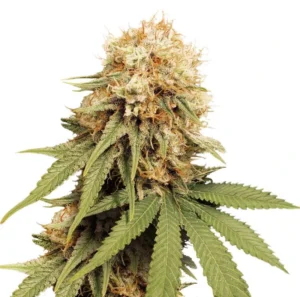
White Widow
 | THC | 24% - 25% (High) |
 | Lineage | South American Sativa Landrace x South Indian Indica Landrace |
 | Type | Feminized |
 | Height | 5.25 ft | 1.6 m |
 | Yield | High |
 | Yield Indoor | 1.64 - 2.13 oz/ft² | 500 - 650 g/m² |
 | Flowering Time | 9 - 10 weeks |
 | Phenotype | 60% Indica / 40% Sativa |
 | Effects | Euphoric, Happy, Uplifted |
 | Flavors | Earthy, Pungent, Spicy |

Green Gelato
| | THC | 26% - 27% (High) |
| | Lineage | Sunset Sherbet x Thin Mint Girl Scout Cookies |
| | Type | Feminized |
| | Height | 5.74 ft | 1.75 m |
| | Yield | High |
| | Yield Indoor | 1.64 - 2.29 oz/ft² | 500 - 700 g/m² |
 | Yield Outdoor | 24.69 - 28.22 oz/plant | 700 - 800 g/plant |
| | Flowering Time | 8 - 10 weeks |
| | Phenotype | 55% Indica / 45% Sativa |
| | Effects | Focused, Relaxed |
| | Flavors | Citrus, Earthy, Mint |
When it comes to choosing between DNA testing and phenotype analysis, the decision often depends on your cultivation goals. DNA testing can be particularly beneficial for those aiming for precision and predictability. Phenotype analysis, on the other hand, allows growers to make adjustments based on the environment and actual plant performance. Each method has its unique advantages, and the best approach often involves a combination of both.
The Science Behind DNA Testing in Cannabis
DNA testing in cannabis involves analyzing the plant’s genetic code to predict future growth traits. This scientific method allows growers to identify specific genes responsible for traits like disease resistance and cannabinoid production. By mapping out these genes, growers can select strains that are more likely to thrive in their specific growing conditions.
One practical example of the benefits of DNA testing over phenotype in cannabis cultivation is seen in the ability to predict the resilience of White Widow against common pests and diseases. By recognizing its genetic markers, growers can preemptively adjust their care strategies, potentially avoiding yield loss. This proactive approach, when using DNA testing vs phenotype in cannabis, underscores the function genetics plays in optimizing growing conditions, making it easier to plan for potential challenges before they manifest in the phenotype.
How DNA Testing Works
DNA testing starts with a small sample of plant tissue, often a leaf or a piece of the stem. This sample is then processed in a lab to extract the DNA. Through a series of advanced techniques, the genetic code is sequenced, revealing the plant’s genetic blueprint. This process can identify markers for traits such as flowering time and cannabinoid levels.
For example, Growlantis’ White Widow strain is known for its balanced THC/CBD levels and robust growth. DNA testing can confirm these traits, ensuring growers have a high-performing crop. This is particularly beneficial for those cultivating in regulated markets where specific cannabinoid profiles are required.
Benefits of DNA Testing in Cultivation
One major advantage of DNA testing is its ability to provide precise information about a plant’s potential before it even sprouts. This allows for strategic planning and resource allocation, potentially saving time and money. Growers can focus on strains best suited to their needs, whether they’re aiming for high THC levels or specific growth characteristics.
DNA testing can help breeders like those at Growlantis develop new strains with desired characteristics. By recognizing the genetic makeup of a strain like Green Gelato, breeders can create plants with enhanced flavors and effects, tailored to consumer preferences.
Recognizing Phenotype in Cannabis Cultivation
While DNA testing provides insights into a plant’s potential, phenotype analysis offers a glimpse into how those genetic traits manifest in the real world. Phenotype refers to the observable characteristics of a plant, influenced by both its genetics and environment. This method allows growers to adapt their cultivation practices based on actual plant performance.
Phenotype analysis compared to DNA testing can be particularly insightful when cultivating strains like Gelato Auto, where environmental factors can play a significant role in the plant’s development. By closely observing the plant’s response to different light spectra and nutrient regimens, growers can fine-tune their cultivation techniques to enhance the plant’s natural resilience and flowering efficiency. This adaptability is one of the core differences between phenotype and DNA testing in cannabis, highlighting the importance of real-time observation in dynamic growing environments.
Phenotype Observation Techniques
Phenotype analysis involves careful observation of a plant’s growth and development. Growers often look for traits like plant height, leaf shape, and bud density. These characteristics can indicate the plant’s health and potential yield. Regular observation and record-keeping are crucial to making informed decisions.
For instance, Gelato Auto from Growlantis is favored for its rapid flowering time and compact size, making it ideal for indoor grows. By observing its phenotype, growers can adjust light and nutrient schedules to optimize growth conditions and maximize yield.
Advantages of Phenotype Analysis
Phenotype analysis allows for real-time adjustments during the cultivation process. If environmental factors like temperature or humidity are affecting plant growth, growers can make immediate changes to improve conditions. This adaptability can lead to healthier plants and higher yields.
Furthermore, phenotype analysis is accessible to all growers, regardless of technical expertise. Unlike DNA testing, which requires lab access, phenotype analysis can be conducted in any grow environment. This makes it an invaluable tool for both home growers and commercial operations.
Differences Between DNA Testing and Phenotype Analysis
While DNA testing and phenotype analysis both provide valuable insights, they serve different purposes and offer distinct benefits. Recognizing these differences can help growers decide which method, or combination of methods, is best suited for their needs.
The impact of phenotype vs DNA testing on cannabis breeding is profound, as each method brings unique advantages to the table. DNA testing allows breeders to anticipate genetic traits in new strains, which is essential for planning breeding programs aimed at enhancing certain characteristics, such as the unique flavor profile of Green Gelato. On the other hand, phenotype identification allows breeders to observe the actual manifestation of traits, providing a practical framework for refining their breeding strategies based on real-world performance. This dual approach enriches the breeding process, ensuring that both genetic potential and environmental adaptability are optimized.
Precision vs. Adaptability
DNA testing offers precision. It allows growers to understand a plant’s genetic potential and make informed decisions before planting. This can be especially useful for large-scale operations where consistency and predictability are crucial.
Conversely, phenotype analysis offers adaptability. It provides real-time feedback on how plants are responding to their environment, allowing for immediate adjustments. This can be particularly beneficial in dynamic growing environments where conditions may change rapidly.
Cost and Accessibility
DNA testing often requires access to specialized laboratories, making it more expensive and less accessible to small-scale growers. However, the investment can pay off in the long run by ensuring high-quality, consistent crops.
On the other hand, phenotype analysis is cost-effective and accessible to all growers. With proper observation and record-keeping, growers can achieve impressive results without the need for expensive equipment or testing.
Integrating DNA Testing and Phenotype Analysis in Cannabis Cultivation
For many growers, the best approach involves integrating both DNA testing and phenotype analysis. Utilizing both methods can provide a comprehensive recognition of a plant’s potential and performance, leading to more successful cultivation outcomes.
Integrating cannabis genetics DNA testing versus phenotype identification allows growers to leverage the strengths of both methods, creating a holistic cultivation strategy. For instance, knowing that White Widow’s genetics thrive under specific light conditions can guide environmental adjustments, while phenotype analysis can help fine-tune nutrient delivery to match the plant’s real-time needs. This synergy between DNA insights and phenotypic observations optimizes resource use and enhances crop quality, ensuring that each plant reaches its full potential in terms of yield and potency.
Creating Optimal Growing Conditions
By combining DNA testing with phenotype analysis, growers can create optimal growing conditions tailored to each strain’s genetic makeup and environmental response. For instance, knowing that White Widow thrives in certain conditions can help growers adjust their environment accordingly, ensuring robust growth and high yields.
Similarly, recognizing the phenotype characteristics of Green Gelato can guide nutrient and light schedules to enhance its unique flavor profile and potency. This integrated approach allows for more precise cultivation practices and better overall results.
Enhancing Breeding Programs
Integrating DNA testing and phenotype analysis is also valuable for breeding programs. By recognizing the genetic and phenotypic characteristics of strains like Gelato Auto, breeders can create new varieties with desired traits. This can lead to the development of innovative strains that cater to specific consumer preferences and market demands.
Growlantis, for example, utilizes both methods to refine their strains and offer high-quality seeds to growers worldwide. By leveraging the strengths of each approach, they ensure their strains meet the highest standards of quality and performance.

FAQ
What is the main difference between DNA testing and phenotype analysis in cannabis?
The main difference lies in their focus: DNA testing examines the genetic blueprint of a plant to predict traits like THC levels and disease resistance, offering precision and predictability. Phenotype analysis, on the other hand, observes and records the physical traits that manifest in a plant due to its genetics and environment, providing real-time adaptability.
While DNA testing offers insights into a plant’s potential before growth, phenotype analysis allows for adjustments based on actual performance during cultivation. Both methods provide valuable information, and integrating them can lead to more successful growing outcomes.
How can DNA testing benefit cannabis growers?
DNA testing benefits cannabis growers by providing detailed information about a plant’s genetic potential. This allows for strategic planning and resource allocation, reducing the risk of cultivating low-performing plants. Growers can select strains that are more likely to thrive in their specific conditions, ultimately saving time and money.
Additionally, DNA testing aids in breeding programs by identifying genetic markers for desired traits, enabling the development of new strains with specific characteristics. This precision can lead to more consistent and high-quality crops, especially in regulated markets.
Why is phenotype analysis important in cannabis cultivation?
Phenotype analysis is important because it offers real-time feedback on how plants are responding to their growing environment. This allows growers to make immediate adjustments to factors like light, nutrients, and water, improving plant health and maximizing yield.
Phenotype analysis is also accessible to all growers, regardless of technical expertise or resources. By carefully observing and recording plant characteristics, growers can achieve impressive results without the need for expensive equipment or testing.
Can DNA testing and phenotype analysis be used together in cannabis cultivation?
Yes, DNA testing and phenotype analysis can be used together to provide a comprehensive recognition of a plant’s potential and performance. By integrating both methods, growers can tailor their cultivation practices to maximize yield and quality.
This approach allows for precise planning based on genetic insights and real-time adaptability based on phenotype observations. Combining both methods can lead to more successful cultivation outcomes and innovative breeding programs.
What are some specific characteristics of popular cannabis strains from Growlantis?
White Widow is renowned for its balanced THC/CBD levels and robust growth, making it a versatile choice for various growing conditions. Green Gelato is celebrated for its unique flavor profile and potency, offering a delightful experience for consumers and a rewarding challenge for growers.
Gelato Auto stands out for its rapid flowering time and compact size, ideal for indoor growing setups. Each of these strains offers distinct characteristics that can be optimized through both DNA testing and phenotype analysis, ensuring growers achieve the best possible results.