
Collecting samples for cannabis DNA testing can be a pivotal step in ensuring the genetic quality and characteristics of your cannabis plants. Whether you’re a first-time seed buyer or an experienced grower, recognizing how to collect samples for cannabis DNA testing is crucial. DNA testing can help confirm the genetic makeup, potential yield, and growth characteristics of strains like Sour Diesel, Girl Scout Cookies Auto, and White Widow Auto, which are part of the Growlantis catalog.
To begin, it’s important to recognize that cannabis DNA testing requires precise sampling methods. By following best practices for cannabis DNA sample collection, you can ensure accurate results. The process involves collecting tissue samples from the plant, which are then analyzed to determine the plant’s genetic profile. This genetic profile can provide insights into the plant’s THC/CBD levels, resilience, and overall quality.
Recommended Strains
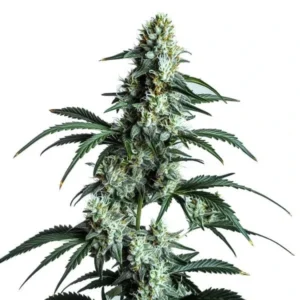
Sour Diesel
 | THC | 22% - 25% (Medium) |
 | Lineage | Chemdowg x Northern Lights x Skunk |
 | Type | Feminized |
 | Height | 8.2 ft | 2.5 m |
 | Yield | High |
 | Yield Indoor | 1.64 oz/ft² | 500 g/m² |
 | Yield Outdoor | 21.16 - 24.69 oz/plant | 600 - 700 g/plant |
 | Flowering Time | 8 - 10 weeks |
 | Phenotype | 30% Indica / 70% Sativa |
 | Medical | Anxiety, Depression, Pain |
 | Effects | Happy, Relaxed, Talkative |
 | Flavors | Citrus, Diesel, Earthy |
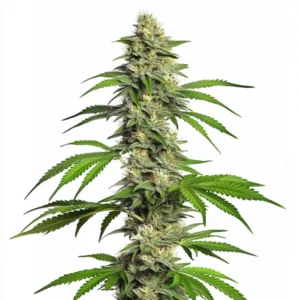
Girl Scout Cookies Auto
| | THC | 20% - 22% (Medium) |
| | Lineage | Girl Scout Cookies x Secret Rudelaris |
| | Type | Autoflowering |
| | Height | 3.28 ft | 1 m |
| | Yield | High |
| | Yield Indoor | 1.64 - 1.97 oz/ft² | 500 - 600 g/m² |
| | Yield Outdoor | 22.93 - 26.46 oz/plant | 650 - 750 g/plant |
| | Life Cycle | 8 - 10 weeks |
| | Phenotype | 60% Indica / 40% Sativa |
| | Medical | Fatigue, Muscle Spasms, Stress |
| | Effects | Happy, Relaxed, Talkative |
| | Flavors | Earthy, Sweet |
For instance, Sour Diesel is known for its energizing effects and high THC levels, making it a favorite among those seeking a potent experience. Girl Scout Cookies Auto offers a balance of euphoria and relaxation, ideal for both medical and recreational users. White Widow Auto, on the other hand, is celebrated for its robust growth and high yield potential, making it a reliable choice for growers. Recognizing these characteristics can guide you in selecting the right strain for your needs, making the DNA testing process all the more valuable.
Preparing for Cannabis DNA Sample Collection
Before you start collecting samples, it’s crucial to prepare adequately. This preparation involves gathering the necessary tools needed for cannabis DNA sample collection and creating a clean environment to prevent contamination. A step-by-step guide to collecting cannabis DNA samples can help ensure you don’t miss any crucial details.
First, assemble materials such as sterile gloves, clean scissors or a scalpel, and collection bags. These tools are essential for maintaining the integrity of the sample and preventing contamination. The cleanliness of the tools and environment cannot be overstated, as any foreign DNA can compromise the results.
Next, choose the right time to collect samples. It’s advisable to do this during the vegetative stage of the plant’s growth when the plant is healthy and robust. This timing ensures that the DNA is stable and representative of the plant’s true genetic potential. For example, Sour Diesel, with its long flowering time, is best sampled when the plant is mature but not yet flowering.
Finally, label each sample clearly. This step is essential for tracking and organizing your samples, especially if you are working with multiple strains. Proper labeling will ensure that you can easily match DNA results with the corresponding plant.
Additionally, it might be beneficial to consult with experts or refer to resources from Growlantis to ensure you are following the most current and effective procedures. Recognizing the nuances of how to collect samples for cannabis DNA testing can significantly impact the accuracy of the results. By investing time in preparation, you protect the integrity of the DNA and increase the likelihood of achieving reliable outcomes, particularly when dealing with sensitive strains like Girl Scout Cookies Auto and White Widow Auto.
Step-by-Step Guide to Collecting Cannabis DNA Samples
The process of collecting cannabis plant tissue for DNA analysis involves several precise steps. By following these steps, you can ensure the accuracy and reliability of your DNA testing results.
Choosing the right tools and maintaining a consistent method across all samples are critical components of effective cannabis plant tissue sampling for DNA analysis. Begin by clearly recognizing each step in the collection process, from selecting the tissue to final storage. This ensures that the samples remain uncontaminated and true to the original plant’s genetic profile. Consider creating a checklist of tasks to follow each time you prepare to collect samples, which will help streamline the process and prevent errors. Such meticulous planning is especially important when working with diverse strains like Sour Diesel, Girl Scout Cookies Auto, and White Widow Auto, where each might require slight adjustments in handling to optimize the sample’s viability.
Choosing the Right Plant Tissue
When selecting plant tissue for sampling, focus on young, healthy leaves. These leaves contain the most viable DNA for testing. For strains like White Widow Auto, which is known for its vigorous growth, selecting leaves from the upper half of the plant can provide the best sample.
Use sterile scissors or a scalpel to cut a small section of the leaf. Avoid touching the cut surface with your hands to reduce contamination risk. The sample should be immediately placed in a clean, labeled collection bag.
Handling and Storing Samples
Once collected, samples should be handled with care. Store them in a cool, dry place to preserve their quality until they can be sent for analysis. For strains like Girl Scout Cookies Auto, which may have varying environmental requirements, maintaining the right storage conditions is particularly important.
If samples are not immediately sent for testing, consider using silica gel packs to absorb moisture. This step helps prevent mold and degradation, ensuring the DNA remains intact.
Shipping Samples for DNA Analysis
When ready to send samples for testing, ensure they are securely packaged to prevent damage during transit. Use padded envelopes or small boxes for added protection. Clearly label the shipping package with the necessary details to avoid any mix-ups.
Choosing a reliable courier service is also important to ensure timely delivery. Remember, delays can affect the sample’s quality and the subsequent DNA analysis results.
Common Mistakes in Cannabis DNA Sample Collection
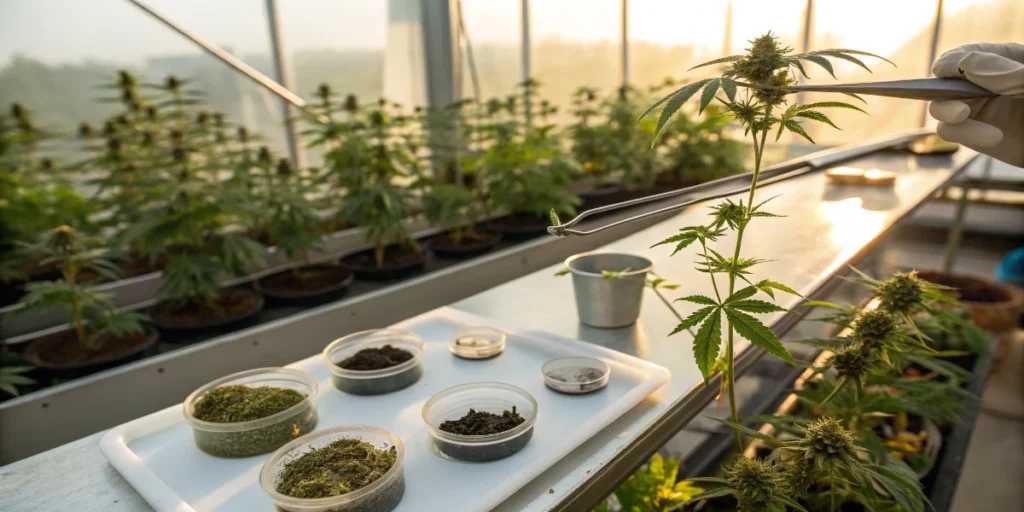
Even experienced growers can make mistakes when collecting samples for DNA testing. Being aware of these common errors can help you avoid them and ensure the accuracy of your results.
To minimize errors, it’s helpful to have a comprehensive recognition of the best practices for cannabis DNA sample collection. This includes maintaining stringent hygiene protocols and ensuring all equipment is sterilized before use. A common oversight is rushing the process, which can lead to contamination or mislabeling a particular risk when handling multiple strains such as Sour Diesel and White Widow Auto. Taking the time to verify each step, from collection to labeling, can greatly enhance the reliability of your results. Furthermore, staying informed about the latest advancements in DNA testing can provide new insights and techniques that help reduce common pitfalls in sample collection.
Contamination Issues
One of the most common issues is contamination. This can occur if tools are not properly sterilized or if samples come into contact with other plant material. Using separate tools for each strain, such as Sour Diesel and Girl Scout Cookies Auto, can prevent cross-contamination.
Always wear sterile gloves and change them between samples. This practice helps maintain the purity of each sample, ensuring accurate DNA results.
Improper Labeling
Mislabeling samples is another frequent mistake. Without clear labeling, it becomes difficult to match DNA results with the correct plant. Use waterproof markers or printed labels to ensure information remains legible.
Include details such as the strain name, sample date, and any other relevant information. This practice is particularly important when working with multiple strains like White Widow Auto and Sour Diesel.
Overlooking Environmental Factors
Environmental factors can also affect sample quality. Collecting samples during extreme weather conditions, such as high humidity or excessive heat, can compromise DNA integrity.
Aim to collect samples during stable weather conditions and store them in controlled environments to prevent degradation.
Tips for Accurate Cannabis DNA Sample Collection
Accuracy in cannabis DNA sample collection is key to obtaining reliable results. Here are some tips to help ensure success in your sampling efforts.
To maximize the accuracy of your cannabis DNA sample collection, it’s essential to understand how to collect samples for cannabis DNA testing within the context of your specific growing environment. Regularly reviewing and refining your sampling techniques can lead to better data and insights. Engage with communities or forums where other growers share their experiences and challenges, as this can offer practical tips tailored to specific strains like Sour Diesel and Girl Scout Cookies Auto. Additionally, documenting each collection session provides a valuable reference for future improvements and ensures consistency, which is vital for producing comparable results over time.
Consistency in Collection Methods
Maintain consistency in your collection methods across different samples and strains. By following a standardized procedure, you can reduce variability and ensure comparable results.
For instance, always collect samples from the same part of the plant, such as the upper leaves, and use the same tools and techniques for each strain, be it Sour Diesel or Girl Scout Cookies Auto.
Regularly Updating Your Sampling Techniques
As technology and methods evolve, it’s important to stay informed about new techniques and best practices for cannabis DNA sample collection. This knowledge can help you refine your approach and improve accuracy.
Consider attending workshops or consulting with experts in the field to keep up-to-date with the latest advancements in DNA testing and sample collection.
Documenting the Collection Process
Keep detailed records of your collection process, including dates, methods, and any observations. These records can be invaluable for troubleshooting and improving future sampling efforts.
Documentation also provides a reference point that can be shared with DNA testing laboratories, ensuring they have all the necessary information to conduct accurate analyses.
FAQ
What is the best time to collect cannabis samples for DNA testing?
The best time to collect cannabis samples for DNA testing is during the vegetative stage of the plant’s growth. At this stage, the plant is healthy and its DNA is stable, providing a true representation of its genetic makeup. For strains like Sour Diesel that have a longer flowering period, sampling during this time ensures the DNA is not influenced by flowering-related changes.
Collecting samples early in the day when environmental conditions are stable can also help preserve the quality and integrity of the samples.
Why is it important to avoid contamination during sample collection?
Contamination during sample collection can introduce foreign DNA, leading to inaccurate test results. This can affect the reliability of the genetic profile obtained from the DNA analysis, making it difficult to ascertain the true characteristics of strains like Girl Scout Cookies Auto and White Widow Auto.
Using sterilized tools and maintaining a clean environment are crucial steps in preventing contamination and ensuring the purity and accuracy of your samples.
How should I store cannabis DNA samples before sending them for analysis?
Store cannabis DNA samples in a cool, dry place to maintain their quality. Using silica gel packs can help absorb moisture and prevent mold or degradation. This step is particularly important if you cannot send the samples for immediate analysis.
Ensure samples are properly labeled and stored in sealed bags to prevent exposure to environmental factors that could compromise their integrity.
What are common mistakes to avoid when collecting cannabis DNA samples?
Common mistakes include contamination, improper labeling, and overlooking environmental factors. Contamination can occur if tools are not sterilized or gloves are not changed between samples, leading to compromised DNA results.
Mislabeling samples makes it difficult to match DNA results with the correct plant. Always use clear, waterproof labels to prevent confusion.
Can I collect DNA samples from flowering cannabis plants?
While it is possible to collect DNA samples from flowering cannabis plants, it is not recommended. During flowering, the plant undergoes significant changes that can affect DNA stability. Sampling during the vegetative stage provides a more stable and accurate genetic profile.
For strains like Sour Diesel and White Widow Auto, which may have long flowering periods, collecting samples before flowering ensures the most reliable DNA analysis results.