
The Genetic Basis of Cannabis: Indica vs Sativa
When discussing cannabis, distinguishing between indica and sativa is crucial. The genetic markers that differentiate indica vs sativa genetically play a significant role in their unique characteristics. Indica plants are typically shorter and bushier, while sativa plants are taller with thinner leaves. These physical differences stem from their genetic makeup, which has evolved over centuries to adapt to varying environmental conditions.
Genetic markers are specific sequences in the DNA that help in identifying particular traits. In the case of cannabis, these markers are used to determine the differences between indica and sativa at a molecular level. This is essential for breeders and growers who aim to optimize plant characteristics, such as yield, potency, and growing conditions.
Recommended Strains
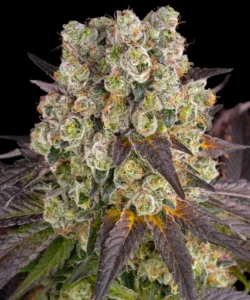
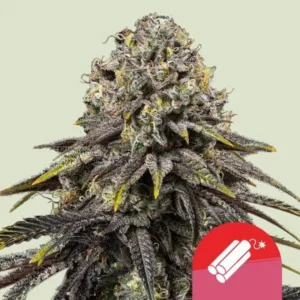
Purple Punch X Lemon Drizzle
 | THC | 26% - 27% (High) |
 | Lineage | Purple Punch Strain x Lemon Drizzle Strain |
 | Type | Feminized |
 | Height | 5.41 ft | 1.65 m |
 | Yield Outdoor | 52.91 oz/plant | 1500 g/plant |
 | Flowering Time | 9 - 10 weeks |
 | Phenotype | 55% Indica / 45% Sativa |
 | Effects | Euphoric, Happy, Relaxed, Uplifted |
 | Flavors | Blueberry, Sweet, Sour, Citrus, Earthy, Grape |
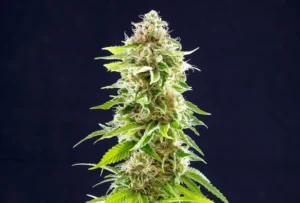
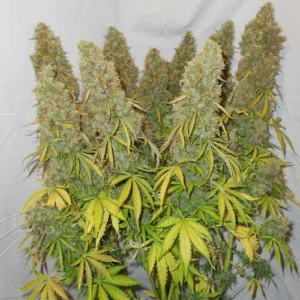
Cookies Haze
| | THC | 23% - 24% (Medium) |
| | Lineage | Super Silver Haze x Afghan |
| | Type | Feminized |
| | Height | 4.92 ft | 1.5 m |
 | Yield | High |
 | Yield Indoor | 1.8 - 1.97 oz/ft² | 550 - 600 g/m² |
| | Yield Outdoor | 28.22 oz/plant | 800 g/plant |
| | Flowering Time | 9 - 10 weeks |
| | Phenotype | 35% Indica / 65% Sativa |
| | Effects | Energetic |
| | Flavors | Fruity, Citrus, Sweet |
For instance, Cookies Haze from Growlantis is a strain that exhibits sativa-like traits due to its genetic composition. It is known for its high THC content and energizing effects, making it a favorite among those seeking an uplifting experience. Recognizing the genetic markers of sativa can help growers enhance these desirable traits.
Conversely, genetic markers in indica strains like Purple Punch X Lemon Drizzle influence their sedative effects and shorter flowering times. These markers are key to producing strains with high yields and potent relaxing properties, ideal for nighttime use.
Another critical aspect of cannabis indica sativa genetic differences lies in the plant’s adaptability to environmental stressors, which is a product of their evolutionary history. Indica strains, such as Purple Punch X Lemon Drizzle, have adapted to harsher, cooler climates, which is reflected in their genetic traits that promote resilience and compact growth. On the other hand, the sativa strains like Cookies Haze have developed traits that thrive in warmer, tropical environments, resulting in their taller stature and prolonged growth cycles. This sativa indica genetic traits comparison is essential for recognizing how these plants have evolved different survival strategies, a knowledge that is invaluable for breeding programs focused on enhancing specific plant characteristics.
Genetic Markers and Their Role in Differentiation
Genetic markers are invaluable tools for distinguishing indica vs sativa genetically. In the cannabis world, markers such as single nucleotide polymorphisms (SNPs) and simple sequence repeats (SSRs) are commonly used to identify and differentiate strains. These markers not only help in strain identification but also in predicting plant behavior and trait expression.
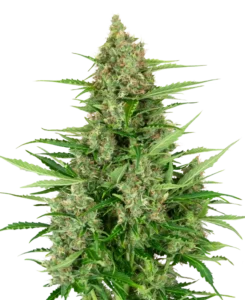
SNPs are small variations in the DNA sequence that occur at a single position. They are abundant and serve as excellent markers for genetic mapping. In cannabis, SNPs can highlight differences in cannabinoid production, flowering times, and growth patterns between indica and sativa strains. For example, Dynamite Diesel – Tyson S, another strain from Growlantis, owes its robust growth and high yields to specific SNPs that favor sativa traits.
SSRs, on the other hand, are repeating sequences of DNA that vary in length. These markers are useful for assessing genetic diversity and structure within and between cannabis populations. SSRs can indicate whether a plant will have the compact stature of an indica or the lanky growth of a sativa.
By utilizing these genetic markers, breeders can create targeted breeding programs that enhance desired traits within specific strains, leading to more predictable outcomes and optimized plant performance.
Recognizing what markers differentiate indica vs sativa genetically also aids in improving pest and disease resistance, particularly in strains like Dynamite Diesel – Tyson S. This strain’s genetic markers, which combine both indica and sativa traits, allow it to exhibit a high resistance to common pests and diseases, a trait that is highly desirable in cultivation. By focusing on these indica vs sativa genome markers, breeders can develop strains that not only meet consumer preferences but also withstand various cultivation challenges. This genetic markers indica vs sativa differentiation strategy is crucial for achieving high-quality, resilient crop production.
Practical Applications of Genetic Understanding
Recognizing the genetic markers that differentiate indica from sativa is not just an academic exercise; it has real-world implications for growers and consumers. For first-time cannabis seed buyers, knowing the genetic background of a strain can guide purchasing decisions based on desired effects and growing conditions.
Experienced growers can leverage genetic knowledge to optimize cultivation practices. For instance, indica strains like Purple Punch X Lemon Drizzle require different light cycles and nutrient regimens compared to sativa strains. Recognizing these needs can enhance both yield and quality.
Cookies Haze, with its sativa-dominant genetic profile, thrives in environments that mimic its native tropical habitats. Growers in regions with long, sunny days can exploit these conditions to maximize the plant’s potential. Conversely, indica strains often perform better in cooler climates with shorter growing seasons.
The insights gained from genetic markers also aid in developing new strains with unique properties. By recognizing the genetic traits distinguishing indica from sativa, breeders at Growlantis can create novel hybrids that combine the best traits of both species, catering to diverse consumer preferences.
For growers looking to maximize efficiency, recognizing cannabis indica sativa genetic differences is key to tailoring cultivation techniques that align with each strain’s genetic predisposition. For instance, strains like Dynamite Diesel – Tyson S, which embody a mix of indica and sativa traits, may benefit from a hybrid cultivation approach that balances indoor and outdoor strategies. This not only maximizes yield but also ensures that the plants receive optimal conditions throughout their growth cycle. Such practical applications of genetic insights ensure that both novice and experienced growers can achieve the best results from their crops.
Examples of Strains and Their Genetic Traits
To illustrate the impact of genetic markers on strain characteristics, let’s examine three strains from Growlantis: Cookies Haze, Purple Punch X Lemon Drizzle, and Dynamite Diesel – Tyson S.
Cookies Haze
Cookies Haze is a sativa-dominant strain known for its high THC levels and uplifting effects. Its genetic markers favor tall growth and long flowering periods, making it ideal for outdoor cultivation in warmer climates. The strain is celebrated for its sweet, fruity aroma and energizing high, suitable for daytime use.
Growers appreciate Cookies Haze for its resilience and high yields, traits that are directly linked to its sativa genetics. The strain’s genetic markers ensure a robust plant that can withstand varying environmental conditions while producing potent buds.
Purple Punch X Lemon Drizzle
Purple Punch X Lemon Drizzle showcases the classic characteristics of an indica strain. Its genetic markers favor shorter flowering times and a compact structure, making it perfect for indoor cultivation. This strain is renowned for its sweet, citrusy flavor profile and relaxing effects.
The indica-dominant genetic traits make Purple Punch X Lemon Drizzle a go-to choice for those seeking a calming experience. Its markers ensure a high-yielding plant with dense, resinous buds that are ideal for extract production.
Dynamite Diesel – Tyson S
Dynamite Diesel – Tyson S is a unique blend of both indica and sativa traits, resulting in a versatile strain with a balanced effect profile. Genetic markers in this strain support vigorous growth and high resistance to common pests and diseases.
This strain offers a rich, diesel-like aroma with undertones of citrus, thanks to its diverse genetic background. Growers can expect a generous yield from Dynamite Diesel – Tyson S, as its markers promote both quantity and quality in harvests.
FAQ
What markers are used to differentiate indica from sativa genetically?
Genetic markers used to differentiate indica from sativa include single nucleotide polymorphisms (SNPs) and simple sequence repeats (SSRs). These markers help identify differences in traits such as growth patterns, flowering times, and cannabinoid production. By analyzing these markers, breeders can predict how a strain will behave and what characteristics it will exhibit.
How do genetic differences affect growing conditions for indica and sativa?
Indica strains typically have genetic traits that favor shorter growth and flowering periods, making them well-suited for indoor cultivation in cooler climates. Sativa strains, with their taller stature and longer flowering times, thrive in outdoor environments with long, sunny days. Recognizing these genetic differences allows growers to optimize their cultivation practices for each type.
Can genetic markers help create new cannabis strains?
Yes, genetic markers are essential in creating new cannabis strains. By identifying and selecting specific markers associated with desirable traits, breeders can develop hybrids that combine the best characteristics of both indica and sativa. This process allows for the creation of strains with unique effects, flavors, and growth patterns, tailored to consumer preferences.
What are the benefits of knowing the genetic background of a cannabis strain?
Knowing the genetic background of a cannabis strain can guide purchasing decisions and cultivation strategies. For first-time buyers, recognizing a strain’s genetic profile helps in selecting seeds that match desired effects and growing conditions. Experienced growers can use this information to tailor their cultivation techniques, enhancing both yield and quality.
How do Cookies Haze, Purple Punch X Lemon Drizzle, and Dynamite Diesel – Tyson S exemplify genetic differences?
Cookies Haze, a sativa-dominant strain, exemplifies genetic traits that favor tall growth and long flowering periods, making it ideal for outdoor cultivation. Purple Punch X Lemon Drizzle, with its indica-dominant genetics, showcases shorter flowering times and a compact structure, perfect for indoor growing. Dynamite Diesel – Tyson S combines both indica and sativa traits, resulting in a balanced strain with robust growth and high yields.