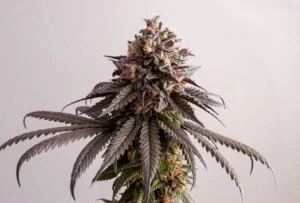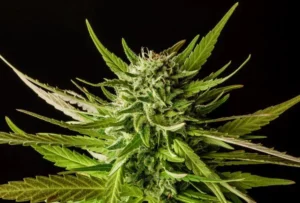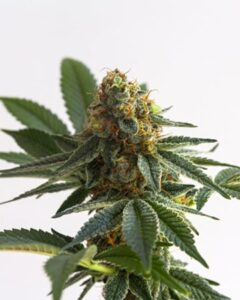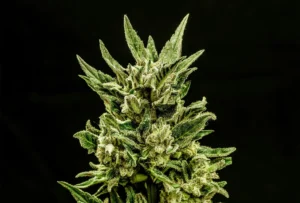
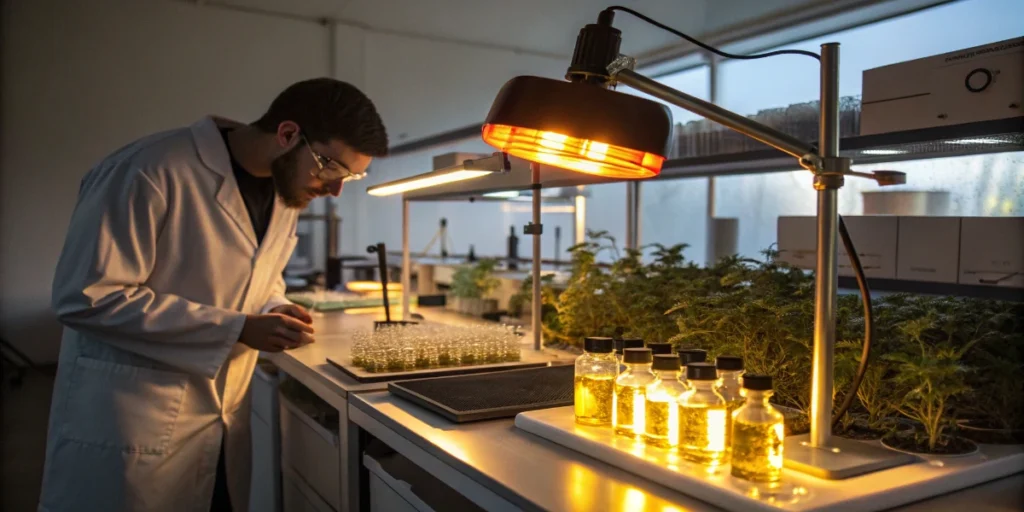

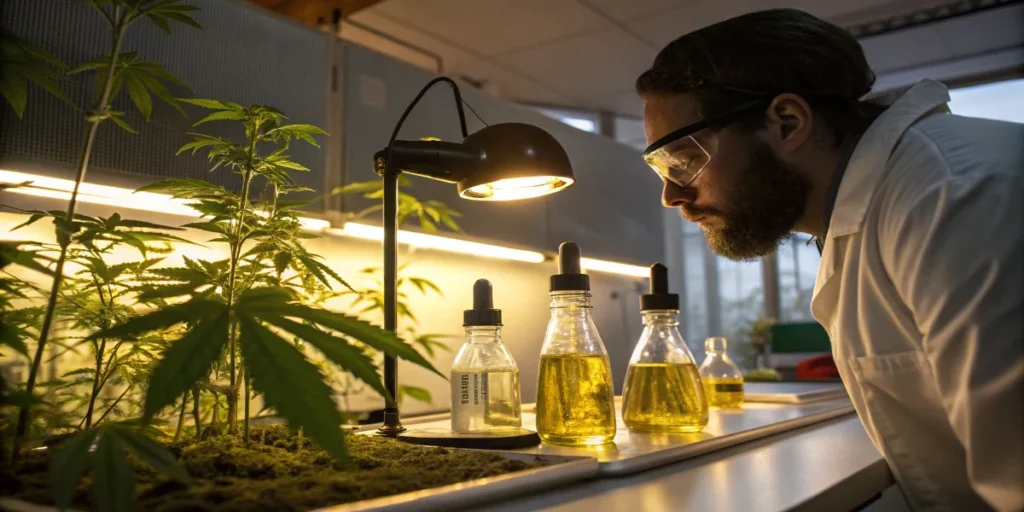
The effects of light and heat on cannabinoids are critical factors for anyone interested in cultivating cannabis. From novice growers to seasoned cultivators, recognizing these effects can make a significant difference in the quality of the yield. Cannabinoids, the active compounds found in cannabis, are sensitive to both light and heat. Knowing how to manage these elements effectively can help preserve the potency and stability of strains like Gorilla Glue Auto, Auto Jack Herer, and Gelato-K from Growlantis.
Light and heat deeply influence the cannabinoid profile of each plant. The degradation of cannabinoids under light and heat is a common challenge that growers face. As cannabinoids are exposed to excessive light or high temperatures, they can lose their potency. This is particularly concerning for cultivators aiming to maximize the therapeutic benefits of their harvest.
Recommended Strains
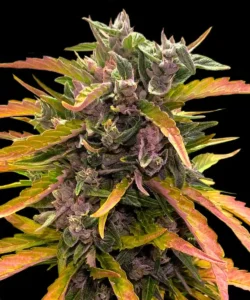
GG Auto
 | THC | 26% - 27% (High) |
 | Lineage | GG4 x BF Super Auto #1 |
 | Type | Autoflowering |
 | Height | 3.77 ft | 1.15 m |
 | Yield Outdoor | 8.11 - 10.58 oz/plant | 230 - 300 g/plant |
 | Life Cycle | 9 - 11 weeks |
 | Phenotype | 55% Indica / 45% Sativa |
 | Effects | Calming, Relaxed |
 | Flavors | Coffee, Spicy, Earthy |
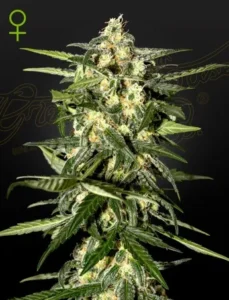
Auto Jack Herer
| | THC | 17% - 18% (Medium) |
| | Lineage | Jack Herer x Ruderalis |
| | Type | Autoflowering |
| | Height | 2.79 ft | 0.85 m |
| | Yield Outdoor | 7.05 oz/plant | 200 g/plant |
| | Life Cycle | 10 - 11 weeks |
| | Phenotype | 50% Indica / 50% Sativa |
| | Effects | Happy, Euphoric, Relaxed |
| | Flavors | Fruity, Skunk, Pine, Spicy |
When considering strains such as Gorilla Glue Auto, known for its robust THC levels and relatively short flowering time, managing light and heat becomes crucial. Similarly, Auto Jack Herer and Gelato-K require specific conditions to thrive. By carefully controlling these environmental factors, cultivators can ensure that their cannabis plants develop the desired cannabinoid profile.
The Impact of Light Exposure on Cannabinoids
Light is a vital component of photosynthesis, the process by which cannabis plants convert light energy into chemical energy. However, light exposure has both positive and negative effects on cannabinoids. While it is essential for growth, excessive light can lead to cannabinoid degradation, impacting the overall potency of the plant.
Recognizing the effects of light exposure on cannabinoids stability is essential for optimizing plant growth. For example, Gorilla Glue Auto benefits from a moderate light schedule that balances growth with cannabinoid preservation. Growers should consider using light meters to measure intensity and ensure that the light levels are within an optimal range to prevent degradation. This careful monitoring helps maintain the plant’s cannabinoid content and ensures that the potent effects associated with these strains are not compromised. Paying attention to the specific needs of each strain allows for a more tailored approach, enhancing the overall quality and yield of the harvest.
Photosynthesis and Cannabinoid Development
During photosynthesis, cannabis plants absorb light, which triggers a series of reactions that produce energy and support growth. This process also influences the development of cannabinoids. For strains like Auto Jack Herer, ensuring the right amount of light can enhance THC levels, providing the uplifting effects that this strain is known for.
However, it is crucial to balance the light exposure. Too much light can lead to a reduction in cannabinoid stability. Cultivators need to monitor the intensity and duration of light to protect their plants from the adverse effects of light exposure on cannabinoid stability.
Managing Light Intensity
To optimize the growing conditions for strains like Gelato-K, it is important to manage light intensity. This hybrid strain thrives under controlled lighting conditions, which help maintain its sweet and fruity flavors. Using LED lights can provide the needed spectrum without the excessive heat associated with traditional lighting systems.
LED lighting systems allow growers to adjust the intensity and spectrum, ensuring that the plants receive adequate light without risking cannabinoid degradation. This is especially beneficial for strains known for their delicate terpene profiles, as it helps preserve their unique characteristics.
How Heat Affects Cannabinoid Potency
Heat is another crucial factor that impacts the cannabinoid potency of cannabis plants. High temperatures can accelerate the degradation of cannabinoids, leading to a reduction in the desired effects. For strains like Gorilla Glue Auto, which is prized for its potency, controlling heat levels is essential for maintaining quality.
Recognizing how heat affects cannabinoid potency is key to achieving optimal growth. For instance, Auto Jack Herer requires careful temperature regulation to maintain its energizing effects without compromising cannabinoid content. Growers should invest in thermostats and heat control systems to keep temperatures within the ideal range. This prevents the degradation of cannabinoids under light and heat, ensuring that the therapeutic benefits of the strains are preserved. By implementing strategies like adjusting fan speeds and using reflective materials to disperse heat, cultivators can effectively manage the impact of temperature on the cannabinoid profile.
Temperature Control in Cultivation
Temperature control is vital during the flowering stage of cannabis cultivation. For Auto Jack Herer, known for its energizing effects, maintaining an optimal temperature helps preserve its cannabinoid profile. Excessive heat can cause cannabinoids to break down, reducing the strain’s potency and effectiveness.
Using climate control systems, such as air conditioning or evaporative coolers, can help manage temperature levels. These systems ensure that cannabis plants remain within the ideal temperature range, preventing the negative impact of heat on cannabinoid potency.
Preventing Heat Stress
Heat stress can significantly affect the growth and quality of cannabis plants. Strains like Gelato-K, with its complex terpene profile, are particularly sensitive to heat stress. This condition can lead to wilting, leaf burn, and an overall decrease in plant health.
To prevent heat stress, growers should monitor the temperature regularly and adjust environmental controls as needed. Ensuring proper ventilation, using fans, and strategically placing plants can help maintain a stable environment, allowing the plants to flourish without the threat of heat-induced degradation.
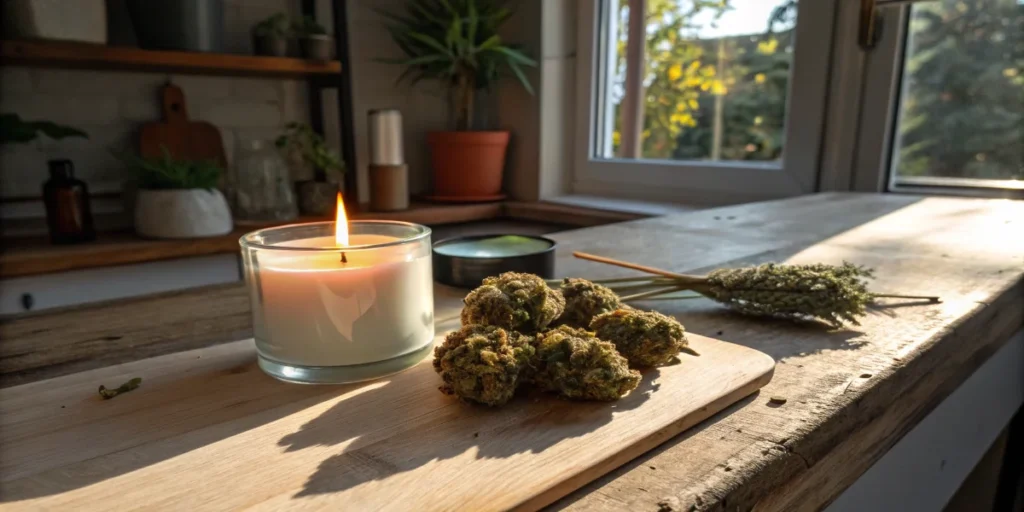
Optimal Storage Conditions for Preserving Cannabinoids
Once cannabis plants are harvested, proper storage is essential to preserving their cannabinoid content. Light and temperature continue to play a role in this stage, influencing the longevity and quality of the final product. For strains like Gorilla Glue Auto, which delivers a powerful punch, maintaining optimal storage conditions is key.
Optimal storage conditions for preserving cannabinoids involve more than just temperature control. Light and heat effects on cannabinoids must also be considered, as they can significantly impact the product’s longevity. For instance, Gelato-K’s terpene profile is best preserved in airtight, opaque containers that shield it from light exposure. By also maintaining a stable humidity level, growers can prevent mold growth and ensure the preservation of cannabinoids. Recognizing the specific storage needs of each strain allows cultivators to implement the best practices for maintaining product quality and effectiveness over time.
Temperature and Humidity Control
After harvest, cannabis should be stored in a cool, dark place to prevent degradation of cannabinoids under light and heat. Ideal storage temperatures are between 60-70°F, with a humidity level of around 55-65%. These conditions help maintain the integrity of the plant’s cannabinoids, ensuring that strains like Auto Jack Herer retain their characteristic effects.
Using airtight containers or vacuum-sealed bags can further protect the cannabis from environmental exposure. This approach minimizes the risk of oxidation and keeps the product fresh, preserving its potency and flavor.
Light-Proof Storage Solutions
To safeguard against the effects of light exposure, cannabis should be stored in opaque containers. This prevents light from penetrating and degrading the cannabinoids. For strains such as Gelato-K, with its rich terpene profile, protecting against light exposure helps maintain its unique aroma and taste.
Glass jars with UV-resistant coatings are an excellent option for cannabis storage. They offer a practical solution for keeping light out while allowing easy access to the product. By implementing these storage strategies, cultivators can ensure that their cannabis remains potent and effective over time.
Balancing Light and Temperature for Optimal Growth
Achieving the right balance between light and temperature is crucial for the successful cultivation of cannabis. Each strain has specific requirements, and recognizing these needs can significantly impact the quality of the harvest. For Growlantis strains like Gorilla Glue Auto, Auto Jack Herer, and Gelato-K, careful management of these factors ensures a thriving crop.
Balancing the impact of light and temperature on cannabinoid profile requires a nuanced approach. For example, Gorilla Glue Auto thrives in an environment where light intensity and heat levels are carefully regulated. Growers must focus on creating a harmonious setting that supports the natural growth cycle of each strain, facilitating optimal cannabinoid development. By leveraging advanced technology such as programmable light timers and climate control systems, cultivators can fine-tune environmental conditions to match the specific requirements of their crops. This precision ensures that the light and heat effects on cannabinoids are managed effectively, resulting in a high-quality yield.
Tailoring Conditions to Strain Requirements
Different strains have varying tolerances to light and heat. Gorilla Glue Auto, for instance, is a resilient strain that can withstand a range of conditions but still requires careful management to maximize yield and potency. By tailoring the growing environment to meet the specific needs of each strain, growers can optimize their plants’ cannabinoid profiles.
Auto Jack Herer benefits from a consistent light schedule that mimics natural sunlight cycles. This approach supports its growth and enhances its energizing effects. Gelato-K, on the other hand, requires a more controlled environment with moderate temperatures to preserve its terpene-rich profile.
Monitoring and Adjusting Environmental Factors
Regular monitoring and adjustment of environmental factors are essential for maintaining optimal growing conditions. Using tools such as hygrometers and thermometers can help growers keep track of temperature and humidity levels. This data allows for informed adjustments to be made, ensuring that the plants remain in their ideal growing conditions.
For Growlantis strains, maintaining a balance between light and temperature not only supports healthy growth but also ensures that the desired cannabinoid profile is achieved. By investing in quality equipment and staying attentive to the plants’ needs, growers can produce a high-quality harvest.
FAQ Section
How does light exposure affect cannabinoid stability?
Light exposure plays a significant role in the stability of cannabinoids. While it is necessary for photosynthesis, excessive light can lead to the breakdown of cannabinoids, reducing their potency. This degradation occurs because light can cause chemical reactions that alter the structure of cannabinoids, making them less effective.
To prevent this, growers should manage light exposure by using appropriate lighting systems and ensuring that plants are not exposed to light for extended periods. This is particularly important for strains like Auto Jack Herer, where maintaining stability is key to preserving its energizing effects.
What are the best ways to store cannabis to preserve its cannabinoids?
Preserving cannabinoids after harvest requires careful storage. Cannabis should be kept in a cool, dark environment to protect it from light and heat. Ideal storage temperatures range from 60-70°F with a humidity level of 55-65%. These conditions help maintain the integrity of the cannabinoids and prevent degradation.
Using airtight containers or vacuum-sealed bags can further protect cannabis from environmental exposure. For strains like Gorilla Glue Auto, maintaining these storage conditions ensures that the potent effects are preserved over time.
How can I prevent heat from affecting my cannabis plants?
Preventing heat from negatively affecting cannabis plants involves maintaining a stable temperature and ensuring proper ventilation. Growers can use climate control systems such as air conditioning or evaporative coolers to maintain the ideal temperature range for cannabis cultivation.
Regular monitoring of temperature and humidity levels is also crucial. For strains like Gelato-K, preventing heat stress helps maintain its delicate terpene profile and overall plant health.
Why is light intensity important for cannabis growth?
Light intensity is important because it influences photosynthesis, which is essential for plant growth and cannabinoid development. However, too much light can lead to cannabinoid degradation, reducing the potency of the plant.
For strains like Auto Jack Herer, managing light intensity ensures that the plant receives adequate energy for growth without risking stability. LED lighting systems can help provide the right spectrum and intensity, supporting healthy development.