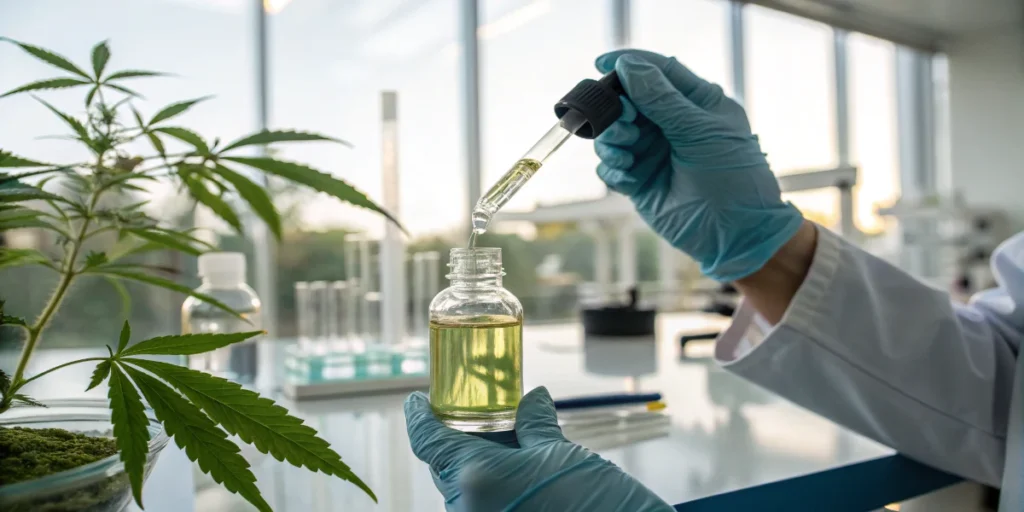

Ensuring the stability of cannabinoids is crucial for both first-time cannabis seed buyers and experienced growers. The chemical stability of cannabinoids affects the quality and efficacy of the final product, influencing both the consumer experience and potential therapeutic benefits. This guide examines various factors that impact cannabinoid chemical stability and offers expert insights into preserving these vital compounds.
The complexity of cannabinoid chemical structures makes them susceptible to degradation. Factors like light, temperature, and air exposure can lead to significant changes in cannabinoid profiles. For instance, THC can degrade into CBN, reducing the psychoactive properties of the cannabis product. Recognizing these factors can help in making informed decisions about cultivation and storage.
Recommended Strains
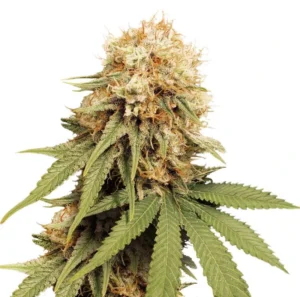
White Widow
 | THC | 24% - 25% (High) |
 | Lineage | South American Sativa Landrace x South Indian Indica Landrace |
 | Type | Feminized |
 | Height | 5.25 ft | 1.6 m |
 | Yield | High |
 | Yield Indoor | 1.64 - 2.13 oz/ft² | 500 - 650 g/m² |
 | Flowering Time | 9 - 10 weeks |
 | Phenotype | 60% Indica / 40% Sativa |
 | Effects | Euphoric, Happy, Uplifted |
 | Flavors | Earthy, Pungent, Spicy |
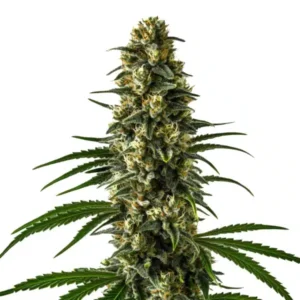
Girl Scout Cookies
| | THC | 18% - 25% (Medium) |
| | Lineage | Durban Poison x OG Kush |
| | Type | Feminized |
| | Height | 4.92 ft | 1.5 m |
| | Yield | High |
| | Yield Indoor | 1.64 oz/ft² | 500 g/m² |
 | Yield Outdoor | 21.16 - 24.69 oz/plant | 600 - 700 g/plant |
| | Flowering Time | 8 - 10 weeks |
| | Phenotype | 60% Indica / 40% Sativa |
 | Medical | Fatigue, Muscle Spasms, Stress |
| | Effects | Happy, Relaxed, Talkative |
| | Flavors | Fruity, Sweet |
Growlantis offers strains like White Widow, Girl Scout Cookies, and Gelato-K, each with unique properties that respond differently to storage and environmental conditions. Knowing the specific characteristics of these strains can aid in maintaining their cannabinoid profiles.
Incorporating best practices for cannabinoid chemical stability is essential. From choosing the right strain to optimizing storage conditions, every step plays a part in preserving the cannabinoids’ integrity. Let’s delve into how these elements come together to affect cannabinoid stability.
Environmental Factors Affecting Cannabinoid Stability
Environmental conditions have a profound impact on the chemical stability of cannabinoids. Light, temperature, and humidity are key elements that can alter cannabinoid composition, leading to reduced potency and efficacy. Recognizing these factors can help in optimizing conditions to preserve cannabinoid integrity.
Beyond the basics, environmental factors can interact in complex ways, further influencing cannabinoid stability. For example, high humidity combined with elevated temperatures can accelerate degradation even more than either factor alone. This interplay highlights the importance of holistic environmental control in storage facilities. Strains like Gelato-K, with their high THC content, particularly benefit from such holistic approaches. Implementing integrated systems that monitor and adjust both temperature and humidity can significantly enhance the preservation of cannabinoids, ensuring that consumers receive products with optimal efficacy and flavor.
Light Exposure
Exposure to light, especially ultraviolet (UV) rays, can rapidly degrade cannabinoids. This process converts THC to CBN, significantly reducing the psychoactive effects of cannabis. It’s essential to store cannabis in dark, opaque containers to minimize light exposure. Strains like Gelato-K, known for their high THC content, are particularly susceptible to light-induced degradation.
Using UV-blocking storage solutions can help maintain the chemical stability of cannabinoids. For example, placing cannabis in a dark cupboard or using amber glass containers can significantly reduce exposure and preserve the strain’s properties over time.
Temperature Variations
Extreme temperatures can negatively affect cannabinoid stability. High temperatures accelerate the degradation process, altering the chemical composition of cannabinoids. Storing cannabis at a consistent, cool temperature helps preserve its cannabinoid profile. White Widow, a strain renowned for its balanced THC and CBD levels, benefits immensely from stable temperature conditions.
Refrigeration can be beneficial for long-term storage, but it’s crucial to avoid freezing cannabis, as it can cause trichomes to become brittle and break off, diminishing potency. A stable environment ensures that cannabinoids maintain their intended effects.
Humidity Control
Humidity plays a critical role in cannabinoid stability. Too much moisture can lead to mold growth, while too little can dry out the cannabis, causing cannabinoids to degrade. Maintaining optimal humidity levels between 59% and 63% is essential for preserving cannabinoid integrity.
Investing in humidity control tools like hygrometers and desiccant packs can help monitor and adjust the moisture levels in storage containers, ensuring strains like Girl Scout Cookies retain their full range of effects and flavors.
Storage Best Practices for Cannabinoid Stability
Proper storage is paramount to preserving cannabinoid chemical stability. Implementing best practices can significantly extend the shelf life of cannabis, maintaining its potency and flavor over time. Here are some strategies to ensure your cannabis retains its quality.
Alongside selecting the right containers, the location of storage plays a crucial role in how to preserve cannabinoid chemical stability. A cool, dark basement can be an ideal place, as it naturally offers lower temperatures and minimal light exposure. Further, utilizing a dedicated cannabis storage cabinet with climate control features can provide an even more tailored environment. For strains like White Widow, which require careful handling to maintain their cannabinoid profile, such measures can be particularly beneficial. Incorporating these best practices for cannabinoid chemical stability ensures that your cannabis remains potent and effective over extended periods.
Choosing the Right Container
Containers play a vital role in maintaining cannabinoid stability. Airtight, opaque containers are ideal for minimizing exposure to air and light, both of which contribute to cannabinoid degradation. Glass jars with airtight seals are highly recommended for their effectiveness in preserving cannabis quality.
For those growing strains like White Widow, selecting the right container can help maintain its unique cannabinoid profile. Avoid plastic containers, as they can leach chemicals into the cannabis over time, affecting its purity and potency.
Temperature and Humidity Management
As previously mentioned, temperature and humidity control are critical for maintaining cannabinoid stability. Storing cannabis in a cool, dark place with consistent humidity levels can prevent mold growth and cannabinoid degradation.
Using technology like humidity packs or temperature-controlled storage units can provide an optimal environment for strains like Gelato-K, ensuring their complex terpene profiles and cannabinoid content remain intact.
Avoiding Air Exposure
Air exposure is a significant factor in cannabinoid degradation. Oxygen can oxidize cannabinoids, leading to a loss of potency. Vacuum-sealed storage solutions are an effective way to minimize air exposure and extend the shelf life of cannabis.
For strains like Girl Scout Cookies, which are prized for their potent effects and aroma, reducing air exposure is crucial to preserving their distinct characteristics. Regularly checking for airtight seals and using vacuum pumps can help maintain the quality of your cannabis.
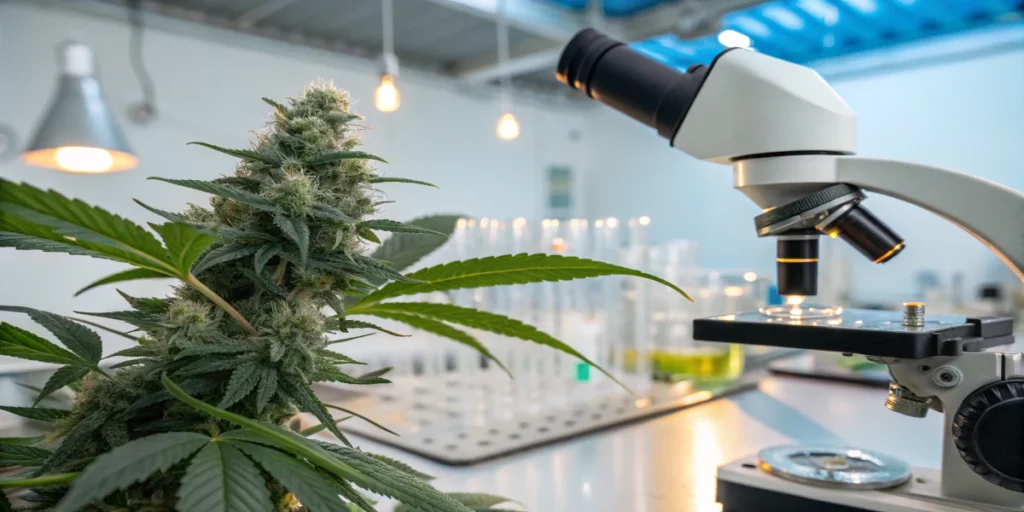
Strain-Specific Considerations
Different strains have unique characteristics that affect their chemical stability. Recognizing these nuances can help in selecting and storing cannabis to preserve its cannabinoid content effectively.
It’s important to recognize that each strain, including White Widow, Girl Scout Cookies, and Gelato-K, has its own set of optimal conditions for maintaining cannabinoid chemical stability. For example, White Widow’s balanced THC and CBD ratio makes it more stable under diverse conditions compared to more THC-dominant strains like Gelato-K. Meanwhile, the complex terpene profile of Girl Scout Cookies requires precise humidity control to preserve its aromatic qualities. Tailoring storage solutions to these specific characteristics ensures that each strain retains its unique effects and benefits, providing a more consistent and enjoyable experience for users.
White Widow
White Widow is a classic strain known for its balanced THC and CBD levels, making it a favorite among both recreational and medical users. Its relatively short flowering time and high yield make it an attractive option for growers. However, White Widow’s THC content can degrade quickly under improper storage conditions.
To maintain its chemical stability, White Widow should be stored in a cool, dark environment with minimal air exposure. This helps preserve its potent effects and therapeutic benefits.
Girl Scout Cookies
Girl Scout Cookies is a strain celebrated for its high THC levels and complex aroma profile. Its unique combination of flavors and effects makes it a standout in the cannabis community. However, its delicate terpenes require careful storage to maintain stability.
Proper humidity control and airtight storage solutions are essential for preserving Girl Scout Cookies’ cannabinoid and terpene profiles. This ensures the strain retains its characteristic potency and flavor.
Gelato-K
Gelato-K is a strain from Growlantis known for its high THC content and sweet, dessert-like flavor. Its unique profile makes it popular among experienced users seeking a powerful experience. However, Gelato-K’s high THC levels make it susceptible to degradation if not stored properly.
To preserve its chemical stability, Gelato-K should be kept in a controlled environment with consistent temperature and humidity levels. This helps maintain its potent effects and rich flavors.
Research Findings on Cannabinoid Stability
Recent cannabinoid chemical stability research findings provide valuable insights into preserving these compounds. Studies highlight the importance of proper storage conditions in maintaining cannabinoid integrity over time.
Thorough research has underscored the impact of storage conditions on cannabinoid chemical stability, revealing that even slight deviations in temperature or humidity can cause rapid degradation. For instance, studies demonstrate that strains like Girl Scout Cookies maintain their cannabinoid and terpene profiles best when stored under carefully controlled conditions. This research emphasizes the need for ongoing exploration into innovative storage solutions and preservation techniques. By staying informed about the latest cannabinoid chemical stability research findings, cultivators and consumers alike can adopt more effective strategies to ensure the longevity and efficacy of their cannabis products.
Impact of Storage Conditions
Research indicates that cannabinoids are highly sensitive to environmental conditions. Light, temperature, and humidity can significantly impact their stability. Optimal storage conditions are essential to prevent degradation and ensure the efficacy of cannabis products.
For instance, studies have shown that storing cannabis in a dark, cool place with controlled humidity levels can substantially reduce the rate of cannabinoid degradation, preserving the desired effects and therapeutic benefits.
Preservation Techniques
Various preservation techniques have been analyzed to enhance cannabinoid stability. Vacuum sealing, refrigeration, and the use of UV-blocking materials are among the most effective methods identified by researchers.
These techniques help maintain the cannabinoid profiles of strains like Girl Scout Cookies, ensuring their potency and flavor remain unaltered over time. Implementing these methods can significantly enhance the shelf life and quality of cannabis products.
FAQ Section
How does light exposure affect cannabinoid stability?
Light exposure, particularly UV rays, can significantly degrade cannabinoids, converting THC into CBN and reducing the psychoactive effects of cannabis. To prevent this, it’s crucial to store cannabis in dark, opaque containers that block out light, thereby preserving the strain’s potency and efficacy.
What are the best storage conditions for cannabis?
The best storage conditions for cannabis involve keeping it in a cool, dark place with controlled humidity levels. Airtight, opaque containers help minimize exposure to light and air, which are major factors in cannabinoid degradation. Using these methods can maintain the quality and potency of strains like White Widow.
Can temperature fluctuations affect cannabinoid stability?
Yes, temperature fluctuations can have a significant impact on cannabinoid stability. High temperatures accelerate cannabinoid degradation, while consistent cool temperatures help preserve their chemical integrity. It’s important to store cannabis at a stable temperature to maintain its cannabinoid profile.
Why is humidity control important for cannabis storage?
Humidity control is crucial because too much moisture can lead to mold growth, and too little can dry out the cannabis, causing cannabinoid degradation. Maintaining optimal humidity levels between 59% and 63% ensures the preservation of cannabinoid and terpene profiles, especially for strains like Girl Scout Cookies.
What role do strain characteristics play in cannabinoid stability?
Strain characteristics, such as THC and CBD levels, play a significant role in cannabinoid stability. Each strain, like Gelato-K, responds differently to environmental conditions and storage practices. Recognizing these traits helps in selecting appropriate storage methods to preserve their unique profiles and effects.