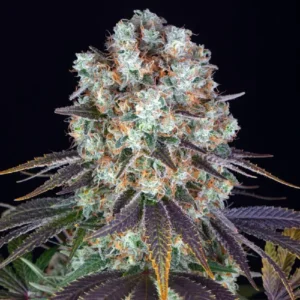

Cannabinoid degradation by UV exposure is a critical concern for both novice and seasoned cannabis enthusiasts. Ultraviolet (UV) light is a potent force in the environment, leading to the breakdown of essential compounds in cannabis plants. This degradation can significantly affect the potency and efficacy of cannabis products, making it vital for growers to understand how to protect their plants. UV exposure can lead to the deterioration of cannabinoids, impacting both THC and CBD levels. By appreciating how UV light interacts with cannabinoids, growers can take actionable steps to preserve their crops’ quality.
One of the notable strains from Growlantis, Northern Lights Auto, is particularly sensitive to UV exposure due to its autoflowering nature. This strain, known for its rapid flowering time and moderate THC levels, can lose its distinct qualities if not protected from excessive UV light. The degradation rate of cannabinoids with UV exposure can be mitigated by employing various protective measures. For instance, using greenhouses with UV-blocking films can help maintain cannabinoid stability under UV light.
Recommended Strains
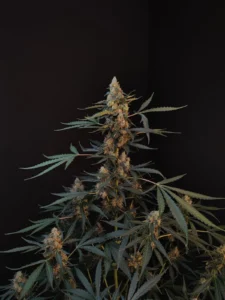
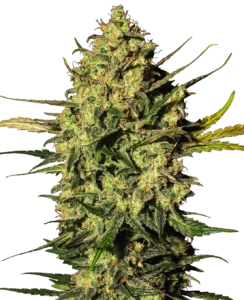
Northern Lights Auto
 | THC | 21% - 22% (Medium) |
 | Lineage | Northern Lights x Ruderalis |
 | Type | Autoflowering |
 | Height | 3.28 ft | 1 m |
 | Yield | High |
 | Yield Indoor | 1.64 - 1.97 oz/ft² | 500 - 600 g/m² |
 | Life Cycle | 9 weeks |
 | Phenotype | 70% Indica / 30% Sativa |
 | Effects | Sedative, Powerful, Relaxed |
 | Flavors | Fruity, Spicy, Pepper |
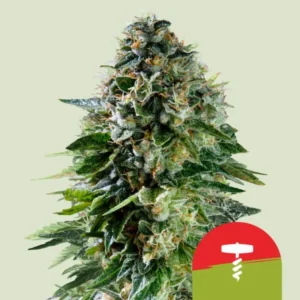
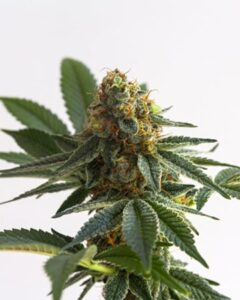
Corkscrew Auto - Tyson S
| | THC | 18% - 19% (Medium) |
| | Lineage | Cherry Pie Auto x Tangie |
| | Type | Autoflowering |
| | Height | 2.79 ft | 0.85 m |
| | Yield | Medium |
| | Yield Indoor | 1.47 - 1.64 oz/ft² | 450 - 500 g/m² |
 | Yield Outdoor | 3.17 - 6.17 oz/plant | 90 - 175 g/plant |
| | Life Cycle | 8 - 10 weeks |
| | Phenotype | 40% Indica / 55% Sativa / 5% Ruderalis |
| | Effects | Focused, Uplifted |
| | Flavors | Candy, Citrus, Pineapple |
Another strain, Gelato 44 – Tyson S, thrives in controlled environments where UV exposure is minimized. This strain boasts a high THC content, making it a favorite among experienced users seeking potent effects. However, without proper safeguards, the UV exposure effects on cannabis compounds can diminish its potency. Recognizing the impact of UV light on cannabinoid potency is essential for maintaining the high-quality standards that Gelato 44 – Tyson S is known for.
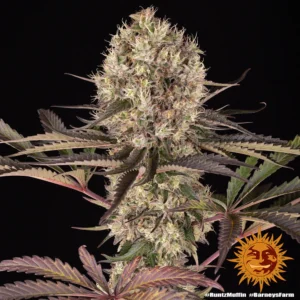
Runtz Muffin is celebrated for its unique terpene profile and balanced THC/CBD levels. Preserving cannabinoids from UV exposure is crucial for this strain to maintain its characteristic flavors and effects. By incorporating UV-filtering techniques, growers can ensure that Runtz Muffin retains its desirable qualities, providing consumers with the premium experience they expect from Growlantis.
Cannabinoid Stability Under UV Light
Cannabinoid stability under UV light is a significant factor that influences the overall quality of cannabis products. UV rays can cause cannabinoids to degrade, leading to a loss in both potency and therapeutic benefits. Growers must be aware of how UV exposure affects different strains and implement strategies to mitigate these effects.
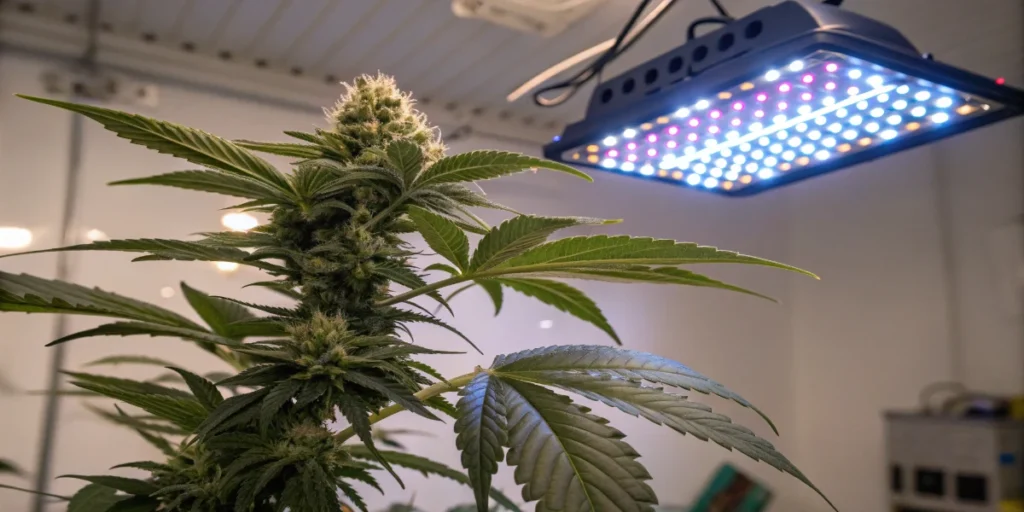
To enhance cannabinoid stability under UV light, growers can analyze innovative solutions such as integrating supplemental LED lighting. This approach allows for consistent light exposure without the harmful UV rays, preserving the integrity of cannabinoids. Northern Lights Auto, for instance, benefits from an environment where light quality is optimized but UV exposure is minimized. By carefully managing these conditions, growers can significantly reduce the degradation rate of cannabinoids with UV exposure, ensuring the plants maintain their desired potency and therapeutic properties.
Practical Solutions for UV Protection
To combat the detrimental effects of UV exposure, growers can employ various practical solutions. One effective method is the use of UV-blocking films or coatings on greenhouses. These materials can filter out harmful UV rays, preserving cannabinoids from UV exposure and ensuring that cannabis plants retain their potency and therapeutic value.
Another strategy is to adjust the planting schedule to minimize UV exposure during peak sunlight hours. This approach can be particularly beneficial for outdoor growers who need to manage their crops’ exposure to natural sunlight. By timing the growth cycle to coincide with periods of lower UV intensity, growers can enhance the overall quality of their harvest.
Environmental Control in Indoor Cultivation
Indoor cultivation offers the advantage of environmental control, allowing growers to manage UV exposure more effectively. By using artificial lighting systems that mimic natural sunlight without the harmful UV rays, growers can maintain optimal conditions for cannabinoid stability.
Furthermore, enhancing air circulation and regulating temperature and humidity levels can improve the resilience of cannabis plants to UV exposure. By creating a stable indoor environment, growers can ensure that strains like Runtz Muffin achieve their full potential in terms of flavor and potency.
UV Exposure Effects on Cannabis Compounds
UV exposure effects on cannabis compounds extend beyond cannabinoids, impacting terpenes and flavonoids as well. These compounds contribute to the entourage effect, a phenomenon where the combined effect of cannabinoids and other compounds produces a more significant therapeutic impact.
Alongside affecting cannabinoids, UV exposure can also accelerate the breakdown of terpenes, which are crucial for the aromatic and flavor profiles of strains like Runtz Muffin. This degradation can alter the sensory experience and therapeutic effects of the cannabis. By employing advanced shading techniques and UV-blocking materials, growers can mitigate these effects, ensuring that the full spectrum of cannabis compounds remains intact. This preservation not only enhances the quality of the cannabis but also supports the unique characteristics that distinguish each strain from Growlantis.
Preserving Terpene Profiles
Preserving terpene profiles is crucial for maintaining the unique characteristics of each cannabis strain. Terpenes not only contribute to the plant’s aroma and flavor but also play a role in modulating the effects of cannabinoids. By protecting these compounds from UV exposure, growers can enhance the overall experience for consumers.
For strains like Runtz Muffin, which are known for their complex terpene profiles, maintaining these compounds is essential. Implementing shading or UV-filtering techniques can help preserve the integrity of the terpenes, ensuring that the final product delivers the expected sensory and therapeutic effects.
Enhancing Flavonoid Stability
Flavonoids, while less discussed, are vital components of cannabis that contribute to its color and potential health benefits. These compounds are also vulnerable to UV-induced degradation. By utilizing protective measures such as UV-blocking films, growers can enhance flavonoid stability and maintain the visual appeal of their cannabis strains.
Incorporating these strategies into cultivation practices can help growers produce cannabis that meets the high standards expected by consumers. By prioritizing the preservation of all cannabis compounds, growers can ensure a superior product that stands out in the market.
Impact of UV Light on Cannabinoid Potency
The impact of UV light on cannabinoid potency is a critical consideration for cannabis growers. As UV rays interact with cannabis plants, they can lead to significant changes in the chemical composition of cannabinoids, affecting the plant’s overall potency.
Monitoring the impact of UV light on cannabinoid potency is essential for growers who aim to deliver consistent and high-quality cannabis products. For example, carefully regulating UV exposure helps in preserving the THC content in strains like Gelato 44 – Tyson S, ensuring that its potent effects are not compromised. Similarly, for strains like Northern Lights Auto, which are valued for their balanced THC/CBD levels, maintaining controlled UV conditions is vital for preserving cannabinoids from UV exposure. By implementing these strategies, growers can continue to meet consumer expectations for potency and therapeutic effectiveness.
Maintaining THC Levels
Maintaining THC levels is a primary concern for growers looking to produce high-potency cannabis. UV exposure can compromise these levels, leading to a decrease in the desired psychoactive effects. By implementing protective measures, growers can safeguard their crops against the detrimental effects of UV light.
For strains like Gelato 44 – Tyson S, known for their high THC content, maintaining these levels is crucial for preserving the strain’s reputation and consumer appeal. By controlling UV exposure through shading or indoor cultivation, growers can ensure consistent potency and quality.
Preserving CBD Content
CBD, a non-psychoactive cannabinoid with numerous therapeutic applications, is also vulnerable to UV degradation. Protecting strains like Northern Lights Auto, which offer balanced THC/CBD levels, is essential for maintaining their medicinal benefits.
By employing UV-blocking strategies, growers can preserve the CBD content in their cannabis, ensuring that it delivers the desired therapeutic effects. This approach not only enhances the quality of the product but also meets the expectations of consumers seeking specific health benefits from their cannabis.
Practical Tips for Protecting Cannabis from UV Exposure
Protecting cannabis from UV exposure is a crucial step in ensuring the quality and potency of the final product. By recognizing the risks associated with UV light, growers can implement effective strategies to safeguard their crops.
Alongside using UV-blocking materials, growers can analyze innovative cultivation techniques like vertical farming, which offers more control over environmental factors, including UV exposure. This approach can be particularly advantageous for strains like Gelato 44 – Tyson S, ensuring that the plants receive adequate light while being shielded from harmful UV rays. By combining these methods with precise monitoring of environmental conditions, growers can enhance the overall quality and resilience of their cannabis crops, providing a superior product to the market.
Using UV-Blocking Materials
Implementing UV-blocking materials is a highly effective way to protect cannabis from the harmful effects of UV light. Greenhouses or outdoor shading structures equipped with these materials can significantly reduce UV exposure, preserving the integrity of cannabinoids and other compounds.
For strains like Runtz Muffin, which are known for their unique terpene profiles, using UV-blocking materials can help maintain their characteristic flavors and effects. This investment not only protects the quality of the crop but also enhances the overall consumer experience.
Adjusting Cultivation Practices
Adjusting cultivation practices to minimize UV exposure is a proactive approach that can yield significant benefits. By timing planting and harvesting to avoid peak UV intensity, growers can reduce the risk of degradation and maintain high-quality cannabis.
Indoor growers can also benefit from this approach by using artificial lighting systems that provide the necessary light spectrum without the harmful UV rays. This strategy helps maintain cannabinoid stability and ensures consistent potency across the crop.
FAQ Section
What is cannabinoid degradation by UV exposure?
Cannabinoid degradation by UV exposure refers to the breakdown of cannabinoids, such as THC and CBD, when exposed to ultraviolet light. UV rays can cause chemical changes that diminish the potency and efficacy of cannabis compounds, affecting the overall quality of the product.
To mitigate these effects, growers can implement protective measures such as using UV-blocking films or adjusting cultivation practices to minimize UV exposure. These strategies help preserve the integrity of cannabinoids and ensure a high-quality final product.
How does UV exposure affect cannabis compounds?
UV exposure affects cannabis compounds by causing chemical changes that degrade cannabinoids, terpenes, and flavonoids. This degradation can lead to reduced potency, altered flavors, and diminished therapeutic benefits.
By recognizing the impact of UV light on cannabis compounds, growers can take proactive steps to protect their crops and maintain the desired characteristics of their strains. Implementing shading techniques and using UV-filtering materials are effective ways to mitigate the effects of UV exposure.
How can I protect my cannabis plants from UV exposure?
Protecting cannabis plants from UV exposure involves using strategies such as UV-blocking films, adjusting cultivation schedules, and creating controlled indoor environments. These methods help reduce UV exposure and preserve the quality of cannabis compounds.
For outdoor growers, utilizing greenhouses or shading structures equipped with UV-blocking materials can provide effective protection. Indoor growers can benefit from artificial lighting systems that mimic natural sunlight without harmful UV rays.
Are some cannabis strains more susceptible to UV degradation?
Yes, some cannabis strains are more susceptible to UV degradation due to their specific chemical compositions and growth characteristics. Strains like Northern Lights Auto, Gelato 44 – Tyson S, and Runtz Muffin require careful management of UV exposure to preserve their unique qualities.
By recognizing the specific needs of each strain, growers can implement targeted strategies to protect their crops from UV-induced degradation. This approach ensures that the final product retains its potency, flavor, and therapeutic benefits.
What are the benefits of using UV-blocking materials in cannabis cultivation?
Using UV-blocking materials in cannabis cultivation offers several benefits, including preserving cannabinoid potency, maintaining terpene profiles, and enhancing flavonoid stability. These materials filter out harmful UV rays, protecting the plant’s compounds and ensuring a high-quality product.
By incorporating UV-blocking materials into their cultivation practices, growers can safeguard their crops from UV-induced degradation and deliver a superior product to consumers. This investment in quality protection enhances the overall success of the cultivation process.