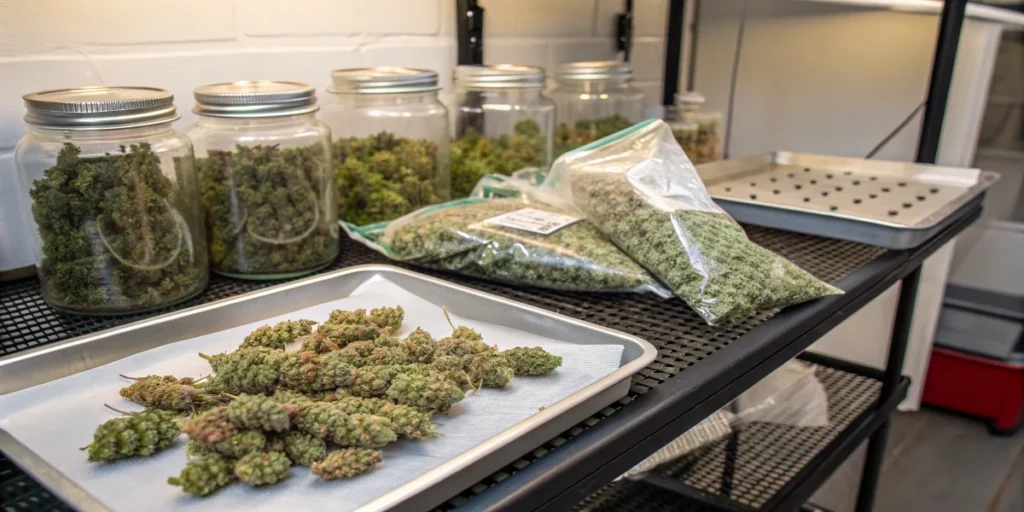

Microbial-safe cannabis curing: Utilizing advanced methods like Grove Bags can significantly reduce microbial growth by up to 70%, ensuring a safer curing process. These techniques help maintain the quality and potency of cannabis while minimizing contamination risks, making them essential for cultivators aiming to enhance their harvest’s safety and efficacy.
Preserving the terpenes and aroma of cannabis during curing is crucial for achieving a high-quality product. By focusing on maintaining optimal humidity levels and using innovative materials, cultivators can enhance the flavor profile and extend the shelf life of their harvest. Techniques such as using Grove Bags provide a controlled environment that supports these goals.
Recommended Strains
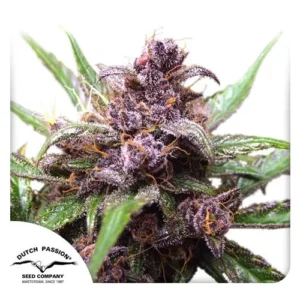
Auto Blackberry Kush
 | THC | 15% - 20% (Medium) |
 | Lineage | Blueberry X Dark hash plant |
 | Type | Autoflowering |
 | Height | 2.3 ft | 0.7 m |
 | Yield | Medium |
 | Yield Indoor | 1.31 - 1.47 oz/ft² | 400 - 450 g/m² |
 | Yield Outdoor | 7.05 oz/plant | 200 g/plant |
 | Life Cycle | 10 - 11 weeks |
 | Phenotype | 70% Indica / 30% Sativa |
 | Effects | Sedative, Powerful, Relaxed |
 | Flavors | Fruity, Kush, Earthy |
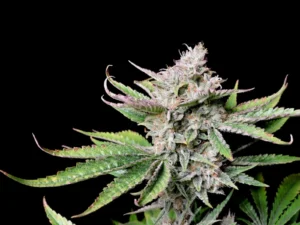
Cherry Cola Auto
| | THC | 27% - 28% (High) |
| | Lineage | Cherry Cookies x Zkittlez x Ruderalis |
| | Type | Autoflowering |
| | Height | 3.94 ft | 1.2 m |
| | Yield | High |
| | Yield Indoor | 1.64 - 1.97 oz/ft² | 500 - 600 g/m² |
| | Life Cycle | 9 - 10 weeks |
| | Phenotype | 55% Indica / 45% Sativa |
| | Effects | Relaxed, Happy, Creative |
| | Flavors | Cherry, Caramel, Fruity |
Microbial Risks in Cannabis Curing
Common Microbial Contaminants
Microbial contaminants such as mold and bacteria can thrive in improperly cured cannabis. These organisms can develop when humidity levels exceed 65%, posing health risks to consumers. To combat this, maintaining a relative humidity of 58-62% during curing is vital. This range helps prevent microbial growth while preserving the plant’s natural terpenes and cannabinoids.
In the cannabis industry, experienced growers report that Botrytis, also known as gray mold, is a common issue. It can destroy crops if humidity is not controlled. By using digital hygrometers, cultivators can monitor and adjust environmental conditions to keep this pathogen at bay.
Impact on Cannabinoid Content
The curing process significantly affects cannabinoid content. In professional cultivation circles, it is suggested that curing at lower temperatures, around 60-70°F (15-21°C), helps preserve cannabinoids like THC and CBD. This temperature range slows down the degradation of cannabinoids, ensuring a more potent final product.
Master growers have pointed out that improper curing can lead to cannabinoid loss. For instance, curing cannabis in jars without proper ventilation can trap moisture, leading to mold growth and degradation of THC content. Thus, ensuring adequate airflow is crucial for maintaining potency.
Traditional vs. Microbial-Safe Curing Methods
Curing Cannabis in Jars
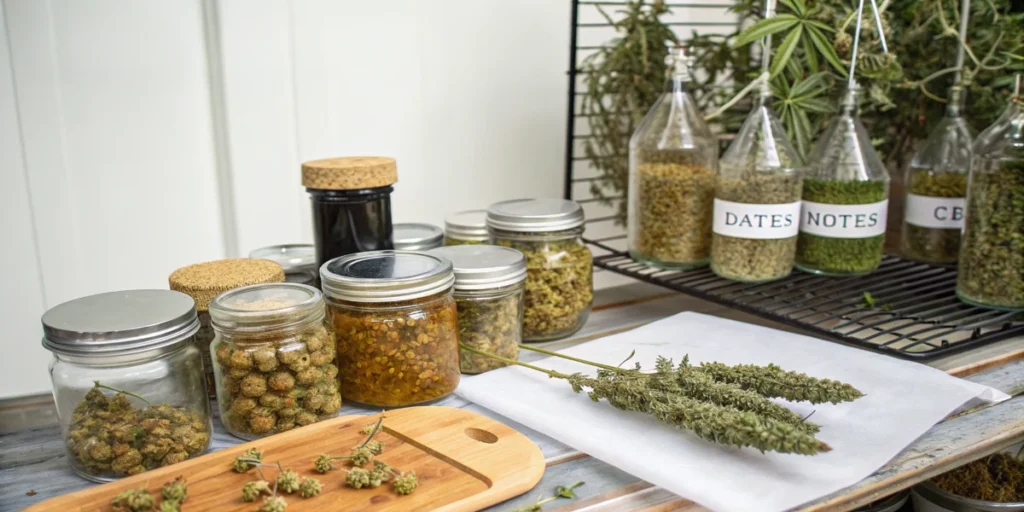
Curing cannabis in jars is a traditional method that involves placing dried buds in airtight containers. This method requires regular burping opening the jars for a few minutes daily to release excess moisture and gases. However, it poses risks if not monitored closely, as excess humidity can lead to mold development.
To improve this method, cultivators often use humidity packs to maintain consistent moisture levels within the jars. These packs help keep the relative humidity within the ideal range of 58-62%, reducing the risk of microbial contamination.
The Role of Grove Bags
Grove Bags offer a modern solution for microbial-safe curing. These bags are designed to maintain a stable environment by controlling oxygen and moisture levels. They eliminate the need for burping, providing a more hands-off approach to curing.
Many cultivators share that Grove Bags can enhance the safety and quality of cannabis by reducing microbial growth. By maintaining a controlled environment, these bags help preserve the plant’s natural terpenes and cannabinoids, resulting in a superior product.
| Feature / Merkmal | Strawberry Haze Auto | Durban Poison Auto | Green Crack Punch |
|---|---|---|---|
| THC Content | 15-20% | 20-25% | 18-22% |
| Dominant Terpene | Limonene | Terpinolene | Caryophyllene |
| Flavor Profile | Citrus, Sweet | Spicy, Pine | Fruity, Earthy |
| Effect | Uplifting, Energetic | Relaxing, Euphoric | Creative, Focused |
| Curing Method | Grove Bags | Jars with Humidity Packs | Jars with Burping |
| Seeds | Strawberry Haze Auto | Durban Poison Auto | Green Crack Punch |
Step-by-Step Guide to Microbial-Safe Curing
Preparing Your Cannabis for Curing
Before curing, ensure your cannabis is properly dried. Aim for a moisture content of 10-15%, which can be achieved by drying the buds at 60-70°F (15-21°C) with a relative humidity of 45-55%. This step is crucial to prevent mold growth during the curing process.
Once dried, trim the buds to remove excess leaves and stems. This not only improves the appearance but also reduces the likelihood of microbial contamination. Use sharp, sanitized scissors to avoid damaging the buds.
Monitoring Humidity and Temperature
During curing, maintaining a stable environment is essential. Use a hygrometer to monitor humidity levels, ensuring they remain between 58-62%. This range helps preserve the plant’s terpenes and cannabinoids while minimizing microbial risks.
Temperature control is equally important. Keep the curing environment at 60-70°F (15-21°C) to prevent cannabinoid degradation. Many cultivators use climate-controlled rooms or specialized curing bags like Grove Bags to achieve these conditions.
Advanced Tips: How to Cure Cannabis Like a Pro
Using Technology to Enhance Safety
Incorporating technology into the curing process can significantly enhance safety and quality. Automated climate control systems can maintain optimal humidity and temperature levels, reducing the need for manual adjustments and minimizing human error.
Master growers recommend using data loggers to track environmental conditions over time. This data can help identify patterns and make necessary adjustments to improve the curing process, ensuring a consistent and high-quality product.
Professional Tips for Microbial-Safe Curing
- Maintain 58-62% RH during curing to prevent mold growth. Use a digital hygrometer for accuracy.
- Keep temperature at 60-70°F (15-21°C) to preserve cannabinoids. Avoid fluctuations to maintain potency.
- Use Grove Bags for a hands-off curing approach. They stabilize the environment, reducing microbial risks.
- Trim buds before curing to enhance airflow and reduce contamination. Use sanitized tools to prevent infection.
- Monitor environmental conditions with data loggers to identify and rectify issues promptly.
- Avoid over-drying, which can lead to terpene loss. Aim for 10-15% moisture content before curing.
Frequently Asked Questions
What are the microbial risks in cannabis curing?
Microbial risks in cannabis curing include mold and bacteria growth, which can occur if humidity levels exceed 65%. These contaminants can compromise the quality and safety of the cannabis. Maintaining a relative humidity of 58-62% during curing helps prevent these issues.
How do Grove Bags help in microbial-safe curing?
Grove Bags help in microbial-safe curing by maintaining a stable environment that controls oxygen and moisture levels. This reduces the need for burping and minimizes microbial growth, preserving the cannabis’s natural terpenes and cannabinoids.
What is the best way to cure cannabis for beginners?
For beginners, curing cannabis in jars with humidity packs is effective. Maintain a relative humidity of 58-62% and burp the jars daily to release excess moisture. This method is simple and helps prevent mold growth.
How does curing affect cannabinoid content?
Curing affects cannabinoid content by preserving or degrading THC and CBD levels. Proper curing at 60-70°F (15-21°C) helps maintain cannabinoid potency, while improper conditions can lead to degradation and loss of potency.
What are the benefits of using technology in cannabis curing?
Using technology in cannabis curing, such as automated climate control systems, ensures optimal humidity and temperature levels. This reduces human error and enhances the safety and quality of the final product, minimizing microbial risks.