
When cannabis plants are harvested, the complex process of cannabinoid biosynthesis doesn’t simply stop. Instead, these compounds undergo significant transformations. For both first-time cannabis seed buyers and experienced growers, recognizing these changes is crucial to maximizing the potency and desired effects of their crops. This guide will delve into how cannabinoid biosynthesis changes post-harvest, providing insights into the fascinating chemical reactions that continue to occur even after the plants have been cut down.
Post-harvest transformations can significantly impact the overall cannabinoid profile of the cannabis. Factors such as drying, curing, and storage conditions play pivotal roles in these changes. By exploring the nuanced processes involved, growers can better manage their harvests to ensure optimal quality and potency. Let’s examine how these processes unfold and offer practical tips for maintaining cannabinoid integrity in strains like Hulkberry, Big Bud Auto, and Big Bud.
Recommended Strains
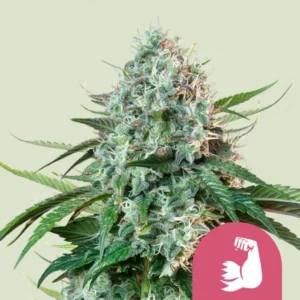
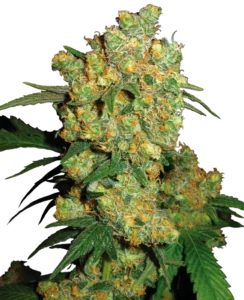
Hulkberry
 | THC | 26% - 27% (High) |
 | Lineage | OG Kush x Strawberry Diesel |
 | Type | Feminized |
 | Height | 5.91 ft | 1.8 m |
 | Yield | Medium |
 | Yield Indoor | 1.31 - 1.47 oz/ft² | 400 - 450 g/m² |
 | Yield Outdoor | 22.93 - 24.69 oz/plant | 650 - 700 g/plant |
 | Flowering Time | 9 - 11 weeks |
 | Phenotype | 35% Indica / 65% Sativa |
 | Effects | Focused, Uplifted |
 | Flavors | Citrus, Diesel, Herbal |
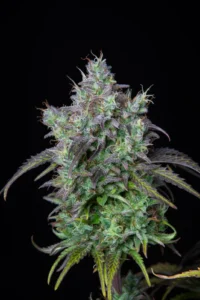
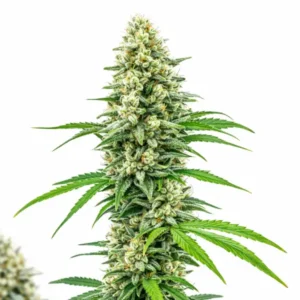
Big Bud Auto
| | THC | 23% - 24% (Medium) |
| | Lineage | Big Bud x Ruderalis |
| | Type | Autoflowering |
| | Height | 3.28 ft | 1 m |
| | Yield | Medium |
| | Yield Indoor | 1.31 - 1.64 oz/ft² | 400 - 500 g/m² |
| | Life Cycle | 8 - 9 weeks |
| | Phenotype | 70% Indica / 30% Sativa |
| | Effects | Creative, Happy, Relaxed |
| | Flavors | Floral, Fruity, Sweet |
Drying and Its Impact on Cannabinoid Biosynthesis
The drying process is one of the first major steps post-harvest that affects cannabinoid biosynthesis. During this phase, moisture is reduced from the buds, which can influence the transformation of cannabinoids. As the plant material dries, the chemical structure of cannabinoids can change, impacting their potency and effects.
Recognizing the effects of drying on cannabinoid biosynthesis is essential for growers aiming to maximize their crop’s potential. The time taken to dry cannabis can vary depending on environmental conditions and the size of the buds. For instance, larger buds from strains like Big Bud require a longer drying period to ensure even moisture reduction. This extended drying time allows for a more gradual decarboxylation process, preserving the potency of cannabinoids such as THC and CBD. Growlantis emphasizes that proper drying techniques can prevent the degradation of cannabinoids and ensure that strains like Hulkberry maintain their psychoactive properties.
Chemical Changes During Drying
As cannabis dries, the process of decarboxylation begins. This is where THCA (tetrahydrocannabinolic acid) slowly converts into THC, the compound responsible for the psychoactive effects of cannabis. The drying process also affects other cannabinoids such as CBDA into CBD. For strains like Hulkberry, known for its high THC content, proper drying is crucial to preserve its potent effects.
Furthermore, the drying process can lead to the degradation of some cannabinoids if not done correctly. Excessive heat or prolonged drying times can degrade THC into CBN (cannabinol), which has more sedative effects. Ensuring a controlled drying environment helps maintain the desired cannabinoid profile in strains like Big Bud Auto, which is valued for its balanced cannabinoid content.
Tips for Optimal Drying
To preserve the integrity of cannabinoids during drying, maintain a cool, dark environment with humidity levels around 45-55%. This helps prevent mold while allowing for a slow, gradual drying process. Hanging buds upside down in a well-ventilated room is a tried-and-true method. Growers of Big Bud, known for its high yields, should ensure that large buds are carefully spaced to allow for even drying.
Effects of Curing on Cannabinoid Profiles
Once drying is complete, the curing process begins, which further influences cannabinoid biosynthesis. Curing allows cannabinoids to stabilize and develop their full range of effects. This step is essential for enhancing the overall quality of the cannabis.
During curing, cannabinoid alteration continues as the plant material stabilizes, allowing for a richer development of flavors and effects. The process requires patience, as rushing through curing can lead to a less potent and flavorful product. Strains like Big Bud Auto benefit from a longer curing period, which helps in achieving a balanced cannabinoid profile and improved taste. For cultivators, recognizing how cannabinoid biosynthesis changes post-harvest during curing can make the difference between an average and a premium product. Growlantis recommends ensuring consistent environmental conditions throughout the curing period to facilitate the best results.
Transformations During Curing
During curing, the chemical reactions that began during drying continue to evolve. A slower curing process can result in a more robust cannabinoid profile. For example, in Hulkberry, curing can enhance its citrusy aroma and high THC potency by allowing terpenes and cannabinoids to mature fully.
Curing also helps reduce residual chlorophyll and other unwanted compounds, leading to a smoother smoking experience. For Big Bud Auto, which is often grown by those seeking a straightforward and productive cultivation process, curing is the step that can elevate its dense buds to their full potential.
Best Practices for Curing
To achieve optimal curing results, store cannabis in airtight containers, opening them periodically to release moisture and allow fresh air in a process known as burping. This helps prevent mold and allows cannabinoids to stabilize. Strains with larger buds, like Big Bud, benefit greatly from a slow cure, enhancing both flavor and effect.
Post-Harvest Storage and Cannabinoid Stability
Even after curing, the way cannabis is stored can significantly affect cannabinoid biosynthesis. Proper storage methods are essential to maintain the potency and freshness of the cannabis over time.
Recognizing how cannabinoid biosynthesis changes after harvest can guide proper storage practices, preserving the desired properties of each strain. For instance, the cannabinoid profile changes after harvest can be mitigated by adhering to specific storage techniques. For growers handling strains like Hulkberry, which are sensitive to light and temperature fluctuations, using containers that block UV light and maintain stable temperatures is crucial. Growlantis recommends regularly checking stored cannabis for any signs of degradation, ensuring that the post-harvest cannabinoid transformation remains minimal, and the product retains its intended effects and potency.
Storing Cannabis to Preserve Cannabinoids
Exposure to light, heat, and oxygen can degrade cannabinoids, leading to a loss of potency. Storing cannabis in a cool, dark place in airtight containers is crucial for preserving its cannabinoid profile. Hulkberry, with its high THC content, requires careful storage to maintain its potency and prevent degradation into less desirable compounds like CBN.
Temperature fluctuations can also impact cannabinoid stability. Keeping cannabis at a consistent temperature helps prevent these chemical changes. Big Bud Auto, with its balanced effects, retains its profile best under stable storage conditions, ensuring that the grower’s efforts in cultivation are not wasted.
Practical Storage Solutions
To optimize cannabinoid preservation, use glass jars with airtight seals and store them in a dark cupboard or closet. Avoid plastic bags or containers, as these can let in air and degrade the product over time. For strains with significant yields like Big Bud, using multiple smaller jars can help reduce the risk of contamination and ensure even long-term storage.
Real-Life Examples of Cannabinoid Changes
In practical terms, recognition of how cannabinoid biosynthesis changes post-harvest can be seen in various real-life scenarios. Each strain reacts differently based on its unique properties and the post-harvest processes applied.
Real-life examples of post-harvest cannabinoid transformation highlight the importance of tailored approaches for different strains. For instance, Hulkberry growers often report that precise drying and curing significantly enhance its psychoactive and aromatic attributes. Meanwhile, Big Bud Auto’s balanced cannabinoid content demands meticulous post-harvest procedures to preserve its well-rounded effects. By recognizing how cannabinoid biosynthesis changes post-harvest, growers can make informed decisions that directly impact the quality and consistency of their final product. Growlantis emphasizes that mastering these post-harvest processes is essential for maximizing the potential of strains like Big Bud and Hulkberry.
Hulkberry’s Potency Preservation
Hulkberry’s reputation for high THC levels makes its post-harvest treatment crucial for potency preservation. Growers often highlight the importance of precise drying and curing to maintain its intense effects. By adhering to controlled drying techniques and extended curing times, Hulkberry retains its powerful psychoactive properties, offering a highly sought-after experience.
For those growing Hulkberry, recognizing how cannabinoid biosynthesis changes post-harvest is pivotal to achieving the desired outcome. By applying the right techniques, this strain can deliver its full spectrum of effects, from its aromatic profile to its potent highs.
Big Bud Auto’s Balanced Approach
Big Bud Auto is favored for its ease of growth and balanced cannabinoid content. Its post-harvest process focuses on maintaining this balance through careful drying and curing. As an auto-flowering strain, it often appeals to new growers looking for straightforward cultivation with reliable results.
By focusing on post-harvest processes that enhance cannabinoid stability, growers can ensure Big Bud Auto delivers a predictable and satisfying experience. This strain exemplifies how recognizing cannabinoid changes post-harvest can directly impact the quality and effect of the final product.
FAQ
Why does cannabinoid biosynthesis continue after harvest?
Even after cannabis is harvested, the plant material retains active enzymes and compounds that drive ongoing chemical reactions. These reactions result in the transformation of cannabinoids, such as the conversion of THCA to THC during drying. Recognizing how cannabinoid biosynthesis changes post-harvest helps growers manage these reactions to optimize potency and effects.
For strains like Hulkberry, which are valued for their high THC content, post-harvest processes are crucial for maintaining the desired profile. By controlling drying and curing conditions, growers can influence the extent of these transformations.
What are the main factors affecting cannabinoid transformation during curing?
During curing, factors such as temperature, humidity, and air exposure play critical roles in cannabinoid transformation. A slow, controlled curing process allows for the breakdown of unwanted compounds and the stabilization of cannabinoids, enhancing flavor and potency.
Strains like Big Bud Auto benefit from careful curing, as it ensures a balanced cannabinoid profile and enhances the smoothness of the final product. Maintaining optimal conditions during curing helps achieve the best results for any strain.
How can improper storage affect cannabinoid profiles?
Improper storage can lead to the degradation of cannabinoids, resulting in a loss of potency and altered effects. Exposure to light, heat, and oxygen accelerates this degradation process, converting THC into less potent compounds like CBN.
For strains with high yields like Big Bud, proper storage in airtight containers in cool, dark places is essential to preserve their cannabinoid profile. Recognizing how cannabinoid biosynthesis changes post-harvest and adapting storage methods accordingly helps maintain quality.
Can post-harvest processes affect the flavor of cannabis?
Yes, post-harvest processes significantly impact the flavor and aroma of cannabis. The curing process, in particular, allows terpenes and cannabinoids to mature, enhancing the flavor profile. Poorly managed curing can lead to a harsh taste due to residual chlorophyll and other compounds.
For strains like Hulkberry, known for its rich aromatic profile, proper curing enhances its natural flavors, making the post-harvest process a vital step in achieving the desired sensory experience.
What are some common mistakes in drying and curing cannabis?
Common mistakes in drying include drying too quickly or using excessive heat, which can degrade cannabinoids and terpenes. In curing, frequent errors involve not burping jars enough, leading to mold growth, or curing in non-airtight containers, which affects potency.
For strains like Big Bud Auto, avoiding these mistakes ensures the final product retains its balanced effects and quality. By recognizing the nuances of how cannabinoid biosynthesis changes post-harvest, growers can avoid these pitfalls and enhance the quality of their cannabis.