

The question of how long cannabinoids last in the body is a common one among both novice enthusiasts and seasoned growers. The duration of cannabinoid effects in the body can vary widely, influenced by multiple factors such as the type of cannabinoid, individual metabolism, and the specific strain consumed. Whether you’re exploring cannabis for medicinal purposes or recreational enjoyment, recognizing these nuances can enhance your experience.
For example, Super OG Kush, a robust strain from Growlantis, is known for its potent THC levels and long-lasting effects, making it a popular choice among those seeking prolonged relief or relaxation. In contrast, strains like White Widow Weed offer a balanced cannabinoid profile that might appeal to users looking for a more moderate experience. Runtz Auto, with its autoflowering characteristics, provides a convenient growing option without compromising on the quality of effects.
Recommended Strains
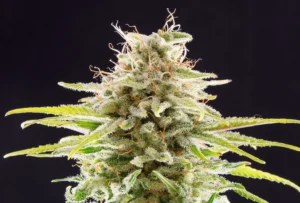
Super OG Kush
 | THC | 22% - 23% (Medium) |
 | Lineage | Lemon Thai x Hindu Kush x Black Domina |
 | Type | Feminized |
 | Height | 4.43 ft | 1.35 m |
 | Yield | High |
 | Yield Indoor | 1.97 oz/ft² | 600 g/m² |
 | Yield Outdoor | 28.22 oz/plant | 800 g/plant |
 | Flowering Time | 8 - 9 weeks |
 | Phenotype | 70% Indica / 30% Sativa |
 | Effects | Relaxed |
 | Flavors | Fruity, Spicy, Earthy |
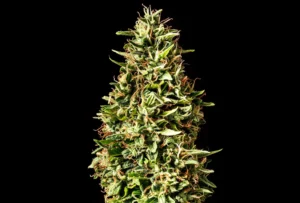
Runtz Auto
| | THC | 26% - 27% (High) |
| | Lineage | Gelato x Zkittlez x Ruderalis |
| | Type | Autoflowering |
| | Height | 7.05 ft | 2.15 m |
| | Yield | Medium |
| | Yield Indoor | 1.47 - 1.64 oz/ft² | 450 - 500 g/m² |
| | Yield Outdoor | 3.53 - 5.29 oz/plant | 100 - 150 g/plant |
| | Life Cycle | 8 - 9 weeks |
| | Phenotype | 50% Indica / 50% Sativa |
| | Effects | Balanced |
| | Flavors | Earthy, Floral, Sweet |
Each cannabinoid, from THC to CBD, interacts with the body differently. While THC is notorious for its psychoactive effects, CBD is often sought after for therapeutic benefits without the high. These cannabinoids are processed and retained in the body for varying lengths of time, which is crucial knowledge for both personal monitoring and compliance with local regulations.
Factors Influencing How Long Cannabinoids Last
The duration that cannabinoids remain in your system can be affected by several factors. Personal physiology plays a crucial role, as does the method of consumption and frequency of use. Let’s delve into these aspects to better understand their impact.
Additionally, the specific strain consumed can significantly affect how long cannabinoids last in the body. For example, the high THC content in Super OG Kush can lead to longer-lasting effects compared to the more balanced profile of White Widow Weed. Runtz Auto, with its consistent cannabinoid content, provides a predictable experience that can be crucial for those managing their intake for medical or lifestyle reasons. Recognizing these nuances helps consumers make more informed choices about their cannabis use, especially when considering how long cannabinoids last in varying circumstances.
Individual Metabolism
Metabolism of cannabinoids in humans can differ significantly from one person to another. Those with a faster metabolism might find that cannabinoids exit their system more quickly. Age, weight, and even genetic factors can influence metabolic rates, affecting how long THC effects last in the system.
For example, a younger individual with an active lifestyle might metabolize cannabinoids faster than an older, less active person. This variability underscores the importance of recognizing one’s own body when estimating cannabinoid duration.
Frequency and Method of Use
The frequency with which you consume cannabis can significantly impact how long cannabinoids last in your body. Regular users may experience a build-up of cannabinoids, leading to a longer detection time. Conversely, infrequent users may process and eliminate cannabinoids more rapidly.
The method of consumption also plays a pivotal role. Inhalation typically results in quicker onset and shorter duration, while edibles take longer to process, often resulting in prolonged effects. For instance, those opting for Super OG Kush in edible form might find its effects lingering much longer compared to smoking.
Specific Cannabinoid Profiles
Different strains have distinct cannabinoid profiles that affect how long they last. THC and CBD are the most well-known, but each strain’s unique combination of cannabinoids and terpenes can influence duration. White Widow Weed, for example, offers a balanced THC/CBD ratio, leading to a more moderate duration of effects.
Recognizing the specific characteristics of your chosen strain can help set realistic expectations for how long its effects might last. Runtz Auto, with its autoflowering nature, ensures rapid growth cycles but also delivers a consistent cannabinoid profile that experienced growers value.
The Science Behind Cannabinoid Metabolism
Cannabinoids undergo a complex journey once they enter the body. This process, known as metabolism, involves various phases where cannabinoids are broken down and eventually excreted. Recognizing this process is key to comprehending how long these compounds remain active in our system.
Moreover, different cannabinoids follow distinct metabolic pathways, which can affect how long they last in the body. For instance, THC from Super OG Kush is metabolized into several compounds, including 11-hydroxy-THC, which can prolong its psychoactive effects. On the other hand, CBD, when consumed from strains like Runtz Auto, follows a different pathway that often leads to shorter durations without the high. These metabolic differences are crucial for users aiming to tailor their experiences, whether seeking therapeutic benefits or recreational enjoyment.
Absorption and Distribution
Upon consumption, cannabinoids are absorbed into the bloodstream and distributed throughout the body. The rate of absorption can vary based on the method of intake, with inhaled cannabinoids entering the bloodstream more rapidly than those ingested.
The distribution phase includes the transport of cannabinoids to different tissues, where they interact with the body’s endocannabinoid system. This interaction is responsible for the effects experienced by users, such as the psychoactive high from THC or the calming influence of CBD.
Metabolic Breakdown
The breakdown of cannabinoids occurs primarily in the liver, where enzymes convert them into metabolites. These metabolites can be active or inactive, influencing the overall duration of effects. THC, for instance, is metabolized into 11-hydroxy-THC, an active metabolite contributing to prolonged psychoactive effects.
Recognizing the metabolic pathway is crucial, especially for strains like Super OG Kush, which are prized for their high THC content. This knowledge helps users anticipate the duration of effects and plan their consumption accordingly.
Excretion and Detection
Once metabolized, cannabinoids and their metabolites are excreted from the body through urine, feces, and other bodily fluids. The cannabinoid detection time in urine can vary, influenced by individual factors and consumption patterns.
Regular consumers of strains like White Widow Weed or Runtz Auto may find cannabinoids detectable in their system for weeks, while occasional users might clear them in a few days. Being aware of these timelines is important for those subject to drug testing or concerned about residual cannabinoid presence.
Practical Tips for Managing Cannabinoid Duration
Whether you’re a casual user or a dedicated grower, managing the duration of cannabinoid effects can be vital to optimizing your cannabis experience. Here are some practical tips to help you make informed decisions.
Another effective strategy for managing how long cannabinoids last is to keep a personal log of your consumption habits and their outcomes. By recording the strains used, such as Super OG Kush or White Widow Weed, alongside the method of consumption and duration of effects, you can identify patterns that inform future choices. This record can help you find the optimal balance between immediate satisfaction and prolonged effects, ensuring that your cannabis use aligns with your lifestyle and needs. Additionally, this practice can be particularly beneficial for those using cannabis for medical purposes, offering a clearer recognition of how different strains affect your body over time.
Choosing the Right Strain
Selecting a strain that aligns with your desired effect duration is key. Super OG Kush, known for its potent and long-lasting effects, might be ideal for a relaxing evening or as a sleep aid. In contrast, White Widow Weed offers a balanced experience that can be suitable for daytime use without overwhelming intensity.
Runtz Auto provides a unique balance with its autoflowering trait, ensuring quick harvests and consistent effects. Recognizing each strain’s characteristics can aid in achieving the desired duration and intensity of effects.
Adjusting Consumption Methods
The method of consumption can be tailored to control how long cannabinoids last. For a shorter, more intense experience, inhalation might be preferred. Edibles, on the other hand, can offer prolonged effects suitable for sustained relief or recreational use.
Experimenting with different methods using strains like Super OG Kush or Runtz Auto can help determine what works best for you. Keeping track of experiences with different consumption methods can provide valuable insights into managing cannabinoid duration effectively.
Monitoring and Adjusting Frequency
Frequent use can lead to an accumulation of cannabinoids, extending their duration in your system. Consider moderating consumption to manage tolerance and prevent prolonged effects.
By alternating between strains like White Widow Weed and Runtz Auto, users can maintain a balanced cannabinoid intake while enjoying varied experiences. This approach can help in managing both the duration and intensity of effects over time.

Common Questions About Cannabinoid Duration
How long do cannabinoids last in the body?
The duration cannabinoids remain in the body varies based on several factors, including the specific cannabinoid, method of consumption, and individual metabolism. For example, THC from strains like Super OG Kush might linger longer due to its potency. Generally, cannabinoids can be detectable in the system from a few days to several weeks.
Individual factors, such as metabolism and frequency of use, play significant roles. Infrequent users might clear cannabinoids faster than regular consumers, especially when accounting for the high THC levels in potent strains.
What affects the duration of cannabinoid effects in the body?
Several factors influence how long cannabinoids affect the body. These include the method of consumption (e.g., inhalation vs. edibles), the strain’s cannabinoid profile, and individual factors like metabolism and body composition. Strains like White Widow Weed, with balanced THC/CBD levels, might offer moderate durations compared to more potent options.
Recognizing these variables can help users tailor their cannabis experiences to their preferences, choosing the right strain and consumption method for their needs.
How long do THC effects last in the system?
The effects of THC can vary in duration based on the method of consumption and the individual’s metabolic rate. Inhaled THC, such as from smoking or vaping Super OG Kush, typically produces effects lasting a few hours. Edibles, however, can lead to effects that persist for six to eight hours or more.
For regular users, THC might be detectable for longer periods due to accumulation in the body. Being aware of these timelines is essential, especially in contexts where drug testing is a concern.
How long does CBD stay in the bloodstream?
CBD, unlike THC, does not cause psychoactive effects but its duration in the bloodstream can vary. Typically, CBD can stay in the system for two to five days, though this can be influenced by dosage, frequency of use, and individual metabolism.
Strains like Runtz Auto, known for their consistent CBD profiles, offer users a reliable option for managing the duration of CBD effects. Monitoring consumption and adjusting as needed can optimize the therapeutic benefits of CBD.
What is the cannabinoid detection time in urine?
The detection time for cannabinoids in urine depends on several factors, including usage frequency and individual metabolism. Regular users may find cannabinoids detectable for up to a month, while occasional users might clear them within a week.
Strains with high THC levels, such as Super OG Kush, might result in longer detection times. Recognizing these timelines is crucial for those undergoing drug testing or monitoring their cannabinoid intake for personal or legal reasons.