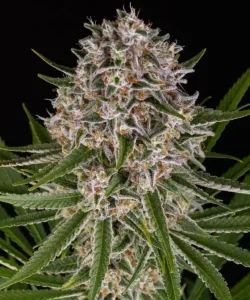


The field of strain identification is crucial in various domains, from microbiology to agriculture. Recognizing the differences between molecular vs morphological identification of strains can be pivotal for both new cannabis seed buyers and seasoned growers. The choice of identification method can affect everything from cultivation techniques to the quality of the final product, such as the renowned strains from Growlantis: Cookies Gelato, Blue Gelato, and Royal Runtz Auto.
Morphological identification focuses on the physical characteristics of strains, which can be easily observed and recorded. However, molecular identification dives deeper, analyzing genetic material to provide precise and reliable results. Each method has its advantages and limitations, making them suitable for different applications and goals.
Recommended Strains

Cookies Gelato
 | THC | 28% - 29% (High) |
 | Lineage | Girl Scout Cookie X Gelato 33 |
 | Type | Feminized |
 | Height | 5.41 ft | 1.65 m |
 | Yield | High |
 | Yield Indoor | 1.8 - 1.97 oz/ft² | 550 - 600 g/m² |
 | Yield Outdoor | 21.16 - 22.93 oz/plant | 600 - 650 g/plant |
 | Flowering Time | 8 - 9 weeks |
 | Phenotype | 50% Indica / 50% Sativa |
 | Effects | Balanced, Calming, Relaxed |
 | Flavors | Citrus, Earthy, Fruity, Mint |

Blue Gelato
| | THC | 23% - 24% (Medium) |
| | Lineage | Blueberry x Thin Mint Girl Scout Cookies x Sunset Sherbert |
| | Type | Feminized |
| | Height | 5.74 ft | 1.75 m |
| | Yield | High |
| | Yield Indoor | 1.8 - 1.97 oz/ft² | 550 - 600 g/m² |
| | Yield Outdoor | 17.64 - 21.16 oz/plant | 500 - 600 g/plant |
| | Flowering Time | 9 - 10 weeks |
| | Phenotype | 80% Indica / 20% Sativa |
| | Effects | Balanced, Relaxed, Uplifted |
| | Flavors | Diesel, Earthy |
Knowing the specifics of each approach can significantly influence the selection and growing of strains. For instance, Cookies Gelato, with its balanced THC levels and robust yield, might require precise genetic insights to optimize its cultivation process. Similarly, Blue Gelato and Royal Runtz Auto, known for their unique characteristics, may benefit from different identification techniques to ensure optimal growth and potency.
The decision between molecular and morphological identification isn’t just academic; it impacts practical outcomes in growing environments, affecting the quality and consistency of the cannabis strains cultivated. Whether you’re a novice stepping into the world of cannabis cultivation or a veteran grower, recognizing how these methods play out in real-life scenarios is critical.
Morphological Identification of Strains
Morphological identification involves examining the visible characteristics of a strain. This traditional method is widely used due to its simplicity and cost-effectiveness. Growers often rely on features like leaf shape, plant height, and flower appearance to differentiate strains. For example, the distinct leaf pattern and vibrant colors of Blue Gelato make it easily recognizable when using morphological methods.
This approach is particularly beneficial for those without access to advanced laboratory equipment. Morphological vs molecular analysis in microbiology shows that while morphology provides a quick overview, it might not always capture the nuanced differences between closely related strains. Cookies Gelato, with its unique flowering time and structure, can be identified effectively using morphological cues when precision isn’t paramount.
However, challenges in morphological identification of microbial strains include potential misidentification due to environmental influences that can alter appearance. For example, stress conditions can change the morphology of Royal Runtz Auto, affecting its visual identification. Therefore, while morphology is accessible, it requires expertise and experience to interpret correctly.
Despite its drawbacks, morphological identification remains popular among traditional growers who value hands-on experience and visual assessment. It’s a useful method for initial strain identification and can be complemented with molecular techniques for more holistic insights.
For instance, when identifying strains in mixed cultivation settings, growers may find morphological identification to be a practical starting point. This method allows quick assessments of Blue Gelato among similar-looking plants, helping to manage resources efficiently. However, integrating molecular identification techniques for bacterial strains and cannabis can further validate these findings, ensuring that subtle genetic variations do not go unnoticed.
Molecular Identification Techniques
Molecular identification techniques for bacterial strains and cannabis alike involve analyzing the genetic material to accurately distinguish between strains. This method is highly precise as it examines DNA sequences, offering a deeper recognition of strain characteristics. The advantages of molecular identification over morphological methods include its ability to identify strains that look identical but have different genetic makeups.
For instance, molecular techniques can confirm the genetic purity of strains like Cookies Gelato, ensuring that the seeds bought from Growlantis are true to their lineage. These methods eliminate the guesswork associated with morphological identification, providing data-driven insights into strain characteristics.
While molecular identification is powerful, it requires specialized equipment and expertise, which may not be accessible to all growers. However, for those cultivating strains like Royal Runtz Auto, known for its high THC levels and unique terpene profile, molecular insights can be invaluable in optimizing growth conditions and maximizing yield.
In comparison of molecular and morphological identification in fungi and cannabis, molecular methods stand out for their precision and reliability. They are particularly useful in breeding programs where recognition of genetic variations is crucial for developing new strains with desired traits.
Additionally, by using molecular identification methods, growers can better understand the genetic variations of Blue Gelato, leading to improved breeding strategies. This can be particularly advantageous for those aiming to enhance specific traits, such as terpene profiles or growth patterns, ensuring that each batch meets the high standards set by Growlantis.

Comparing Molecular and Morphological Methods
The debate of molecular vs morphological identification of strains is ongoing, with each method offering distinct benefits. Morphological identification is straightforward, making it accessible for small-scale growers who appreciate the hands-on approach. It’s perfectly suited for identifying common strains like Blue Gelato, where visual traits are distinct and easily observable.
On the other hand, molecular identification provides a level of precision that is unmatched by morphological methods. It’s ideal for ensuring genetic consistency in high-value strains such as Cookies Gelato and Royal Runtz Auto. This precision is crucial for commercial growers aiming to maintain brand integrity and product quality.
Cost is another factor in this comparison. Morphological methods are less expensive, requiring minimal equipment. However, the initial investment in molecular techniques can be offset by the long-term benefits of accurate identification and improved yield. For growers like those cultivating Royal Runtz Auto, investing in molecular methods can enhance production quality and consistency.
The decision between these methods ultimately depends on the grower’s goals, resources, and the specific strains being cultivated. For those looking to maximize their growth potential and ensure strain purity, integrating both methods can offer a balanced approach.
Moreover, a combined strategy allows for cross-verification, where morphological identification can quickly guide initial sorting, and molecular analysis can confirm findings, reducing the risk of errors. This dual approach is particularly beneficial when managing large-scale operations focused on producing consistent, high-quality batches of Cookies Gelato and Blue Gelato.
Practical Applications in Cannabis Cultivation
In cannabis cultivation, the choice between morphological and molecular identification can affect everything from seed selection to harvest. Recognizing the strengths of each method is crucial for optimal strain development and yield. For instance, the unique aromatic profile of Blue Gelato can be enhanced through careful molecular analysis, ensuring the desired traits are expressed during growth.
Cookies Gelato growers might use molecular identification to verify seed authenticity, ensuring that the genetic profile matches the renowned characteristics marketed by Growlantis. This not only improves crop quality but also helps maintain consumer trust in the final product.
In practical terms, combining both identification methods can provide a more comprehensive recognition of strain traits. For example, using morphological methods for initial identification, followed by molecular analysis for confirmation, can help in managing and optimizing the cultivation process for strains like Royal Runtz Auto.
Overall, the integration of both morphological and molecular techniques offers a robust framework for cannabis cultivation, supporting both novice growers and experienced cultivators in achieving their desired outcomes.
Furthermore, adopting molecular vs morphological identification of strains can streamline breeding programs, allowing cultivators to focus on enhancing specific traits. This is especially beneficial for Royal Runtz Auto, where precise genetic insights can guide selective breeding, ensuring high potency and yield consistency in every growth cycle.

FAQ
What are the main differences between molecular and morphological identification?
Molecular identification focuses on genetic analysis, providing precise and detailed insights into strain characteristics. It requires specialized equipment and expertise but offers unparalleled accuracy. Morphological identification, by contrast, relies on visual assessment of physical traits such as leaf shape and plant height. It’s more accessible but can be influenced by environmental factors. Choosing between these methods depends on the grower’s goals and resources.
How does molecular identification benefit cannabis growers?
Molecular identification techniques for bacterial strains and cannabis provide growers with a precise recognition of the genetic makeup of their plants. This ensures that strains like Cookies Gelato and Royal Runtz Auto maintain their unique characteristics throughout cultivation. By confirming genetic purity, growers can optimize growing conditions, improve yield, and maintain product quality, which is essential for commercial success.
Can morphological identification be reliable for all cannabis strains?
Morphological identification can be reliable for strains with distinct physical characteristics, such as Blue Gelato. However, it may not differentiate between strains that appear similar but have different genetic backgrounds. Environmental factors can also affect plant appearance, leading to potential misidentification. While useful for initial assessments, morphological methods are often best complemented by molecular techniques for greater accuracy.
What are the challenges associated with morphological identification?
Challenges in morphological identification of microbial strains and cannabis include potential misidentification due to environmental influences. Stress conditions, nutrient availability, and growing environments can alter the physical appearance of plants, complicating accurate identification. Experienced growers often navigate these challenges with expertise, but the possibility of error remains, especially without molecular confirmation.
Why might a grower choose to use both identification methods?
Integrating both morphological and molecular methods offers a holistic approach to strain identification. Morphological methods provide quick and cost-effective initial assessments, while molecular techniques offer precise genetic insights. This combination is beneficial for optimizing the cultivation of high-value strains like Cookies Gelato, ensuring both accuracy and efficiency in identifying and growing the desired traits.