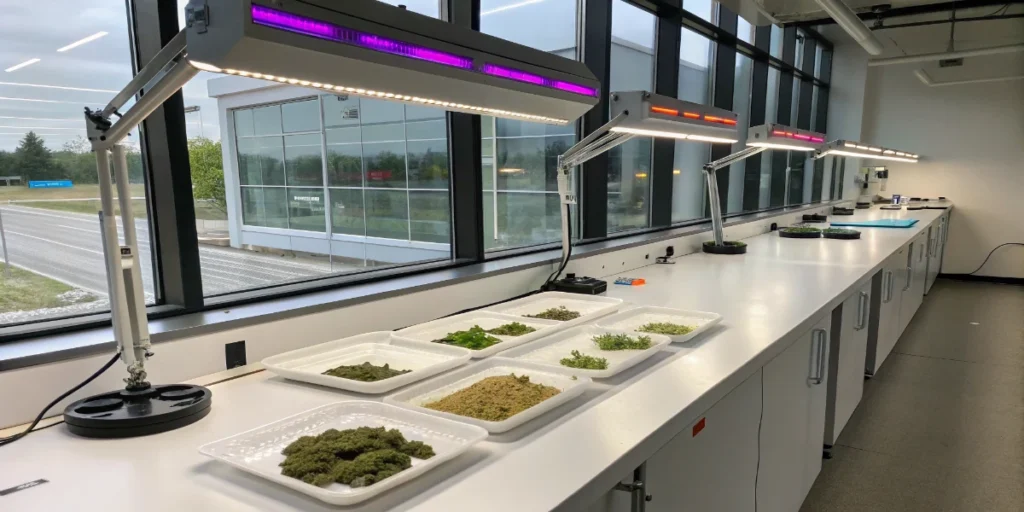

When cultivating cannabis, recognizing how light affects the plant’s compounds is crucial. The rate of THC degradation under different light spectra can significantly impact the potency and quality of your harvest. Whether you’re a first-time grower or a seasoned cultivator, knowing the right light can make all the difference. Let’s delve into how various light types affect THC levels, using examples from Growlantis’ strains like Bruce Banner 3 Auto, Bruce Banner Fast Blooming, and Blue Gelato.
THC, or tetrahydrocannabinol, is the compound responsible for cannabis’s psychoactive effects. However, its stability can be compromised by exposure to different light spectra. Each spectrum, from UV to LED and natural sunlight, interacts uniquely with cannabis plants, influencing the rate of THC degradation.
Recommended Strains
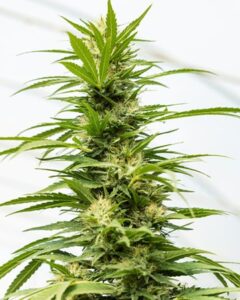
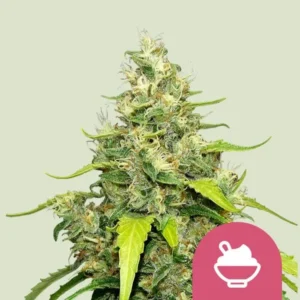
Bruce Banner 3 Autoflower
 | THC | 24% - 25% (High) |
 | Lineage | (OG Kush x Strawberry Diesel) x Ruderalis |
 | Type | Autoflowering |
 | Height | 3.94 ft | 1.2 m |
 | Yield | High |
 | Yield Indoor | 1.64 oz/ft² | 500 g/m² |
 | Yield Outdoor | 28.22 oz/plant | 800 g/plant |
 | Life Cycle | 8 - 10 weeks |
 | Phenotype | 30% Indica / 70% Sativa |
 | Effects | Euphoric, Happy, Relaxed |
 | Flavors | Diesel, Fruity, Sweet |
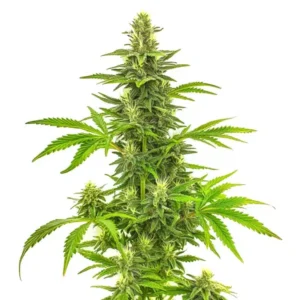
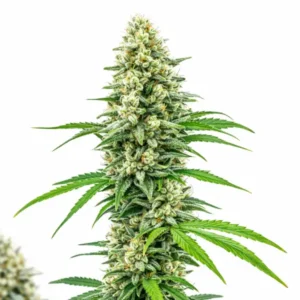
Bruce Banner Fast Blooming
| | THC | 19% - 23% (Medium) |
| | Lineage | Bruce Banner #3 x Secret Hybrid |
| | Type | Fast Flowering |
| | Height | 4.92 ft | 1.5 m |
| | Yield | Medium |
| | Yield Indoor | 1.31 - 1.64 oz/ft² | 400 - 500 g/m² |
| | Yield Outdoor | 21.16 - 24.69 oz/plant | 600 - 700 g/plant |
| | Flowering Time | 8 - 10 weeks |
| | Phenotype | 50% Indica / 50% Sativa |
 | Medical | Depression, Insomnia, Muscle Spasms |
| | Effects | Happy, Relaxed, Talkative |
| | Flavors | Diesel, Earthy, Sweet |
For instance, Growlantis’ Bruce Banner 3 Auto is known for its robust THC levels and rapid growth cycle. But even this resilient strain can experience THC breakdown under certain lighting conditions. Similarly, Bruce Banner Fast Blooming, admired for its quick flowering and potent effects, can see variations in THC content if exposed to harsh light. Blue Gelato, with its distinct flavor profile and balanced THC levels, also requires careful light management to maintain its quality.
Recognizing the rate of THC degradation under different light spectra helps growers optimize their cultivation environment, ensuring maximum potency and yield. Let’s examine how specific light types influence this process.
Impact of UV Light on THC Degradation Rate
UV light has a profound effect on the rate of THC degradation. While UV light can enhance certain plant characteristics, it can also accelerate THC breakdown if not managed properly. Growlantis’ Bruce Banner 3 Auto, known for its high THC content, needs protection from excessive UV exposure to preserve its potency.
Alongside protective measures, recognition of the specific wavelengths of UV light that contribute most to THC degradation rate under UV light is crucial. For instance, UV-B light is particularly notorious for breaking down THC molecules. This knowledge allows growers to tailor their lighting setups, using UV filters or selecting UV lights with controlled emission of UV-B, to minimize the effect of light spectrum on THC degradation. This approach is particularly beneficial for maintaining the desired THC levels in strains like Bruce Banner Fast Blooming and Blue Gelato, ensuring that their unique characteristics are preserved.
THC Degradation Rate Under UV Light
Exposure to UV light increases the rate of THC degradation by breaking down the chemical structure of THC molecules. This can lead to reduced potency over time. Growers using UV supplementation should be cautious and monitor exposure times to prevent loss of THC content.
For example, Bruce Banner Fast Blooming thrives under controlled UV conditions, where brief exposure can enhance resin production without degrading THC levels. Adjusting UV exposure can help maintain the plant’s potency and quality.
Protective Measures Against UV-Induced Degradation
To protect strains like Blue Gelato from UV-induced THC loss, implementing shade cloths or UV filters can be effective. These measures help in controlling the light spectrum that reaches the plants, reducing the rate of THC degradation.
Monitoring the duration and intensity of UV exposure is essential. Using UV meters can provide accurate readings, allowing growers to make informed decisions about light management.
LED Spectrum and Its Effect on THC Breakdown
LED lights offer a tailored spectrum, making them popular among indoor growers. However, the THC breakdown in LED spectrum varies depending on the light’s quality and spectrum range. Strains like Bruce Banner 3 Auto can benefit from LED lighting with the right adjustments.
Recognizing the nuances of the LED spectrum is vital for optimizing cannabis THC stability under fluorescent light indoors. Specific wavelengths, such as red and blue, play a critical role in plant growth and THC retention. By adjusting these wavelengths, growers can enhance photosynthesis while minimizing the rate of THC degradation under different light spectra. This balance is crucial for strains like Blue Gelato, which require precise light conditions to maintain their exceptional flavor and potency. Regular calibration and monitoring of LED systems ensure that the light spectrum is aligned with the specific needs of each strain, promoting optimal growth and THC preservation.
Optimizing LED Light for THC Stability
LED lights can be adjusted to emit specific wavelengths that support cannabis growth while minimizing THC degradation. By selecting full-spectrum LEDs, growers can simulate natural sunlight, providing a balanced environment for strains like Blue Gelato.
Bruce Banner Fast Blooming, with its rapid growth cycle, benefits from the consistency and control that LED lights provide. Ensuring that the spectrum includes both red and blue wavelengths can optimize THC retention and enhance overall plant health.
Challenges of Using LED Lights
While LEDs are energy-efficient, improper use can lead to THC degradation. Overexposure to certain wavelengths may hasten the breakdown process. Growers should calibrate their LED systems to match the specific needs of each strain.
Monitoring light intensity and spectrum regularly ensures that strains like Bruce Banner 3 Auto maintain their high THC levels. Adjustments can be made based on plant response, ensuring optimal conditions for growth and potency.
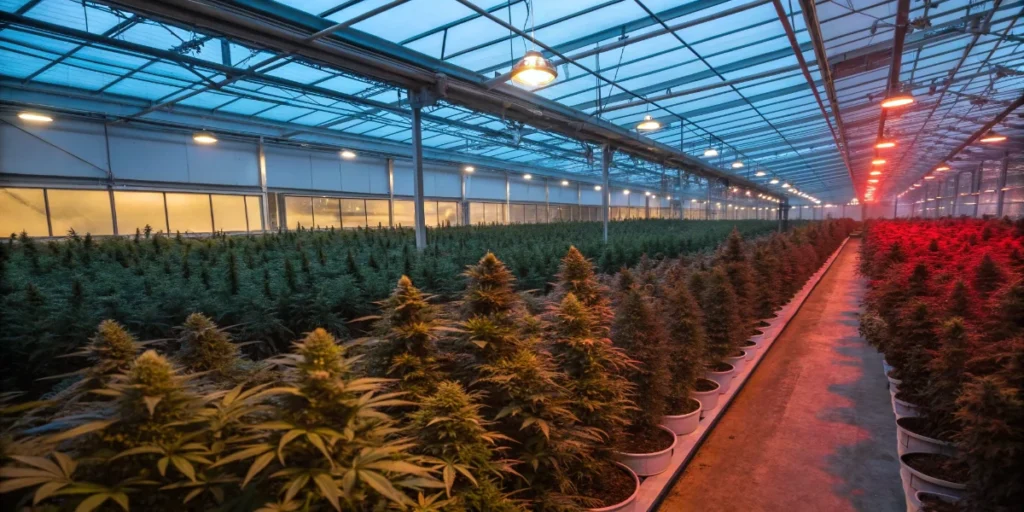
THC Stability Under Fluorescent Light
Fluorescent lights, commonly used for seedlings and clones, have a unique impact on THC stability. Their broader spectrum can support early growth stages but may not be ideal for flowering periods.
To maximize cannabis THC stability under fluorescent light, growers must strategically incorporate these lights during specific growth phases. The gentle nature of fluorescent lights is ideal for nurturing seedlings, such as Blue Gelato, ensuring robust root development and healthy initial growth. As plants transition to the flowering stage, the rate of THC degradation under different light spectra becomes more pronounced, necessitating a shift to more intense lighting solutions. By recognizing the limitations and advantages of fluorescent lights, cultivators can effectively manage the growth cycle of strains like Bruce Banner Fast Blooming, optimizing both yield and potency.
Benefits of Fluorescent Light in Early Stages
Fluorescent lights provide a soft, diffused spectrum that encourages healthy seedling and clone development. For instance, Blue Gelato can thrive under fluorescent lighting during its early stages, establishing a strong foundation for later growth.
Using fluorescent lights strategically can reduce the rate of THC degradation during initial growth phases, preparing plants for more intense lighting as they mature.
Limitations During Flowering Stage
During flowering, fluorescent lights may not provide the intensity needed to sustain THC levels. For strains like Bruce Banner Fast Blooming, transitioning to more intense lighting is crucial to prevent THC loss.
Supplementing fluorescent lights with additional light sources during flowering can help maintain potency. This approach ensures that THC degradation is minimized, preserving the quality of the harvest.
Natural Sunlight and THC Loss Rate
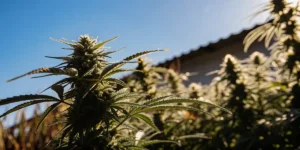
Natural sunlight provides a broad spectrum, but its intensity can fluctuate, affecting THC levels. Outdoor growers must consider these variations to optimize their cultivation practices.
Managing the rate of THC loss in natural sunlight involves careful planning and execution. For outdoor growers cultivating Bruce Banner 3 Auto, positioning plants to maximize morning sun while minimizing exposure during peak afternoon intensity can help preserve THC content. The use of natural barriers, such as tall vegetation or artificial shading, further aids in controlling light exposure. By recognizing how the effect of light spectrum on THC degradation varies throughout the day, cultivators can adapt their practices to maintain consistent potency and quality, safeguarding their investment in strains like Blue Gelato.
Advantages of Growing Under Natural Sunlight
Natural sunlight offers a full spectrum that supports robust plant growth. Strains like Bruce Banner 3 Auto can benefit from the energy-efficient and cost-effective nature of sunlight. However, managing exposure is essential to prevent THC degradation.
Strategic planting and the use of natural barriers can help mitigate the rate of THC loss in natural sunlight. This approach allows growers to harness the benefits of sunlight while protecting their plants.
Challenges of Sunlight Exposure
Excessive sunlight can increase the rate of THC degradation, particularly during peak hours. Monitoring sun exposure and using shading techniques can help maintain the integrity of strains like Blue Gelato.
Outdoor growers must adapt to environmental changes, ensuring that their plants receive optimal light without compromising THC stability. This balance is key to successful outdoor cultivation.
FAQ
How does UV light affect the rate of THC degradation?
UV light can significantly impact the rate of THC degradation by breaking down the chemical structure of THC molecules. While brief exposure can enhance resin production in some strains, prolonged UV exposure can lead to reduced potency. Managing UV exposure with protective measures like shade cloths or UV filters can help mitigate this effect.
Why are LED lights recommended for indoor cannabis cultivation?
LED lights are favored for indoor cultivation due to their energy efficiency and adjustable spectrum. They allow growers to tailor the light environment to specific plant needs, helping maintain THC stability. By simulating natural sunlight with full-spectrum LEDs, cultivators can optimize growth conditions for strains like Bruce Banner 3 Auto and Blue Gelato.
Can fluorescent lights be used throughout the cannabis growth cycle?
While fluorescent lights are excellent for seedlings and clones due to their soft, diffused spectrum, they may not provide the intensity required during the flowering stage. To prevent THC degradation in strains like Bruce Banner Fast Blooming, it’s advisable to transition to more intense lighting during later growth stages.
What are the benefits of natural sunlight for cannabis growth?
Natural sunlight offers a full spectrum that supports robust plant growth, making it energy-efficient and cost-effective. Strains like Bruce Banner 3 Auto thrive under sunlight, but managing exposure is crucial to prevent THC degradation. Employing strategic planting and shading techniques can optimize sunlight use while protecting plant potency.
How can growers minimize THC degradation across different light spectra?
Minimizing THC degradation involves recognizing the effects of various light spectra and adjusting cultivation practices accordingly. For UV light, protective measures are essential. With LED lights, calibrating the spectrum to the plant’s needs helps maintain THC levels. Fluorescent lights should be used strategically, and natural sunlight exposure should be managed to balance growth and THC stability.