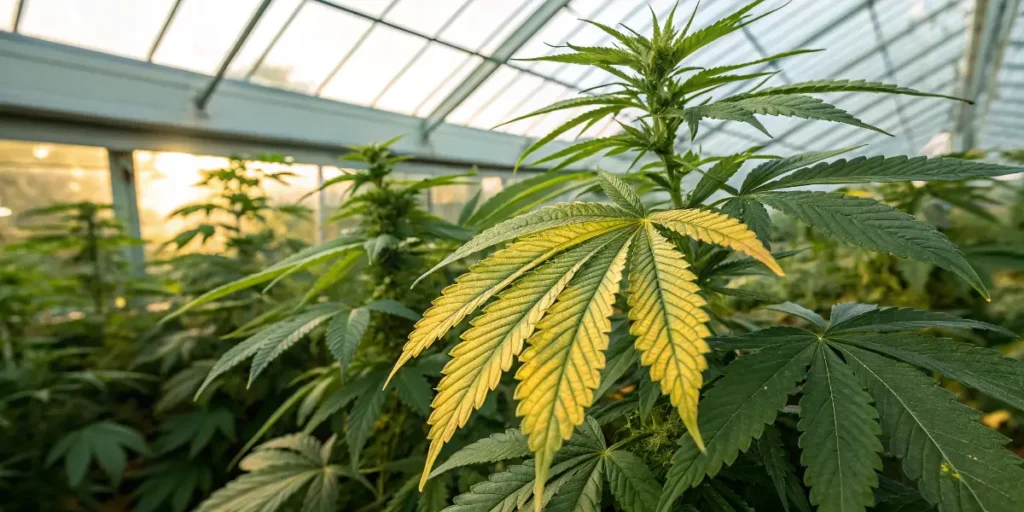

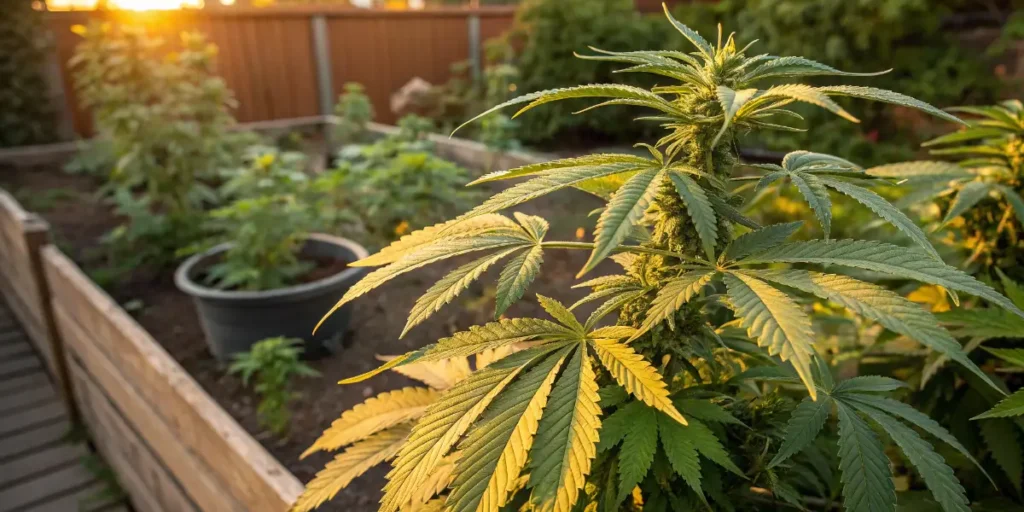
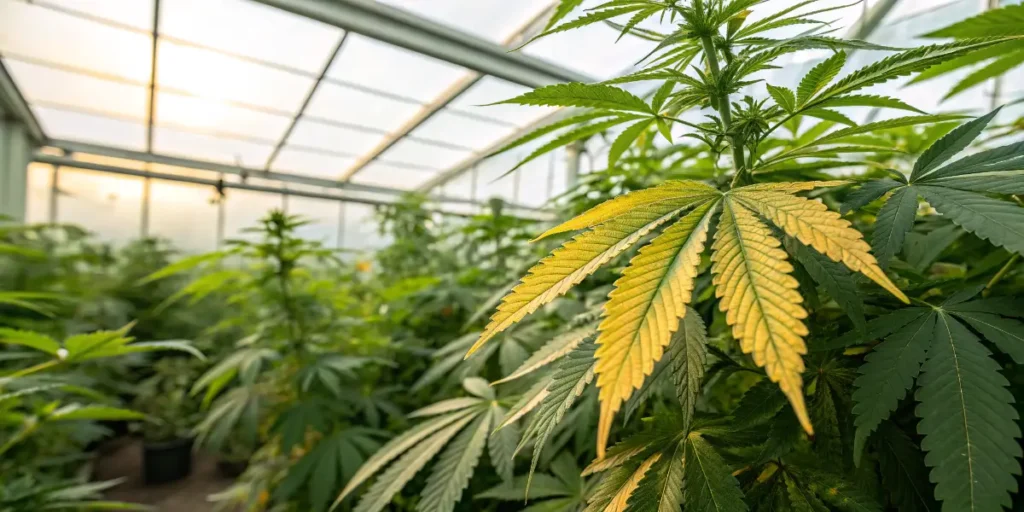
Chlorosis in marijuana plants is an issue that many growers encounter, and it manifests as the yellowing of plant leaves. This problem can significantly affect the health and yield of your crops if not addressed promptly. In this guide, we will delve into the symptoms of chlorosis in marijuana plants, how to identify them, and what you can do to remedy the situation.
The yellowing leaves in cannabis plants are a clear indication of chlorosis, but determining the underlying cause is crucial for effective treatment. Chlorosis can result from various factors, including nutrient deficiencies, environmental stressors, or even pests. To ensure your marijuana plants, such as the popular strains from Growlantis, thrive, it’s essential to diagnose chlorosis accurately and take appropriate action.
Recommended Strains
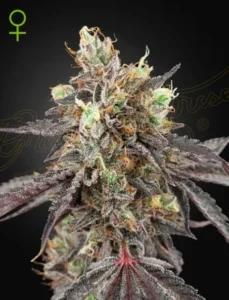
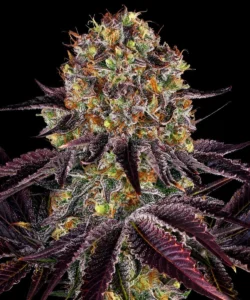
Gelato 41 X Gelato 41 Auto

|
THC | 20% - 21% (Medium) |

|
Lineage | Gelato 41 x Gelato 41 Auto |

|
Type | Autoflowering |

|
Height | 3.77 ft | 1.15 m |

|
Yield Outdoor | 2.82 oz/plant | 80 g/plant |

|
Life Cycle | 9 - 10 weeks |

|
Phenotype | 70% Indica / 30% Sativa |

|
Effects | Euphoric, Relaxed |

|
Flavors | Citrus, Diesel, Grape |
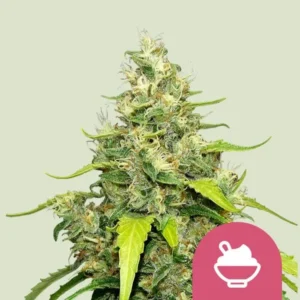
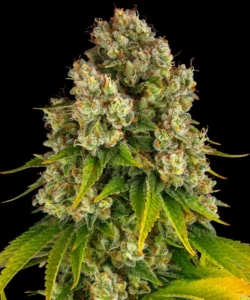
Blue Gelato
|
|
THC | 23% - 24% (High) |
|
|
Lineage | Blueberry x Thin Mint Girl Scout Cookies x Sunset Sherbert |
|
|
Type | Feminized |
|
|
Height | 5.74 ft | 1.75 m |

|
Yield | High |

|
Yield Indoor | 1.8 - 1.97 oz/ft² | 550 - 600 g/m² |
|
|
Yield Outdoor | 17.64 - 21.16 oz/plant | 500 - 600 g/plant |
|
|
Flowering Time | 9 - 10 weeks |
|
|
Phenotype | 80% Indica / 20% Sativa |
|
|
Effects | Balanced, Relaxed, Uplifted |
|
|
Flavors | Diesel, Earthy |
Diagnosing chlorosis in weed plants involves identifying the specific symptoms and their relation to different deficiencies or imbalances. For instance, iron deficiency in marijuana cultivation often leads to yellowing between the veins of the leaves, while a lack of nitrogen might cause a more general discoloration. Recognizing these nuances can help you tailor your approach to each situation, ensuring healthy and productive plants.
Among the strains offered by Growlantis, Gelato 41 X Gelato 41 Auto is known for its resilience and might be less prone to chlorosis if grown under optimal conditions. However, even the hardiest strains can suffer if nutrient imbalance signs in cannabis are ignored. Let’s review the specific symptoms of chlorosis and how to address them effectively.
Common Causes of Chlorosis in Marijuana Plants
Recognizing the common causes can help you prevent chlorosis in your marijuana plants. Various factors contribute to this condition, and addressing them can lead to healthier plants and better yields.
Alongside nutrient deficiencies and pH imbalances, environmental factors such as poor soil quality or inadequate light can exacerbate the symptoms of chlorosis in marijuana plants. Strains like Blue Gelato require well-draining soil to prevent root rot, which can mimic the signs of chlorosis. It’s essential to ensure that your growing medium is not only nutrient-rich but also provides the right drainage and aeration. Regularly rotating your plants to ensure even light distribution can also minimize stress, thereby reducing the likelihood of yellowing leaves in cannabis plants. By maintaining these optimal conditions, you can foster a more resilient growing environment for your crops.
Nutrient Deficiencies
Nutrient deficiencies are a leading cause of chlorosis. Marijuana plants require a balanced diet of nutrients, including nitrogen, phosphorus, potassium, and essential micronutrients like iron and magnesium. A lack of these nutrients can result in yellowing leaves, indicating your plants are struggling.
For example, iron deficiency in marijuana cultivation is a frequent cause of chlorosis. Iron is essential for chlorophyll production, and without it, your plants cannot photosynthesize efficiently. To correct this, you can use iron chelates or foliar sprays to provide an immediate source of iron to the affected plants.
pH Imbalance
The pH level of your growing medium significantly affects nutrient uptake. Marijuana plants prefer a slightly acidic environment, with a pH of 6.0 to 7.0. If the pH is too high or too low, it can lock out essential nutrients, leading to chlorosis.
To prevent pH-related chlorosis, regularly check the pH of your soil or hydroponic solution. Adjustments can be made using pH up or down products, ensuring your plants can access all necessary nutrients.
Watering Practices
Improper watering practices can also lead to chlorosis. Overwatering can suffocate the roots, while underwatering can stress the plant, both leading to yellowing leaves. It’s essential to maintain a consistent watering schedule tailored to your specific strain and growing conditions.
Strains like Blue Gelato from Growlantis are known for their robust growth and can tolerate minor fluctuations in watering. However, consistent care is crucial to prevent chlorosis and ensure optimal growth.
Identifying Chlorosis in Different Cannabis Strains
Different cannabis strains can exhibit varying symptoms of chlorosis due to their unique genetic makeup. Knowing how these strains respond can help you tailor your care practices effectively.
When diagnosing chlorosis in weed plants, it is crucial to consider the genetic predisposition of each strain to specific nutrient needs or environmental conditions. For instance, Gelato 41 X Gelato 41 Auto, with its shorter life cycle, may exhibit more pronounced symptoms of chlorosis if nutrient imbalances are not addressed swiftly. Analyzing these genetic nuances can make the difference in how effectively you manage nutrient solutions and environmental controls. Regularly monitoring these factors and adjusting them to each strain’s requirements can prevent marijuana plant leaf discoloration causes and ensure a healthy, productive yield.
Gelato 41 X Gelato 41 Auto
Gelato 41 X Gelato 41 Auto is a favorite among growers for its potency and resilience. This strain can show chlorosis through yellowing leaves, especially if the soil is lacking essential nutrients. Regular monitoring and adjusting nutrient levels can help manage these symptoms effectively.
This strain’s auto-flowering nature means it has a shorter life cycle, so addressing chlorosis quickly is crucial to ensure it reaches its full potential. Providing a balanced nutrient solution can help maintain the plant’s health and maximize yield.
Blue Gelato
Blue Gelato is another robust strain from Growlantis that can exhibit symptoms of chlorosis if not cared for properly. This strain requires a well-balanced nutrient profile to prevent leaf discoloration causes such as nitrogen deficiency.
Blue Gelato is known for its vibrant colors and high yield, making it a prized choice among growers. Ensuring it receives the right amount of nutrients and pH-balanced water can prevent chlorosis and enhance its natural beauty.
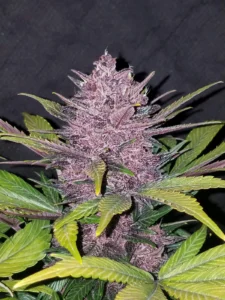
Runtz X Layer Cake
Runtz X Layer Cake is a potent strain that can be sensitive to nutrient imbalances, making it susceptible to chlorosis. Symptoms in this strain can include yellowing between veins or at the tips of leaves, often due to magnesium or iron deficiencies.
To keep Runtz X Layer Cake thriving, regular soil tests and nutrient adjustments are recommended. This approach ensures the plant has all it needs to produce its characteristic dense buds and high THC levels.
Practical Steps to Prevent Chlorosis
Preventing chlorosis involves proactive measures that keep your marijuana plants healthy and thriving. Implementing these strategies can help you avoid the onset of chlorosis and improve overall plant vitality.
Integrating preventative measures such as routine soil assessments and strategic nutrient management can significantly reduce the symptoms of chlorosis in marijuana plants. For example, utilizing slow-release fertilizers can provide a consistent nutrient supply, helping to maintain the health of strains like Runtz X Layer Cake. Additionally, employing preventative foliar sprays can offer a safeguard against emerging deficiencies, ensuring that your plants remain resilient against environmental stressors. Keeping a detailed log of environmental conditions and nutrient regimens can further aid in identifying patterns that may lead to chlorosis, allowing for timely interventions and adjustments.
Regular Nutrient Monitoring
One of the most effective ways to prevent chlorosis is by regularly monitoring nutrient levels. Use soil tests or hydroponic nutrient solutions to ensure your plants receive a balanced diet. This practice helps in early detection of deficiencies, allowing you to correct them before they cause significant damage.
For strains like Gelato 41 X Gelato 41 Auto, which have a shorter growth cycle, timely nutrient monitoring is crucial. This ensures the plants develop properly and produce high-quality flowers.
Maintain Optimal Growing Conditions
Creating an ideal growing environment helps prevent chlorosis. Ensure your plants receive adequate light, temperature, and humidity levels. Adjust these factors based on the specific needs of your strain to promote healthy growth.
Blue Gelato, for instance, thrives in a well-ventilated space with consistent temperature and humidity. Maintaining these conditions can prevent stress-related chlorosis, leading to a bountiful harvest.
Proper Watering Techniques
Adopting proper watering techniques is vital in preventing chlorosis. Overwatering and underwatering are common mistakes that can lead to nutrient imbalances and yellowing leaves. Establish a regular watering schedule that considers the plant’s growth stage and environmental conditions.
Runtz X Layer Cake, with its sensitivity to nutrient fluctuations, benefits greatly from consistent watering practices. Ensuring the roots have access to both air and water promotes healthy growth and minimizes the risk of chlorosis.
Corrective Measures for Chlorosis
If chlorosis has already set in, swift action is necessary to restore plant health. Implementing corrective measures can reverse the symptoms and improve your plants’ overall condition.
To address the symptoms of chlorosis in marijuana plants effectively, a multifaceted approach is often required. This includes not only adjusting nutrient levels but also enhancing overall growing conditions to support recovery. For example, increasing light exposure can boost the photosynthetic efficiency of strains like Blue Gelato, aiding in their recovery. Additionally, incorporating organic soil amendments can improve soil health, leading to better nutrient uptake and overall plant vitality. By combining these corrective measures with ongoing monitoring, you can significantly enhance the resilience and productivity of your cannabis plants.
Adjusting Nutrient Levels
Once you’ve identified the nutrient causing chlorosis, adjusting your feeding regimen is crucial. Add supplements or adjust your nutrient solution to provide the missing elements. For instance, if iron deficiency is diagnosed, use chelated iron products to replenish your plants.
Gelato 41 X Gelato 41 Auto may require different nutrient adjustments depending on its growth stage. Regularly reassessing and modifying nutrient levels ensures this strain remains healthy and productive.
Soil Amendments
Amending your soil can improve nutrient availability and pH levels, which are critical in preventing and correcting chlorosis. Adding organic matter or specific soil conditioners can enhance the soil’s structure and nutrient-holding capacity.
For Blue Gelato, soil amendments can help maintain its vibrant color and robust growth. Regularly incorporating organic fertilizers can provide a steady nutrient supply, preventing deficiencies that lead to chlorosis.
Foliar Feeding
Foliar feeding is an effective way to quickly address nutrient deficiencies. By applying nutrient solutions directly to the leaves, you can provide immediate relief to plants suffering from chlorosis. This method is particularly useful for correcting micronutrient deficiencies.
Runtz X Layer Cake can benefit from foliar feeding during critical growth phases. This approach ensures the plant receives the necessary nutrients without delay, promoting healthy development and preventing leaf discoloration.
FAQ Section
What are the initial signs of chlorosis in marijuana plants?
The initial signs of chlorosis typically include yellowing leaves, starting at the tips and spreading towards the veins. This yellowing is a clear indication of nutrient deficiencies or imbalances. It’s important to address these symptoms early by assessing your plant’s nutrient intake and environmental conditions.
Early intervention, such as checking soil pH and nutrient levels, can prevent further damage and promote recovery. Regular monitoring of your plants can help catch these signs early, ensuring a healthy and productive crop.
How can I prevent yellowing leaves in cannabis plants?
Preventing yellowing leaves involves maintaining a balanced nutrient profile and optimal growing conditions. Regularly test your soil or hydroponic solution to ensure your plants are receiving the necessary nutrients. Adjust your feeding schedule based on the specific needs of your strain to avoid deficiencies.
Additionally, maintaining proper watering and pH levels can prevent nutrient lockout, a common cause of leaf yellowing. Proactive care and attention to your plants’ needs can significantly reduce the risk of chlorosis.
Can environmental factors cause chlorosis in marijuana plants?
Yes, environmental factors such as light, temperature, and humidity can contribute to chlorosis. Inadequate lighting can hinder photosynthesis, while extreme temperatures and humidity levels can stress the plants, leading to nutrient imbalances and yellowing leaves.
Creating a stable and suitable growing environment is essential to prevent environmental stressors from causing chlorosis. Regularly monitor these factors and make adjustments as necessary to support your plants’ health.
Are some cannabis strains more resistant to chlorosis than others?
Some cannabis strains, like Gelato 41 X Gelato 41 Auto, may display more resilience to chlorosis due to their genetic makeup. These strains can tolerate minor nutrient fluctuations without significant stress. However, all strains require proper care and attention to prevent chlorosis.
Addressing the specific needs of your chosen strain can help you provide the best possible care, reducing the risk of chlorosis and ensuring a successful harvest.
What is the best way to correct nutrient imbalance signs in cannabis?
Correcting nutrient imbalance signs in cannabis involves first identifying the specific deficiency or excess. Conduct soil tests and evaluate your nutrient solution to pinpoint the issue. Adjust your feeding regimen to address the imbalance, whether it requires adding nutrients or flushing out excesses.
For immediate relief, consider foliar feeding to deliver nutrients directly to the affected leaves. This method can quickly alleviate symptoms while you adjust the overall nutrient balance for long-term health.