
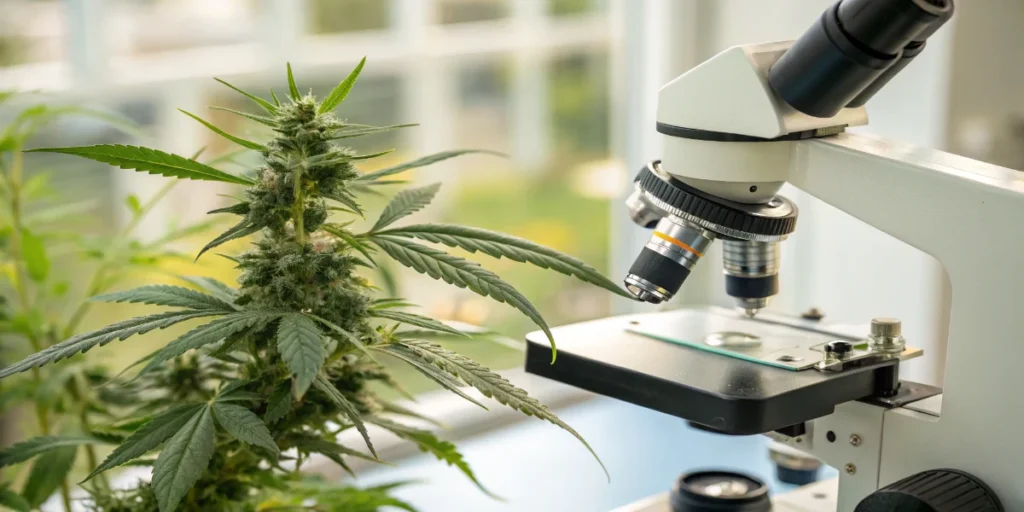

DNA barcoding is revolutionizing the way we classify and understand cannabis. By using short genetic sequences from a standardized portion of the genome, DNA barcoding offers an accurate and efficient method for identifying and categorizing cannabis species. This technique is particularly valuable for both first-time cannabis seed buyers and seasoned growers, as it provides clarity and ensures authenticity in a market flooded with diverse strains and hybrids.
For example, DNA barcoding can distinguish between strains like Pink Runtz Auto, Blue Gelato 41, and Cookies Gelato Auto from Growlantis. Each of these strains has unique characteristics that can be accurately identified and authenticated through genetic markers. This level of precision helps growers optimize their cultivation strategies and ensures consumers receive the exact product they desire.
Recommended Strains

Pink Runtz Auto
 | THC | 20% - 24% (Medium) |
 | Lineage | Gelato x Zkittlez x Ruderalis |
 | Type | Autoflowering |
 | Height | 3.94 ft | 1.2 m |
 | Yield | Medium |
 | Yield Indoor | 1.31 - 1.64 oz/ft² | 400 - 500 g/m² |
 | Yield Outdoor | 4.23 - 5.29 oz/plant | 120 - 150 g/plant |
 | Life Cycle | 8 - 10 weeks |
 | Phenotype | 50% Indica / 50% Sativa |
 | Medical | Fatigue, Muscle Spasms, Stress |
 | Effects | Energetic, Euphoric, Uplifted |
 | Flavors | Cherry, Fruity, Sour, Sweet |

Blue Gelato 41
| | THC | 26% - 27% (High) |
| | Lineage | Blueberry x Thin Mint Girl Scout Cookies x Sunset Sherbert |
| | Type | Feminized |
| | Height | 13.12 ft | 4 m |
| | Yield Outdoor | 88.19 - 105.82 oz/plant | 2500 - 3000 g/plant |
| | Flowering Time | 9 - 10 weeks |
| | Phenotype | 60% Indica / 40% Sativa |
| | Effects | Focused, Energetic, Creative |
| | Flavors | Sweet, Earthy, Citrus |
By simplifying the complex web of cannabis genetics through molecular techniques for cannabis classification, DNA barcoding aids in preserving the integrity of strains and enhances the overall recognition of cannabis taxonomy. Whether you’re interested in the high THC levels of Pink Runtz Auto, the balanced profile of Blue Gelato 41, or the autoflowering convenience of Cookies Gelato Auto, DNA barcoding applications in cannabis studies provide the insights needed for informed decisions.
Recognizing DNA Barcoding in Cannabis Taxonomy
DNA barcoding involves using a specific region of the DNA to identify and classify species. In cannabis taxonomy, this method serves as a reliable tool to overcome the limitations posed by traditional morphological classification. The use of genetic markers in cannabis taxonomy research has paved the way for a more scientific approach to identifying and differentiating cannabis strains.
For instance, the strain Pink Runtz Auto can be identified through its unique genetic code. Known for its high THC content and rapid flowering time, this strain benefits from DNA barcoding as it ensures growers and consumers are receiving the authentic product. This precision is crucial in a market where strain misidentification can lead to inconsistent results.
Moreover, advancements in cannabis DNA barcoding methods have facilitated the identification of hybrid strains such as Blue Gelato 41. This strain is celebrated for its balanced THC and CBD levels and is often used by growers seeking a versatile plant. DNA barcoding ensures the purity and authenticity of Blue Gelato 41, providing peace of mind to cultivators and users alike.
With the growing importance of DNA barcoding in cannabis taxonomy, researchers are continuously exploring new markers that can offer even more precise identification. These efforts are particularly beneficial in distinguishing complex hybrids like Cookies Gelato Auto, where subtle genetic variations can impact growth patterns and product quality. By refining these molecular techniques for cannabis classification, the industry is moving towards a future where genetic mislabeling becomes a thing of the past, enhancing both consumer trust and scientific understanding.
Genetic Markers and Their Importance in Cannabis Studies
Role of Genetic Markers
Genetic markers are specific sequences in the genome that can be used to identify differences between species or strains. In cannabis taxonomy, these markers are essential for distinguishing between closely related strains. By utilizing molecular techniques for cannabis classification, researchers can pinpoint the exact genetic makeup of a strain, ensuring accurate identification.
The Cookies Gelato Auto strain, renowned for its autoflowering capabilities and potent effects, showcases the importance of genetic markers. By analyzing its genetic profile, researchers and growers can confirm its authenticity and optimize growing conditions for maximum yield. This level of precision is particularly beneficial for those new to cannabis cultivation, as it reduces the guesswork involved in strain selection and care.
Applications in Research
DNA barcoding applications in cannabis studies extend beyond simple identification. Researchers use these techniques to study the evolution, diversity, and genetic relationships of cannabis strains. This research contributes to a deeper recognition of cannabis biology and can lead to the development of new strains with desired traits.
For example, by examining the genetic markers of Pink Runtz Auto, researchers can analyze potential improvements in yield and resistance to pests. This information not only benefits commercial growers but also enhances the overall quality and consistency of cannabis products available to consumers.
As the field progresses, the integration of DNA barcoding cannabis species identification into breeding programs is becoming more prevalent. This approach allows breeders to select parent strains like Blue Gelato 41 with specific genetic traits, ensuring that new cultivars inherit desirable characteristics. Such precision breeding, backed by robust genetic data, has the potential to revolutionize strain development, making it possible to create plants with tailored effects and improved resilience against environmental challenges.

Practical Applications for Growers and Consumers
For cannabis growers, DNA barcoding offers a reliable method to verify the authenticity of seeds and plants. This verification is crucial for maintaining the quality and consistency of crops, especially for strains like Blue Gelato 41 and Cookies Gelato Auto, where specific traits are highly sought after. By ensuring genetic purity, growers can maximize their investment and produce plants that meet market expectations.
Consumers also benefit from the precision provided by DNA barcoding. With the assurance that they are purchasing genuine strains, consumers can make informed choices based on their preferences for THC levels, flowering times, and growth characteristics. Whether seeking the fast-flowering nature of Pink Runtz Auto or the balanced effects of Blue Gelato 41, DNA barcoding enhances transparency and trust in the cannabis market.
As DNA barcoding becomes more integrated into cannabis commerce, both growers and consumers can expect improved access to detailed strain information. For instance, growers cultivating Cookies Gelato Auto can utilize this technology to fine-tune nutrient regimes and environmental conditions, optimizing plant health and yield. Similarly, consumers can rely on verified strain profiles to select products that align with their desired experiences, fostering greater satisfaction and loyalty in the rapidly evolving cannabis industry.
Challenges and Future Directions in Cannabis DNA Barcoding
Current Challenges
Despite its advantages, DNA barcoding in cannabis taxonomy faces several challenges. One major obstacle is the need for extensive databases that contain holistic genetic information about various strains. Without these databases, the accuracy and reliability of DNA barcoding can be compromised.
Additionally, the cost of genetic testing and the technical expertise required pose barriers for small-scale growers and consumers. As the technology becomes more accessible and affordable, these challenges may diminish, paving the way for widespread adoption of DNA barcoding in the cannabis industry.
Future Developments
Future advancements in cannabis DNA barcoding methods hold the potential to further revolutionize the industry. As research continues, we can expect more sophisticated techniques that offer even greater precision and ease of use. These developments will likely lead to the creation of new strains with enhanced characteristics, tailored to specific consumer needs and environmental conditions.
For example, innovations could enable the development of strains like Cookies Gelato Auto with improved resistance to environmental stressors, enhancing their viability in diverse growing conditions. As the technology evolves, both growers and consumers will benefit from the increased accuracy and variety offered by DNA barcoding.
The future of DNA barcoding in cannabis taxonomy may also involve integrating artificial intelligence and machine learning to analyze genetic data more efficiently. Such technologies could predict the success of breeding programs and cultivation strategies, particularly for complex hybrids like Pink Runtz Auto. By anticipating outcomes based on genetic profiles, growers can make data-driven decisions that optimize yields and quality, ultimately setting new standards for cannabis cultivation and product development.
Frequently Asked Questions
What is DNA barcoding and how is it used in cannabis taxonomy?
DNA barcoding is a method that uses a specific section of DNA to identify and classify species. In cannabis taxonomy, it provides a precise way to differentiate between strains by analyzing genetic markers. This technique is particularly useful for ensuring the authenticity and purity of cannabis strains.
By using DNA barcoding, growers and consumers can confidently identify strains like Pink Runtz Auto, Blue Gelato 41, and Cookies Gelato Auto, each with their unique characteristics. This identification helps maintain consistency and quality in the cannabis industry.
How do genetic markers assist in cannabis strain identification?
Genetic markers are specific DNA sequences that can highlight differences between strains. In cannabis taxonomy, these markers are crucial for distinguishing between closely related strains, ensuring accurate classification and identification.
For instance, the unique genetic markers of Blue Gelato 41 help verify its balanced THC and CBD levels, while Cookies Gelato Auto can be identified by its autoflowering traits. This precision aids growers in selecting the right strains for their needs.
What are the benefits of DNA barcoding for cannabis consumers?
DNA barcoding offers several benefits for cannabis consumers, including the assurance of purchasing authentic strains. This accuracy allows consumers to make informed decisions based on specific preferences for effects, potency, and growth characteristics.
Knowing that a strain like Pink Runtz Auto is genuine helps consumers trust the product’s high THC levels and rapid flowering time, enhancing their overall experience and satisfaction.
What challenges does DNA barcoding face in the cannabis industry?
One of the main challenges facing DNA barcoding in cannabis is the need for holistic genetic databases. Without these, the accuracy of identification can be limited. Additionally, the cost and technical expertise required for genetic testing can be barriers for smaller growers and consumers.
As the technology becomes more accessible and databases expand, these challenges are expected to decrease, leading to wider adoption of DNA barcoding in the industry.
How might future advancements in DNA barcoding impact cannabis cultivation?
Future advancements in DNA barcoding are likely to enhance the precision and ease of strain identification, benefiting both growers and consumers. These developments may lead to the creation of new strains with improved traits, such as increased resistance to environmental stressors.
For example, innovations could result in strains like Cookies Gelato Auto being optimized for diverse growing conditions, providing growers with more options and improving overall crop success.