
Cannabinoid stability research is a cornerstone in recognizing how cannabis products maintain their efficacy over time. For both first-time cannabis seed buyers and experienced growers, knowing how cannabinoids degrade and what affects their stability is crucial. This knowledge ensures that you are getting the most out of your cannabis strains, whether you’re cultivating Green Gelato Auto, Bruce Banner 3 Auto, or Runtz Auto from Growlantis.
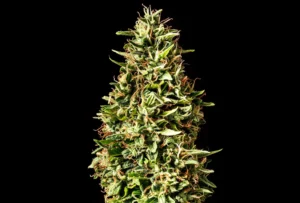
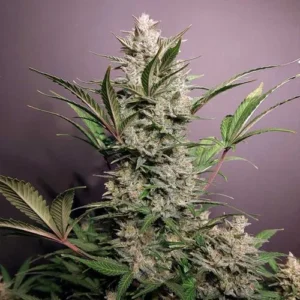
Green Gelato Auto, known for its rich THC content and sweet aroma, is a favorite among growers who seek a quick flowering time and high yield. Its cannabinoid stability is essential, as any loss in potency can affect its renowned high. Similarly, Bruce Banner 3 Auto is celebrated for its robust growth and potent effects, making it vital to understand how environmental factors might impact its stability. Runtz Auto, with its balanced THC and CBD levels, offers a unique profile that requires careful consideration of its long-term cannabinoid stability.
Recommended Strains

Green Gelato Auto
 | THC | 23% - 24% (Medium) |
 | Lineage | Green Gelato x Cookies Auto |
 | Type | Autoflowering |
 | Height | 3.61 ft | 1.1 m |
 | Yield | Medium |
 | Yield Indoor | 1.23 - 1.47 oz/ft² | 375 - 450 g/m² |
 | Yield Outdoor | 3.53 - 6.17 oz/plant | 100 - 175 g/plant |
 | Life Cycle | 7 - 8 weeks |
 | Phenotype | 40% Indica / 55% Sativa / 5% Ruderalis |
 | Effects | Focused, Relaxed |
 | Flavors | Candy, Earthy, Fruity |

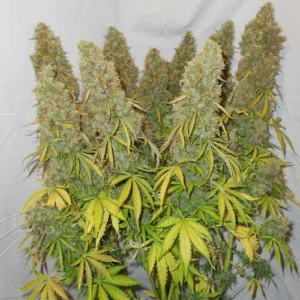
Bruce Banner 3 Autoflower
| | THC | 24% - 25% (High) |
| | Lineage | (OG Kush x Strawberry Diesel) x Ruderalis |
| | Type | Autoflowering |
| | Height | 3.94 ft | 1.2 m |
| | Yield | High |
| | Yield Indoor | 1.64 oz/ft² | 500 g/m² |
| | Yield Outdoor | 28.22 oz/plant | 800 g/plant |
| | Life Cycle | 8 - 10 weeks |
| | Phenotype | 30% Indica / 70% Sativa |
| | Effects | Euphoric, Happy, Relaxed |
| | Flavors | Diesel, Fruity, Sweet |
By focusing on research insights, growers can optimize their storage and cultivation practices, ensuring that their cannabis retains its potency and flavor. Recognizing the environmental impact on cannabinoid stability and utilizing cannabinoid degradation pathways analysis can lead to better product longevity and satisfaction.
Factors Influencing Cannabinoid Stability
Several factors influence cannabinoid stability, including light, temperature, air exposure, and humidity. Each of these environmental conditions affects how cannabinoids break down over time, impacting both the quality and potency of cannabis products. Recognizing these factors allows growers to mitigate potential losses in cannabinoid content.
Additionally, the genetic makeup of each strain can play a significant role in its cannabinoid stability. For instance, the dense trichomes of Green Gelato Auto may offer some natural protection against environmental stressors, whereas the robust structure of Bruce Banner 3 Auto could help it withstand temperature fluctuations better. Runtz Auto’s balanced cannabinoid profile may necessitate a more tailored approach to storage, ensuring both THC and CBD levels remain consistent. Recognizing these inherent characteristics can further guide growers in optimizing their cultivation and storage strategies.
Light Exposure
Light exposure is one of the most significant factors in cannabinoid degradation. Ultraviolet (UV) rays can break down cannabinoids, reducing their effectiveness. To preserve the stability of strains like Green Gelato Auto, it’s essential to store cannabis in dark, opaque containers that block UV light. This practice helps maintain the strain’s rich THC levels and sweet aroma.
Using light-proof jars or containers and keeping them in dark places can significantly extend the cannabinoid shelf-life. This method is widely applicable to all strains, including Bruce Banner 3 Auto and Runtz Auto, ensuring that they retain their potency for longer periods.
Temperature Control
Temperature fluctuations can also lead to cannabinoid instability. High temperatures accelerate the degradation process, while cooler temperatures can preserve cannabinoid content. For strains like Bruce Banner 3 Auto, known for its potency, maintaining a consistent, cool temperature is key to preserving its effects.
Storing cannabis in a cool, dry place is advisable. Refrigerators can be used, but be wary of humidity levels, which can introduce mold. By controlling temperature, growers can ensure the long-term cannabinoid stability of their crops, safeguarding against potency loss.
Cannabinoid Degradation Pathways Analysis
Cannabinoid degradation pathways analysis involves studying how cannabinoids break down into other compounds over time. This research is critical for recognizing the shelf-life and effectiveness of cannabis products. By examining these pathways, we can identify which conditions are most detrimental to cannabinoid stability.
Comprehending the degradation pathways also opens avenues for enhancing cannabinoid stability through innovative techniques. For example, encapsulation methods might be developed to slow down the degradation in strains like Runtz Auto, which requires careful balance between THC and CBD. By integrating findings from cannabinoid stability research, growers can experiment with new preservation methods, potentially extending the shelf-life and efficacy of their products. Such advancements not only benefit individual growers but also enhance the overall quality standards within the cannabis industry.
Oxidation Processes
Oxidation is a common degradation pathway where cannabinoids react with oxygen, leading to a loss in potency. For a strain like Runtz Auto, which balances THC and CBD, preventing oxidation is crucial to maintaining its therapeutic effects.
To minimize oxidation, it’s important to store cannabis in airtight containers. Vacuum sealing can be an effective method to prevent air exposure, thereby preserving cannabinoid content. This technique is especially useful for long-term storage, ensuring that strains maintain their intended effects.
Environmental Impact on Cannabinoid Stability
Environmental conditions such as humidity and air quality play a significant role in cannabinoid stability. High humidity can promote mold growth, while dry conditions can lead to brittle, less potent products. Recognizing these impacts allows growers to adjust their storage solutions accordingly.
Monitoring environmental conditions with tools like hygrometers can help maintain ideal storage environments. For strains like Green Gelato Auto, maintaining stable humidity levels ensures that its sweet, aromatic profile remains intact, providing a consistent experience for users.
Long-term Cannabinoid Stability Studies
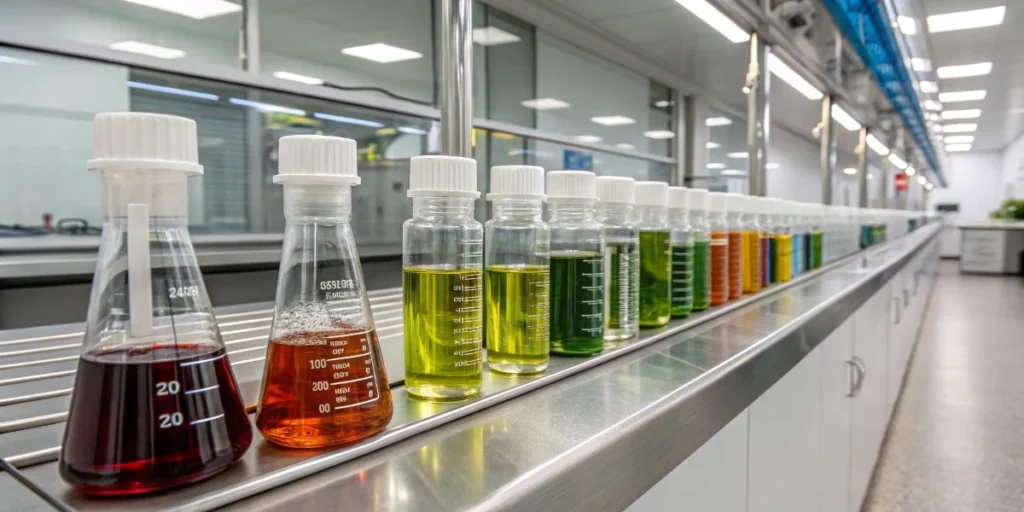
Long-term cannabinoid stability studies focus on how cannabinoids retain their potency and efficacy over extended periods. Such studies are vital for growers who wish to ensure that their cannabis remains effective for months or even years after harvest.
These studies often reveal that different strains may have varying resilience to environmental stressors over time. For example, Bruce Banner 3 Auto, with its robust genetic profile, might demonstrate superior stability under fluctuating conditions compared to other strains. In contrast, Runtz Auto might require more controlled environments to maintain its cannabinoid balance. By leveraging the findings from long-term cannabinoid stability research, growers can tailor their cultivation and storage approaches to fit the specific needs of each strain, ensuring maximum efficacy and satisfaction.
Storage Techniques
Effective storage techniques are a result of long-term studies, showing how different methods can extend cannabinoid shelf-life. For instance, using vacuum-sealed bags or nitrogen-flushed containers can significantly reduce degradation rates.
These techniques are applicable to all strains, including Bruce Banner 3 Auto, ensuring that its potent effects are preserved. By investing in proper storage solutions, growers can confidently store their cannabis, knowing it will remain potent and effective over time.
Cannabinoid Stability in Pharmaceutical Formulations
Cannabinoid stability isn’t just important for recreational cannabis; it’s crucial in pharmaceutical formulations where precision and efficacy are paramount. Ensuring that cannabinoids retain their stability in these formulations is essential for consistent patient outcomes.
Research in this area often informs best practices for home growers, providing insights into how cannabinoids can be preserved in various forms. For strains like Runtz Auto, recognizing pharmaceutical storage methods can help maintain its therapeutic balance of THC and CBD.
Cannabinoid Shelf-life Determination Methods
Determining the shelf-life of cannabis products involves recognizing how various factors influence cannabinoid degradation. Methods such as high-performance liquid chromatography (HPLC) are often used to measure cannabinoid levels over time, providing insights into their stability.
Advancements in analytical techniques now allow for even more precise assessments of cannabinoid stability, offering growers the ability to fine-tune their storage conditions. By regularly applying these methods, growers can track the degradation rates of strains like Green Gelato Auto and Bruce Banner 3 Auto under different conditions. This data-driven approach empowers them to make informed decisions to prolong the shelf-life and maintain the quality of their products, ultimately enhancing consumer satisfaction and product reliability.
Analytical Techniques
Analytical techniques like HPLC allow for precise measurement of cannabinoids, helping growers determine the optimal storage conditions for their strains. These techniques can reveal how quickly cannabinoids degrade under different conditions, offering actionable insights.
For Green Gelato Auto, employing these techniques can ensure that its high THC levels are preserved, providing a reliable and potent experience for users. Regular testing helps maintain quality and ensures that cannabis products deliver as expected.
Practical Tips for Maximizing Shelf-life
Practical tips for maximizing cannabinoid shelf-life include using airtight, UV-resistant containers, storing cannabis in cool environments, and regularly testing cannabinoid levels. These measures help maintain the desired effects and quality of products.
For all strains, including Bruce Banner 3 Auto and Runtz Auto, these practices ensure that cannabis remains potent, flavorful, and effective. By implementing these strategies, growers can extend the usability of their products, enhancing their value and reliability.
Frequently Asked Questions
What is cannabinoid stability research?
Cannabinoid stability research examines how cannabinoids retain their potency and effectiveness over time. This research identifies factors that influence degradation, such as light, temperature, and oxidation, providing insights into how to store and preserve cannabis products effectively.
Recognizing cannabinoid stability is crucial for growers and users alike, ensuring that cannabis products deliver their intended effects. For strains like Green Gelato Auto, Bruce Banner 3 Auto, and Runtz Auto, maintaining stability ensures they remain potent and enjoyable.
How does light affect cannabinoid stability?
Light, particularly UV rays, can significantly degrade cannabinoids, leading to reduced potency. Exposure to light accelerates the breakdown of cannabinoids, diminishing their effects and quality. To protect cannabis products, storing them in dark, opaque containers is recommended.
This is especially important for strains like Green Gelato Auto, where maintaining high THC levels is essential. By limiting light exposure, growers can preserve the strain’s potency and aromatic profile, ensuring a satisfying experience.
What are some practical storage tips for cannabis?
Practical storage tips for cannabis include using airtight, UV-resistant containers, maintaining a stable, cool temperature, and avoiding humidity fluctuations. These practices help preserve cannabinoid content and prevent degradation over time.
For strains from Growlantis such as Bruce Banner 3 Auto and Runtz Auto, these storage methods ensure that their unique characteristics and effects are retained. Regularly checking storage conditions can further enhance their longevity and potency.
Why is temperature control important for cannabinoid stability?
Temperature control is crucial for maintaining cannabinoid stability, as high temperatures can accelerate degradation, while cooler temperatures preserve potency. Consistent temperature regulation helps prevent the breakdown of cannabinoids, ensuring long-term effectiveness.
For example, Bruce Banner 3 Auto benefits from being stored in a cool, dry place, as this maintains its powerful effects and robust growth characteristics. By controlling temperature, growers can maximize the shelf-life and quality of their cannabis products.
How do analytical techniques help in cannabinoid stability research?
Analytical techniques such as high-performance liquid chromatography (HPLC) provide precise measurements of cannabinoid levels, helping researchers and growers understand how cannabinoids degrade over time. This information guides storage practices and product development.
Using these techniques ensures that strains like Green Gelato Auto and Runtz Auto maintain their intended effects and potency, offering reliable and enjoyable experiences. Regular testing and analysis are key to recognizing and enhancing cannabinoid stability.