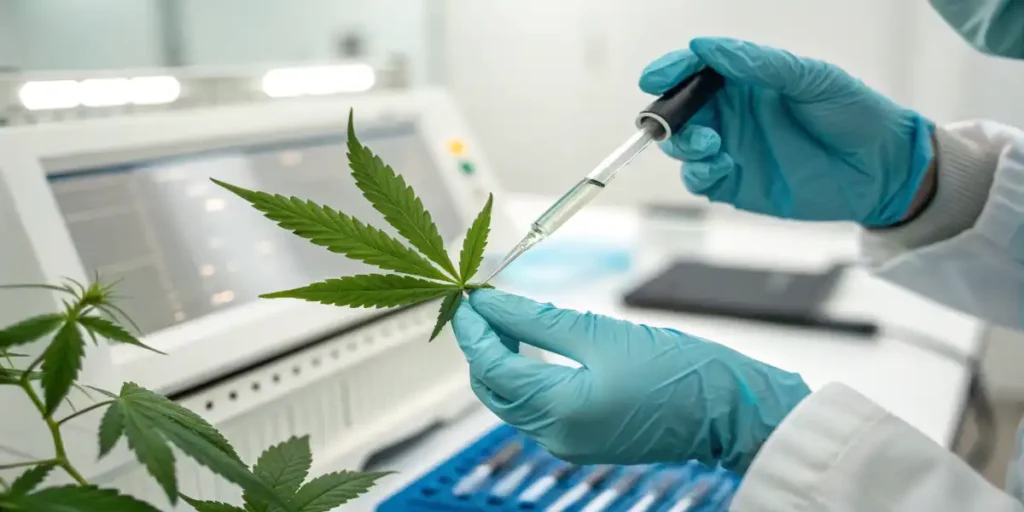

Cannabis cultivation is an art as much as it is a science. For both novice and seasoned growers, recognizing the types of DNA markers used in cannabis can significantly enhance cultivation strategies. DNA markers are segments of DNA that help identify specific genetic traits in a plant. These markers provide insights into the plant’s heritage, potential growth patterns, and even its susceptibility to diseases. When it comes to cannabis, these markers are invaluable for improving strain quality and yield.
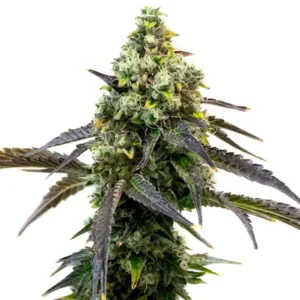
One popular strain, White Widow XXL, is known for its robust growth and high yield. This strain benefits from DNA marker studies, allowing growers to optimize its flowering time and maximize THC levels. Similarly, Bruce Banner 3 Auto, celebrated for its potent effects, can be precisely bred using DNA markers to ensure consistent quality. Gorilla Glue Auto, with its sticky resin and strong aroma, is another strain where DNA markers play a crucial role in maintaining its unique characteristics. Recognizing these markers can guide growers in achieving their desired outcomes.
Recommended Strains

White Widow XXL Seeds
 | THC | 26% - 27% (High) |
 | Lineage | Brazilian x South Indian |
 | Type | Feminized |
 | Height | 5.74 ft | 1.75 m |
 | Yield Outdoor | 70.55 oz/plant | 2000 g/plant |
 | Flowering Time | 8 - 9 weeks |
 | Phenotype | 75% Indica / 25% Sativa |
 | Effects | Creative, Uplifted, Energetic, Talkative, Euphoric |
 | Flavors | Sweet, Pungent, Fruity, Spicy, Pine |

Bruce Banner 3 Autoflower
| | THC | 24% - 25% (High) |
| | Lineage | (OG Kush x Strawberry Diesel) x Ruderalis |
| | Type | Autoflowering |
| | Height | 3.94 ft | 1.2 m |
 | Yield | High |
 | Yield Indoor | 1.64 oz/ft² | 500 g/m² |
| | Yield Outdoor | 28.22 oz/plant | 800 g/plant |
| | Life Cycle | 8 - 10 weeks |
| | Phenotype | 30% Indica / 70% Sativa |
| | Effects | Euphoric, Happy, Relaxed |
| | Flavors | Diesel, Fruity, Sweet |
DNA markers are not merely theoretical. They have practical applications that can transform your cannabis growing experience. By leveraging microsatellite markers, growers can track genetic variations with precision. This is particularly useful for strains like White Widow XXL, which thrives on consistent care. DNA markers also aid in distinguishing between strains, ensuring that you’re cultivating the exact plant you intended, whether it’s the high-yielding Bruce Banner 3 Auto or the resin-rich Gorilla Glue Auto. The science behind these markers is complex, but their application is straightforward and rewarding.
Microsatellite Markers in Cannabis Genetics
Microsatellite markers, also known as simple sequence repeats (SSRs), are short, repetitive DNA sequences found throughout the cannabis genome. These markers are highly polymorphic, meaning they vary greatly among individual plants, making them excellent tools for cannabis breeding and strain identification. In practical terms, microsatellite markers help breeders like Growlantis ensure that their strains, such as White Widow XXL, maintain genetic stability and desired traits over generations.
For growers looking to maximize the potential of strains like Bruce Banner 3 Auto, recognizing the types of DNA markers used in cannabis, including microsatellite markers, can lead to more informed decision-making. These markers allow for the careful selection of parent plants that exhibit the strongest traits, such as increased potency or faster flowering times. By integrating this knowledge into their cultivation practices, growers can develop more resilient plants that not only meet but exceed industry standards. Moreover, microsatellite markers in cannabis genetics help preserve unique characteristics of strains like Gorilla Glue Auto, ensuring their distinctive qualities are passed on consistently.
Applications in Breeding
Using microsatellite markers, breeders can track genetic inheritance patterns with precision. This is especially crucial for a strain like Bruce Banner 3 Auto, where potency and flowering time are key characteristics. By selecting plants with desirable microsatellite profiles, breeders can enhance these traits over successive generations. This selective breeding process results in more consistent and reliable plants, meeting growers’ expectations for potency and yield.
Ensuring Genetic Diversity
Genetic diversity is vital for the health and resilience of cannabis strains. Microsatellite markers allow for the assessment of genetic diversity within a population. For Gorilla Glue Auto, which is prized for its unique resin production, maintaining genetic diversity ensures the strain remains vigorous and resistant to environmental stresses. This diversity also aids in the development of new strains with novel characteristics, expanding the options available to growers and consumers alike.
Single Nucleotide Polymorphisms in Cannabis
Single nucleotide polymorphisms (SNPs) are another type of DNA marker used extensively in cannabis genetics. SNPs are variations at a single position in the DNA sequence among individuals. These markers are less variable than microsatellites but are more abundant across the genome, providing a holistic genetic fingerprinting method.
The application of SNPs in cannabis DNA fingerprinting methods provides a robust tool for improving strain development and quality control. For instance, by analyzing the SNP profile of White Widow XXL, breeders can identify specific genetic variations that contribute to the strain’s high yield and balanced THC levels. This information is invaluable for optimizing growing conditions and ensuring that each plant meets desired specifications. Additionally, the widespread use of SNPs allows Growlantis to authenticate the genetic identity of their strains, providing assurance to consumers about the quality and consistency of products like Bruce Banner 3 Auto and Gorilla Glue Auto.
Role in Cannabis DNA Fingerprinting Methods
SNPs are highly effective for cannabis DNA fingerprinting methods, offering a precise way to identify and differentiate strains. For instance, White Widow XXL can be distinguished from other strains through its unique SNP profile. This is critical for ensuring the authenticity of strains in the market, protecting both breeders and consumers from mislabeling and fraud.
Facilitating Strain-Specific Research
Research into specific cannabis strains is enhanced by SNP analysis. For Bruce Banner 3 Auto, known for its high THC levels, SNP markers can pinpoint genetic variations associated with cannabinoid production. This knowledge allows breeders to refine and optimize strains for particular effects, catering to both medical and recreational markets with greater precision.
Genetic Markers for Cannabis Breeding
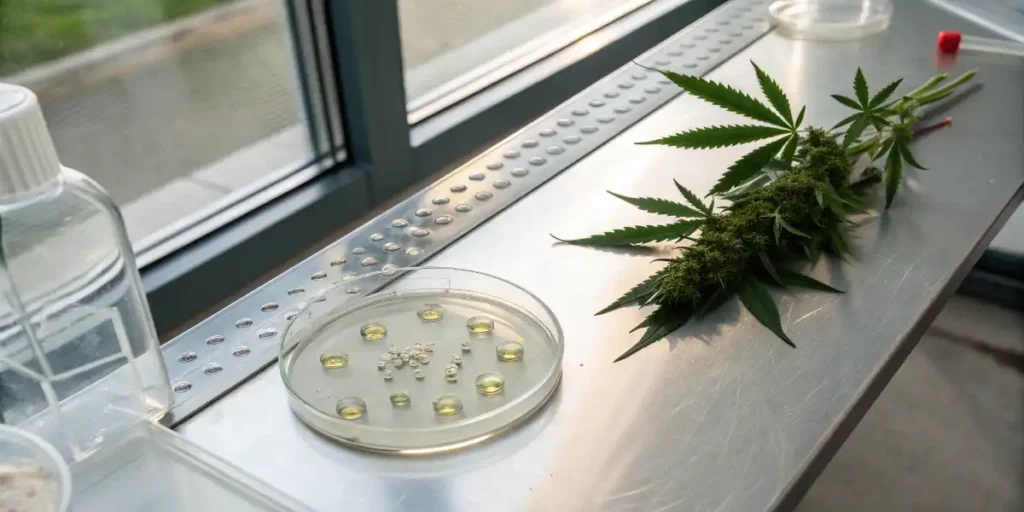
Genetic markers, including both microsatellites and SNPs, are invaluable tools in cannabis breeding. They enable breeders to make informed decisions about which plants to cross, ultimately leading to improved strains with desirable traits.
Incorporating genetic markers for cannabis breeding into cultivation practices provides a strategic advantage in developing superior strains. For example, when breeding White Widow XXL, the use of these markers can identify parent plants with the most potent genetic attributes, leading to enhanced THC production and optimal growth cycles. This level of precision in breeding allows Growlantis to deliver strains that are not only potent but also consistent in quality. Moreover, by employing types of DNA markers used in cannabis, breeders can fine-tune the cannabinoid profiles of strains like Bruce Banner 3 Auto, ensuring they meet specific market demands and therapeutic needs.
Improving Flowering Time
Flowering time is a critical factor for cannabis growers, influencing yield and quality. By using genetic markers, breeders can select parent plants that contribute to optimal flowering times. For Gorilla Glue Auto, known for its expedient flowering, genetic markers ensure that this trait is consistently passed on, allowing growers to harvest in a timely manner without sacrificing quality.
Enhancing Cannabinoid Profiles
The cannabinoid profile of a cannabis plant determines its effects and therapeutic potential. Genetic markers help breeders optimize cannabinoid production by selecting plants with the best genetic makeup. For strains like White Widow XXL, which are sought after for their balanced THC and CBD levels, these markers are essential for maintaining and enhancing the strain’s signature effects.
Cannabis Strain Identification Using DNA Markers
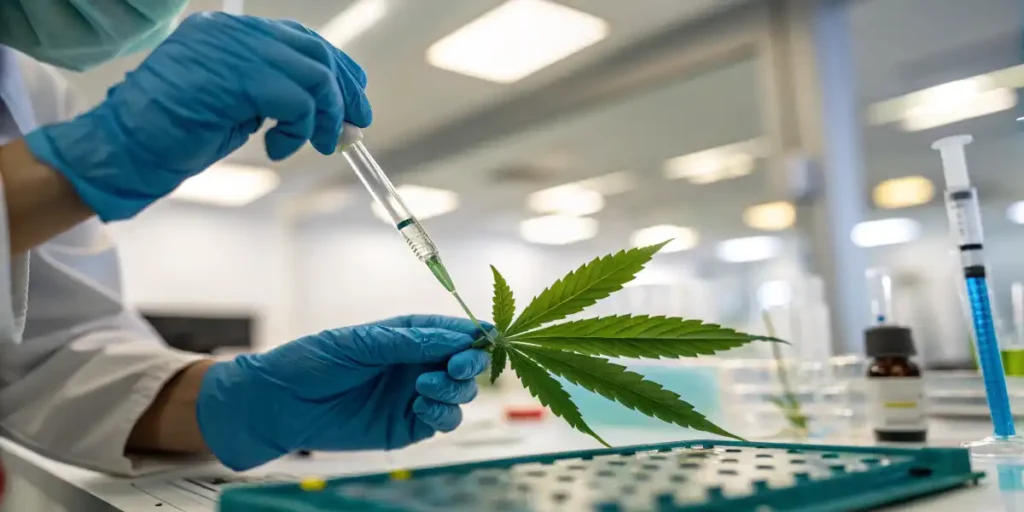
Identifying cannabis strains accurately is crucial for growers and consumers alike. DNA markers provide a reliable method for verifying strain identity, ensuring that what is sold matches what is advertised.
Accurate cannabis strain identification using DNA markers is not only essential for consumer satisfaction but also for regulatory compliance. By employing both microsatellite markers and SNPs, Growlantis can assure their customers that strains like Gorilla Glue Auto are exactly as advertised, with no risk of mislabeling. This precision in identification helps protect the brand’s reputation and ensures that consumers receive the anticipated effects and benefits. Furthermore, the integration of types of DNA markers used in cannabis into routine quality checks supports the development of a transparent and trustworthy cannabis market.
Preventing Mislabeling in the Cannabis Industry
Mislabeling is a common issue in the cannabis industry, where strains are often incorrectly identified. DNA markers such as microsatellites and SNPs offer a scientific approach to verifying strain identity. This is particularly important for high-value strains like Bruce Banner 3 Auto, where mislabeling can lead to significant financial losses for both buyers and sellers.
Maintaining Brand Integrity
For brands like Growlantis, maintaining the integrity of their product lineup is essential. DNA markers ensure that each strain, whether it’s the potent White Widow XXL or the aromatic Gorilla Glue Auto, remains true to its genetic roots. This consistency builds trust with consumers, who can rely on the brand to provide the quality and characteristics they expect.
FAQ
What are DNA markers, and why are they important in cannabis cultivation?
DNA markers are specific sequences in the genome that can be used to identify genetic differences between individuals. In cannabis cultivation, they are essential for breeding purposes, allowing growers to select plants with desirable traits, such as high yield or specific cannabinoid profiles. This leads to the development of superior cannabis strains like White Widow XXL, which is known for its high yield and potency.
How do microsatellite markers benefit cannabis breeders?
Microsatellite markers are highly variable genetic sequences that help breeders track genetic variations and inheritance. They are crucial for maintaining genetic stability and enhancing desired traits in cannabis strains. For example, in Bruce Banner 3 Auto, microsatellite markers help breeders ensure the strain consistently delivers its renowned high THC levels and rapid growth.
What role do SNPs play in cannabis strain identification?
Single nucleotide polymorphisms (SNPs) serve as a detailed genetic fingerprint for cannabis strains. They allow for precise identification and differentiation between strains, reducing the risk of mislabeling. This is vital for maintaining strain integrity, especially for unique strains like Gorilla Glue Auto, which is valued for its distinct aroma and resin production.
Can DNA markers improve flowering times in cannabis plants?
Yes, DNA markers can be used to select for optimal flowering times in cannabis plants. By identifying genetic traits associated with flowering, breeders can create strains that flower more quickly or at more predictable times. This is particularly beneficial for strains like Gorilla Glue Auto, which has a fast flowering time that growers can rely on for timely harvests.
Why is accurate strain identification important in the cannabis industry?
Accurate strain identification is crucial for both consumers and producers in the cannabis industry. It ensures that consumers receive the specific effects and benefits they expect from a strain. For producers, like Growlantis, accurate identification helps maintain brand reputation and consumer trust. DNA markers play a key role in verifying strain authenticity, preventing mislabeling and protecting the integrity of strains like White Widow XXL.