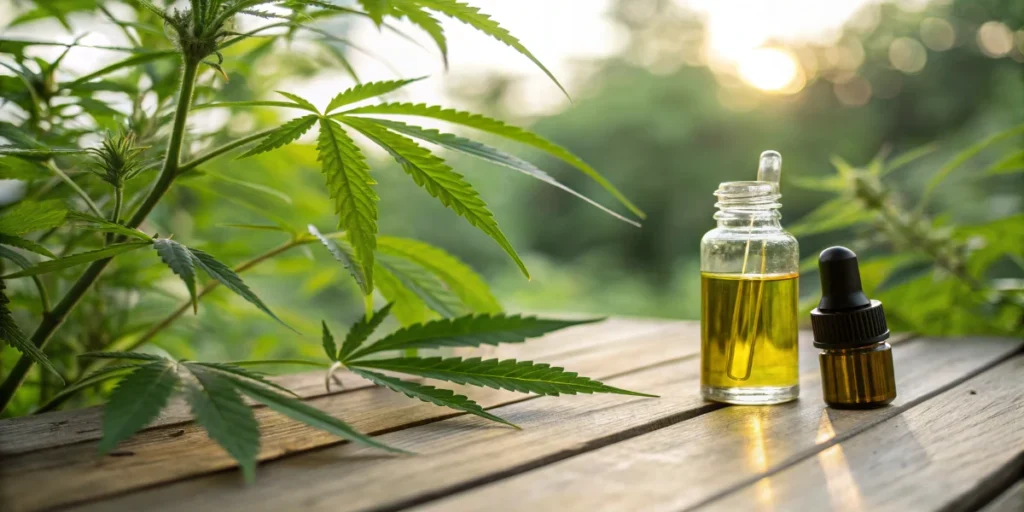

When diving into the world of cannabis, one question that often arises is whether CBD degrades in the same way as THC. Both compounds have their unique properties and benefits, but recognition how they age is crucial for growers and consumers alike. In this guide, we’ll examine the stability of CBD compared to THC, how storage conditions affect each, and what this means for your cannabis products.
CBD, or cannabidiol, is renowned for its therapeutic properties and is a major compound found in cannabis. Unlike THC, CBD doesn’t produce psychoactive effects, making it a popular choice for medicinal use. On the other hand, THC is famous for its psychoactive properties that deliver the high associated with cannabis. Both compounds can degrade over time, but their degradation processes and rates differ significantly.
Recommended Strains
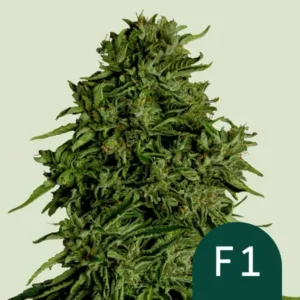
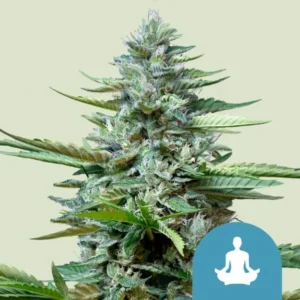
Cosmos F1 CBD
 | CBD | 19% – 20% (Medium) |
 | Lineage | CBD Oregon |
 | Type | CBD Autoflowering |
 | Height | 3.28 ft | 1 m |
 | Yield | Low |
 | Yield Indoor | 0.98 - 1.31 oz/ft² | 300 - 400 g/m² |
 | Yield Outdoor | 7.05 - 8.82 oz/plant | 200 - 250 g/plant |
 | Life Cycle | 9 - 10 weeks |
 | Phenotype | 20% Indica / 60% Sativa / 20% Ruderalis |
 | Effects | Focused, Calming |
 | Flavors | Cookie, Pepper, Pine |
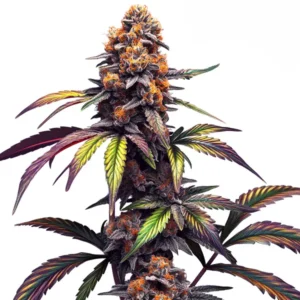
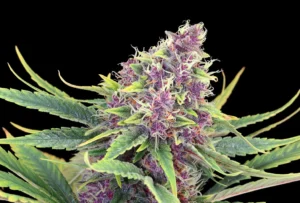
Mamba Negra CBG
| | Lineage | Mamba Negra x CBG |
| | Type | CBG Feminized |
| | Height | 6.56 ft | 2 m |
| | Yield | Low |
| | Yield Indoor | 0.98 oz/ft² | 300 g/m² |
| | Yield Outdoor | 21.16 - 24.69 oz/plant | 600 - 700 g/plant |
| | Flowering Time | 8 - 10 weeks |
| | Phenotype | 60% Indica / 40% Sativa |
 | Medical | Fatigue, Muscle Spasms, Stress |
| | Effects | Creative, Euphoric, Uplifted |
| | Flavors | Earthy |
Growlantis offers strains like Cosmos F1 CBD, Mamba Negra CBG, and Stress Killer Cbd Auto, which cater to different needs and preferences. Recognizing how these strains maintain their potency over time can help you make informed decisions about cultivation and consumption.
Chemical Differences Between CBD and THC
CBD and THC share a similar molecular structure, yet their chemical bonds differ, leading to varied effects and stability. These differences play a critical role in how each compound degrades over time.
Alongside their structural differences, the presence of various terpenes and cannabinoids in strains such as Stress Killer Cbd Auto can influence how CBD degrades compared to THC. The entourage effect, which describes how different cannabis compounds work together, can impact degradation rates by stabilizing certain cannabinoids. This phenomenon may contribute to CBD’s enhanced stability, as observed in specific strains from Growlantis, where synergistic compounds help protect against environmental factors. Thus, when considering does CBD degrade like THC, it’s essential to factor in the unique chemical compositions of each strain.
Molecular Structure and Stability
Both CBD and THC consist of 21 carbon atoms, 30 hydrogen atoms, and 2 oxygen atoms. However, the arrangement of these atoms is what sets them apart. This structural difference affects not only their effects but also their stability. THC tends to oxidize more rapidly than CBD, leading to faster degradation when exposed to light and heat.
With Cosmos F1 CBD, a strain offered by Growlantis, the focus is on maximizing CBD content while minimizing THC levels. This makes it an excellent choice for those seeking therapeutic effects without the high, and its stability ensures a longer shelf life compared to high-THC strains.
Impact of Environmental Factors
Environmental factors such as light, temperature, and humidity significantly impact the degradation of both CBD and THC. THC is more sensitive to these conditions, with studies showing that prolonged exposure to light and heat can lead to significant potency loss. CBD, on the other hand, demonstrates greater resilience, making it more suitable for long-term storage.
Strains like Stress Killer Cbd Auto are engineered to withstand varying environmental conditions while maintaining their CBD levels. This strain offers an auto-flowering feature, making it easier for growers to cultivate and ensure consistent quality over time.
Factors Affecting CBD Degradation
Several factors contribute to CBD degradation over time. Recognizing these factors can help you store your products effectively and maximize their shelf life.
Alongside temperature and light, the method of extraction and processing can influence CBD degradation over time. Products derived from strains such as Mamba Negra CBG, where careful extraction methods are employed, often exhibit improved stability. Utilizing CO2 extraction, for example, can help maintain the integrity of CBD by reducing exposure to harmful solvents and preserving more of the active compounds. This approach not only enhances shelf life but also ensures that consumers receive a more potent and beneficial product. Thus, comprehending the holistic process from cultivation to extraction is vital in the THC vs CBD stability comparison.
Temperature and Light Exposure
CBD is sensitive to temperature fluctuations and light exposure. High temperatures can accelerate the breakdown of CBD, while light can cause it to oxidize and lose potency. For optimal preservation, store CBD products in a cool, dark place away from direct sunlight.
Growlantis’ Mamba Negra CBG is a strain that benefits from careful storage. With a balanced CBG and CBD profile, it offers unique effects and requires similar storage conditions to preserve its potency and therapeutic benefits.
Moisture and Oxygen Levels
Moisture and oxygen are two other critical factors that can influence CBD degradation. High humidity levels can promote mold growth, while oxygen can lead to oxidative degradation. Using airtight containers can help mitigate these effects and extend the shelf life of your CBD products.
Investing in quality storage solutions can prevent degradation and maintain the efficacy of your cannabis strains, ensuring that you get the most out of products like Cosmos F1 CBD and Stress Killer Cbd Auto.
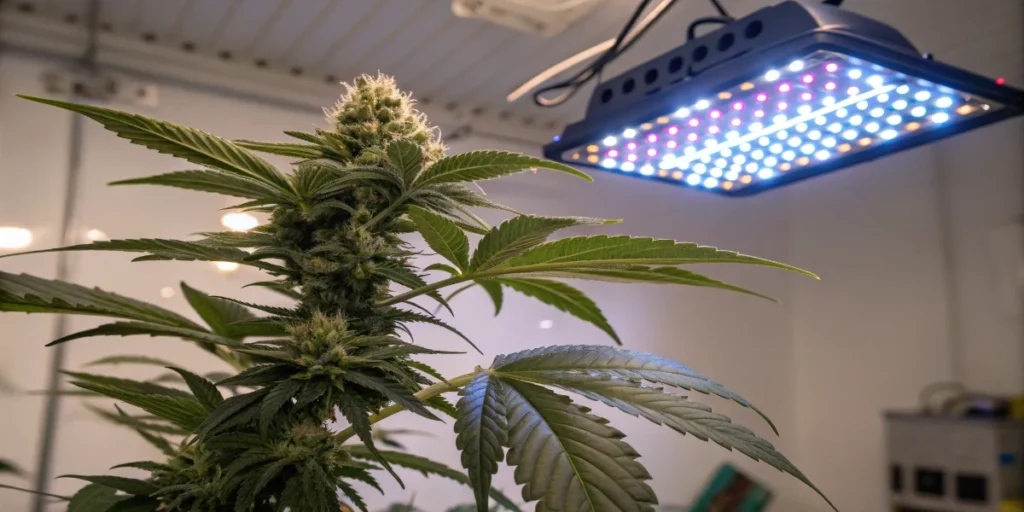
CBD Shelf Life vs THC
The shelf life of CBD products is generally longer than that of THC products. This difference is primarily due to the stability of CBD under various conditions. However, both compounds require proper storage to maintain their quality over time.
When exploring the question, does CBD degrade like THC, it’s important to consider the function of packaging in extending shelf life. For instance, products derived from Cosmos F1 CBD benefit from packaging designed to block UV rays and minimize air exposure, which can significantly extend the lifespan of both CBD and THC products. Utilizing vacuum-sealed packaging or nitrogen flushing can further reduce oxidation, maintaining the potency and effectiveness of the cannabinoids. This attention to detail in packaging can be a deciding factor for consumers looking to maximize the longevity of their cannabis products.
Storage Solutions for Longevity
To ensure the longevity of both CBD and THC products, consider using dark glass containers, which minimize light exposure. Refrigeration can also help slow down the degradation process, especially for products with high THC content.
For strains like Mamba Negra CBG, which contain both CBD and CBG, recognizing the function of storage can enhance your experience by maintaining the strain’s unique effects and flavors over time.
Practical Tips for Growers
For growers cultivating strains like Stress Killer Cbd Auto, it’s crucial to monitor environmental conditions during and after harvest. Ensuring that your drying and curing processes minimize exposure to detrimental factors will help preserve the potency of your harvest.
Implementing these practices not only extends the shelf life of your products but also ensures that your consumers enjoy the full benefits of the strain, whether they seek therapeutic relief or a balanced experience.
Impact of Storage on CBD Degradation
Storage plays a pivotal role in the degradation of CBD. Proper storage techniques can significantly enhance the longevity of your cannabis products, ensuring they remain potent and effective over time.
Recognizing the impact of storage on CBD degradation involves recognizing the value of integrating technology and innovation in storage solutions. For example, the use of humidity control packs in containers for Cosmos F1 CBD can help maintain optimal moisture levels, preventing mold and preserving cannabinoid content. Additionally, digital monitoring devices that track temperature and humidity can alert growers and consumers when conditions are suboptimal, allowing for timely adjustments. Such advancements not only protect CBD from degradation but also maximize the therapeutic potential of strains from Growlantis.
Airtight Containers and Humidity Control
Using airtight containers is one of the most effective ways to protect CBD from degradation. By limiting oxygen exposure, you can reduce the risk of oxidative processes that compromise potency. Additionally, maintaining appropriate humidity levels can prevent mold and mildew, which can degrade both CBD and THC.
Products like Cosmos F1 CBD benefit from such storage practices, as they ensure the strain retains its high CBD content and therapeutic efficacy over time.
Refrigeration and Freezing
Refrigeration can be a viable option for extending the shelf life of CBD products. By storing them at lower temperatures, you can slow down the chemical reactions that lead to degradation. However, it’s important to avoid freezing, as this can cause the cannabinoids to crystallize and potentially alter their effectiveness.
When storing strains like Stress Killer Cbd Auto, consider the specific recommendations of Growlantis to ensure optimal preservation and performance over time.
FAQ
How long does CBD last compared to THC?
CBD typically has a longer shelf life compared to THC due to its greater stability under environmental conditions. While both compounds will degrade over time, proper storage can help extend their potency. CBD’s resilience to light and heat makes it a more durable option for long-term use.
What are the best storage practices for CBD products?
To maximize the shelf life of CBD products, store them in a cool, dark place, away from direct sunlight. Using airtight containers can prevent oxygen exposure, while controlling humidity levels can prevent mold growth. These practices are crucial for maintaining the efficacy of strains like Cosmos F1 CBD and Stress Killer Cbd Auto.
Does refrigeration affect CBD potency?
Refrigeration can help preserve CBD potency by slowing down the degradation process. However, freezing should be avoided as it may cause crystallization of cannabinoids. For strains like Mamba Negra CBG, following proper storage guidelines is essential to maintain the balance of cannabinoids and their therapeutic effects.
Why is CBD more stable than THC?
CBD is chemically more stable than THC due to its molecular structure, which makes it less susceptible to oxidation and degradation under various conditions. This stability is one of the reasons why CBD products often have a longer shelf life than those with high THC content.
How can growers ensure the potency of their CBD strains?
Growers can ensure the potency of their CBD strains by carefully managing environmental factors during cultivation and post-harvest processes. Minimizing exposure to light, heat, and oxygen during drying and curing will help maintain cannabinoid levels. Strains like Stress Killer Cbd Auto benefit from these practices, ensuring consumers receive high-quality, potent products.