
Curing cannabis is a crucial step in the production process that significantly affects the plant’s chemical composition, particularly its cannabinoid stability. Many growers, both novices and experts, often overlook the importance of curing, potentially compromising the overall quality of their harvest. Recognizing whether curing cannabis improves cannabinoid stability can be the difference between a mediocre product and a top-shelf experience.
For strains like the famed Gelato from Growlantis, known for its rich terpene profile and high THC content, curing becomes even more critical. This strain, with its creamy and fruity flavor, benefits immensely from a well-executed curing process that helps stabilize its cannabinoids, preserving its unique characteristics and enhancing its potency.
Recommended Strains
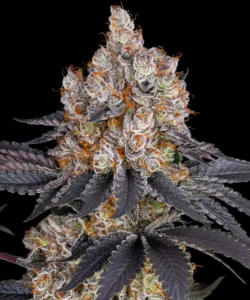
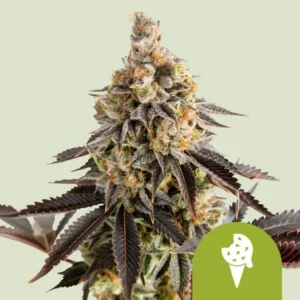
Gelato Strain
 | THC | 27% - 28% (High) |
 | Lineage | Blue Sunset Sherbert x Thin Mint Girl Scout Cookies |
 | Type | Feminized |
 | Height | 7.05 ft | 2.15 m |
 | Yield Outdoor | 52.91 oz/plant | 1500 g/plant |
 | Flowering Time | 9 - 10 weeks |
 | Phenotype | 60% Indica / 40% Sativa |
 | Effects | Relaxed, Happy, Euphoric, Uplifted, Creative |
 | Flavors | Vanilla, Sweet, Fruity, Earthy, Strawberry |
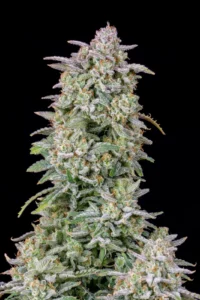
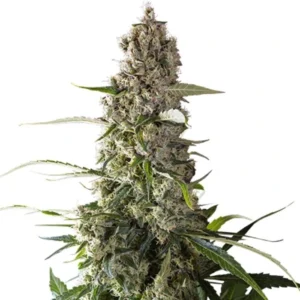
Forbidden Runtz Auto
| | THC | 23% - 26% (High) |
| | Lineage | Forbidden Fruit x Runtz x Ruderalis |
| | Type | Autoflowering |
| | Height | 3.94 ft | 1.2 m |
 | Yield | High |
 | Yield Indoor | 1.47 - 1.8 oz/ft² | 450 - 550 g/m² |
| | Life Cycle | 9 - 10 weeks |
| | Phenotype | 65% Indica / 35% Sativa |
| | Effects | Relaxed, Happy, Hungry |
| | Flavors | Earthy, Fruity, Sweet |
Similarly, the Forbidden Runtz Auto, another popular strain, offers a delightful combination of sweet flavors and euphoric effects. Proper curing of this strain ensures that its cannabinoid levels remain consistent, providing users with a predictable and enjoyable experience each time. Thus, recognizing the curing process’s effects on cannabinoid stability is invaluable for anyone invested in cannabis cultivation.
What is Cannabis Curing?
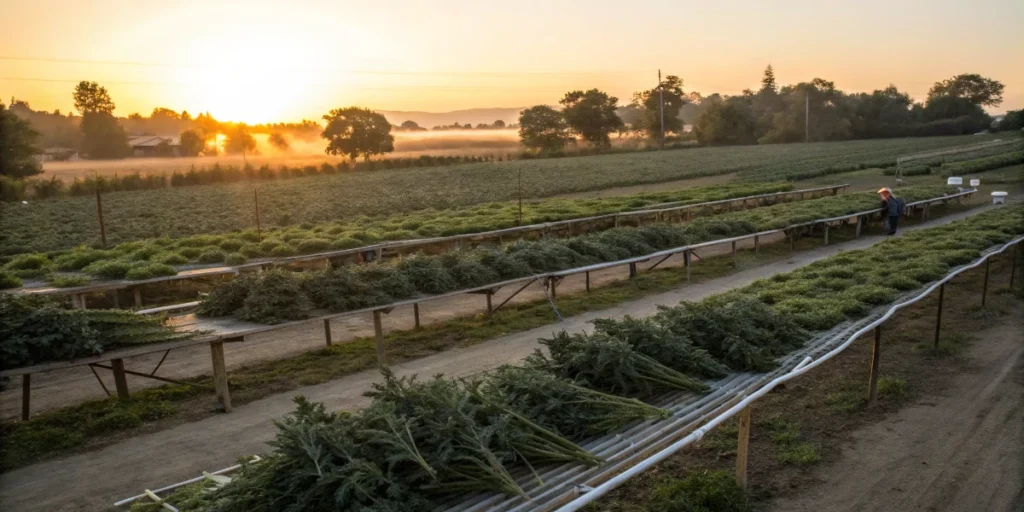
Cannabis curing is a carefully controlled drying process that occurs after harvesting. It involves maintaining specific environmental conditions to allow the plant’s natural enzymes to break down undesirable substances while stabilizing desirable cannabinoids and terpenes. This process typically lasts several weeks and demands attention to detail, but the rewards can be substantial.
By extending the curing process, cultivators can further enhance the stability of cannabinoids in strains like Gelato, ensuring that the high THC levels remain intact over time. This not only improves the immediate potency of the product but also its shelf life, making it an essential practice for commercial growers aiming to deliver consistent quality. The impact of curing on cannabinoid preservation is evident in the way it prevents degradation and maintains the plant’s chemical integrity, offering long-term benefits for both producers and consumers.
The Science Behind Curing
During curing, the plant continues to metabolize; chlorophyll breaks down, reducing harshness, while sugars and starches are converted into simpler compounds. This transformation is crucial for developing the desired flavors and aromas, as well as enhancing the stability of cannabinoids like THC and CBD.
Recognizing the science behind curing helps growers optimize their processes to maximize the quality of strains like Forbidden Runtz Auto. The slow chemical transformations that occur during curing improve cannabinoid stability, ensuring long-lasting potency and flavor. This knowledge allows growers to tailor their curing conditions to the specific needs of each strain, enhancing the overall cannabis curing impact on cannabinoid preservation and consumer satisfaction.
Environmental Conditions for Curing
Successful curing requires precise control over temperature and humidity. Ideal conditions are typically around 60-70°F with a humidity level of 55-65%. These conditions prevent mold growth while allowing the plant’s natural processes to stabilize cannabinoids and terpenes effectively.
Adhering to these environmental conditions is particularly crucial for strains like Cookies Gelato Auto, where any deviation can result in a loss of flavor and potency. This strain’s distinctive profile can only be preserved through meticulous control of curing conditions, reinforcing the significance of environmental factors in the curing process effects on cannabinoid stability. By ensuring optimal temperature and humidity, growers can prevent potential degradation and maintain the desired characteristics of their cannabis.
How Curing Affects Cannabinoid Levels
Curing has a direct impact on how cannabinoids stabilize and retain their efficacy over time. Improper curing can lead to degradation, where valuable compounds like THC decompose into less potent forms, affecting the overall experience.
For strains such as Gelato, the curing period is pivotal in determining the final cannabinoid profile. By allowing cannabinoids to stabilize gradually, curing enhances both the strength and flavor of the product, making it a crucial step in maintaining the integrity of the strain. The cannabis curing impact on cannabinoid preservation is evident when comparing well-cured products to those that have been rushed, underscoring the importance of patience and precision in the curing process.
Benefits of Curing Cannabis for Cannabinoid Stability
Proper curing offers numerous benefits beyond cannabinoid stability, including improved flavor, aroma, and overall experience. These enhancements are essential for both personal enjoyment and commercial success.
The benefits of curing cannabis for cannabinoid stability extend to ensuring a consistent user experience, which is particularly important for strains like Forbidden Runtz Auto. By maintaining stable cannabinoid levels, consumers can enjoy the same effects time after time, increasing customer satisfaction and loyalty. This consistency is a testament to the effectiveness of curing in preserving the desired properties of cannabis, making it a vital practice for any serious cultivator.
Practical Tips for Effective Cannabis Curing
Successful curing requires attention to detail and a commitment to maintaining optimal conditions throughout the process. Here are some practical tips to ensure cannabinoid stability during cannabis curing.
Incorporating regular checks and adjustments into the curing routine can greatly impact the quality of the final product. For example, rotating jars of Cookies Gelato Auto during the curing process ensures even exposure to the controlled environment, preventing hotspots that could lead to uneven curing. By staying vigilant and proactive, growers can ensure that the curing process effects on cannabinoid stability are maximized, leading to a superior product that meets the high expectations of discerning consumers.
Monitoring Environmental Conditions
Consistently check temperature and humidity levels, using tools like hygrometers and thermometers. Adjust conditions as necessary to maintain the ideal range for curing.
For growers cultivating Gelato, maintaining these conditions is critical to preserving its high THC levels and distinctive flavor profile.
Patience is Key
Rushing the curing process can lead to degradation of cannabinoids and a loss in quality. Allowing adequate time for curing can significantly enhance the stability and potency of the final product.
Patience is particularly beneficial for strains like Forbidden Runtz Auto, where extended curing can amplify its sweet flavors and ensure consistent cannabinoid levels.

FAQ
How does curing cannabis improve cannabinoid stability?
Curing stabilizes cannabinoids by allowing natural metabolic processes to continue post-harvest. This leads to a consistent and potent final product, as seen in strains like Gelato and Forbidden Runtz Auto. By maintaining ideal conditions, curing prevents cannabinoid degradation and preserves the plant’s chemical integrity.
What environmental conditions are best for curing cannabis?
The ideal conditions for curing involve maintaining a temperature of 60-70°F and a humidity level of 55-65%. These conditions help prevent mold growth while allowing cannabinoids and terpenes to stabilize. Monitoring these factors is crucial for strains like Cookies Gelato Auto, ensuring their high THC levels remain intact.
How long should cannabis be cured for optimal cannabinoid stability?
The curing period can vary, but typically lasts 2-4 weeks, depending on the strain and desired outcomes. Longer curing can enhance cannabinoid stability and overall quality, which is beneficial for strains like Gelato, known for its potent effects.
Can improper curing affect the cannabinoid levels in cannabis?
Yes, improper curing can lead to cannabinoid degradation, where valuable compounds like THC convert into less desirable forms. This degradation can significantly impact the potency and quality of strains such as Forbidden Runtz Auto, underscoring the importance of proper curing techniques.
What are the benefits of curing cannabis for cannabinoid preservation?
Curing offers several benefits, including improved flavor, aroma, and smoke quality, along with enhanced cannabinoid stability. For strains like Cookies Gelato Auto, curing ensures that the high THC content and sweet taste are preserved, providing a superior and consistent consumption experience.