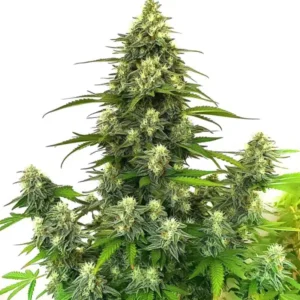


For successful cultivation of Strawberry Cough, start by selecting high-quality seeds or clones. Maintain an indoor environment where temperature ranges between 70-85°F and relative humidity remains around 50-60%. This strain thrives in soil rich in organic matter, so opt for nutrient-dense mixes for healthy growth. Don’t forget to provide adequate lighting, ideally using LED grow lights for the best results.
During the vegetative phase, ensure it receives at least 18 hours of light daily. Regular pruning encourages the plant to develop more buds, thus increasing yield. As the plant progresses, watch out for nutrient deficiencies and adjust feeding schedules accordingly. Like many cannabis strains, this cultivar benefits from a balanced diet of nitrogen, phosphorus, and potassium.
Recommended Strains

Strawberry Cough
 | THC | 19% - 20% (Medium) |
 | Lineage | Strawberry Fields x Haze |
 | Type | Feminized |
 | Height | 5.74 ft | 1.75 m |
 | Yield | Medium |
 | Yield Indoor | 1.47 - 1.64 oz/ft² | 450 - 500 g/m² |
 | Yield Outdoor | 21.16 - 22.93 oz/plant | 600 - 650 g/plant |
 | Flowering Time | 9 - 10 weeks |
 | Phenotype | 25% Indica / 75% Sativa |
 | Effects | Calming, Uplifted |
 | Flavors | Blueberry, Candy, Fruity |

Strawberry Cough Autoflower
| | THC | 26% - 27% (High) |
| | Lineage | (Strawberry Fields, unknown Haze) x Ruderalis |
| | Type | Autoflowering |
| | Height | 3.28 ft | 1 m |
| | Yield | High |
| | Yield Indoor | 1.97 oz/ft² | 600 g/m² |
| | Yield Outdoor | 21.16 oz/plant | 600 g/plant |
| | Life Cycle | 9 - 11 weeks |
| | Phenotype | 20% Indica / 80% Sativa |
| | Effects | Euphoric, Happy, Uplifted |
| | Flavors | Berry, Strawberry, Sweet, Earthy, Skunk |
Approaching the flowering stage, gradually reduce light exposure to 12 hours per day to stimulate budding. While Strawberry Cough is known for resilience, maintaining optimal conditions is key to enhancing its signature sweet terpenes. Monitor trichomes closely to determine the perfect harvest time. With proper care, growers can expect a substantial yield of aromatic, flavorful buds.
Strawberry Cough Strain Overview: Traits, Effects & Genetics
Strawberry Cough is renowned among cannabis enthusiasts for its distinctive sweet strawberry aroma and smooth smoke. This strain is particularly notable for its potent yet balanced effects, offering both mental stimulation and physical relaxation. Its genetics often derive from a mix of indica and sativa, making it ideal for those seeking a versatile experience. Growers appreciate this variety for its resilience and relatively straightforward cultivation process.
This cultivar stands out for its medium-sized buds that develop vibrant hues during the harvest period. The plant thrives in both indoor and outdoor setups, though care should be taken to maintain optimal humidity levels to prevent mold. Cultivators can expect a moderate yield, with a flowering time typically ranging between eight to nine weeks. The plant’s rich terpene profile contributes to its unique sensory appeal.
In terms of effects, this strain is reputed for inducing an uplifting cerebral high that may enhance creativity and focus. It is commonly recommended for social gatherings, as its effects tend to promote relaxed conversation and ease. Additionally, Strawberry Cough is sought after for its potential to alleviate stress and anxiety, making it a favorite for those seeking mental relief without heavy sedation.
The genetics of this variety often include influences from Haze strains, contributing to its robust growth and characteristic effects. The complexity of its lineage endows it with qualities that appeal to both seasoned cultivators and novice growers alike. The plant represents an ideal choice for individuals seeking a dynamic and flavorful cannabis experience.
Optimal Environment to Grow Strawberry Cough Successfully
Growing Strawberry Cough requires carefully controlled environmental conditions to ensure optimal cannabis cultivation. This cultivar thrives in a warm and sunny climate, with temperatures ideally maintained between 70-85°F. Adequate ventilation and humidity control are crucial to prevent mold, which can damage the buds. Maintaining such conditions helps growers achieve a bountiful harvest with high-quality yields.
This variety flourishes in both indoor and outdoor settings, although indoor cultivation provides greater control over the growing environment. Lighting plays a vital role in the development of terpenes, which contribute to the distinct aroma and potency of the plant. Full-spectrum LED lights are recommended, as they closely mimic natural sunlight and promote robust growth and superb terpene profiles.
Providing the right nutrients is essential for this strain’s success. A balanced diet, rich in nitrogen during the vegetative stage and phosphorus and potassium during the flowering stage, supports healthy foliage and bud production. Regular monitoring of pH levels in soil or hydroponic systems can prevent nutrient lockout, ensuring that the plant absorbs all necessary elements for vigorous growth.
Proper pruning and training techniques like topping or low-stress training can also enhance yield and bud quality. Allowing adequate space between plants ensures proper airflow, minimizing the risk of disease and enhancing light penetration. By focusing on these key aspects of cultivation, growers can maximize the potential of Strawberry Cough and enjoy a rewarding harvest.
Grow Room Setup for Strawberry Cough Plants
Creating an optimal grow room environment is crucial for successfully cultivating this variety. This strain thrives in a controlled setting where temperature, humidity, and light are meticulously managed. Aim for daytime temperatures between 70-85°F and a relative humidity of 40-50% to encourage healthy growth. Proper ventilation and air circulation will ensure that the plant receives fresh air and keeps mildew at bay.
Lighting is vital for the plant’s development, and LED grow lights are a beneficial choice due to their energy efficiency and full-spectrum light. Position the lights to mimic natural sunlight, providing around 12-18 hours of light per day during the vegetative stage. As the plant transitions to flowering, gradually reduce light hours to initiate bud development and maximize the eventual harvest.
When setting up space for this cultivar, ensure there is ample room for the plants to spread. This genetics tends to grow tall, so account for vertical space and provide scaffolding or trellis if needed. The use of high-quality soil rich in nutrients will support robust growth dynamics, helping the plant reach its potential and produce dense, resinous buds with a rich profile of terpenes.
Monitoring and maintenance are key to this strain’s success in a grow room setup. Regularly check for pests and signs of nutrient deficiencies, and adjust feeding schedules as necessary. Strawberry Cough responds well to organic nutrients, which can enhance flavor and potency. With diligent care and attention, growers can achieve a generous yield and enjoy an aromatic, uplifting harvest.
Indoor Growing Tips for Strawberry Cough
This strain thrives in controlled environments where growers can maintain consistent conditions. Begin by setting up a grow space with adequate lighting, such as LED or HPS lamps, which will mimic natural sunlight. Controlling temperature and humidity is crucial for this variety, as it prefers a relatively warm climate with moderate humidity levels to support optimal cannabis cultivation and maximize yield.
The plant benefits from a nutrient-rich feeding schedule, ensuring to include macronutrients like nitrogen, phosphorus, and potassium. Regularly monitor the pH levels of the soil or hydroponic solution to keep it within the ideal range, usually between 6.0 and 7.0. By paying attention to these details, growers can promote healthy development and enhance the terpene profile of the buds.
Pruning and training techniques, such as topping or LST (Low-Stress Training), can help this cultivar achieve a bushier growth pattern, facilitating better light penetration to lower bud sites. Keep a watchful eye for potential pests or mold, especially during the flowering phase. By the time harvest approaches, these care practices will result in a bountiful collection of aromatic buds, rich in unique flavors.
Outdoor Growing Tips for Strawberry Cough
For those interested in cultivating this strain outdoors, selecting the right location is vital. Choose an area with abundant sunlight, as this variety flourishes in full sun conditions. The plant benefits from well-draining soil to prevent root rot, so growers should consider enriching the soil with organic matter to enhance aeration and drainage, fostering robust growth and healthy buds.
In terms of watering, this cultivar prefers a regular yet moderate watering schedule. Overwatering can lead to issues like mold, so it’s crucial to allow the soil to dry slightly between waterings. Incorporating mulch around the base of the plant can help retain moisture and protect roots, facilitating a consistent environment crucial for abundant terpene production and yield.
As harvest time approaches, monitoring for pests is essential, as outdoor cultivation can invite more natural threats. Employing natural pest control methods, such as neem oil or introducing beneficial insects, can help maintain plant health. This proactive care ensures the buds develop to their fullest, preserving the unique flavor and aromatic profile that this strain is celebrated for.

How to Germinate & Propagate
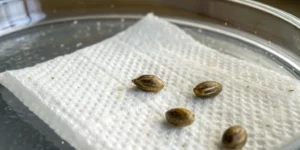
Germinating Strawberry Cough begins with selecting high-quality seeds to ensure strong genetics and a successful harvest. Employing the paper towel method is effective, wherein seeds are placed between moist paper towels in a dark, warm area. It’s vital to maintain consistent moisture and warmth, fostering an environment conducive to sprouting. Within a few days, the seeds should crack open.
Once the seeds have sprouted, they can be transferred to small pots with a light, airy soil designed for cannabis cultivation. This variety benefits from gentle handling as fragile roots establish. Ensure pots have adequate drainage to prevent waterlogging. Maintaining a humid environment during early growth stages is crucial for the plant, aiding in root expansion and foliage development.
For those looking to expand their garden with this cultivar, cloning is an efficient propagation technique. Cut healthy, vigorous branches from a well-established mother plant, ensuring each cutting is 4-6 inches long with several nodes. Dip the cut end in rooting hormone and plant it in a growing medium designed for cloning. Keeping humidity high encourages robust rooting.
Closely monitoring your young plants and cuttings ensures optimal health and boosts your chances of a fruitful yield of aromatic buds. Pay attention to light cycles, as this strain thrives with plenty of light during vegetative growth. Regularly check for pests and nutrient deficiencies that could impact this cultivar’s vigor. Proper care leads to a rewarding harvest of terpene-rich cannabis by growers.
Vegetative Stage: Nurturing Your Strawberry Cough Plants
During the vegetative stage, nurturing your plants is crucial for a successful harvest. This period is characterized by vigorous growth, and growers should ensure ample resources are available. Adequate light is fundamental for this strain, and using LED or HID lights can promote robust growth. Maintaining proper temperature and humidity levels will encourage the healthy development of this cultivar’s foliage.
This variety thrives when provided with nutrient-rich soil to support its rapid development. Integrating high-quality cannabis-specific nutrients into your feeding regimen will optimize its growth. Regular watering is essential, but avoid overwatering to prevent root rot. Monitoring the pH level of the soil ensures that the plant absorbs nutrients efficiently, thereby enhancing both growth and yield.
Pruning is another vital practice during this stage, allowing you to shape the plant and remove unnecessary foliage. This process helps light and air penetrate the canopy, promoting the development of healthy buds. Training techniques, such as topping or low-stress training, can be employed to maximize yield by encouraging the plant to grow more laterally.
As Strawberry Cough transitions through the vegetative stage, it’s essential to remain attentive to its needs. Managing the environmental conditions and carefully adjusting them will lead to more abundant growth. Observing the plant closely allows growers to spot potential issues early. By the end of this stage, this genetics will be well-prepared for flowering, leading to a fruitful harvest laden with aromatic terpenes.
Flowering Strawberry Cough: What to Expect
During the flowering phase, this strain typically showcases a vibrant display of colors and aromatic complexity. Cultivation should focus on maintaining optimal conditions to enhance terpene development and yield. The plant thrives in a controlled environment where temperatures are kept steady, ensuring that the buds mature evenly and deliver the expected quality for cannabis enthusiasts.
Growers can anticipate a flowering period that extends between 9 to 10 weeks. This is essential for allowing the unique characteristics of this cultivar to fully develop. Monitoring humidity levels is crucial in preventing mold formation on the dense buds. As the weeks progress, you’ll notice the rich, fruity scent that is signature to this variety.
This genetics responds well to techniques such as topping and training, which can aid in increasing the overall yield. Maintaining adequate lighting and nutrient levels throughout the flowering stage is important for maximizing potency and resin production. Regular inspections of the plant will help you catch any potential issues early, preserving the quality of the final harvest.
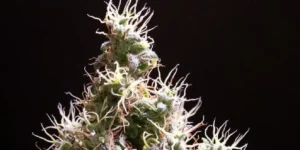
When harvesting Strawberry Cough, expect vibrant, trichome-rich buds. The careful cultivation during flowering ensures that the final product reflects the full potential of this cannabis strain. Post-harvest processing, such as drying and curing, will further enhance the flavor and effect profile. Ultimately, this dedication results in a satisfying yield both in quality and quantity.
Fertilizers & Nutrient Schedule
To ensure optimal growth, feeding this strain properly is crucial. Like many cannabis varieties, Strawberry Cough thrives on a balanced diet of nutrients. During its vegetative stage, the plant benefits from a higher nitrogen content to boost its growth. In this phase, using a fertilizer with a balanced N-P-K (nitrogen-phosphorus-potassium) ratio can enhance the plant’s vigor and prepare it for flowering.
As this variety transitions to the flowering stage, a shift in nutrient requirements occurs. Increased phosphorus and potassium levels will support robust bud development and maximize terpenes. Growers should gradually adjust the nutrient mix to ensure the plant receives the necessary support for a beneficial harvest. Monitor nutrient intake closely, as over-fertilizing can harm the delicate balance needed for healthy growth.
This cultivar’s nutrient schedule should accommodate its specific genetics, and paying attention to the plant’s signals is paramount. Yellowing leaves or stunted growth might indicate a deficiency or imbalance. Using organic feeds or compost teas can often provide a gentle yet effective nutri-boost, helping growers achieve a substantial yield while maintaining the integrity of the plant’s flavor profile.
Regular monitoring of pH levels is critical, as it affects nutrient uptake in Strawberry Cough. Aim to keep the pH between 6.0 and 6.5 in soil or slightly lower if using hydroponics, as it ensures optimal nutrient absorption. With careful attention to feeding and environmental conditions, growers can cultivate the plant for a rewarding harvest with aromatic buds. This meticulous approach guarantees that the desired qualities of this genetics shine through.

Pest and Disease Prevention for Healthy Cannabis Plants
To ensure the health and productivity of your cannabis cultivation, it is crucial to implement effective pest and disease prevention strategies. Regular inspections for signs of infestation, such as discolored leaves or unusual spots, can help in identifying issues early. This cultivar has dense buds and high terpene content, making proper airflow essential to prevent mold and mildew during the growing process.
Utilizing natural pest control methods, like introducing beneficial insects or using organic sprays, can help protect this strain without harming the environment. Rotating crops each season can also reduce the risk of pests that target this particular variety. Ensuring that the growing area is clean and debris-free will also limit potential threats to the plant’s health.
Cultivators should be aware that overwatering or excessive humidity can make the plant more susceptible to diseases. Monitoring moisture levels and ensuring adequate drainage will promote healthier roots and stems. For growers focusing on Strawberry Cough, maintaining these practices will help achieve a successful harvest with optimal yield, maximizing the unique benefits of this fragrant genetic.
Harvesting & Drying Strawberry Cough the Right Way
Harvesting this strain at the right time is crucial for maximizing its potential. Growers should pay close attention to the trichomes. When they shift from clear to a milky white, it indicates the plant is ready for harvest. The terpenes are at their peak, and the buds will have the desired flavor and potency that cultivators seek.
Once you determine that the plant is ready, prepare the area for cutting. Use sharp and sterile shears to cut the stalks. This variety benefits from a slow drying process to preserve its unique terpene profile. Carefully handle the branches, as the delicate trichomes can easily be damaged with rough treatment, which may affect yield and quality.
Hang the buds upside down in a well-ventilated space to dry. Maintaining a relative humidity of 45-55% and a temperature of 60-70°F will ensure an even drying process. This step usually takes 7-10 days. This cultivar is known for its aromatic appeal, and proper drying prevents mold while preserving its signature strawberry scent.
Once the buds are dry to the touch, they are ready for curing. Place them in airtight jars, opening them daily to release moisture and allow fresh air. Curing should continue for 2-3 weeks to enhance flavor and smoothness. By following these steps, you’ll ensure Strawberry Cough delivers its desired effects and satisfaction to cannabis enthusiasts.
Strawberry Cough Strain Type: Indica, Sativa or Hybrid?
Strawberry Cough is a beloved strain among cannabis enthusiasts, recognized for its distinct sativa-dominant properties. This cultivar captivates growers with its vibrant growth pattern and uplifting effects. Rich in terpenes, the plant offers a sensory experience reminiscent of fresh strawberries. Its sativa dominance makes it a favorite choice for daytime use, as it promotes energy and creativity during cultivation and consumption.
This variety typically features sativa characteristics like taller plant structures and longer flowering times, which growers should consider when planning their cultivation strategy. Despite the lengthy wait, the yield of Strawberry Cough rewards with dense buds that are rich in aroma and potency. Cultivators appreciate how this strain thrives in both indoor and outdoor environments.
When it comes to harvest, the plant often delivers a generous yield, making it suitable for both personal and commercial cultivation. Its effects are predominantly cerebral, enhancing focus and sociability, qualities that many sativa enthusiasts cherish. Recognizing Strawberry Cough’s sativa nature is essential for those looking to maximize the potential of these genetics and achieve a successful growing season.
Why Grow Strawberry Cough? Key Benefits for Cultivators
Strawberry Cough is favored by many cannabis growers due to its robust and resilient nature. This strain is known for its adaptability in diverse growing conditions, making it ideal for both novice and experienced cultivators. Its ability to thrive indoors or in greenhouse settings ensures that growers can achieve successful harvests without facing significant environmental challenges.
This variety is particularly appreciated for its appealing bouquet of terpenes, which contributes to its sweet and fruity aroma, reminiscent of fresh strawberries. The unique scent not only enhances the enjoyment of the buds but also attracts connoisseurs looking for rich aromatic profiles. The plant’s distinctive characteristics make it a sought-after option for those focusing on quality as well as quantity.
Aside from its aromatic appeal, this cultivar delivers a balanced yield, offering a rewarding harvesting experience. The growth cycle is relatively short, allowing for multiple harvests per year, which appeals to growers aiming for efficiency. Its sturdy structure and manageable height make it perfect for indoor grows where space might be limited. Ultimately, Strawberry Cough is a versatile and rewarding investment for any cultivator.
Potential Challenges When Growing Strawberry Cough
When cultivating Strawberry Cough, one primary challenge growers encounter is its sensitivity to environmental changes. This strain thrives in stable conditions, requiring consistent temperature and humidity levels. Sudden fluctuations can affect terpene production, impacting the plant’s characteristic fruity aroma. To ensure healthy development, it’s important for growers to monitor and maintain an optimal growing environment throughout the cultivation period.
Another issue often faced with this cultivar is its moderate resistance to pests and molds. Although it generally stays resilient, preventive measures are crucial. Regular inspections for early signs of infestations and timely application of organic pesticides can help protect the plants. Keeping foliage trimmed to enhance airflow and reduce humidity around buds is essential in preventing mold during the cultivation process.
Strawberry Cough may have specific nutrient needs that differ slightly from other varieties. Balanced feeding with high-quality fertilizers is critical to promote vigorous growth and maximize yield. Growers should be cautious not to over-fertilize, as it can lead to nutrient burn. Properly managing these aspects will aid in achieving a bountiful and flavorful harvest of this valuable cannabis variety.
Is This Strain Worth Buying? Here’s What You Need to Know
This variety has gained popularity among cannabis enthusiasts for its remarkable terpene profile and uplifting effects. Ideal for both novice and experienced growers, the plant is known for its relatively easy cultivation process. Its resilience to common pests and diseases makes it a practical choice for those seeking a hassle-free growing experience.
Growers often appreciate this strain for its vibrant buds and fruity aroma, which many find reminiscent of fresh strawberries. The plant offers a moderate yield, producing dense, THC-rich flowers at harvest. It thrives in various climates, adapting well to both indoor and outdoor environments, making it a versatile option for different types of cultivation settings.
Despite its moderate yield, Strawberry Cough is highly valued for its quality and unique sensory appeal. The cultivar’s balanced effects, which combine mental clarity and relaxation, contribute to its strong reputation among consumers. Whether you’re considering this cannabis for personal use or as an addition to your garden, its distinctive characteristics make it a worthwhile investment.

FAQs
How difficult is it to grow Strawberry Cough for beginners?
Strawberry Cough is considered moderately challenging, making it better suited for growers with some experience. This strain requires consistent attention to environmental factors like humidity and temperature. The plant responds well to training techniques such as LST and topping, but these methods require knowledge to execute properly. With proper care and monitoring, intermediate growers can expect excellent results and generous yields from this variety.
What are the ideal climate conditions for Strawberry Cough?
This cultivar thrives in a mild, sunny climate, reminiscent of Mediterranean regions. It prefers temperatures between 70-85°F during the day and slightly cooler nights. Maintaining humidity levels around 40-50% helps the plant flourish. Ensure adequate airflow to minimize moisture build-up, which can lead to mold. Outdoor growers will find it does well in warm, temperate zones, while indoor cultivation allows for better control over its specific environmental needs.
What is the expected yield for Strawberry Cough?
The yield of Strawberry Cough can vary based on growing conditions and techniques. Indoors, growers can expect around 14-18 ounces per square meter, while outdoor cultivation typically yields approximately 16-22 ounces per plant. Adequate nutrients, training methods, and optimal lighting can significantly enhance bud production. This strain tends to reward diligent care with a bountiful harvest, although it may require more attention than other strains.
How long is the flowering time for this strain?
Strawberry Cough generally has a flowering time of about 9 weeks. Growers should monitor trichome development to determine the precise timing for harvest, as slight variances can occur depending on environmental factors and plant health. Maintaining a stable environment during this period is crucial for maximizing the yield and potency of this cultivar, ensuring that the plant reaches its full potential.
What type of nutrients does Strawberry Cough need?
This plant benefits from a balanced regimen of nutrients throughout its growth cycle. During the vegetative phase, a nitrogen-rich formula is essential for robust foliage development. As it transitions into the flowering stage, phosphorous and potassium become more important to stimulate bud production. Regularly monitor pH levels and nutrient intake to avoid deficiencies or toxicities, ensuring healthy, vigorous growth for Strawberry Cough.