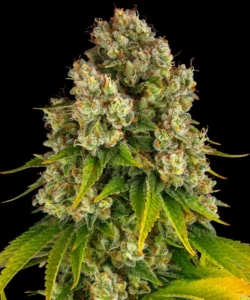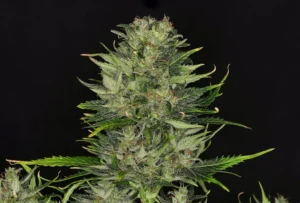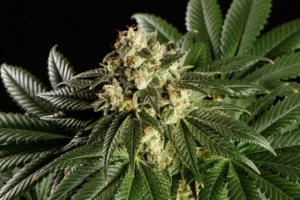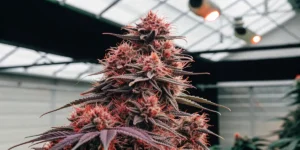
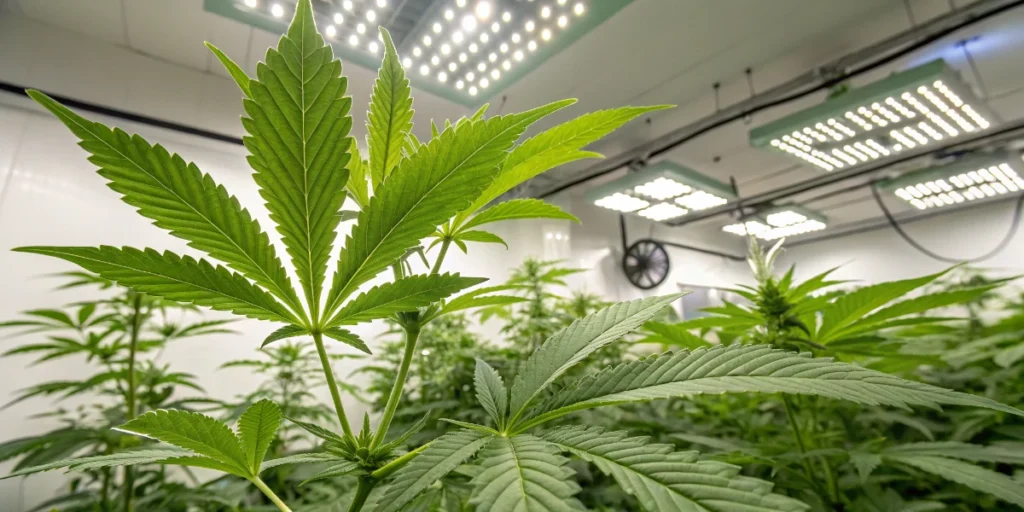

To successfully cultivate Strawberry Lemonade, begin with high-quality seeds or clones. Ensure the growing environment has stable temperatures and humidity levels. This cultivar thrives in both indoor and outdoor settings, but using organic soil can enhance terpene production. Moreover, adequate lighting and nutrient-rich feeds are essential to support vigorous growth and maximize yield potential.
As the plant matures, pay close attention to its nutritional needs. Proper feeding schedules, involving nitrogen-rich nutrients during the vegetative stage and phosphorus-rich ones during flowering, are crucial. Regular pruning and topping of this variety promote bushier growth and improve air circulation. These cultivation techniques will ensure that the buds develop densely, enhancing the overall quality of the harvest.
Recommended Strains
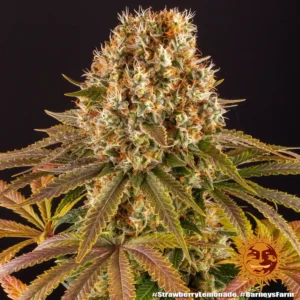
Strawberry Lemonade
 | THC | 24% - 25% (High) |
 | Lineage | Strawberry x Lemon OG |
 | Type | Feminized |
 | Height | 6.56 ft | 2 m |
 | Yield Outdoor | 88.19 oz/plant | 2500 g/plant |
 | Flowering Time | 9 - 10 weeks |
 | Phenotype | 40% Indica / 60% Sativa |
 | Effects | Creative, Calming, Uplifted, Happy, Focused, Energetic |
 | Flavors | Sweet, Lemon, Earthy, Strawberry, Fruity, Hashish |
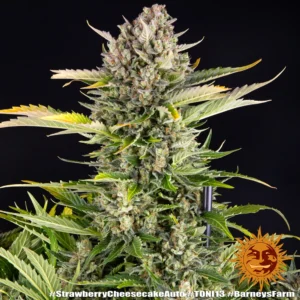
Strawberry Cheesecake Auto
| | THC | 22% - 23% (Medium) |
| | Lineage | (Strawberry Pie x Afghan OG) x BF Super Auto #1 |
| | Type | Autoflowering |
| | Height | 3.94 ft | 1.2 m |
| | Yield Outdoor | 9.88 - 12.35 oz/plant | 280 - 350 g/plant |
| | Life Cycle | 9 - 11 weeks |
| | Phenotype | 75% Indica / 25% Sativa |
| | Effects | Uplifted, Euphoric, Relaxed |
| | Flavors | Strawberry, Hashish, Earthy |
When it’s time to harvest Strawberry Lemonade, monitor trichome development closely, aiming for a milky white appearance for peak potency. Carefully trim and dry the buds to preserve the unique flavors. Curing the cannabis slowly in glass jars enhances the terpenes, offering a refined aroma. By following these steps, growers can ensure a successful and bountiful cultivation process.
Strawberry Lemonade Strain Overview: Traits, Effects & Genetics
This remarkable strain is known for its enticing aroma and dynamic effects. With its striking balance of energizing and relaxing qualities, the plant appeals to both recreational users and medicinal cannabis enthusiasts alike. Cultivators appreciate the robust growth of this variety, which produces dense, resinous buds packed with flavorful terpenes that hint at strawberry and citrus notes.
Famed for its uplifting sensations, this cultivar provides a sense of mental clarity along with a soothing body relaxation. Such effects make it a popular choice for those seeking alleviation from stress without sedation. Enthusiasts and growers find that this strain’s unique combination of effects is both delightful and functional for various uses.
The genetics of this plant bridge popular parent strains, resulting in a distinctive profile that benefits growers and consumers. Its hybrid nature means that during cultivation, it may display traits from both Indica and Sativa lineages, creating versatile growth patterns and a rewarding harvest with substantial yield potential.
Developed with careful breeding techniques, Strawberry Lemonade offers both potency and ease of growth, making it an attractive option for new and seasoned growers. Its robust structure ensures resilience against common issues in cannabis cultivation, ultimately providing a bountiful harvest with rewarding effects that delight users with each use.
Optimal Environment to Grow Strawberry Lemonade Successfully
Creating the ideal environment for cannabis cultivation is crucial for success. This strain thrives in a climate-controlled setting, where temperature and humidity can be precisely managed. Growers should aim to maintain temperatures between 70-80°F (21-27°C) during the day with a slight drop at night. Proper ventilation is also essential to ensure air circulation and reduce the risk of mold on the buds.
To enhance the terpene profile and yield, this variety benefits from high-intensity lighting that mimics the full spectrum of sunlight. Using LED or HID grow lights can help maximize growth and potency. Ensuring that the plant receives a consistent 18 hours of light during the vegetative stage and 12 hours during flowering can boost the development of healthy, robust plants ready for harvest.
Maintaining the right humidity levels is critical to the success of this cultivar. During the vegetative stage, a relative humidity of 40-70% is ideal, while the flowering stage requires slightly lower humidity levels, around 40-50%. By keeping these parameters in balance, the plant can focus its energy on producing dense, resinous buds characteristic of its genetics.
Monitoring the nutrient intake of Strawberry Lemonade is vital for optimal growth. A balanced fertilizer regimen, rich in nitrogen during the vegetative phase and elevated phosphorus and potassium levels during flowering, supports the plant’s overall health. By providing the necessary nutrients, growers can ensure vibrant growth and a bountiful harvest, capturing the true essence of this exceptional cannabis variety.
Grow Room Setup for Strawberry Lemonade Plants
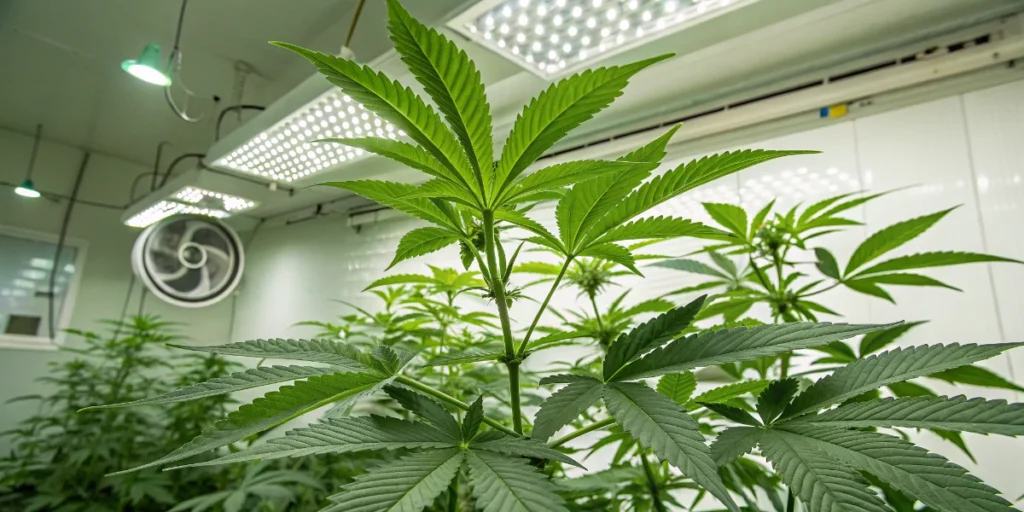
Creating the perfect environment for cannabis cultivation is crucial, especially for growers tending to Strawberry Lemonade plants. For this cultivar, maintain a temperature range of 70-80°F (21-27°C) during the day, and slightly cooler at night. A humidity level of 40-50% provides optimal conditions for the plant, ensuring it thrives and develops robust buds with rich terpenes.
Equipping your grow room with adequate lighting is essential for maximizing the yield of this strain. Consider using full-spectrum LED lights, which mimic natural sunlight and promote healthy growth. The lights should be positioned 18-24 inches above the canopy to prevent light burn and to facilitate even distribution of light across the plant’s foliage.
Proper airflow and ventilation are also key components of a successful setup. Install oscillating fans to circulate air and exhaust fans to remove stale air, thus ensuring this variety remains healthy. A well-ventilated environment reduces the risk of mold and pests, safeguarding the plant’s potential for a bountiful harvest with pungent, flavorful buds.
The foundation of a thriving cannabis grow room includes a suitable soil medium or hydroponic system that meets this cultivar’s needs. For Strawberry Lemonade, a well-draining, nutrient-rich soil mix will support vigorous root development. Alternatively, a hydroponic system provides precise control over nutrient intake and water distribution, potentially enhancing yield and terpene profiles.
Indoor Growing Tips for Strawberry Lemonade
When cultivating this strain indoors, maintaining optimal temperature and humidity levels is crucial for healthy growth. Aim for a temperature range of 70-80°F and relative humidity between 40-50%. This provides the plant with the right environment to thrive, ensuring robust development of its stalks and leaves, ultimately leading to larger buds and a more bountiful yield.
Lighting is a key component for successful cannabis cultivation. For this variety, provide ample light using high-quality LED grow lights set to an 18/6 light cycle during the vegetative phase. Proper lighting encourages the development of strong branches and lush foliage, which supports the production of dense buds rich in terpenes and cannabinoids.
Consistent nourishment is vital for this cultivar’s development. Use a balanced nutrient solution tailored for cannabis, focusing on nitrogen-rich formulas during the vegetative stage to promote vigorous growth. As the plant transitions to flowering, switch to a phosphorus and potassium-heavy formula. This ensures the plant has the necessary nutrients to produce thick, aromatic buds by harvest time.
Outdoor Growing Tips for Strawberry Lemonade
When cultivating this strain outdoors, choosing the right location is crucial. It thrives in a sunny spot with plenty of light exposure throughout the day. The plant benefits from a well-draining soil to prevent root rot, essential for optimal growth. Growers should monitor the pH levels regularly, aiming to keep the soil slightly acidic for the best results.
It is important to prepare for temperature fluctuations when growing this variety. Protecting the plant from harsh weather conditions with a temporary shelter can help maintain consistent growth. This cultivar is susceptible to mold and mildew, so ensure there is adequate airflow around the buds by spacing them properly and pruning as needed to increase sunlight penetration.
To maximize yield, consistent feeding with the right nutrients is vital. During its flowering phase, focus on boosting phosphorous levels to enhance bud development and terpene production. By optimizing feeding schedules and maintaining a diligent care routine, growers can achieve a bountiful and aromatic harvest from this genetics, resulting in a rewarding outdoor cannabis cultivation experience.
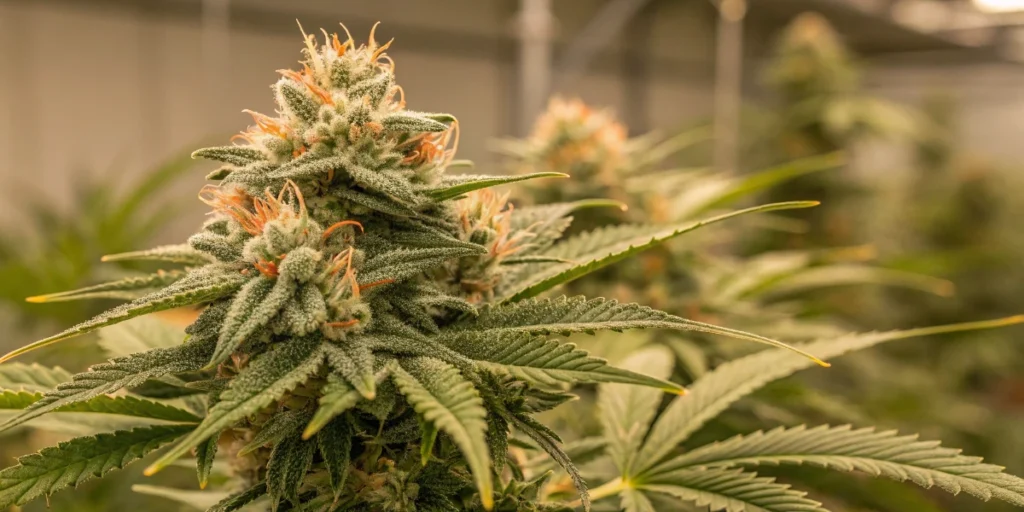
How to Germinate & Propagate
Germinating seeds from this strain involves patience and precision. Start by soaking the seeds of this variety in distilled water for 12 to 24 hours until they show signs of a taproot. Once prepped, transfer these seeds into a damp paper towel, placing them in a plastic bag or container to maintain humidity. Keep this setup in a warm, dark place to optimize germination.
After germination, it’s crucial to understand the best conditions for propagating these seedlings. This cultivar thrives in soil with a balanced pH level between 6.0 and 6.5. Place the seeds about a half-inch deep into the soil, ensuring a gentle, consistent moisture level without overwatering. This will enhance the plant’s potential, encouraging robust root development early in its growth cycle.
Utilizing optimal light conditions is essential once the seedlings of the plant emerge from the soil. Employ a gentle light source initially, like fluorescent lights or LED fixtures, to avoid scorching the fragile young plants. Gradually increase light intensity as the plants grow stronger. This careful management lays the groundwork for healthy development and increases in the eventual yield of vibrant buds.
Consider the environmental factors that influence growth. Maintaining stable temperatures between 70-75°F (21-24°C) and ensuring adequate airflow will prevent mold and pests. Strawberry Lemonade benefits from a controlled environment, allowing the terpenes and cannabinoids to flourish, culminating in a rewarding harvest for growers. This groundwork is key to achieving high-quality buds with desirable attributes.
Vegetative Stage: Nurturing Your Strawberry Lemonade Plants
During the vegetative stage, providing suitable conditions is crucial for robust growth. This stage sets the foundation for future bud production, so ensuring optimal light, nutrients, and water is essential for this cultivar. Growers should aim for 18 hours of light daily to maximize photosynthesis. Consistent watering and a balance of nutrients will help the plant establish a strong root system and vigorous foliage.
This strain thrives on a diet rich in nitrogen, which supports its leafy growth. Growers can use either organic or synthetic fertilizers, but organic options often enhance soil health over time. Monitoring the pH levels of the soil is equally critical; maintaining a range between 6.0 and 7.0 will allow the plant to effectively absorb nutrients, leading to healthier growth and a robust yield at harvest.
Training techniques such as topping and low-stress training (LST) can be employed to encourage bushy growth in this variety. These methods allow more light to penetrate the canopy, promoting larger bud sites and better overall development. It’s also essential to maintain a clean environment, which involves regular pruning of lower leaves and ensuring adequate air circulation to prevent mold and pest issues.
Consistent observation during this stage aids in early identification of any growth issues, allowing for timely corrective actions. Responding swiftly to signs of nutrient deficiencies or pest infestations will ensure your Strawberry Lemonade plants remain healthy. By fostering these conditions, cultivators can enhance the plant’s potential, eventually leading to a rich terpene profile and productive yields.
Flowering Strawberry Lemonade: What to Expect
When growing this strain, cultivators can expect a flowering period that typically spans 8 to 10 weeks. During this phase, the plant begins to showcase its impressive genetic traits. It requires careful monitoring of environmental conditions, such as temperature and humidity, to optimize bud development. Attention to these details will ensure successful cultivation and a healthy yield of aromatic cannabis.
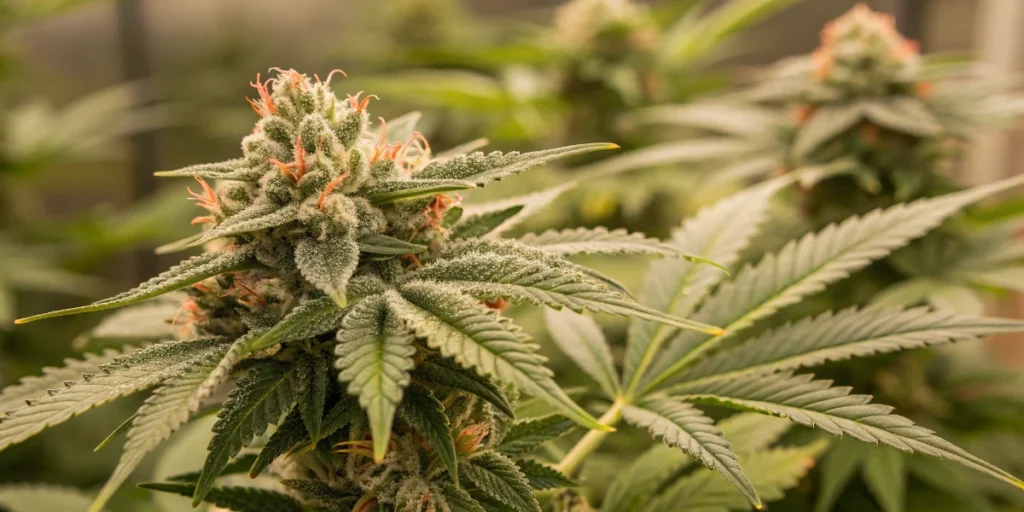
The plant is known for producing dense buds coated in a resinous layer, indicative of its potent profile. Growers should support heavier branches as they mature to avoid breakage. This variety benefits from a balanced nutrient regimen that caters specifically to its flowering needs, promoting robust growth and enhanced terpene production.
As the flowering cycle progresses, the transition of trichomes from clear to cloudy indicates the ideal time for harvest is drawing near. This cultivar’s vibrant blend of terpenes contributes to its unique fragrance, merging sweet and citrus notes. Maintaining proper ventilation will help in preventing mold and mildew, crucial for preserving the quality of the buds.
When it’s finally time to harvest Strawberry Lemonade, the rewards are remarkable. This genetics promise not only a generous yield but also a captivating aromatic experience. Post-harvest curing is essential to enhance the flavors and potency of the buds. This final step in cultivation ensures that the end product lives up to the expectations set by this remarkable strain.
Fertilizers & Nutrient Schedule
When cultivating this strain, it’s essential to provide a balanced nutrient schedule to ensure robust growth. This cultivar thrives with a tailored feeding plan that includes macronutrients like nitrogen, phosphorus, and potassium. Early in the growth cycle, focus on increased nitrogen levels to support foliage development, which will set the foundation for a successful flowering stage.
As the plant transitions to the flowering phase, adjusting the nutrient mix is crucial. During this time, reduce nitrogen levels and increase phosphorus and potassium. These shifts enhance bud development and maximize yield potential. It’s important for growers to monitor the plant closely to detect any nutrient deficiencies or imbalances early in this developmental phase.
A well-structured feeding regimen should also include secondary nutrients and micronutrients such as calcium, magnesium, and iron. These elements play vital roles in the health and terpene profile of this variety. Growers may opt for organic fertilizers or commercial cannabis-specific blends to achieve optimal results, ensuring these nutrients are available in appropriate quantities.
Regularly flushing the soil is recommended to prevent nutrient lockout and buildup, which can harm Strawberry Lemonade and diminish its quality. A strict watering schedule, coupled with periodic soil testing, will guide adjustments in feeding practices. By adhering to a detailed nutrient schedule, cultivators can expect to harvest a bountiful crop of luscious buds.
Pest and Disease Prevention for Healthy Cannabis Plants
To ensure robust growth and a bountiful harvest for your Strawberry Lemonade plants, it’s essential to take proactive measures against pests and diseases. Regularly inspect this cultivar for signs of trouble, such as discolored leaves or stunted growth. Implementing natural deterrents, like neem oil or introducing beneficial insects, can help protect this strain from common threats without harming your buds.
For optimal cannabis cultivation, maintain a clean and organized grow area to reduce potential contaminations. This genetics thrives with adequate air circulation, which can prevent mold and mildew. Moreover, adjusting humidity levels according to this variety’s growth stage is crucial. By monitoring environmental conditions closely, growers can safeguard their plants and terpene profiles from common pathogens.
Practicing crop rotation and sanitation can significantly enhance the health of the plant. After each cycle, thoroughly clean equipment and dispose of any debris to prevent pest infestation. If infections occur, act swiftly with organic treatments to preserve yield. Consistent care and preemptive strategies will help keep Strawberry Lemonade and its vibrant terpenes safe and flourishing.
Harvesting & Drying Strawberry Lemonade the Right Way
When it comes time to harvest this strain, timing is crucial for maintaining the exceptional terpene profile that growers cherish. It’s advisable to closely monitor the trichomes on this variety; once they shift from clear to a milky white, the plant is primed for harvest. This meticulous attention ensures a robust yield and preserves the distinct characteristics of these delightful buds.
After carefully harvesting the plant, it’s vital to transition to the drying process with minimal disruption. Gentle handling prevents damage to the delicate trichome heads, which are critical for preserving the strain’s flavors and potency. Hang the branches in a well-ventilated, dark space to allow the buds to dry evenly, which usually takes about 7 to 10 days under optimal conditions.
Controlling the environment is key during the drying stage. For this cultivar, maintain a temperature between 60-70°F (15-21°C) and a humidity level of around 50%. This setup minimizes the risk of mold while maximizing flavor retention. Proper airflow is essential, so consider using a fan to circulate air, though direct contact with the buds should be avoided.
At this point, curing is the next step in locking in Strawberry Lemonade’s unique flavors. Once dried, place the buds into airtight jars, opening them daily for the first couple of weeks to allow slow moisture release. This process enhances the terpene profile and stabilizes the potency, ultimately giving you a smoother and more enjoyable experience when the time comes to savor this variety.
Strawberry Lemonade Strain Type: Indica, Sativa or Hybrid?
Strawberry Lemonade is a delightful hybrid that perfectly embodies the best of both Sativa and Indica strains. This cultivar offers a balanced experience by combining the energy-boosting effects typical of Sativas with the calming, body-relaxing qualities of Indicas. Growers appreciate this strain for its versatility, making it an ideal choice for cultivation under various conditions.
This variety boasts a high yield thanks to its dynamic growth pattern, with buds that are dense and resinous. The plant is known for its striking terpene profile, which combines the sweet aroma of strawberries with a zesty hint of lemon. This complexity not only contributes to its popularity but also enhances its desirability among cannabis connoisseurs.
The genetics of this hybrid allow it to flourish in both indoor and outdoor setups, providing flexibility for different cultivation practices. Harvest time typically arrives around 9 to 10 weeks, rewarding cultivators with a generous yield. Strawberry Lemonade’s adaptability and robust growth make it a favored choice among both novice and experienced growers.
Why Grow Strawberry Lemonade? Key Benefits for Cultivators
Strawberry Lemonade is a standout choice for cannabis growers due to its impressive yield and robust resistance to pests. This strain flourishes in various environments, making it adaptable for both indoor and outdoor cultivation. Growers appreciate the plant’s vigorous growth, which leads to abundant harvests, while the rich terpene profile adds an enticing aroma and flavor that appeals to a wide consumer base.
One of the key benefits of cultivating this variety is its remarkable bud quality. The dense, resinous flowers glisten with trichomes, ensuring a potent final product that is highly sought after in the market. Additionally, the uplifting effects and sweet, citrusy flavor profile make the plant a favorite among consumers who are looking for an invigorating and enjoyable experience.
This cultivar’s consistent performance across different growing conditions also enhances its appeal to cultivators. It produces a reliable harvest with minimal complications, which is crucial for both novice and experienced growers. Ultimately, incorporating this genetics into any garden promises a rewarding cultivation process and a final product that stands out for its quality and allure.
Potential Challenges When Growing Strawberry Lemonade
One challenge faced by growers focusing on this strain is its sensitivity to humidity levels. Strawberry Lemonade thrives in conditions where humidity is closely monitored, as excessive moisture can invite mold development, negatively impacting the buds. Maintaining a balance in the growing environment is essential for this cultivar to produce aromatic, terpene-rich flowers.
Furthermore, nutrient management can be a hurdle for cultivating this variety. This genetics demands a carefully balanced nutrient regimen to boost growth and maximize yield without causing nutrient burn. Adequate soil conditions, paired with proper nutrient solutions, will reduce the risk of deficiencies and ensure the plant’s robust development throughout the cultivation cycle.
Pest control is another critical aspect of growing the plant effectively. Pest infestations can hinder the plant’s growth, diminish yields, and affect the overall quality of the harvest. Implementing integrated pest management strategies is crucial to safeguarding this variety, ensuring it reaches maturity with healthy and vibrant buds ready for harvest.
Is This Strain Worth Buying? Here’s What You Need to Know
Strawberry Lemonade is a popular choice among cannabis enthusiasts due to its enticing blend of flavors and aromas. This strain offers a unique taste profile that combines fruity notes with a citrusy punch, creating a delightful sensory experience. For growers looking to cultivate high-quality buds, the plant’s genetics promise a satisfying yield when cared for properly during the cultivation process.
Those considering the purchase of this variety have recognized its benefits in both recreational and medicinal applications. Known for its uplifting effects, this cultivar can enhance creativity and focus, making it ideal for daytime use. With its rich terpene profile, the strain holds appeal for both seasoned cannabis consumers and newcomers looking for something special.
The decision to invest in this cultivar largely depends on your personal preferences and cultivation skills. With proper care, it can produce visually appealing buds loaded with aromatic terpenes. Many growers have reported successful harvests due to its robust nature, making it a worthwhile choice for those interested in maximizing yield and quality in their garden.
FAQs
How difficult is it to grow Strawberry Lemonade for beginners?
Strawberry Lemonade is considered a moderately challenging cultivar, ideal for those with some growing experience. It demands consistent attention to factors like humidity and temperature. The plant responds positively to various training techniques such as LST (low-stress training) and topping. While beginners can try cultivating it, a basic knowledge of these techniques is beneficial for optimal yield and plant health.
What is the typical flowering time for this strain?
Strawberry Lemonade typically has a flowering period of 9 to 10 weeks. To ensure healthy flowering, it requires consistent light exposure and stable climatic conditions. Adequate light schedules and nutrient management are crucial during this time. Indoor growers often have more control over these factors compared to outdoor cultivation, but both can achieve excellent results with careful monitoring and management.
What kind of climate does Strawberry Lemonade thrive in?
This strain flourishes in a warm and sunny climate, mimicking a Mediterranean environment. It prefers temperatures ranging from 70 to 80°F (21-27°C). Such conditions facilitate optimal growth and flowering. Growers in cooler climates may consider using a greenhouse or indoor environment to replicate these ideal conditions, ensuring the plant receives sufficient warmth and light for maximum yield.
What yield can I expect from Strawberry Lemonade?
Cultivating Strawberry Lemonade can yield substantial harvests, particularly with optimal growing conditions. Indoor growers can anticipate around 16 to 21 ounces per square meter, while outdoor cultivation might result in 25 ounces per plant. Factors such as proper training, climate control, and nutrient management significantly influence yield outcomes. Consistent care and attention to this variety’s needs are essential to maximize its potential.
What are common nutrient needs for Strawberry Lemonade?
This plant requires a balanced nutrient regimen to thrive, particularly rich in nitrogen during the vegetative stage. As it enters flowering, switching to a formula higher in phosphorus and potassium is beneficial. Monitoring pH levels is also crucial, keeping water and soil within acceptable ranges to prevent nutrient lockout. Using quality organic fertilizers often enhances the health and potency of the plant, ensuring robust growth.