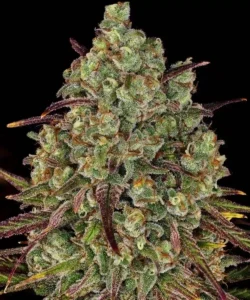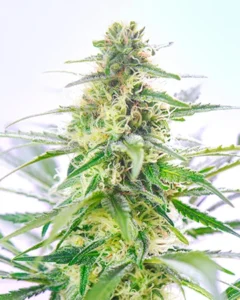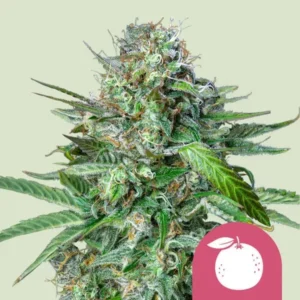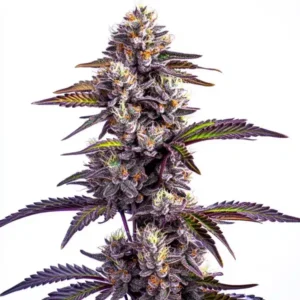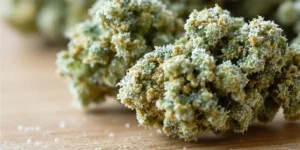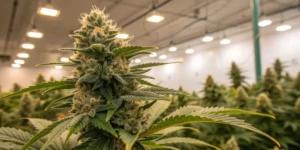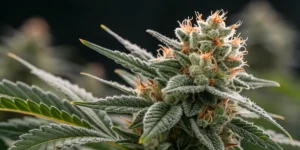
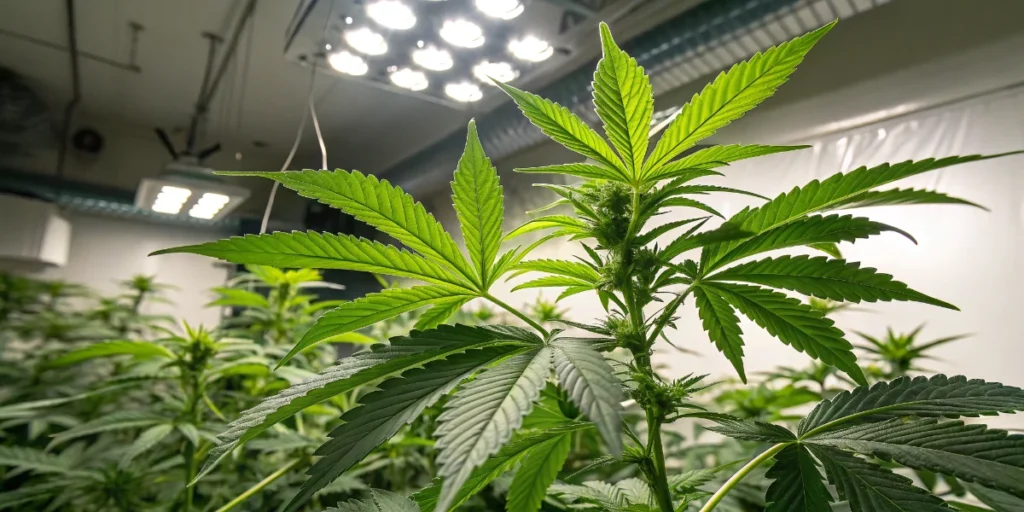

To cultivate Tangerine Sugar successfully, begin with high-quality seeds or clones. Ensure the initial setup includes well-drained soil rich in organic matter. This strain thrives in a warm climate, where temperatures range between 70-85°F. Monitoring the soil pH to maintain it between 6.0 and 7.0 will support optimal absorption of nutrients, promoting healthy growth and resinous buds.
Once the plant establishes itself, focus on a consistent watering and feeding schedule to support its vigorous growth. The cultivar benefits from regular trimming and pruning to encourage ample airflow within the canopy. Be attentive to its need for potassium and phosphorus, particularly during the flowering stage, to enhance its yield and the development of aromatic terpenes.
Recommended Strains
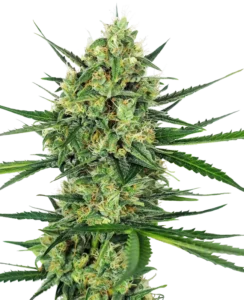
Sensi Seeds Tangerine Sugar
 | THC | 18% - 22% (Medium) |
 | Lineage | California Indica x Skunk x Sensi Skunk |
 | Type | Feminized |
 | Height | 6.56 ft | 2 m |
 | Yield | Medium |
 | Yield Indoor | 1.31 - 1.8 oz/ft² | 400 - 550 g/m² |
 | Flowering Time | 9 - 11 weeks |
 | Phenotype | 30% Indica / 70% Sativa |
 | Effects | Focused, Energetic, Creative |
 | Flavors | Fruity, Diesel, Earthy |

Super Silver Haze
| | THC | 26% - 27% (High) |
| | Lineage | Skunk x Northern Lights x Haze |
| | Type | Feminized |
| | Height | 6.56 ft | 2 m |
 | Yield Outdoor | 52.91 oz/plant | 1500 g/plant |
| | Flowering Time | 10 - 11 weeks |
| | Phenotype | 20% Indica / 80% Sativa |
| | Effects | Creative, Energetic, Calming |
| | Flavors | Pine, Berry, Diesel |
To achieve a bountiful harvest, consider using trellising techniques that support the weighty colas of this variety. Tangerine Sugar expresses its full potential when matured for 8-10 weeks. As the trichomes shift to a milky-white appearance, it signals the ideal time for harvest, ensuring potent buds with an exceptional flavor profile get realized.
Tangerine Sugar Strain Overview: Traits, Effects & Genetics
Tangerine Sugar is a unique cannabis strain cherished by cultivators for its distinct citrus aroma and flavorful terpene profile. This variety is known for producing dense buds that emit a sweet and tangy scent, making it a favorite among growers aiming for a memorable harvest. Its appealing characteristics offer both visual and aromatic delight during cultivation.
This cultivar’s effects are predominantly uplifting, offering an energizing cerebral high that many consumers find ideal for daytime use. The plant’s balance of cannabinoids supports a sense of mental clarity and creativity, making it well-suited for social activities or creative pursuits. As such, it has gained popularity among those seeking enhanced mood and focus.
Genetically, this strain is a cross of well-regarded parent lines, combining potent traits that enhance its overall durability and yield. Growers appreciate its resilience against common pests and mold, which makes the cultivation process smoother. With optimal care, this plant consistently delivers a satisfying and bountiful yield season after season.
In terms of cultivation, careful attention to environmental factors helps maximize the potential of this genetics. Ensuring adequate light, nutrients, and water intake is essential to encourage robust growth and prolific flowering. With its manageable growth structure, both indoor and outdoor growers find success in optimizing the productive cycles of this variety.
Optimal Environment to Grow Tangerine Sugar Successfully
To ensure the successful cultivation of Tangerine Sugar, growers must replicate an environment similar to its natural habitat. This strain thrives best in controlled indoor conditions where temperature, humidity, and lighting can be carefully adjusted. The ideal temperature range for this variety is between 70-80°F (21-27°C), which promotes healthy growth and maximizes yield.
Humidity is another critical factor in achieving a bountiful harvest. During the vegetative stage, maintain a humidity level of 60-70% to encourage vigorous growth. As the plant transitions to the flowering stage, gradually reduce humidity to 40-50% to enhance resin and terpene production, thereby improving the quality of the buds.
Lighting is essential for the plant’s growth cycle. Use high-quality LED or HID lights to provide intense, full-spectrum illumination that mimics natural sunlight. Lighting schedules should follow an 18-6 hour cycle during vegetative growth and switch to a 12-12 hour schedule to initiate and sustain the flowering phase, maximizing the genetic potential of this cultivar.
Proper airflow and ventilation are crucial to prevent mold and pests, which could otherwise compromise the health of the plant. Ensure a steady circulation of fresh air, with exhaust systems in place to control temperature and humidity effectively. By mastering these environmental conditions, growers can cultivate Tangerine Sugar with exceptional potency and aromatic terpenes.
Grow Room Setup for Tangerine Sugar Plants
Creating an optimal grow room setup is crucial for successful cannabis cultivation, especially for this cultivar. Ensuring proper light exposure is essential for this strain, as it heavily influences the plant’s growth and bud development. Equip your room with high-quality LED grow lights that provide a full spectrum, making sure they are adjustable to accommodate the different growth stages of the plant.
Temperature and humidity are other vital factors for cultivating this variety. Maintaining a stable temperature range of 68-77°F (20-25°C) will support healthy development, while keeping humidity around 40-60% can prevent mold and enhance terpene production. Growers should invest in reliable thermometers and hygrometers to monitor these conditions consistently.
Ventilation is equally important when setting up a grow room for this genetics. Consistent airflow will help manage temperature and humidity while reducing the risk of pests and diseases. Installing fans for air circulation and carbon filters to control odors effectively will create an optimal environment for it to thrive.
Selecting the right medium for Tangerine Sugar is fundamental for maximizing yield and ensuring a successful harvest. This strain tends to flourish in well-draining soil enriched with organic nutrients. Incorporating a balanced feeding schedule with supplements for vegetative and flowering stages will promote robust growth and enhance the quality of the buds.
Indoor Growing Tips for Tangerine Sugar
When cultivating this strain indoors, it is crucial to maintain optimal light conditions. LED lights are highly recommended as they provide the necessary spectrum while being energy-efficient. Ensure the lighting schedule mimics natural conditions, with 18 hours on and 6 hours off during the vegetative stage. This will help the plant develop lush foliage, preparing it for robust budding in later stages.
This variety benefits from maintaining a consistent temperature and humidity level, ideally between 70-80°F and 40-60% RH. Stable conditions prevent stress, promoting healthier growth and maximizing yield. Air circulation is equally important to prevent mold development on the dense buds. Using oscillating fans can ensure even airflow, contributing to a resilient and thriving plant environment.
Nutrient management is essential for successful cannabis cultivation. Feed the plant with a balanced mix of nitrogen, phosphorus, and potassium during the vegetative stage, transitioning to a phosphorus-rich formula as it enters flowering. Regular monitoring of pH levels in the soil or hydroponic system is vital to prevent nutrient lockout, ultimately enhancing terpene profiles and improving overall harvest quality.
Outdoor Growing Tips for Tangerine Sugar
When cultivating this strain outdoors, selecting a location with ample sunlight is crucial. This variety thrives in warm, sunny climates, where it can bask in at least 6-8 hours of direct sunlight daily. Ensure to choose well-draining soil to prevent water-logging, which can be detrimental to the plant’s root system. A nutrient-rich base will support robust development and maximize yield.
This cultivar benefits from regular pruning to promote air circulation and light penetration throughout the canopy. Pruning also helps prevent mold and pests, allowing the plant to focus its energy on developing larger buds. Implementing an organic pest management strategy is advisable to protect the plant while maintaining the purity of its terpenes, crucial for both quality and aroma.
Monitoring and maintaining optimal conditions are critical, especially as harvest approaches. Consistent checks for pests and disease are paramount during this stage. Growers should be vigilant in adjusting water and nutrient levels to fit the maturity of the plant. A successful cultivation cycle will reward you with a bountiful harvest and robust buds, showcasing the unique features of this genetics.
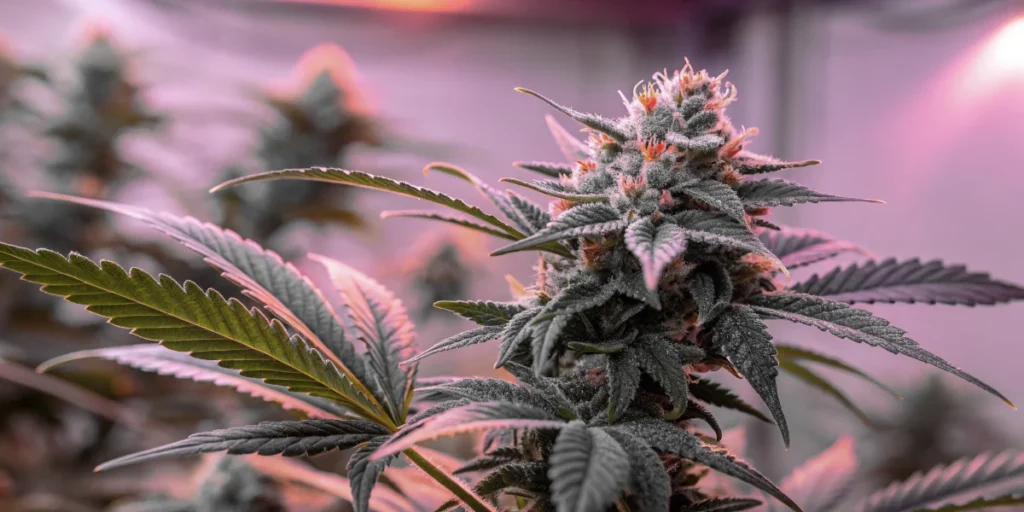
How to Germinate & Propagate
Germinating the seeds of Tangerine Sugar is the first step in nurturing this strain into a thriving plant. Start by soaking the seeds in distilled water for 12-24 hours. Then, place them between moist paper towels in a warm, dark environment. Within 2-7 days, taproots will emerge, signaling readiness for planting.
Once the seeds have germinated, carefully transfer them into small pots filled with high-quality, well-draining soil. This variety appreciates a balanced pH level between 6.0 and 7.0 for optimal root development. Keep the soil consistently moist but not waterlogged, ensuring the delicate seedlings receive adequate light to grow strong.
Propagation of this cultivar often involves cloning to maintain genetic consistency. To clone, take healthy cuttings from a mature plant, typically 4-6 inches long. Dip the ends in a rooting hormone and plant into a medium like rock wool or peat pellets, providing similar environmental conditions as seedlings until roots develop.
As the plants mature, growers can anticipate vibrant terpenes and potentially significant yields if proper conditions are maintained. Tangerine Sugar’s buds should be watched closely, allowing for harvest at optimal resin levels to maximize potency and flavor. Regular attention to its needs throughout the growth cycle ensures a successful cultivation experience.
Vegetative Stage: Nurturing Your Tangerine Sugar Plants
Cultivating Tangerine Sugar during its vegetative stage is a rewarding process that will set the foundation for a successful harvest. At this stage, focus on providing ample light, ideally 18 to 24 hours a day, to encourage vigorous growth. Indoor growers should ensure proper ventilation and temperature control, maintaining a climate conducive to the development of strong stems and healthy foliage.
This variety benefits from well-draining soil, enriched with organic matter to support robust root systems. Regular watering is crucial, but be cautious of overwatering. As the plant grows, monitor the pH level of the soil. Maintaining a balance between 6.0 and 7.0 will optimize nutrient uptake, which is essential for the eventual production of potent terpenes and dense buds.
For optimum results, consider incorporating a balanced nutrient regimen tailored for cannabis during this growth phase. High nitrogen levels are crucial as they promote leafy growth, which is pivotal for supporting the plant’s structure. This cultivar is responsive to training techniques like topping and low-stress training, which will help increase exposure to light and maximize future yields.
As you nurture this strain, keep a close eye on the environment to shield it from pests and diseases that can hinder growth. Implement preventive measures such as using neem oil or introducing beneficial insects. With diligence and care, your Tangerine Sugar plants will thrive, setting the stage for a bountiful flowering period with the potential for an impressive yield.
Flowering Tangerine Sugar: What to Expect
When cultivating Tangerine Sugar, growers can anticipate several distinct characteristics during the flowering phase. This period typically lasts around 8 to 10 weeks. As the plant matures, its buds become dense and resinous, making it highly appealing to both commercial growers and home cultivators. This strain’s flowering phase is marked by the development of vibrant colors and remarkable aromatic terpenes.
Throughout the flowering stage, this cultivar thrives in environments where temperature and humidity are optimally controlled. Night-time temperatures should ideally be slightly cooler than daytime temps to emphasize the robust terpene profile. Monitoring these conditions closely can lead to maximizing the yield potential of the plant. This variety also requires careful feeding to support its hefty bud development.
As harvest time approaches, the plant’s signature aroma becomes more pronounced. Its fragrance is a distinctive combination of citrus and sweet, often reflecting the Tangerine Sugar name. Regular observation of trichomes is vital; once they change from clear to a milky white, it’s a signal that the plant is nearing its peak, making it the perfect time for harvest.
Attention to detail during the flowering cycle, including proper lighting and nutrient management, will ensure a bountiful yield. This cultivar is known for its robust and flavorful buds, rewarding dedicated growers with a high-quality harvest. Whether for personal use or commercial purposes, tending to the nuances of this strain will enhance the overall cultivation experience.
Fertilizers & Nutrient Schedule
Nutrient management is crucial for achieving a successful harvest with Tangerine Sugar. This cultivar thrives on a balanced diet of nitrogen, phosphorus, and potassium, especially in its early growth stages. To maximize the terpene profile and yield, cannabis growers should apply a nutrient ratio tailored for each phase of the plant’s life cycle. Regular monitoring ensures optimal results.
This variety responds well to organic fertilizers, which help enhance its natural flavors and aromas. During the vegetative phase, increase nitrogen levels to support leaf and stem development. As it transitions to flowering, gradually adjust the feeding schedule to focus on phosphorus and potassium, crucial for bud development. Consistency and care in feeding will deliver the best results.
Maintaining the right pH level is vital for nutrient uptake, with this strain preferring a slightly acidic environment. Aim for a pH range between 6.0 and 6.5 to ensure nutrients are readily available without causing deficiencies or toxicities. Regular pH checks prevent common issues that can impact the overall health and productivity of the plant.
Understand that every genetics may exhibit unique feeding needs based on its environment and conditions. Observing Tangerine Sugar closely and adjusting the nutrient plan as needed will enhance its resilience and contribute to a bountiful yield. Addressing specific nutrient deficiencies promptly will keep the growth trajectory on the right path.
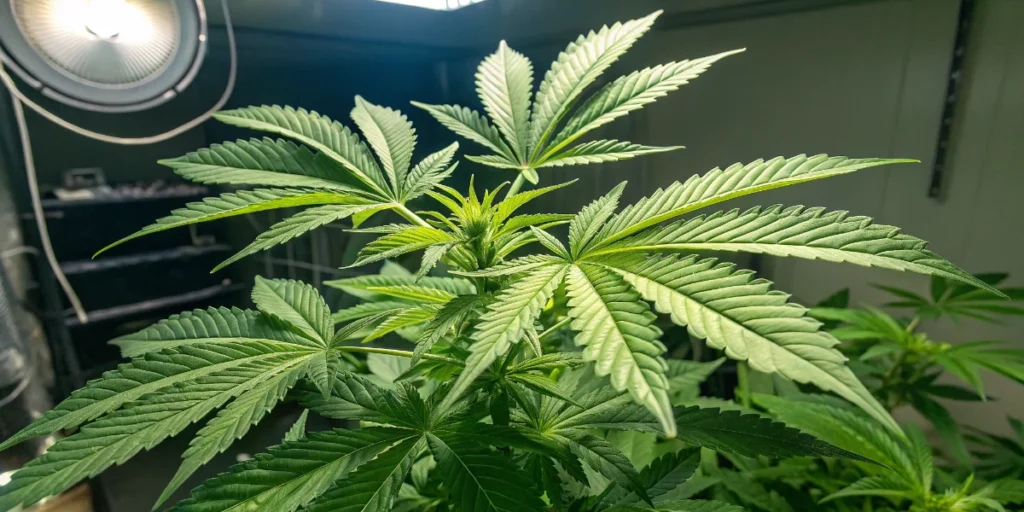
Pest and Disease Prevention for Healthy Cannabis Plants
To ensure the best yield and terpene profile from this variety, growers must prioritize pest and disease prevention. A well-maintained environment with balanced humidity and proper airflow can significantly reduce the risk of infestations. Regular checks are crucial; visually inspect the plant for early signs of trouble such as discoloration, unusual spots, or bugs on the leaves and buds.
This strain can benefit from natural pest control methods like introducing beneficial insects, which help to maintain a healthy balance in the cultivation space. Neem oil is a popular organic option used to prevent common cannabis pests. It’s important to rotate treatment methods to prevent resistance buildup and to clean growing areas regularly to minimize disease risk.
Tangerine Sugar, like many cannabis cultivars, can resist several diseases when preventive measures are correctly implemented. Keeping the soil healthy by using compost teas can boost its immune response. Additionally, employing crop rotation strategies where possible can be beneficial. Preventive steps not only ensure a bountiful harvest but also maintain the plant’s characteristic qualities, from terpene richness to overall vigor.
Harvesting & Drying Tangerine Sugar the Right Way
To achieve the highest quality from this strain, timing the harvest correctly is crucial. Tangerine Sugar typically reaches peak harvest maturity when the trichomes are milky with some turning amber. Attention to the pistils and overall bud development can guide growers for the optimal moment to harvest the plant, ensuring that the benefits of this variety are fully realized.
Once you’ve identified the perfect time to harvest, proceed with care to minimize stress on the plants. Using clean, sharp tools, snip the branches during early morning hours, which reduces the risk of contaminating the buds. This cultivar benefits from gentle handling, preserving the delicate trichomes that are responsible for its unique terpenes and enhancing the overall yield.
After harvesting, drying is the next crucial step in preserving the quality of your cannabis. This variety should be hung upside down in a controlled environment with moderate humidity and temperatures around 60-70°F (15-21°C). Proper air circulation is essential to prevent mold and allow the buds of the plant to retain their aromatic properties.
The final step is curing, which significantly impacts the flavor profile and potency of the buds. Place the dried cannabis in glass jars, opening them daily to release excess moisture initially. This slow curing process allows it to develop its full terpene profile, ensuring that Tangerine Sugar stands out with its remarkable characteristics. Following these steps will maximize the potential of this exceptional genetics.
Tangerine Sugar Strain Type: Indica, Sativa or Hybrid?
The Tangerine Sugar strain is best described as a well-balanced hybrid, offering an exquisite blend of genetics that entice both recreational and medical cannabis users. Known for its vibrant profile, the plant combines traits from both Indica and Sativa varieties, resulting in a versatile growth pattern and a robust terpene profile. This cultivar provides growers with opportunities for both indoor and outdoor cultivation.
This particular variety tends to present visual characteristics typical of hybrids. The plant’s structure supports a moderate yield, offering growers dense buds that exhibit a frosty appearance. Its mixed genetic lineage not only influences the appearance but also contributes to the strain’s diverse effects, making it a favorite among those who value balanced cannabis experiences and are seeking a strain with well-rounded benefits.
For growers interested in maximizing their harvest, recognizing the hybrid nature of this strain is crucial. Patient cultivation will reveal a terpene-rich profile that features a refreshing citrus aroma, a signature trait of its lineage. The hybrid genetics ensure that Tangerine Sugar thrives in varied environments, producing a bountiful yield when provided with proper care and suitable growing conditions.
Why Grow Tangerine Sugar? Key Benefits for Cultivators
One of the standout reasons cultivators choose Tangerine Sugar is its exceptional terpene profile, offering a sweet citrus aroma that enhances the overall cannabis experience. This strain is known for producing dense buds with a high yield, which makes it appealing for growers looking to maximize their harvest. Its unique flavor and aroma create a desirable product for a competitive market.
This variety is particularly sought after for its resilience in various cultivation environments. It thrives both indoors and outdoors, showing adaptability that makes it suitable for different grower preferences. The plant’s sturdy growth characteristics ensure that even novice growers can achieve successful results through its cultivation, minimizing potential challenges commonly associated with growing cannabis.
The genetics of this cultivar make it a potent choice for those seeking a gratifying effect upon consumption. With a harmonious balance of cannabinoids and terpenes, it doesn’t just promise excellent yields but also provides a quality product that consumers love. This combination of benefits makes the plant a prime choice for cultivators aiming for both quantity and quality in their harvests.
Potential Challenges When Growing Tangerine Sugar
Growing Tangerine Sugar can present unique challenges for both novice and experienced cannabis cultivators. One primary difficulty lies in maintaining the optimal climate conditions that this strain prefers. It requires a warm, temperate environment with stable humidity levels to flourish. Ensuring adequate airflow and regular monitoring can prevent issues such as mold and pest infestations, which can affect the plant’s health and overall yield.
This strain is known for its vibrant terpenes and resinous buds, but achieving these qualities demands careful nutrient management. Overfeeding can lead to nutrient burn, detrimental to the desired aroma and taste. On the other hand, underfeeding may result in weaker growth and reduced potency. Regular soil testing and observing plant responses are crucial for providing the right nutrient balance throughout the cultivation process.
Another challenge growers may encounter with this variety is controlling the plant’s height and structure. Tangerine Sugar tends to stretch during the flowering phase, which could necessitate pruning or training techniques to manage its growth effectively. Implementing techniques such as topping or low-stress training can help in maximizing space and light exposure, ultimately enhancing bud production and fostering a successful harvest.
Is This Strain Worth Buying? Here’s What You Need to Know
For those considering Tangerine Sugar, you’ll find it an intriguing option due to its impressive terpene profile and vibrant buds. This strain is cherished by cannabis enthusiasts for its unique aroma and strong effects. Growers are also captivated by how well this variety performs, making it a well-rounded choice for both personal and commercial cultivation endeavors.
This plant is particularly known for its robust growth and substantial yield, which is ideal for growers seeking a rewarding harvest. The genetics of the cultivar allow it to thrive in both indoor and outdoor environments. Furthermore, its adaptability to various climates enhances its appeal, broadening its accessibility to cultivators in different regions.
When considering if this cultivar is worth purchasing, the answer lies in its distinguished characteristics and growing potential. Tangerine Sugar stands out for its impressive yield and aromatic terpenes that contribute to its popularity. This variety not only proves to be a strong performer in the garden but also a delightful addition for any cannabis connoisseur seeking a memorable experience.
FAQs
What is the ideal climate for cultivating Tangerine Sugar?
Tangerine Sugar thrives in a Mediterranean-like climate with plenty of sunlight and moderate humidity. This strain prefers mild temperatures, ideally between 70-80°F (21-27°C). Ensuring it receives ample light, especially during the flowering stage, is crucial for maximizing yield. If cultivating indoors, maintaining consistent temperature and humidity levels will help prevent stress and support healthy growth throughout its cycle.
What kind of yield can I expect from Tangerine Sugar?
Yields from Tangerine Sugar are typically generous, with outdoor plants producing more than indoor ones. Indoors, growers can expect around 400-500 grams per square meter, while outdoor cultivation can yield over 500 grams per plant. Ensuring that the plant receives enough nutrients and light, along with proper training techniques, can enhance yield significantly.
How long does Tangerine Sugar take to flower?
This cultivar generally has a flowering time of 8-10 weeks. During this period, it’s important to provide consistent care, including maintaining optimal light cycles. Regularly monitoring and adjusting environmental factors like temperature and humidity will help ensure the plant matures properly, producing dense, resinous buds that characterize Tangerine Sugar.
Are there specific nutrient needs for Tangerine Sugar?
Like many cannabis varieties, Tangerine Sugar benefits from a balanced nutrient regimen. During the vegetative phase, a higher nitrogen concentration is essential, while in the flowering stage, increased phosphorus and potassium levels support bud development. Regularly monitoring the plant for nutrient deficiencies will allow timely corrections, leading to healthier growth and enhanced flower quality.
What training techniques work best with this strain?
This variety responds well to both low-stress training (LST) and topping. LST involves gently bending branches to create an even canopy, which can be beneficial for light distribution. Topping can encourage bushier growth, increasing the potential yield. These techniques, when applied carefully, can help Tangerine Sugar reach its full potential by maximizing light exposure and encouraging robust development.