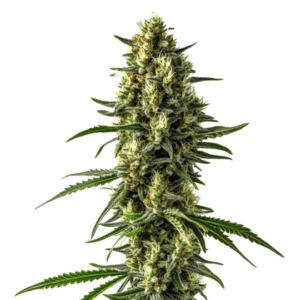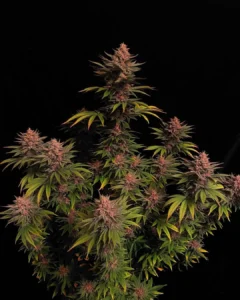

Starting with soil preparation is crucial for cultivating Tangie Auto. Ensure the soil is rich in nutrients and allows for adequate drainage to prevent waterlogging. Cannabis enthusiasts recommend adding perlite to improve aeration. This variety thrives in temperatures between 70-85°F (21-29°C), so maintaining these conditions consistently can boost growth. Start with quality seeds for optimal results.
Germinate seeds of this cultivar indoors using the paper towel method, ensuring they remain moist and warm. Once sprouts appear, transfer them to pots with nutrient-rich soil. The plant requires 18-20 hours of light daily during the vegetative stage to maximize its potential. LED grow lights are an effective option to provide the balanced spectrum this genetics needs.
Recommended Strains
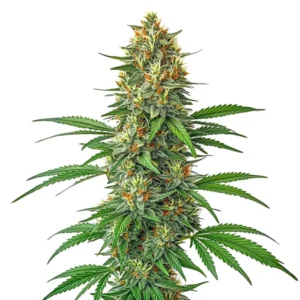
Tangie Auto
 | THC | 20% - 23% (Medium) |
 | Lineage | Rudelaris x Tangie |
 | Type | Autoflowering |
 | Height | 4.92 ft | 1.5 m |
 | Yield | Low |
 | Yield Indoor | 1.15 - 1.31 oz/ft² | 350 - 400 g/m² |
 | Yield Outdoor | 19.4 - 24.69 oz/plant | 550 - 700 g/plant |
 | Life Cycle | 8 - 10 weeks |
 | Phenotype | 40% Indica / 60% Sativa |
 | Medical | Arthritis, Insomnia, Pain |
 | Effects | Happy, Relaxed, Talkative |
 | Flavors | Fruity, Lemon, Orange |
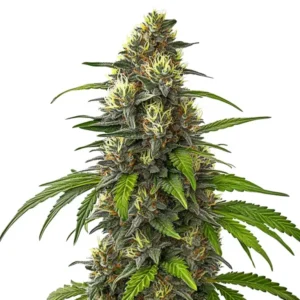
Cafe Racer Auto
| | THC | 19% - 24% (Medium) |
| | Lineage | Clementine x Purple Punch |
| | Type | Autoflowering |
| | Height | 4.92 ft | 1.5 m |
| | Yield | High |
| | Yield Indoor | 1.8 - 1.97 oz/ft² | 550 - 600 g/m² |
| | Yield Outdoor | 2.82 - 7.05 oz/plant | 80 - 200 g/plant |
| | Life Cycle | 10 - 11 weeks |
| | Phenotype | 50% Indica / 50% Sativa |
| | Medical | Anxiety, Depression, Pain |
| | Effects | Happy, Relaxed, Talkative |
| | Flavors | Citrus, Fruity, Sweet |
As this variety transitions to flowering, reduce the light cycle to 12 hours on and off. The plant will produce aromatic buds abundant in terpenes that signal harvest readiness. Tangie Auto typically flowers in 8-9 weeks, and careful monitoring of trichomes will help determine the optimal harvest time. Expect substantial yields by following these well-defined steps.
Tangie Auto Strain Overview: Traits, Effects & Genetics
Tangie Auto is a celebrated autoflowering cannabis strain known for its remarkable traits and ease of cultivation. This variety is prized by growers for its rapid growth cycle and resilient nature, making it ideal for both beginners and seasoned cultivators. The plant boasts vibrant buds laden with an alluring citrusy scent, characteristic of its rich terpene profile.
In terms of effects, this strain is revered for delivering a potent yet balanced experience. Users often report a euphoric and uplifting high, making it perfect for daytime use or social gatherings. Along with its energetic properties, the plant is also noted for inducing creativity and focus, providing versatile benefits for recreational and medicinal users alike.
Genetically, this cultivar inherits traits from both the Tangie strain and renowned autoflowering genetics. The result is a stable plant that flourishes in various environments, from indoor grow setups to outdoor gardens. Its robust genetic lineage ensures a consistent yield, producing dense buds in a relatively short span, thereby appealing to cultivators seeking efficiency.
The cultivation of this variety is straightforward, thanks to its autoflowering attributes and robust nature. Growers can anticipate a rewarding harvest without the need for intricate light adjustments. With proper care and optimal conditions, this cannabis strain can be expected to deliver a bountiful yield that encapsulates its unique aromatic and psychoactive qualities.
Optimal Environment to Grow Tangie Auto Successfully
To cultivate this strain optimally, growers should ensure a warm and consistent climate. The plant thrives in temperatures between 70-85°F (21-29°C). Maintaining this range promotes healthy growth, enhancing both terpene profile and yield. Regularly monitor and adjust conditions to prevent stress, which could negatively impact the quality of the buds.
Managing humidity levels is crucial for this variety. During its vegetative stage, aim for a relative humidity of 60-70%. As the plant transitions to flowering, gradually reduce humidity to around 40-50%. This adjustment helps the buds develop without the risk of mold, ensuring a successful harvest with maximum potency and aroma.
Lighting plays a significant role in the cultivation of this cultivar. Install high-quality LED or HID lights to provide the bright environment it demands. A cycle of 18 hours of light followed by 6 hours of darkness generally works well. Proper lighting not only influences the plant’s growth rate but also enhances the overall quality of its buds.
Ensure adequate air circulation around the plant. This prevents the buildup of excess humidity and strengthens stems. Good airflow, combined with precise nutrient management, contributes to the robust growth of Tangie Auto. By meeting these environmental requirements, growers can achieve a bountiful harvest with rich terpene profiles characteristic of this beloved cannabis genetics.
Grow Room Setup for Tangie Auto Plants
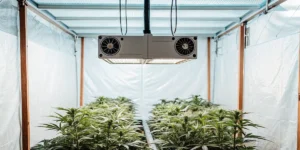
Proper setup is crucial for cultivating cannabis, ensuring that this strain reaches its full potential. Start by selecting a room or space with optimal conditions for this variety’s growth. Tangie Auto thrives best with a temperature ranging between 70-85°F (21-29°C). Maintaining these temperatures will help the plant produce healthy buds that are rich in terpenes.
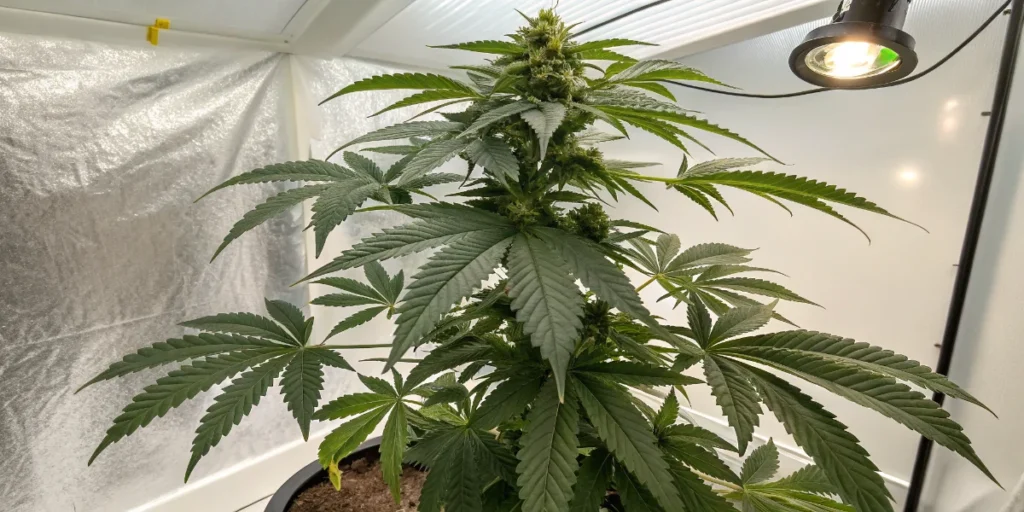
Lighting is essential for cannabis cultivation, and this genetics prefer an 18/6 light cycle for robust growth. LEDs are a modern choice due to their efficiency and full-spectrum capabilities, providing the ideal light conditions for this cultivar. Position lights no closer than 18 inches to prevent overheating the plant, ensuring a bountiful yield.
Humidity control is a vital aspect of growing this variety, as it impacts the plant’s health and final harvest quality. Aim to keep humidity levels between 40-50% during the vegetative phase, lowering to 30-40% during flowering. A consistent airflow helps to prevent mold and pests from damaging the precious buds of this strain.
The choice of soil or hydroponic setup greatly influences the overall success. Tangie Auto performs well in rich, organic soil, which enhances its aroma and flavor profile. For growers opting for hydroponics, ensure nutrient solutions are meticulously balanced. A well-prepared grow room promises high-quality, aromatic yields that highlight its unique properties.
Indoor Growing Tips for Tangie Auto
When cultivating this strain indoors, it’s vital to monitor environmental factors such as temperature and humidity. This cultivar thrives when temperatures are kept between 68°F and 77°F, with relative humidity starting at 60% during the vegetative stage and gradually reducing to 40% by harvest. Providing adequate ventilation will also help prevent mold growth, ensuring healthy buds.
The plant responds well to a light cycle of 18/6 (18 hours of light and 6 hours of darkness) during its life cycle. Growers can optimize its yield by using full-spectrum LED lights, which mimic natural sunlight and promote terpenes development. Consistent light exposure ensures that this variety produces dense, aromatic buds, critical for high-quality cannabis.
For soil cultivation, using organic nutrients will boost the quality of the buds and ensure optimal growth. Regularly check pH levels to keep them between 6.0 and 6.5. Pruning lower leaves can improve airflow and light penetration, enhancing overall yield. Properly timing the harvest will capture the peak terpene profile, resulting in exceptional aroma and potency.
Outdoor Growing Tips for Tangie Auto
To maximize the potential of this strain in an outdoor setting, select a location that receives ample sunlight throughout the day. The plant thrives in warm climates, so ensure the chosen spot is shielded from harsh winds. Prepare the soil with compost and organic matter to support robust cannabis cultivation, which is essential for healthy growth and bountiful buds.
This cultivar is known for its resilience, making it suitable for outdoor growing even in less-than-ideal conditions. However, consistent watering is crucial, especially during dry spells. Mulching can help retain soil moisture, reducing the need for frequent watering. With the right balance, this variety can produce a generous yield of aromatic buds, rich with terpenes that define its unique profile.
Monitoring for pests and diseases is essential to protect the plant, as outdoor environments can pose challenges. Utilize natural pest control methods to maintain it safely and organically. Regularly check for any signs of mold, particularly as harvest approaches. With attentive care, growers can anticipate a rewarding harvest from this genetics when cultivation conditions are optimized.
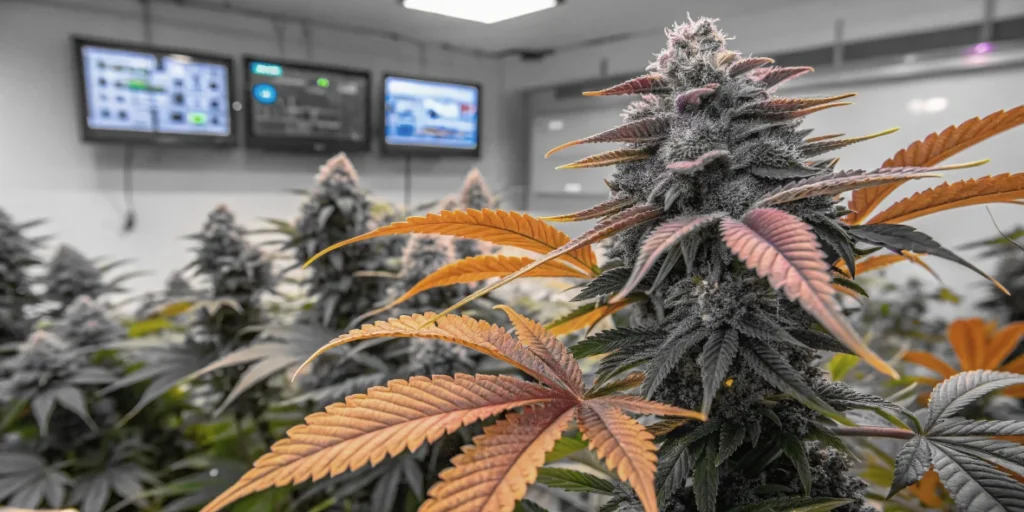
How to Germinate & Propagate
Germinating Tangie Auto successfully begins with selecting high-quality seeds. Place them in a damp paper towel inside a container to keep humidity consistent. Ensure the environment is warm, favoring temperatures between 70-85°F. This strain is known for reliable sprouting when these conditions are met, making it easier for growers to achieve a healthy start.
Once the seeds of this variety have sprouted, it’s essential to prepare the soil. Use a light, well-draining potting mix that will allow the roots to expand and absorb nutrients effectively. The plant thrives under optimal soil conditions, which help pave the way for robust growth and a rewarding yield come harvest time.
During propagation, maintaining ideal humidity and light conditions is crucial. This cultivar requires around 18-24 hours of light during its vegetative stage. Additionally, attention should be given to the water and nutrients; it prefers a balanced, nutrient-rich feeding regimen to steadily build up health and terpene richness within the buds.
By carefully monitoring and adjusting environmental factors, growers can maximize the growth potential of the plant. This approach encourages vigorous development, increasing the likelihood of a plentiful harvest. Remember to regularly inspect the plant for any signs of stress or pest infestation, ensuring this genetic variety reaches its full potential.
Vegetative Stage: Nurturing Your Tangie Auto Plants
In the vegetative stage, this strain benefits from a warm environment with temperatures ranging between 70-85°F. Adequate light is crucial, so aim for 18-24 hours of light daily to promote optimal growth. This variety thrives in well-draining soil, and it’s essential to keep the medium evenly moist to ensure healthy root development. Consistent attention during this phase sets the foundation for future success.
This cultivar requires balanced nutrition with a focus on nitrogen to support leaf development and robust stems. A high-quality cannabis-specific fertilizer can facilitate this. It’s also vital to monitor the pH level of the water and soil to keep it within a range of 6.0-7.0, ensuring the plant can absorb nutrients efficiently. Regular pH checks are a prudent cultivation practice that shouldn’t be overlooked.
During the vegetative phase, consider gentle pruning techniques to encourage airflow and light penetration throughout the canopy of the plant. Training methods like low-stress training (LST) can be applied to shape the plant for an even yield. These practices not only increase potential harvest size but also enhance the development of buds, contributing to the overall quality and terpene profile.
Cultivators should remain vigilant for pests and diseases, as early detection is key to prevention. Using preventive measures like neem oil or insecticidal soaps can protect it without harming your Tangie Auto plants. Keep a close eye on humidity levels, ideally maintaining them around 40-60%, to deter mold and mildew, ensuring a healthy maturation process as the plant prepares for the flowering stage.
Flowering Tangie Auto: What to Expect
When cultivating this strain, growers can anticipate a flowering period that typically spans eight to ten weeks. The plant is known for its robust nature, making it suitable for various growing environments. During this time, the cannabis buds develop rapidly, showcasing the prolific growth patterns that this cultivar is celebrated for. Proper care and attention to the plant’s needs will ensure optimal results.
As the buds of this variety mature, the grower will notice an exquisite aroma emanating from the flowering sites. The terpenes are incredibly prominent in this cultivar and are characterized by distinct citrus and sweet notes. Light management and nutrient adjustments play crucial roles during this stage, contributing to the overall quality and potency of the harvest that awaits.
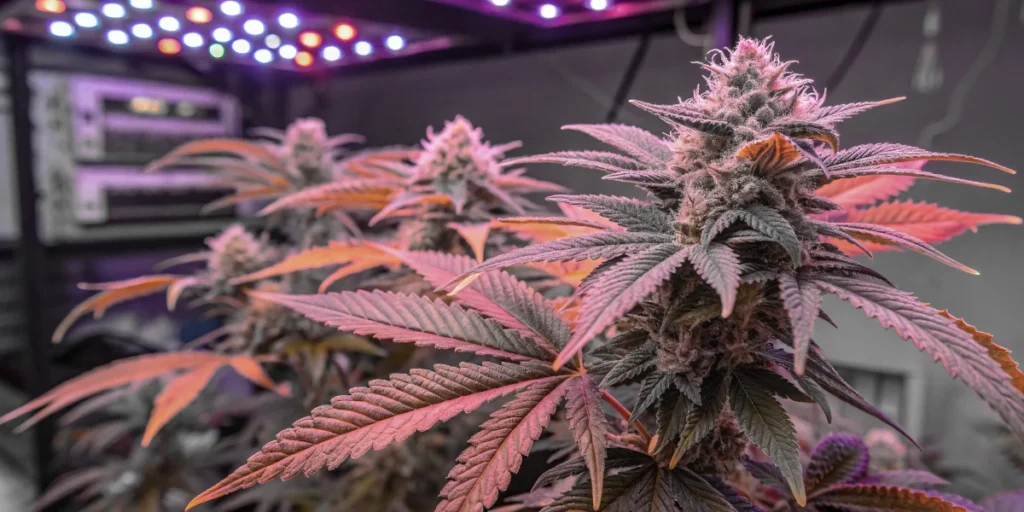
Cultivators of the plant should monitor environmental conditions closely. Maintaining stable humidity and temperature levels is essential to prevent mold and pests that could potentially affect yield. The dense, resin-coated buds of this variety tend to draw attention not only for their aromatic profile but also for their impressive visual appeal as they approach readiness for harvest.
Growing Tangie Auto offers a rewarding experience marked by a bountiful and aromatic harvest. This strain’s buds, once fully developed, reveal a splendid mix of bright and vivid colors, indicative of its distinct genetics. With perseverance and proper cultivation techniques, growers can look forward to reaping the generous yield and richly scented flower that this celebrated cannabis variety delivers.
Fertilizers & Nutrient Schedule
Identifying the nutritional needs of this strain is crucial for achieving optimal growth and a robust yield. Growers cultivating Tangie Auto should focus on a balanced nutrient schedule to maximize the potential of this genetics. During the vegetative stage, the plant requires increased nitrogen to build strong stems and leaves, which is vital for supporting future bud development.
As the cultivation progresses into the flowering phase, the nutrient demands of this variety shift. It requires less nitrogen but more phosphorus and potassium to enhance bud formation and terpene production. Ensuring a well-rounded supply of micronutrients like calcium and magnesium can prevent deficiencies that could compromise the health of the plant or the quality of the final harvest.
Feeding this cultivar involves carefully timed adjustments to the nutrient schedule. Many growers find success using a gradual increase of nutrients, tailored to its lifecycle stages. Monitoring the pH levels of the water and soil is equally important, as imbalances can hinder nutrient uptake and stress the plant, leading to reduced yield or poor-quality buds.
Regular observation is key when feeding it, as Tangie Auto may exhibit signs of overfeeding, such as leaf discoloration or nutrient burn. Start with a moderate dosage and adjust accordingly based on its response. By closely listening to the plant’s needs and providing optimal care, cultivators can enjoy a bountiful harvest with rich terpenes and potent effects.
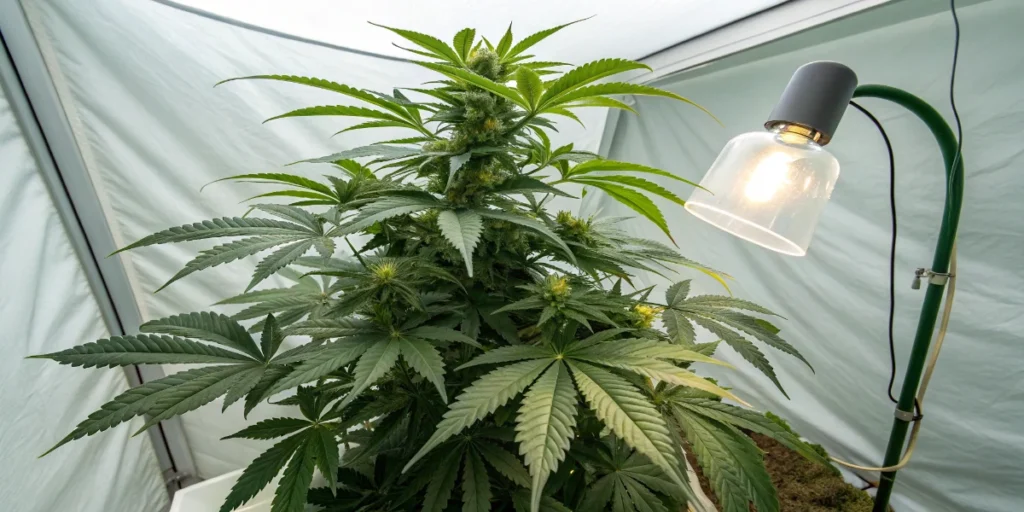
Pest and Disease Prevention for Healthy Cannabis Plants
To ensure a robust harvest of this strain, implementing effective pest and disease prevention strategies is crucial. Regularly inspect the plant for signs of common pests, such as spider mites and aphids, which can harm the buds. Employ natural predators like ladybugs or neem oil as organic deterrents, promoting a healthier cultivation environment. This proactive approach helps maintain the plant’s vitality.
Maintaining proper sanitation is also key in cannabis cultivation. Clean tools and equipment, as well as removing debris around the grow area, reduce disease risks. This variety is particularly vulnerable to mold if humidity levels soar. Ensure adequate airflow and monitor humidity to protect the plant’s yield and enhance its aromatic terpenes, thus securing a successful harvest.
Consider the genetics of Tangie Auto to optimize your growing conditions. This cultivar can be sensitive to environmental stresses, making preventive care even more vital. Growers should focus on balanced watering and feeding routines to strengthen the plant’s immunities against diseases. By prioritizing these practices, you’re ensuring that the plant remains healthy and vibrant throughout its growth cycle.
Harvesting & Drying Tangie Auto the Right Way
Knowing the optimum time to harvest this strain is crucial for maximizing its terpene profile and yield. Growers should look for signs like milky trichomes and faded fan leaves to determine readiness. Ideally, the plant matures in around 9-10 weeks post-germination, at which point the buds will be ripe for picking.
Once the appropriate time arrives, cultivate precision by cutting the branches carefully to avoid damage. This variety benefits from a thorough trimming process, removing excess leaves to enhance airflow and aroma. This attention to detail helps preserve the full spectrum of terpenes that Tangie Auto is famous for.
After harvesting these aromatic buds, the drying process begins immediately. Hang the branches in a dark, well-ventilated space at around 60-70°F with 50% humidity. This allows the plant to dry slowly, retaining its distinctive citrus essence and ensuring the even drying of buds, crucial for long-term quality.
Completing the journey, curing the dried buds in jars for a few weeks enhances their flavor and potency. Regularly burping the jars aids in releasing built-up moisture, preserving Tangie Auto’s complex terpene profile. By following these steps meticulously, growers can enjoy premium quality cannabis from this exceptional cultivar.
Tangie Auto Strain Type: Indica, Sativa or Hybrid?
Tangie Auto is a hybrid cannabis strain, expertly balancing the desirable traits of both Sativa and Indica. This variety is known for its energizing and uplifting effects, typical of Sativa genetics, making it an excellent choice for growers looking for a cheerful daytime experience. The plant also inherits some Indica characteristics, offering relaxation without sedation, ideal for various cultivation goals.
This strain is prized for its citrus-dominant terpene profile, reminiscent of sweet tangerines. Growers appreciate the manageable structure of this cultivar, which adapts well to diverse environments. The plant’s hybrid nature contributes to a steady yield, promising rewarding harvests of resin-rich buds with enhanced aroma and flavor. The balance between its Sativa and Indica roots ensures robust health and vigorous growth.
For those interested in cultivation, Tangie Auto offers versatility and resilience, accommodating both novice and experienced growers. It thrives in various settings, including indoor grow rooms and outdoor gardens, proving to be a reliable performer. The plant’s hybrid vigor ensures a responsive growth phase, ultimately leading to bountiful harvests. This cultivar undoubtedly exemplifies the harmonious fusion of stimulating and soothing cannabis effects.
Why Grow Tangie Auto? Key Benefits for Cultivators
Tangie Auto is a popular choice for growers due to its resilient nature and ease of cultivation. This strain is particularly well-suited for both novice and experienced cultivators seeking a hassle-free growing experience. The plant notably thrives in various environments, making it a versatile option that can adapt to indoor and outdoor growing conditions with relative ease.
Alongside its adaptability, this variety is renowned for its impressive yield, producing abundant, high-quality buds. The dense buds are packed with potent terpenes, providing a rich citrus aroma that is highly sought after in the cannabis community. This cultivar also has a relatively short flowering time, allowing for multiple harvests within a year, maximizing productivity.
Moreover, the plant offers a significant advantage with its robust genetics, making it resistant to common pests and diseases. This resilience reduces the need for intensive care and interventions, making it an efficient choice. Many growers are attracted to this strain’s ability to deliver consistent results with minimal effort, ensuring a rewarding cultivation experience.
Potential Challenges When Growing Tangie Auto
When cultivating Tangie Auto, growers may encounter a few unique challenges. This variety thrives in a controlled environment, requiring consistent temperature and humidity levels. It is especially sensitive to extreme weather conditions, which can impact bud development and overall yield. Ensuring proper ventilation is essential to prevent mold and mildew that can be detrimental to the plant’s health.
Achieving the ideal nutrient balance is crucial for the successful growth of this strain. Overfeeding can lead to nutrient burn, which manifests as yellowing and curling of leaves. On the other hand, underfeeding might result in poor terpene production and smaller buds. Regular monitoring and adjusting of the nutrient regimen can help maintain optimal plant health throughout cultivation.
Pest management presents another potential hurdle for growers of this cultivar. It is important to keep an eye out for common cannabis pests such as spider mites and aphids that can damage the plant. Utilizing organic pest control methods and maintaining garden hygiene can mitigate these issues. By addressing these challenges, growers can achieve a fruitful harvest with Tangie Auto.
Is This Strain Worth Buying? Here’s What You Need to Know
For growers seeking a manageable yet rewarding cannabis cultivation experience, this strain is an excellent choice. It is known for its quick flowering period and high resistance to pests and mold, making it ideal for new cultivators. The plant thrives both indoors and outdoors, producing dense buds rich in terpenes with a distinctive citrus aroma.
This variety is renowned for producing a generous yield while requiring minimal maintenance. The potency and quality of the harvest are impressive, providing both recreational and medicinal benefits. Lovers of citrus-flavored cannabis will particularly appreciate the sharp, tangy notes that characterize its profile. Moreover, it adapts well to various growing setups, enhancing its appeal to a wide range of enthusiasts.
Deciding whether Tangie Auto is worth purchasing hinges on your cultivation goals. If you desire a hassle-free plant that offers a robust harvest with vibrant flavors, this cultivar is undoubtedly a contender. Its remarkable terpene profile and relatively simple care requirements ensure that even novice growers can achieve impressive results with reasonable effort.
FAQs
How difficult is it to grow Tangie Auto for beginners?
Tangie Auto is considered a relatively easy strain for beginners to cultivate. It thrives with basic attention to humidity and temperature, and requires less monitoring than photoperiod strains. This cultivar offers a forgiving nature, making it an ideal choice for those new to auto-flowering plants. With basic care and routine watering, growers can achieve satisfactory yields without advanced techniques or extensive experience.
What kind of yield can I expect from this strain?
The yield of Tangie Auto varies depending on the growing conditions and care provided. Typically, indoor growers can expect around 400 to 500 grams per square meter, while outdoor growers might get approximately 50 to 150 grams per plant. This genetics is known for its abundant harvests when grown under optimal conditions, making it attractive to growers seeking both quality and quantity. Ensuring sufficient light and nutrients enhances its yield potential.
What is the optimal flowering time for Tangie Auto?
Tangie Auto typically completes its flowering cycle in about 9 to 10 weeks from germination. This rapid growth period is characteristic of auto-flowering varieties, allowing for multiple harvests in a single growing season. This strain’s flowering time is shorter than most photoperiod plants, making it a favorite for growers who desire quicker results. The plant should be monitored closely to ensure it receives adequate light and nutrients during this critical phase.
What are common problems when growing Tangie Auto?
While Tangie Auto is generally hardy, common issues include overwatering and nutrient burn. This strain doesn’t require excessive feeding; balanced nutrients are critical for its development. Monitoring pH levels and ensuring well-draining soil can prevent many cultivation issues. Beginners might also face challenges with light management, as consistent light exposure is critical, but these can be managed with proper planning and monitoring.
What nutrient needs does Tangie Auto require?
For robust growth, this strain benefits from a balanced nutrient regimen. Start with a nitrogen-rich fertilizer during the vegetative stage, transitioning to phosphorus-heavy nutrients as Tangie Auto enters the flowering phase. The auto-flowering nature of this variety necessitates a cautious approach to feeding; over-fertilization can harm its growth. Regular pH monitoring and maintaining a nutrient schedule aligned with its life cycle will optimize its health and yield.