
Run out of rolling papers? You may already have a few alternatives at home, but not everything that looks like paper is safe to burn or inhale.
In this guide, we’ll look at 12 rolling paper alternatives, from natural options such as corn husks and rose petals to other household substitutes. We’ll also explain which materials are better avoided, including glossy, printed, coated, or chemically treated paper.
Recommended Strains
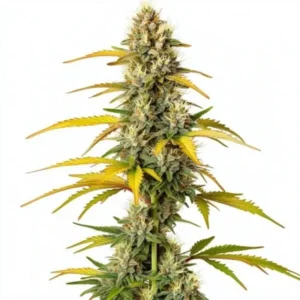
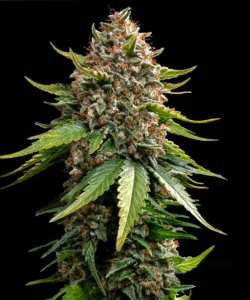
Gmo

|
THC | 26% - 28% (High) |

|
Lineage | Chemdog x Girl Scout Cookies |

|
Type | Feminized |

|
Height | 4.92 ft | 1.5 m |

|
Yield | High |

|
Yield Indoor | 1.31 - 1.64 oz/ft² | 400 - 500 g/m² |

|
Yield Outdoor | 28.22 - 42.33 oz/plant | 800 - 1200 g/plant |

|
Flowering Time | 8 - 10 weeks |

|
Phenotype | 90% Indica / 10% Sativa |

|
Medical | Arthritis, Insomnia, Pain |

|
Effects | Creative, Euphoric, Uplifted |

|
Flavors | Coffee, Earthy, Fruity, Sweet |
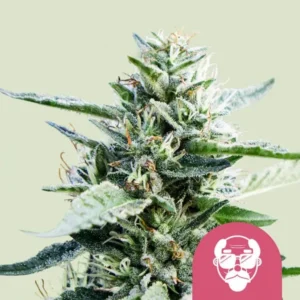
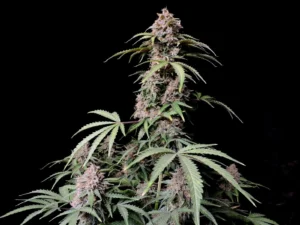
Granddaddy Purple Seeds
|
|
THC | 19% - 20% (Medium) |
|
|
Lineage | Purple Urkle x Big Bud |
|
|
Type | Feminized |
|
|
Height | 4.43 ft | 1.35 m |
|
|
Yield | High |
|
|
Yield Indoor | 1.47 - 1.64 oz/ft² | 450 - 500 g/m² |
|
|
Yield Outdoor | 19.4 - 21.16 oz/plant | 550 - 600 g/plant |
|
|
Flowering Time | 8 - 10 weeks |
|
|
Phenotype | 75% Indica / 25% Sativa |
|
|
Effects | Euphoric, Relaxed, Sleepy |
|
|
Flavors | Blueberry, Candy, Fruity |
Before using any alternative, make sure it is clean, untreated, and suitable for burning. When in doubt, waiting until you have proper rolling papers is the safer option.
What Is the Best Alternative to Rolling Papers?
The best substitute for standard rolling papers is another product specifically manufactured for smoking. Hemp papers, rice papers and purpose-made plant-based wraps are designed to burn predictably and are a much better choice than ordinary paper, packaging or food.
This distinction matters because being natural, edible or commonly found at home does not automatically make something appropriate to burn and inhale. Combustion creates new compounds, and materials that are safe for contact with food can behave very differently when exposed directly to flame.
If regular papers are unavailable, waiting until you can obtain a purpose-made alternative is generally preferable to experimenting with random household materials.
Hemp Rolling Papers
Hemp papers are one of the closest alternatives to conventional rolling papers because they are manufactured specifically for the same purpose. They are typically made from hemp fibers and tend to be relatively easy to handle compared with very thin rice papers.
If you want an alternative that behaves similarly to ordinary rolling paper, hemp papers are one of the simplest options. They require no improvised preparation and avoid many of the uncertainties associated with burning materials whose coatings, inks or additives are unknown.
Hemp rolling papers should not be confused with pieces of hemp packaging, hemp fabric or other hemp-derived materials. Only products manufactured specifically as smoking papers should be treated as rolling papers.
Rice Rolling Papers
Rice papers are another established option made specifically for rolling. They are often thinner than hemp or conventional wood-pulp papers and may burn differently depending on thickness, humidity and how tightly they are rolled.
The important distinction is that purpose-made rice rolling paper is not the same product as culinary rice paper used for spring rolls or other foods. Edible rice sheets are designed to be eaten rather than burned, and their composition, thickness and additives can differ considerably.
If you want a clean replacement for ordinary papers, choose packaging that clearly identifies the product as rolling paper rather than assuming every rice-based sheet serves the same function.
Purpose-Made Herbal and Plant Wraps
Commercial herbal wraps can offer another alternative for people who want something other than traditional paper. These products are manufactured specifically to hold smoking material and may use plant fibers or leaves as their base.
Their composition varies considerably between manufacturers, so it is still worth checking the ingredient information. Some wraps contain added flavors or other ingredients that may change the smoke and sensory experience.
The key point is that a commercial wrap designed for smoking is fundamentally different from taking an arbitrary leaf from a kitchen or garden and setting it on fire. Purpose-made products provide much more certainty about how the material has been processed and what it is intended to do.
Are Corn Husks a Good Rolling Paper Alternative?
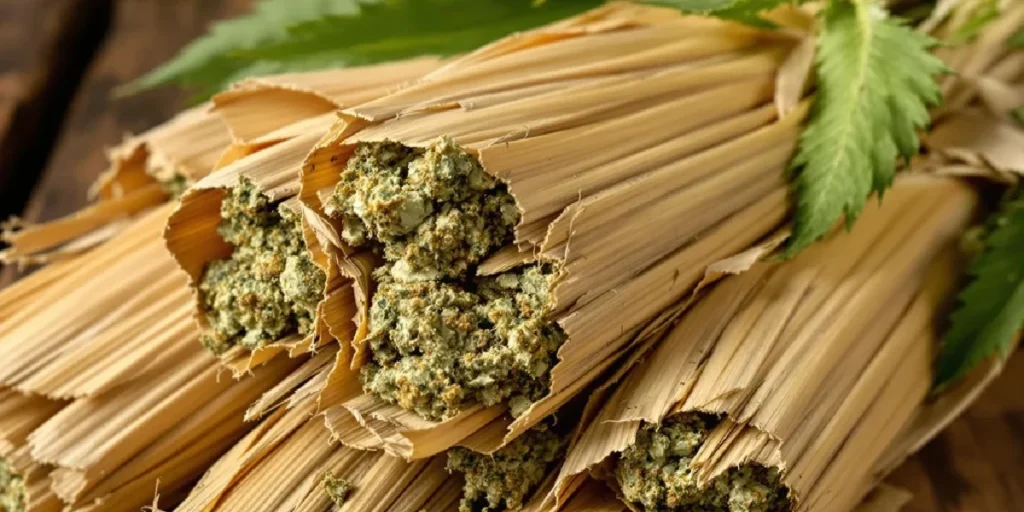
Corn husks have a history of use as smoking wraps in some traditions, but that does not mean any corn husk from a kitchen is automatically an equivalent replacement for manufactured rolling papers.
Agricultural products can contain residues, contaminants or treatments that are not obvious from appearance alone. Their thickness and moisture content also vary considerably, which changes how they burn.
For this reason, I would not describe ordinary corn husks as the best general recommendation. If someone specifically prefers a corn-husk wrap, a commercial product prepared and sold for that purpose provides more certainty than repurposing food waste at home.
Should You Use Rose Petals?
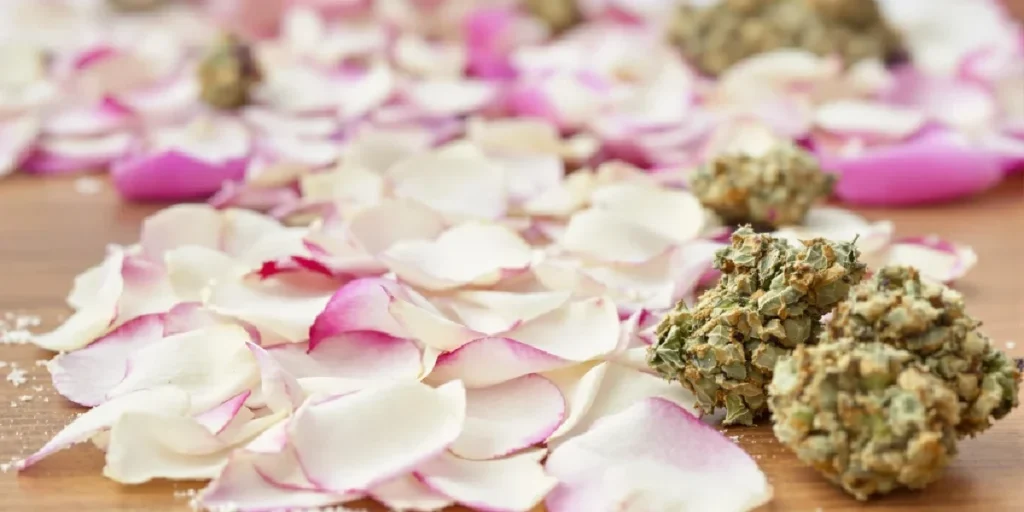
Rose-petal joints are frequently shared online because of their appearance, but natural does not mean proven safe to inhale after combustion.
Flowers can carry pesticide residues, fungicides, preservatives or other treatments, particularly when they were grown for decoration rather than consumption. Even untreated petals produce combustion products when burned.
That makes rose petals a poor default recommendation for someone simply looking for a replacement for rolling papers. Purpose-made papers or wraps are more predictable and require far fewer assumptions about the material being inhaled.
Can You Use Gum Wrappers?
Gum wrappers should not be recommended as rolling papers.
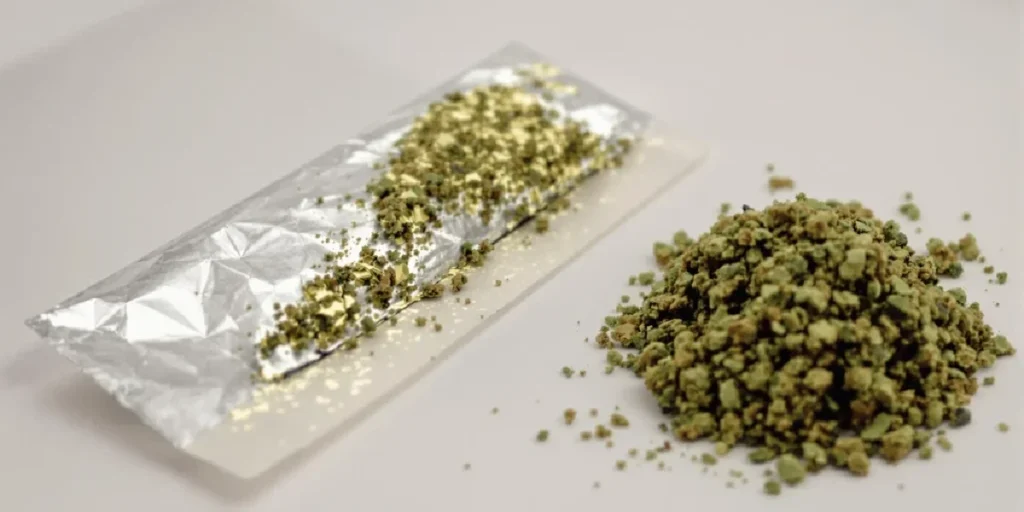
Many contain inks, coatings, adhesives or metallic layers. Removing an obvious foil layer does not establish that the remaining paper is free of other substances that were never designed to be burned and inhaled.
The previous version of this article suggested peeling away the metallic layer and using the remaining paper. That advice should be removed. The fact that a thin piece of paper can physically hold cannabis does not make it a suitable smoking material.
Can You Use Parchment Paper?
Parchment paper is not a good substitute for rolling paper.
Kitchen parchment is designed to resist sticking and withstand oven temperatures. Depending on the product, it may contain silicone coatings or other treatments that serve those purposes.
Those properties do not make it suitable for direct combustion and inhalation. Unbleached parchment should not be assumed safe either, because bleaching is not the only difference between cooking paper and purpose-made smoking paper.
If you are looking for something available in the kitchen, parchment paper is one option to avoid.
Can You Use Printer Paper, Notebook Paper or Receipts?
Printer paper and notebook paper are considerably thicker than rolling papers and may contain processing chemicals, whitening agents, inks or other additives. They are not designed for inhalation and should not be used as substitutes.
Receipts are an even clearer material to avoid. Thermal receipt paper uses chemical coatings to produce printed information when heated, making it fundamentally different from rolling paper.
Magazine pages, newspapers, glossy packaging and any other printed paper should also stay out of a smoking setup.
What About Fruit, Tortillas and Other Food?
Online rolling-paper alternatives sometimes include tortillas, fruit peels, fruit snacks, seaweed sheets and thin vegetables. These ideas are creative but not good recommendations for inhalation.
A product being edible only tells you something about what happens when it is consumed as food. It does not establish what compounds are created when the same sugars, oils, proteins, seasonings or additives are burned.
Food products also tend to contain much more moisture than rolling papers, making combustion unpredictable.
If you want to consume cannabis without conventional papers, it makes more sense to use equipment designed for the intended method rather than burning food.
Growlantis also has a guide explaining how to smoke without a pipe that examines other situations where conventional equipment is unavailable.
Why Household Paper Is a Bad Substitute
Rolling paper looks simple, which makes almost any thin sheet appear interchangeable with it. In practice, paper products can contain fillers, coatings, pigments, adhesives and other processing materials.
The issue is not simply whether the material catches fire. Almost anything dry enough can burn.
The relevant question is whether it was manufactured with inhalation after combustion in mind. Standard household paper was not.
A lack of immediate irritation also does not demonstrate safety. Smoke itself contains harmful combustion products, and introducing additional unknown materials provides little benefit when purpose-made alternatives exist.
Does the Rolling Material Change the Experience?
The material surrounding cannabis influences burn rate, airflow, flavor and the amount of additional smoke produced.
Thicker wraps generally introduce more combustible material than very thin papers. Added flavors can also change the aroma and taste substantially.
This is why choosing between hemp, rice and other commercial wraps is mostly a matter of handling and sensory preference rather than searching for unusual household substitutes.
The cannabis itself also matters. If preparation is the problem rather than the paper, Growlantis has a separate guide to creative alternatives to a grinder.
What Should You Use If You Have No Rolling Papers?
If you have no rolling papers available, the safest approach is simple: use another purpose-made smoking paper or commercial wrap, or wait until one is available.
Avoid improvising with gum wrappers, parchment paper, receipts, notebook paper, printed packaging, aluminum-backed paper, food products and decorative plant material.
This answer is less adventurous than many lists online, but it avoids pretending that a material becomes safe to inhale simply because it is thin, natural or edible.
Frequently Asked Questions
What is the best substitute for rolling papers?
The most sensible substitute is another product specifically manufactured for smoking, such as hemp rolling papers, rice rolling papers or a purpose-made herbal wrap. These products are preferable to household paper and food because they were designed for the intended use and have more predictable burning characteristics.
Can I use normal paper instead of rolling papers?
Normal printer, notebook or packaging paper should not be used as rolling paper. These products may contain fillers, inks, coatings or processing additives and are much thicker than purpose-made rolling papers. The fact that ordinary paper burns does not make its smoke appropriate to inhale.
Is parchment paper safe to smoke?
Parchment paper is intended for cooking rather than smoking and should not be used as a rolling-paper substitute. Many parchment products use coatings designed to provide heat resistance and prevent sticking. These materials have not been designed to be deliberately combusted and inhaled.
Can I use a gum wrapper to roll?
Gum wrappers are not recommended. Depending on the product, they may contain metallic layers, inks, coatings and adhesives. Removing visible foil does not establish that the remaining material is suitable for combustion, so a purpose-made smoking paper is a more predictable option.
Are rose petals safe to use as rolling papers?
Rose petals should not be considered a reliably safe rolling-paper replacement. Flowers can contain pesticide residues, preservatives or other treatments, and natural plant material still produces combustion products when burned. Commercial papers or wraps made specifically for smoking provide a more appropriate alternative.
What should I do if I have no rolling papers?
If no purpose-made paper or wrap is available, avoiding improvised household materials is the most cautious option. Wait until you can obtain rolling papers or use an appropriate consumption device where legal. Materials such as receipts, gum wrappers, parchment paper, printed paper and food should not be treated as interchangeable with rolling papers.