
The carene terpene, usually referring to delta-3-carene or 3-carene, is a bicyclic monoterpene with sweet, woody, resinous and pine-like aromatic notes. It occurs naturally in conifers, rosemary, spices and some cannabis samples. Research has explored anti-inflammatory, pain, sleep and bone-cell effects, but these findings are primarily preclinical and do not establish medical benefits from carene-rich cannabis.
Individual terpenes each bring their own character to a cultivar’s scent and effect. If you want to grow for one in particular, our roundup of high-myrcene cannabis strains gathers the varieties highest in this earthy, relaxing compound, helping you choose seeds by their aromatic chemistry rather than by name alone for a more considered garden.
Recommended Strains
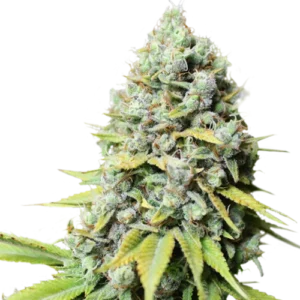
Pineapple Chunk

|
THC | 26% - 27% (High) |

|
Lineage | Pineapple x Skunk #1 x Cheese |

|
Type | Feminized |

|
Height | 4.43 ft | 1.35 m |

|
Yield Outdoor | 35.27 oz/plant | 1000 g/plant |

|
Flowering Time | 7 - 8 weeks |

|
Phenotype | 80% Indica / 20% Sativa |

|
Effects | Energetic, Euphoric, Powerful, Creative |

|
Flavors | Earthy, Cheese, Pineapple |
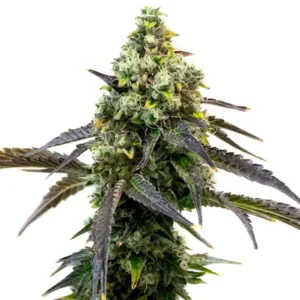
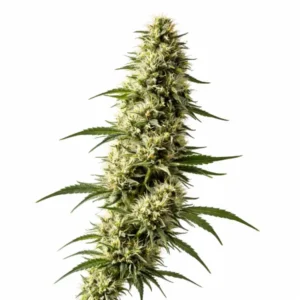
Cafe Racer
|
|
THC | 25% (High) |
|
|
Lineage | Grandaddy Purple x GSC |
|
|
Type | Feminized |
|
|
Height | 6.23 ft | 1.9 m |

|
Yield | Medium |

|
Yield Indoor | 1.15 - 1.47 oz/ft² | 350 - 450 g/m² |
|
|
Yield Outdoor | 24.69 - 28.22 oz/plant | 700 - 800 g/plant |
|
|
Flowering Time | 8 - 10 weeks |
|
|
Phenotype | 30% Indica / 70% Sativa |

|
Medical | Fatigue, Muscle Spasms, Stress |
|
|
Effects | Happy, Relaxed, Talkative |
|
|
Flavors | Citrus, Earthy, Grape |
What Is Carene Terpene?
Carene is a family of related monoterpenes, but when cannabis and essential-oil discussions mention carene, they usually mean delta-3-carene, also written as:
- Δ3-carene
- 3-carene
- delta-3-carene
- car-3-ene
Delta-3-carene is a bicyclic monoterpene with the molecular formula C10H16.
It occurs naturally in the oleoresins and essential oils of several plants. Research describes it as particularly abundant in some pine and spruce species and also identifies it in plants and foods including pepper, cashew, coriander, ginger and rosemary.
Cannabis can contain delta-3-carene as part of its volatile chemical profile as well. Modern analytical studies of cannabis have detected it among the plant’s less dominant terpenes, although concentrations vary considerably among samples.
What Does Carene Smell Like?
Delta-3-carene is generally associated with a sweet, woody, resinous and pine-like aroma.
Descriptions vary between sources because odor perception is subjective and aroma depends on concentration and the compounds surrounding it.
Common descriptors include:
pine, cedar, sweet, earthy, resinous and mildly citrus-like.
That makes the existing article’s description of carene as sweet, earthy, citrus-like and reminiscent of pine broadly reasonable.
What I would remove is the implication that carene alone defines the aroma of a cannabis strain.
Cannabis contains complex mixtures of volatile compounds, and sensory research shows that multiple terpenes contribute simultaneously to differences among samples. A 2025 study identified delta-3-carene as one of the compounds differentiating one terpene cluster, alongside terpinolene, alpha-terpinene, ocimene and alpha-phellandrene.
So a piney or citrus smell does not prove that a product is high in carene.
Is Carene Common in Cannabis?
Carene occurs in cannabis, but it is generally not among the most abundant terpenes across the commercial market.
A large analysis of nearly 90,000 commercial cannabis samples found myrcene, beta-caryophyllene and limonene among the compounds occurring at the highest average concentrations.
Other analytical studies nevertheless detect delta-3-carene in certain cannabis samples and terpene clusters.
This makes carene better described as a secondary or supporting cannabis terpene rather than a universally major one.
Its actual concentration depends on the particular plant and batch.
Carene vs Pinene
Carene and pinene can both contribute to pine-like or woody aromas, but they are different molecules.
Alpha-pinene and beta-pinene are monocyclic bicyclic monoterpenes strongly associated with pine resin and fresh conifer aromas.
Delta-3-carene is a different bicyclic monoterpene whose odor tends to be described as somewhat sweeter, warmer and more resinous or cedar-like.
Cannabis can contain both compounds simultaneously.
That means a product described as “piney” cannot be assumed to contain high carene rather than alpha-pinene, beta-pinene or a mixture of several volatile compounds.
The only reliable way to distinguish them is analytical testing.
Carene vs Terpinolene
Carene is also frequently found alongside terpinolene in some cannabis chemical profiles.
A recent sensory and chemical study identified a group of cannabis samples differentiated by relatively high levels of terpinolene, delta-3-carene, alpha-terpinene, trans-beta-ocimene and alpha-phellandrene.
The two compounds nevertheless smell different.
Terpinolene is commonly associated with fresh, herbal, floral, citrus and pine-like characteristics, whereas carene tends to lean more toward resinous wood, cedar and sweet pine.
Because they can coexist, aroma descriptions should reflect the whole volatile profile rather than attributing everything to one terpene.
What Does Research Say About Carene’s Effects?
Delta-3-carene has attracted scientific interest, but the evidence needs to be separated by level.
Most studies involve:
- isolated cells;
- rodents;
- purified delta-3-carene;
- or essential oils containing multiple compounds.
That is very different from demonstrating that cannabis containing a small concentration of carene produces the same effects in humans.
Anti-Inflammatory Research
Several preclinical studies have found anti-inflammatory activity.
A 2019 study found that 3-carene and other components of an essential oil reduced inflammatory responses in cellular and mouse models.
More recently, a 2026 study tested purified delta-3-carene in vitro and in several mouse models. The researchers reported reduced leukocyte activation, inflammatory edema and pain-related responses.
That is meaningful preclinical evidence.
It is not clinical evidence that consuming carene-rich cannabis treats inflammation or pain in people.
The current article makes that leap when it says carene can alleviate arthritis, sports injuries and physical strain. Those claims should be removed.
Does Carene Help Bone Health?
This is one of the most repeated claims about carene, and it needs a major caveat.
A 2008 study tested 3-carene on a mouse osteoblast cell line.
At low concentrations, the compound increased markers associated with osteoblast differentiation and mineralization in those cultured cells.
That finding is interesting because osteoblasts are cells involved in bone formation.
But the study did not show that carene:
- heals fractures in humans;
- prevents osteoporosis;
- increases human bone density;
- or makes carene-rich cannabis beneficial for skeletal health.
The current article currently makes several of those implications.
A scientifically accurate formulation is:
Carene has shown effects on bone-forming cells in laboratory research, but human bone-health benefits have not been established.
Does Carene Reduce Pain?
There is preclinical evidence, but not enough to make a human treatment claim.
A 2025 animal study investigated delta-3-carene as a major component of Brazilian pepper-tree essential oil. Purified delta-3-carene produced antinociceptive effects in mice, and the researchers found evidence suggesting involvement of serotonergic pathways.
The 2026 inflammatory-response study also reported reduced pain-related responses in several animal models.
These experiments establish a reason for further research.
They do not establish that smoking, vaping or eating cannabis containing carene provides analgesic effects in humans.
Does Carene Help With Sleep?
Again, the evidence is preclinical.
A mouse study published in 2019 found that orally administered 3-carene increased sleep duration and reduced sleep latency in a pentobarbital-induced sleep model. The researchers also reported effects involving GABAA-benzodiazepine receptor signaling.
That does not establish carene as an insomnia treatment.
It also does not demonstrate that cannabis containing trace or moderate amounts of carene will make someone sleepy.
The dose, route of administration and chemical context of an isolated-terpene animal experiment are very different from those of cannabis flower.
Does Carene Improve Focus or Cognitive Function?
There is not good evidence supporting that claim.
The current article says carene can enhance focus, mental clarity, productivity, memory and cognitive health.
I would remove that entire section.
There is no convincing clinical evidence demonstrating that carene improves human cognition, and the preclinical sleep-related evidence certainly should not be transformed into a claim about enhanced concentration.
Aroma descriptions and medical effects should be kept separate.
Does Carene Interact With the Endocannabinoid System?
There is no good basis for presenting carene like beta-caryophyllene.
The current article states that carene interacts with the endocannabinoid system and amplifies THC and CBD through the entourage effect.
I would remove that.
Beta-caryophyllene has well-established CB2 receptor activity. Delta-3-carene does not have comparable evidence establishing it as a cannabinoid-receptor agonist.
More broadly, terpene-cannabinoid interactions remain an active area of research, and large-scale cannabis studies have specifically called for controlled in vivo work to determine whether particular ratios of cannabinoids and terpenes create meaningful combinatorial effects.
Therefore:
carene is a cannabis terpene, but it should not be described as proven to amplify THC or CBD.
Is Carene Responsible for Dry Mouth?
This is another common cannabis-terpene claim that lacks convincing evidence.
You may encounter articles saying delta-3-carene “dries fluids” and is responsible for dry eyes or cottonmouth.
I would not include that as an established effect.
Cannabis-associated dry mouth is strongly connected to cannabinoid effects on salivary physiology, while evidence isolating delta-3-carene as the cause in humans is insufficient.
If you mention the claim at all, label it explicitly as unverified rather than presenting it as a biological characteristic of the terpene.
Which Cannabis Strains Are High in Carene?
There is no dependable permanent list based on strain names.
The current article labels Super Lemon Haze Auto, OG Kush, Jack Herer and Sunset Sherbet Go Fast as carene-rich strains and then attributes energy, relaxation, focus and therapeutic effects to their carene content.
I would remove that entire ranking.
Large-scale chemical testing shows that commercial cannabis products sharing the same strain name can have significantly different terpene profiles between producers.
Even names that display comparatively strong chemical consistency are not perfectly associated with one chemotype.
Therefore, someone looking specifically for carene should check a batch-specific certificate of analysis (COA).
Look for:
delta-3-carene, Δ3-carene, 3-carene or car-3-ene.
If the laboratory does not test for carene, the strain name cannot reliably substitute for the measurement.
Can Growing Conditions Increase Carene?
Genetics, development and environment all influence cannabis terpene profiles.
Research on Cannabis sativa has identified a large family of terpene synthase genes and considerable terpene variation across cultivars.
That establishes an important genetic component.
However, the current article goes further and suggests growers can manipulate light intensity, temperature and humidity to deliberately optimize carene production.
There is not enough cultivar-specific evidence to give a universal “how to increase carene” recipe.
Environmental conditions can influence overall secondary metabolism, but that does not mean adjusting one parameter reliably raises delta-3-carene in every cultivar.
If carene content matters, repeated chemical analysis is more informative than generic cultivation hacks.
Does Carene Determine the Effects of a Cannabis Strain?
No.
A terpene profile contributes to the chemical identity and aroma of cannabis, but individual strain effects cannot currently be predicted from the amount of delta-3-carene alone.
Cannabis products contain cannabinoids, terpenes and numerous other compounds.
A study of 89,923 commercial cannabis samples found substantial chemical diversity and showed that common strain and indica/sativa labels frequently fail to map consistently onto underlying chemistry.
Controlled research is still needed to determine which compound combinations meaningfully alter human effects.
So claims such as:
high carene = focus
high carene = relaxation
high carene = pain relief
are not evidence-based classifications.
How to Find Carene in Cannabis
If you specifically want to know whether a cannabis sample contains delta-3-carene, use laboratory chemistry rather than aroma or strain name.
Check the product’s terpene analysis or COA.
Carene may be reported as:
- 3-carene
- delta-3-carene
- Δ3-carene
- car-3-ene
It may appear at relatively low concentration compared with dominant terpenes such as myrcene, caryophyllene or limonene.
That does not mean it is chemically irrelevant, but it does mean that a product should not automatically be marketed as “carene-rich” simply because it has a woody or pine-like smell.
Carene Terpene: Bottom Line
The carene terpene in cannabis generally refers to delta-3-carene, a naturally occurring bicyclic monoterpene associated with sweet, woody, resinous and pine-like aromas.
Cannabis can contain delta-3-carene, but it is typically a secondary component rather than one of the dominant terpenes seen across the entire commercial market.
Research on isolated 3-carene has produced interesting preclinical findings involving inflammation, pain, sleep and osteoblast activity.
Those findings should not be translated into claims that carene-rich cannabis treats arthritis, osteoporosis, insomnia, pain or cognitive problems.
For consumers interested in the terpene itself, the most reliable information is a batch-specific terpene analysis, not a strain-name list.
FAQs About Carene Terpene
What is carene terpene?
Carene usually refers to delta-3-carene, a bicyclic monoterpene found in conifers, rosemary, spices and some cannabis samples. It has a sweet, resinous, woody and pine-like aromatic profile. In cannabis it generally occurs as one component of a much larger volatile mixture rather than determining the plant’s entire aroma or effects.
What does carene smell like?
Delta-3-carene is commonly described as sweet, woody, pine-like, resinous and cedar-like, sometimes with earthy or citrus nuances. Aroma perception depends on concentration and surrounding volatile compounds, so cannabis containing carene may not smell obviously like carene when stronger terpenes dominate the overall profile.
What are the benefits of carene terpene?
Research has investigated anti-inflammatory, antinociceptive, sleep-related and osteoblast effects, but the strongest evidence is currently from cell and animal studies. These findings do not establish that carene-rich cannabis provides the same benefits in humans or that carene can treat pain, osteoporosis, inflammation or sleep disorders.
Does carene help bones grow?
A 2008 laboratory study found that low concentrations of 3-carene stimulated differentiation and mineralization markers in cultured mouse osteoblast cells. That finding does not demonstrate stronger bones, fracture healing or osteoporosis prevention in humans. Human clinical evidence would be needed before making those health claims.
Which strains have the most carene?
There is no reliable permanent ranking. Products sharing the same cannabis strain name can differ substantially in terpene chemistry between producers and batches. The best way to identify high-carene cannabis is to check a batch-specific terpene analysis for delta-3-carene rather than relying on names such as Jack Herer or Super Lemon Haze.
Is carene the same as pinene?
No. Delta-3-carene, alpha-pinene and beta-pinene are separate monoterpenes. All can contribute to woody or conifer-like aromatic profiles, which can make sensory descriptions overlap. Laboratory terpene testing is required to determine which compound is actually present and at what concentration.