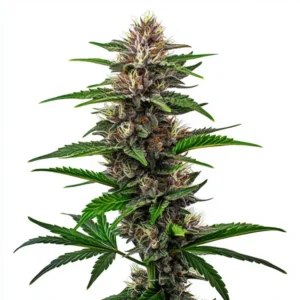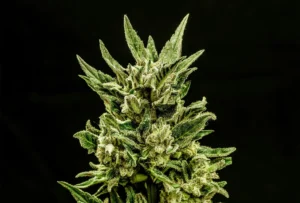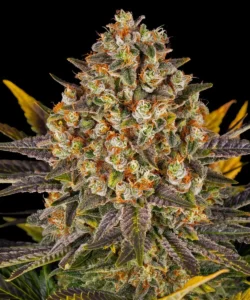

If you want one widely recognized nighttime pick, Granddaddy Purple is a reasonable editorial choice for the best strain for sleep, followed by Northern Lights and Bubba Kush. That said, no commercial cannabis strain has been clinically proven to treat insomnia. Effects depend more reliably on cannabinoid dose, individual response and product chemistry than on the strain name alone.
Cannabis and CBD affect the body in ways that are still being studied, so it helps to read around a topic before drawing conclusions. If you want more on this, see our articles on CBD for hair and scalp health and CBD for a hangover. Both are for general information only and are not a substitute for advice from a doctor.
Recommended Strains
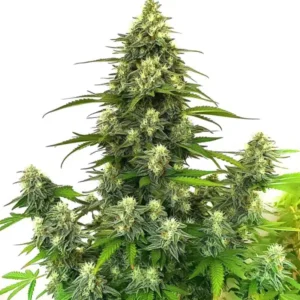
GG4 Auto

|
THC | 18% - 24% (High) |

|
Lineage | GG4 x Ruderalis Auto |

|
Type | Autoflowering |

|
Height | 3.28 ft | 1 m |

|
Yield | High |

|
Yield Indoor | 1.31 - 1.97 oz/ft² | 400 - 600 g/m² |

|
Yield Outdoor | 17.64 - 26.46 oz/plant | 500 - 750 g/plant |

|
Life Cycle | 8 - 10 weeks |

|
Phenotype | 40% Indica / 60% Sativa |

|
Medical | Fatigue, Muscle Spasms, Stress |

|
Effects | Happy, Relaxed, Talkative |

|
Flavors | Fruity, Pine |
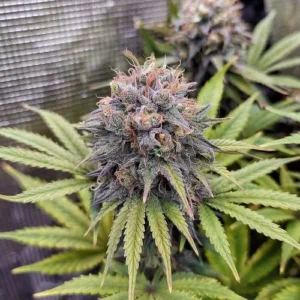
Euforia
|
|
THC | 20% - 25% (High) |
|
|
Lineage | Euforia Skunk |
|
|
Type | Feminized |
|
|
Height | 7.38 ft | 2.25 m |
|
|
Yield | High |
|
|
Yield Indoor | 1.47 - 1.97 oz/ft² | 450 - 600 g/m² |
|
|
Yield Outdoor | 28.22 oz/plant | 800 g/plant |
|
|
Flowering Time | 8 - 10 weeks |
|
|
Phenotype | 30% Indica / 70% Sativa |
|
|
Effects | Uplifted, Euphoric, Focused, Energetic |
|
|
Flavors | Pungent, Skunk |
Choosing the right cultivar is half the battle when sleep is the goal. If you would rather start from seed, our roundup of the best cannabis seeds for insomnia gathers the calming, sedative-leaning varieties best suited to restful nights, so you can grow a personal supply tailored to easing insomnia and winding down at the end of the day.
Best strains for sleep at a glance
| Strain | Why People Choose It at Night | Main Caveat |
|---|---|---|
| Granddaddy Purple | Classic relaxing nighttime reputation | Not clinically proven for insomnia |
| Northern Lights | Long-established evening cultivar | Products under the same name can vary |
| Bubba Kush | Commonly associated with heavy relaxation | THC level varies considerably |
| Purple Kush | Traditional nighttime Kush option | “Indica” does not guarantee sedation |
| Hindu Kush | Simple old-school Kush profile | Effects remain individual |
| Ice Cream Cake | Popular modern evening hybrid | Modern strain names are not standardized |
This ranking reflects cannabis culture, common user descriptions and nighttime positioning, not evidence that one cultivar medically treats sleep disorders.
1. Granddaddy Purple
Best overall nighttime pick
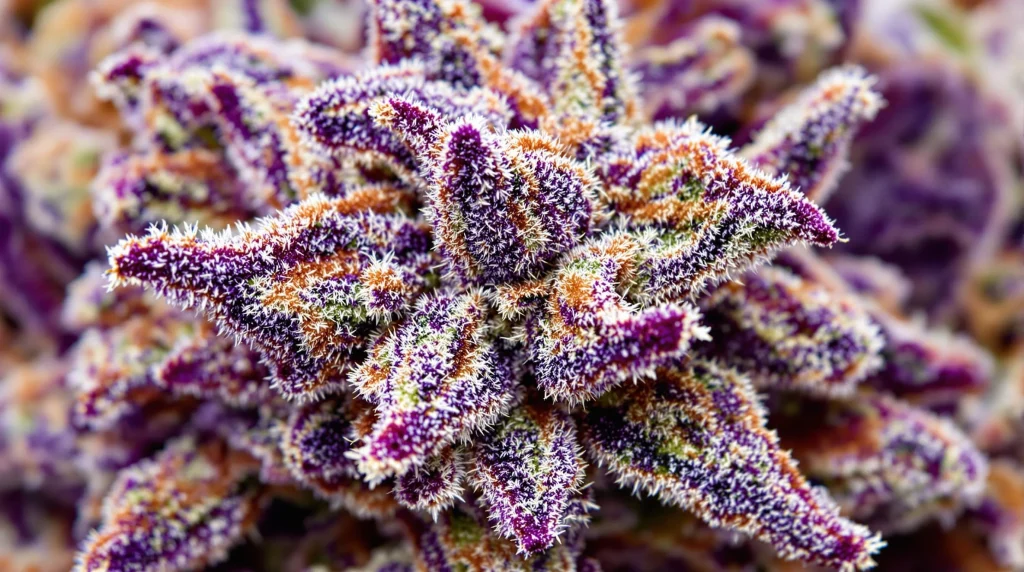
Granddaddy Purple, often shortened to GDP, is probably the most recognizable answer to the search for a sleep-oriented cannabis strain. Its reputation is built around evening use and a heavier, relaxing experience rather than daytime stimulation, which makes it a sensible first entry here.
What shouldn’t be said, though, is that GDP has been clinically demonstrated to cure insomnia or produce “deep restorative sleep.” Clinical cannabis research generally studies measured amounts of THC, CBD, CBN or standardized extracts, not dispensary strain names like Granddaddy Purple, so current systematic reviews can’t actually tell us that GDP works better for sleep than Bubba Kush or Northern Lights.
If you already know THC tends to relax you rather than make you anxious, GDP is a reasonable cultivar to try. Treat its reputation as a starting point, not a prescription.
2. Northern Lights
Best classic sleep strain
Northern Lights has been associated with nighttime cannabis use for decades and remains one of the most familiar names in the traditional “indica” category. Its appeal for this list is mostly consistency of reputation. People looking specifically for relaxing evening cannabis are likely to run into Northern Lights again and again.
That doesn’t mean every product labeled Northern Lights is chemically identical. Cannabis research has shown that familiar indica and sativa labels don’t correspond neatly to genome-wide genetic differences, while commercial labeling tends to reflect only limited chemical and aromatic patterns. So if you’re choosing between two Northern Lights products, actual cannabinoid information from the product tells you more than the name does.
3. Bubba Kush
Best Kush-family option
Bubba Kush is another classic cultivar strongly associated with evening relaxation in cannabis culture. Its dense Kush identity, earthy reputation and long history make it a more natural fit here than inserting an unrelated high-THC strain just to check that box.
Bubba Kush is also a good example of why potency alone shouldn’t drive these rankings. A stronger THC percentage doesn’t automatically mean better sleep. Health Canada notes that cannabis and THC can have dose-dependent effects: lower exposure has sometimes reduced sleep-onset time in experimental settings, while higher exposure can disrupt sleep. Someone who gets anxious, restless or uncomfortable on high-THC cannabis may end up sleeping worse, not better.
4. Purple Kush
Best traditional heavy Kush pick
Purple Kush fits naturally into a nighttime list because it sits in the same older Kush tradition as many strains historically described as physically relaxing. Again, “traditional reputation” is the operative phrase.
Calling Purple Kush an insomnia treatment would go beyond the evidence; no clinical trial has shown that this specific cultivar improves insomnia severity or sleep architecture. That distinction matters especially because products carrying the same familiar name can differ in potency, minor cannabinoids and terpene profile. The practical lesson is to use the strain name as context, then check the actual product.
5. Hindu Kush
Best old-school choice
Hindu Kush is a useful option for readers who prefer older cannabis genetics over modern dessert hybrids. It also keeps this list conceptually honest: rather than pretending every strain represents a different medical mechanism (one for anxiety, another for pain, another for insomnia), it’s more accurate to compare well-known cultivars people commonly reach for at night.
There’s no evidence that Hindu Kush’s Kush heritage automatically makes it sedative. It’s better described as a traditional nighttime candidate whose real effects still depend on the plant, product, dose and person using it.
6. Ice Cream Cake
Best modern nighttime hybrid
Ice Cream Cake gives the list a modern alternative to older Kush and Purple-family strains. It’s widely positioned as an evening-oriented hybrid, but the same caution applies here as elsewhere: a commercial strain name isn’t a standardized medicine, and that matters even more with modern hybrids, since many names circulate through multiple breeders and producers.
If you’re choosing a product specifically for nighttime use, compare its cannabinoid profile, potency and your own past response to similar products, rather than assuming the words “Ice Cream Cake” guarantee sedation.
Is there really a best cannabis strain for sleep?
Scientifically, no. The strongest cannabis-and-sleep research evaluates cannabinoid formulations, not named flower strains.
A 2025 systematic review and meta-analysis of sleep architecture found that cannabis didn’t consistently improve total sleep time, sleep latency, sleep efficiency or specific sleep stages. Older studies suggesting substantial REM suppression were generally small and used high THC doses; newer evidence is mixed.
Another 2025 meta-analysis of randomized trials found improvements in subjective sleep quality from cannabinoid treatments, particularly in people who already had insomnia or poor sleep, but results varied a lot between studies and formulations, and CBD-only interventions didn’t show a significant benefit in that analysis.
So “best strain” is really a consumer-language question rather than a conclusion from sleep medicine.
Does THC help you sleep?
THC may make some people feel sleepy and can sometimes cut the time it takes to fall asleep, but the effect isn’t universally beneficial.
Health Canada’s clinical review describes a dose-dependent pattern where lower THC exposure has sometimes been associated with shorter sleep-onset latency and more total or slow-wave sleep, while higher exposure can cause sleep disturbance.
A 2025 pilot randomized trial shows how complicated this can get. A combination of 10 mg THC and 200 mg CBD actually reduced total sleep time and REM sleep compared with placebo, and slightly increased next-day subjective sleepiness. That makes “more THC equals better sleep” a poor rule to follow.
What about CBD for sleep?
CBD shouldn’t be treated as a guaranteed non-intoxicating sleep aid either.
A systematic review found potentially positive signals for CBD-containing treatments, but noted that very few studies actually enrolled people diagnosed with insomnia, and objective sleep measurements were often missing. More recent randomized evidence stays mixed: a 2025 meta-analysis found no significant sleep-quality improvement for CBD-only treatments as a group.
That runs against the common assumption that THC strains are for “deep sleep” while CBD strains are for “gentle sleep support.” The evidence just isn’t that tidy.
Is CBN better for sleep?
CBN is promising enough to talk about, but not strong enough to call a proven sleep cannabinoid.
A randomized placebo-controlled study with 293 participants found that 20 mg CBN reduced nighttime awakenings and overall sleep disturbance, though its improvement on the primary sleep-quality outcome didn’t reach statistical significance. Adding CBD didn’t improve the effect.
That’s more encouraging than no evidence at all, but it doesn’t mean a cannabis strain with trace amounts of CBN will reproduce what a controlled oral CBN dose did in the study. Cannabinoid formulation and strain selection are different questions.
Indica vs sativa for sleep
The traditional advice is simple: indica at night, sativa during the day. Reality is less predictable.
Research examining more than 100 cannabis samples found that products labeled indica and sativa were genetically indistinguishable on a genome-wide scale. The labels correlated more closely with limited terpene differences than with two distinct genetic groups.
That doesn’t mean users never notice real differences between products. It means the indica label alone isn’t a scientifically reliable predictor of whether a particular product will make you sleepy. For nighttime selection, actual cannabinoid concentration, prior experience and individual response tell you more than the category printed on the package.
What terpenes are best for sleep?
There isn’t enough human evidence to rank cannabis strains for sleep based on terpenes like myrcene, linalool or terpinolene.
These compounds have an interesting preclinical and pharmacological literature, but a claim like “myrcene is sedative, so a high-myrcene strain will treat insomnia” skips several steps that haven’t been established clinically.
A randomized trial testing a CBD formulation plus small quantities of several terpenes, including linalool and myrcene, found only a modest improvement in combined slow-wave and REM sleep, with no increase in total sleep time. Because several compounds were given together, the study can’t show that any one terpene caused the result. Terpene profile can still matter for aroma and product differentiation; it just shouldn’t be treated as a validated sleep prescription.
Does cannabis improve sleep quality long term?
This is where the picture gets less favorable.
Short-term cannabinoid trials sometimes show subjective improvement, but observational research on regular recreational cannabis use frequently finds poorer sleep. A 2025 systematic review and meta-analysis covering more than 100 observational studies found current recreational cannabis use associated with poorer sleep quality, more insomnia symptoms, and both short and long sleep duration compared with non-use. Experimental studies, however, didn’t show the same associations, which shows how hard causality is to pin down here.
Regular use can also build tolerance and dependence. When frequent users stop, insomnia and unusual dreams are recognized cannabis-withdrawal symptoms, which is one reason cannabis can become a shaky choice as a nightly self-treatment strategy.
How to choose a cannabis strain for nighttime use
If you already use cannabis and are choosing among flower products, start with your own previous response to THC rather than chasing the strongest strain. Someone who reliably relaxes at modest THC exposure may want a very different product from someone who gets racing thoughts or anxiety.
Check the measured THC and CBD concentration where it’s available. Don’t assume two products with the same strain name have identical chemistry, and don’t use “indica” as your only selection criterion. If insomnia is persistent, getting worse or affecting your daytime function, strain shopping shouldn’t replace actually addressing the sleep problem.
Cannabis isn’t first-line treatment for chronic insomnia
For chronic insomnia, established sleep medicine doesn’t start with strain selection.
The American College of Physicians recommends cognitive behavioral therapy for insomnia (CBT-I) as first-line treatment for adults with chronic insomnia. CBT-I addresses the behaviors and thought patterns that maintain insomnia, without the intoxication, tolerance or dependence risks that come with regular cannabis use.
The American Academy of Sleep Medicine has likewise noted that the evidence remains insufficient to support routine clinical use of cannabis for sleep disorders. That doesn’t mean nobody sleeps better after cannabis. It means anecdotal benefit and a proven insomnia treatment are different standards of evidence.
Best strain for sleep: key takeaway
If you want a straightforward strain-based answer, Granddaddy Purple, Northern Lights and Bubba Kush are the most defensible classic nighttime picks, with Purple Kush, Hindu Kush and Ice Cream Cake as alternatives.
But no clinical evidence establishes any one of these strains as the best treatment for insomnia. Current research suggests some cannabinoid formulations may improve subjective sleep outcomes for certain people, while objective sleep effects remain inconsistent and regular recreational use is linked to poorer sleep in many observational studies.
Choose based on actual product chemistry and your own response, rather than assuming the strain name, indica label or highest THC percentage guarantees better sleep.

FAQs about the best strain for sleep
What is the best strain for sleep?
Granddaddy Purple is one of the most commonly recommended nighttime cannabis strains, followed by Northern Lights and Bubba Kush. This ranking reflects cannabis culture and user reputation rather than clinical trials, though. Research studies sleep effects from cannabinoids and standardized formulations, and no commercial strain has been shown to be the medically superior treatment for insomnia.
Is indica or sativa better for sleep?
Indica-labeled cannabis is traditionally associated with nighttime relaxation, but the label isn’t a reliable scientific predictor of sedation. Genetic research found indica- and sativa-labeled samples largely indistinguishable at the genome-wide level. Actual THC/CBD content, other chemical differences and individual response tell you more when choosing a nighttime product.
Does THC help you fall asleep faster?
THC may reduce sleep-onset time for some people, particularly at lower doses, but the effect is dose-dependent and inconsistent. Higher exposure can disrupt sleep, and recent controlled research has found changes in REM sleep and total sleep time without clear improvements in subjective sleep quality. More THC shouldn’t be assumed to mean better sleep.
Is CBD better than THC for sleep?
Current evidence doesn’t establish CBD as universally better for sleep. Some studies report improvements from CBD-containing formulations, but systematic reviews point to major limitations, and a 2025 meta-analysis found no significant benefit for CBD-only treatments as a group. Different cannabinoids, doses and patient populations can produce very different results.
Is CBN good for sleep?
CBN has early human evidence but shouldn’t be described as a proven sleep aid yet. In one randomized trial, 20 mg CBN reduced nighttime awakenings and overall sleep disturbance but didn’t significantly improve the primary overall sleep-quality outcome. Adding CBD provided no additional benefit in that study.
Can using cannabis every night make sleep worse?
It can. Frequent cannabis use can lead to tolerance or dependence, and withdrawal after regular use commonly includes insomnia and disturbing dreams. Large observational reviews also link current recreational cannabis use with poorer sleep quality and more insomnia symptoms, though these studies can’t prove cannabis caused every sleep problem observed.