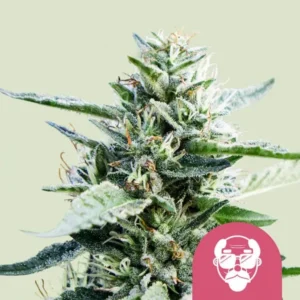
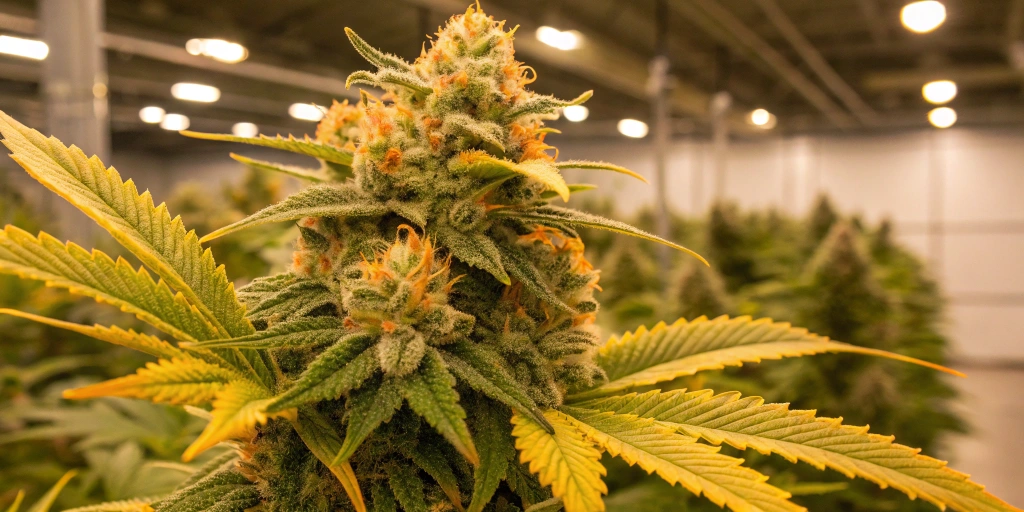

Purple Queen Auto by Royal Queen Seeds is a compact, ultra-fast indica autoflower known for its vibrant purple buds and easy growing. Built on Purple Queen crossed with a Critical Auto, with Hindu Kush and Purple Afghani in its background, it carries a mellow 15-16% THC, a citrus-earthy flavor, and a calming, euphoric effect. Its headline feature is speed: a remarkably quick 6-7 week flowering stage, which makes it one of the fastest, easiest ways to grow colorful, relaxing flower.
Because it is an autoflower, it flowers on its own with age instead of waiting for a change in the light cycle. That makes it fast and simple, but it also changes how you light, train, and time the grow, as explained below.
Recommended Strains
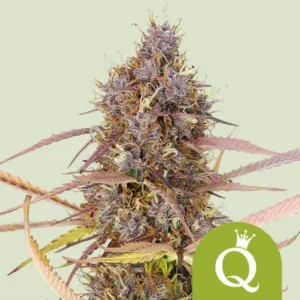
Purple Queen Auto

|
Type | Autoflowering |

|
THC | 15% - 16% (Medium) |

|
Lineage | Purple Queen x Critical Auto |

|
Phenotype | 80% Indica / 15% Sativa / 5% Ruderalis |

|
Effects | Calming, Euphoric |

|
Flavors | Citrus, Earthy |

|
Life Cycle | 6 - 7 weeks |

|
Yield | Medium |

|
Yield Indoor | 1.15 - 1.31 oz/ft² | 350 - 400 g/m² |

|
Yield Outdoor | 3.53 - 5.29 oz/plant | 100 - 150 g/plant |

|
Height | 3.61 ft | 1.1 m |
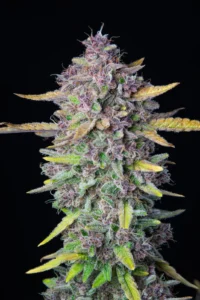
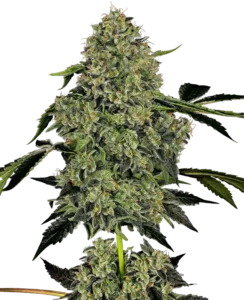
Purple Punch Auto Fastbuds
|
|
Type | Autoflowering |
|
|
THC | 24% - 25% (High) |
|
|
Lineage | Purple Punch x Ruderalis |
|
|
Phenotype | 90% Indica / 10% Sativa |
|
|
Effects | Calming, Focused, Creative, Relaxed |
|
|
Flavors | Berry, Cherry, Sweet |
|
|
Life Cycle | 8 - 9 weeks |
|
|
Yield | High |
|
|
Yield Indoor | 1.64 - 1.97 oz/ft² | 500 - 600 g/m² |
|
|
Height | 3.94 ft | 1.2 m |
Purple Queen Auto Grow Info
| Trait | Purple Queen Auto (Royal Queen Seeds) |
| Genetics | Purple Queen x Critical Auto (Hindu Kush, Purple Afghani background) |
| Seed type | Autoflowering, feminized |
| Genetic profile | 80% indica / 15% sativa / 5% ruderalis |
| THC | 15-16% (medium) |
| Flowering stage | 6-7 weeks (very fast) |
| Height | Compact, around 1.1 m |
| Indoor yield | Medium, around 350-400 g/m² |
| Outdoor yield | Around 100-150 g per plant |
| Effects | Calming, euphoric |
| Flavor | Citrus, earthy |
These are Royal Queen Seeds’ published figures for Purple Queen Auto at Growlantis. When you need an exact THC percentage, height, or yield, check the specification on your own Purple Queen Auto seed pack.
What Makes Purple Queen Auto Worth Growing
Purple Queen Auto is about speed, color, and ease. Its Hindu Kush and Purple Afghani roots deliver a citrus-earthy flavor, resin-rich buds, and vibrant purple hues in the right conditions, with a calming, euphoric effect at a mellow 15-16% THC. It is a gentle, approachable smoke rather than an overpowering one.
For the grower, the standout is its remarkably quick flowering. The flowering stage runs just 6-7 weeks, among the fastest you will find, and the plant stays a compact 1.1 m, so it is easy to fit and quick to harvest. It still yields a solid 350-400 g/m² indoors. That blend of speed, small size, color, and ease makes it ideal for beginners and anyone who wants a fast turnaround.
Is Purple Queen Auto Indica or Sativa?
Purple Queen Auto is strongly indica dominant, listed at 80% indica, 15% sativa, and 5% ruderalis, from its Purple Queen and Critical Auto genetics.
That heavy indica lean defines it. It grows short, bushy, and compact, ideal for small spaces, and the effect is calming and euphoric with a relaxing body presence, best suited to evening use. The small ruderalis share is what lets it flower on age alone, and its Afghani roots bring the resin and purple color.
Flowering Time vs Full Grow Time
For an autoflower, this works differently than for a photoperiod, and understanding it is the key to timing the grow.
- Flowering stage: a very fast 6-7 weeks. This is one of the quickest bloom stages available, part of what makes this strain so fast overall.
- Full life cycle (seed to harvest): flowering plus the short automatic veg, usually around 9-10 weeks total from seed. Flowering begins on its own at roughly 3-4 weeks of age, with no change to the light needed.
The practical takeaway: you cannot extend the veg stage to grow a bigger plant the way you can with a photoperiod. What you plant is roughly what you get, so the early weeks matter. Keep seedlings healthy and stress-free, because the plant is on a fast fixed clock.
Does Purple Queen Auto Need a 12/12 Light Cycle?
No. This is the key difference from photoperiod strains. As an autoflower, Purple Queen Auto does not need a 12/12 light cycle to flower. It starts flowering on its own with age, regardless of the light schedule.
Most growers run 18/6 (18 hours on, 6 off) for the entire life cycle, from seed to harvest. Some use 20/4 for a little more light and growth. There is no flip and no separate flowering schedule. Outdoors it flowers on age too, so in a warm, long season you can fit several quick crops in a year.
Purple Queen Auto Grow Timeline, Week by Week
With an auto, the timeline is on a fast fixed clock, so these stages happen on schedule rather than when you decide.
- Weeks 1-2: germination and seedling. The taproot and first true leaves establish. Keep things gentle and stress-free, since the clock is already running.
- Weeks 3-4: vegetative growth. Fast, bushy growth under 18/6. Begin gentle low stress training now if you train at all.
- Weeks 4-5: pre-flower and stretch. The plant starts flowering on its own and sets its structure.
- Weeks 5-8: fast flowering. Resinous buds form and fill out quickly, color may show, and the citrus-earthy aroma develops.
- Weeks 9-10: ripening and harvest. Judge by trichomes, not just the calendar.
Choosing Your Setup: Space, Light and Pots
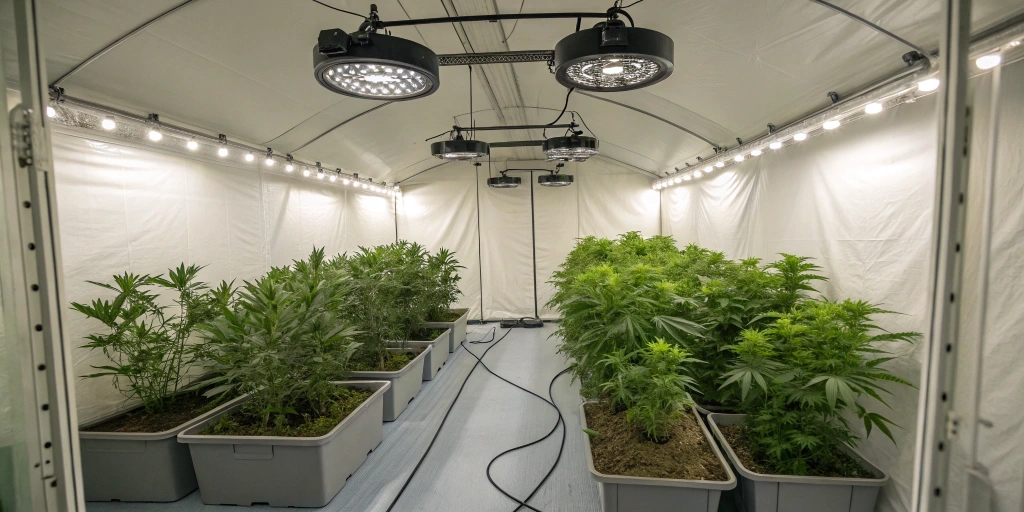
Purple Queen Auto stays compact at around 1.1 m, so it fits easily into small tents and tight spaces. Give it strong, consistent light on an 18/6 schedule for the whole cycle to back the yield and color. A full-spectrum LED at 30-40 watts per square foot is plenty.
The single most important setup choice for an auto is the pot. Plant in the final container from the start, ideally a 3-5 gallon fabric pot, and do not transplant. Autos dislike root disturbance, and because they are on a fast clock they have no time to recover from transplant stress. Fabric pots also improve airflow and help prevent overwatering.
Germinating and Raising Seedlings
The paper towel method is the simple, reliable start. Soak the seeds for 12-24 hours, then place them between damp paper towels on a covered plate, kept dark and warm at 70-85°F (21-29°C). A taproot usually appears within two to three days.
When the taproot reaches about 1-2 cm, plant it root-down a knuckle deep directly into its final pot and keep the surface moist until the seedling emerges. Hold off on nutrients at this stage. With a fast auto, a healthy, stress-free start is especially important because the plant is already on its clock. New to growing? Our beginner growing guides cover germination step by step.
The Vegetative Stage and Low Stress Training
Veg is short and automatic with this strain, so the goal is to support fast, healthy growth, not to extend it. Keep it under 18/6 with a light feed and let its compact, bushy frame build quickly.
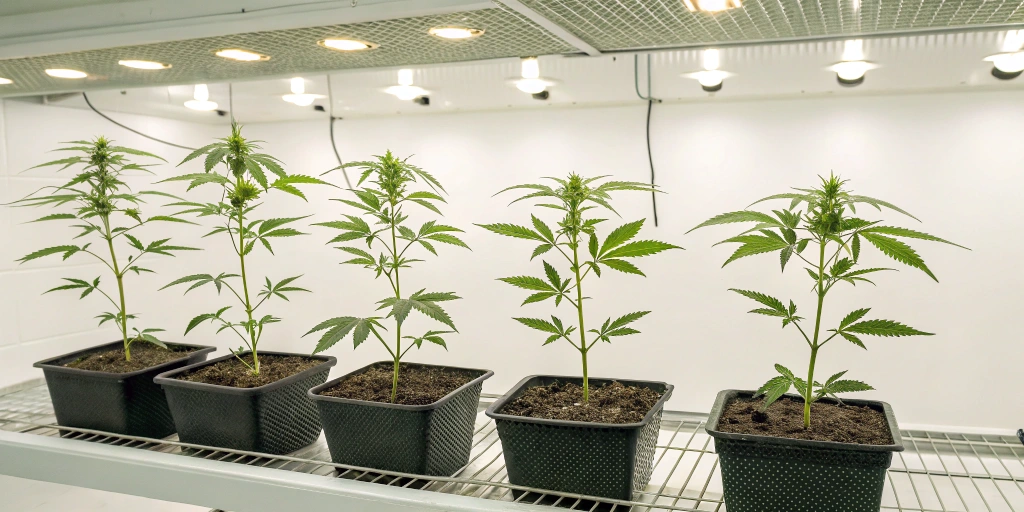
Because the plant is on a fast fixed clock, stick to low stress training (LST) and skip high-stress techniques. Gently tie down the main stem and branches to open the canopy and expose more bud sites to light, which suits its bushy shape. Avoid topping and other heavy training, which an autoflower often cannot recover from in time, especially one this fast. For the same reason, cloning is not practical with autos, so each plant is a single, seed-to-harvest grow. Train early and gently, in the first couple of weeks only.
Feeding and Watering Purple Queen Auto
Autos are light feeders, so go easy. Use a gentle, nitrogen-forward feed at reduced strength through the short veg, then switch to a bloom formula higher in phosphorus and potassium as flowering begins, which comes quickly here. Start at roughly half the dose you would give a photoperiod and increase only if the plant asks for it. Overfeeding is the most common mistake with autos.
Water by root-zone moisture, not a timetable. Let the top inch or two of medium dry between waterings, then water thoroughly until a little drains. Fabric pots and this water-to-weight habit keep the roots healthy and prevent overwatering, which small-rooted autos are sensitive to.
Flowering and Knowing When to Harvest
Flowering begins on its own at around 3-4 weeks of age and runs fast, just 6-7 weeks. Resinous buds form and fill out quickly, and the citrus-earthy aroma develops, so keep air moving and run a carbon filter indoors.
For the signature purple color, cool night temperatures in late flower encourage the purple hues, though it is not guaranteed and depends on phenotype and environment. Let ripeness decide the harvest: check the trichomes under a loupe and cut when most are cloudy with a few turning amber. After harvest, hang the branches in the dark at about 60°F (15-16°C) and 55-60% humidity for 7-14 days, then cure in sealed jars, burping daily for the first couple of weeks to protect the flavor.
Growing Indoors vs Outdoors
Indoors, Purple Queen Auto is easy, fast, and compact. Run 18/6 for the whole cycle, keep it in its final fabric pot, and its small size and quick 6-7 week bloom make it an excellent tent strain with a very fast turnaround.
Outdoors, it is a compact, flexible producer, returning around 100-150 g per plant and finishing very fast. Because autos flower on age, not on the season, and this one is so quick, you can run several crops per year in a warm climate. Cooler nights toward the end can bring out the purple color. Give it full sun, a light airy soil, and protection from constant wet.
How Tall and How Much? Height and Yield
Height is easy to plan for. Purple Queen Auto stays compact at around 1.1 m, so it fits comfortably in most tents and does not need aggressive height control.
On yield it is a medium producer, listed at around 350-400 g/m² indoors and 100-150 g per plant outdoors, solid for such a small, ultra-fast plant. Strong consistent light, gentle LST to open its bushy canopy, the right final pot, and a careful feed are what turn that potential into real weight of colorful, resinous flower.
Best US Climates for Purple Queen Auto
As a fast, compact autoflower, Purple Queen Auto suits a wide range of US climates, and its speed is a real advantage. Its age-based flowering and quick 6-7 week bloom mean it is not tied to the season, so growers in cooler or shorter-season states can easily get a full outdoor crop, and warm-climate growers in California and the Southwest can run several cycles per year.
It thrives indoors anywhere thanks to its small size. Cooler nights late in the grow, common in many regions in early fall, can deepen the purple color. In the humid Southeast, keep airflow strong around the dense buds to prevent rot. For more options, browse our full how-to-grow guide library.
Common Problems When Growing Purple Queen Auto
A few predictable, auto-specific issues are easy to head off.
Transplant shock
Autos hate root disturbance and have no time to recover on their fast clock. Plant in the final pot from the start and never transplant.
Overfeeding
Autos are light feeders, and a fast one especially. Start at about half strength and build up only if needed, watching the leaf tips for nutrient burn.
Expecting guaranteed purple
The purple color depends on cool nights, phenotype, and environment. A green plant can be just as potent and flavorful, so do not chase color at the cost of a clean grow.
Missing the fast finish
Because it flowers so quickly, check trichomes early. It can be ready sooner than you expect, so do not leave it past ripeness.
Making the Most of Your Harvest
Do not waste the trim. The resin-rich sugar leaves make good bubble hash, dry sift, or rosin that keeps the citrus-earthy character. The stems, roots, and fan leaves compost well and feed your next grow.
Is Purple Queen Auto Right for You?
If you want one of the fastest, easiest ways to grow colorful, relaxing flower, yes, especially as a beginner or for a quick turnaround. Its ultra-fast 6-7 week bloom, small size, purple color, and mellow effect make it very rewarding. If you want high THC or a big yield, look elsewhere. Browse our full how-to-grow guide library for more.
Frequently Asked Questions
Is Purple Queen Auto indica or sativa?
Purple Queen Auto is strongly indica dominant, listed at 80% indica, 15% sativa, and 5% ruderalis, from its Purple Queen and Critical Auto genetics. It grows short, bushy, and compact, ideal for small spaces, and the effect is calming and euphoric with a relaxing body presence, best for evening use. Its Afghani roots bring resin and purple color.
How long does Purple Queen Auto take to grow?
Purple Queen Auto has a very fast flowering stage of just 6 to 7 weeks, and completes its whole life cycle in around 9 to 10 weeks from seed. As an autoflower, it begins flowering on its own at around 3 to 4 weeks of age, with no light change needed. Check trichomes near the end, since it ripens quickly.
Does Purple Queen Auto need a 12/12 light cycle?
No. As an autoflower, it does not need a 12/12 light cycle to flower. It starts flowering on its own with age. Most growers run 18/6 for the entire life cycle, from seed to harvest, and some use 20/4. There is no flip and no separate flowering schedule, which makes this fast strain very simple to run.
How much does Purple Queen Auto yield?
Purple Queen Auto is a medium yielder, producing around 350 to 400 g/m2 indoors and 100 to 150 g per plant outdoors, solid for such a small, ultra-fast plant. Strong light, gentle low stress training, the correct final pot, and a careful feed are what turn that potential into real weight of colorful flower.
Does Purple Queen Auto turn purple?
It can, but it is not guaranteed. The purple color depends on cool night temperatures in late flower, phenotype, and environment, and its Purple Afghani roots make it prone to coloring up. Encouraging cooler nights brings out the hues, but a green plant is just as potent, so grow for health first and treat color as a bonus.
How strong is Purple Queen Auto?
Purple Queen Auto is mild to moderate in potency at 15 to 16% THC, listed as medium. The effect is calming and euphoric with a relaxing body presence, gentle and approachable rather than overpowering, which suits users who find high-THC strains too intense. Its speed, color, and easy growing are its real strengths alongside the comfortable strength.
What does Purple Queen Auto taste like?
Purple Queen Auto has a citrus and earthy flavor from its Afghani and Kush heritage. To protect those terpenes, run a carbon filter in flower, dry slowly at around 60F with moderate humidity, and cure in sealed jars, burping daily for two weeks. A careful cure keeps the citrus-earthy character full, even on such a fast strain.