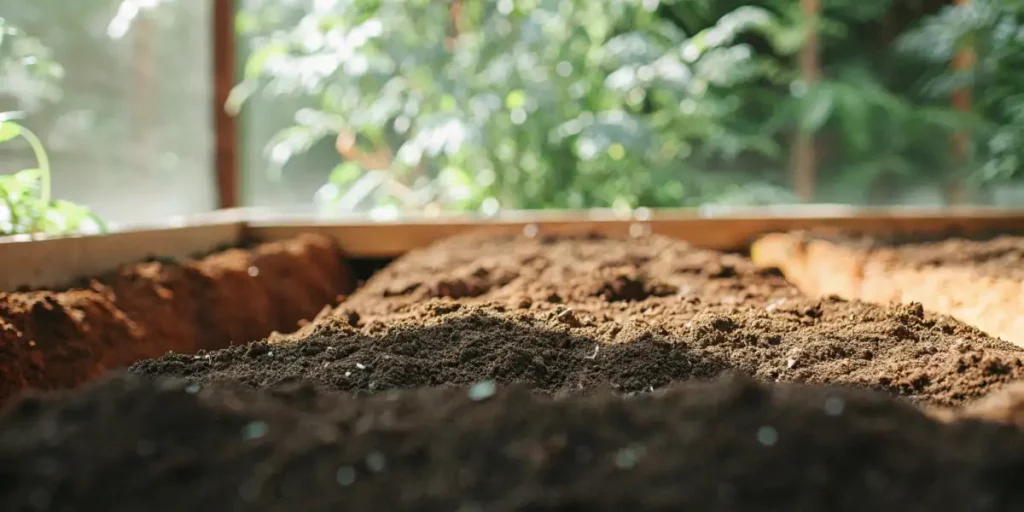

Autoflowers want a lighter soil than photoperiods, because a hot, heavily amended mix burns a seedling that only has ten weeks to live. The usual mistake is buying a rich “super soil” that would be perfect for a plant you veg for two months and planting an auto straight into it. Look for a light, airy peat or coco-based mix with mild starting nutrition, roughly 30% perlite, and a pH between 6.0 and 6.5. Below are the pre-mixed bags that fit that description and a recipe if you would rather mix your own.
Small decisions early in a grow add up to a much better result later. For more, see our articles on germinating cannabis seeds in rockwool and how long to soak cannabis seeds, which share practical, tested tips for keeping your plants vigorous and getting a cleaner, heavier harvest.
Recommended Strains

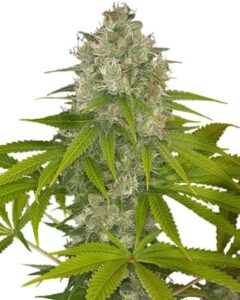
Painkiller XL CBD

|
Type | CBD Feminized |

|
CBD | 19% – 20% (Medium) |

|
Lineage | Respect 13 x Juanita la Lagrimosa |

|
Phenotype | 25% Indica / 75% Sativa |

|
Effects | Focused, Relaxed |

|
Flavors | Candy, Citrus, Earthy, Fruity |

|
Flowering Time | 8 - 9 weeks |

|
Yield | High |

|
Yield Indoor | 1.64 - 1.8 oz/ft² | 500 - 550 g/m² |

|
Yield Outdoor | 17.64 - 19.4 oz/plant | 500 - 550 g/plant |

|
Height | 4.59 ft | 1.4 m |

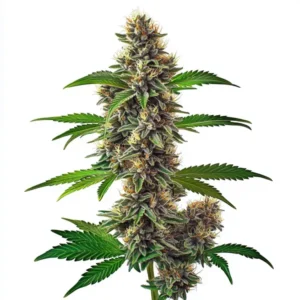
Blueberry
|
|
Type | Feminized |

|
THC | 15% - 20% (Medium) |
|
|
Lineage | 1970's Original Blueberry |
|
|
Phenotype | 80% Indica / 20% Sativa |
|
|
Effects | Calming, Happy, Relaxed |
|
|
Flavors | Berry, Pine, Sweet |
|
|
Flowering Time | 9 weeks |
|
|
Yield | High |
|
|
Yield Indoor | 1.64 oz/ft² | 500 g/m² |
|
|
Yield Outdoor | 19.4 oz/plant | 550 g/plant |
|
|
Height | 4.92 ft | 1.5 m |
When it comes to growing autoflowers, the soil you choose should be light, airy, and nutrient-rich. This type of soil ensures that the roots can spread easily, allowing for maximum growth and yield. A well-draining soil is essential, as it prevents root rot and other water-related issues. Finding the perfect balance is key to achieving healthy plants.
Using the optimal soil mix for autoflower cannabis is all about knowing the needs of your plants. Autoflowers require a specific pH range, nutrient balance, and soil texture to thrive. Choosing a high-quality organic soil for autoflowering strains can significantly boost your plant’s growth and yield. Let’s dive into the specifics of what makes an ideal soil mix for these plants.
What Makes a Soil Right for Autoflowers?
The best soil for autoflowers contains several key components that work together to support healthy growth. A high-yield soil blend for autoflowers typically includes organic matter, aeration elements, and pH-balancing agents. These components create a thriving environment for your plants.
Organic matter, such as compost or worm castings, provides essential nutrients that autoflowers need to grow. Aeration elements like perlite or vermiculite ensure that the soil remains loose and well-drained. Finally, pH-balancing agents help maintain the ideal pH level for autoflower plants, typically between 6.0 and 7.0.
In addition to these components, the texture of the soil plays a significant role in plant health. The soil should be loose enough to allow roots to expand but dense enough to retain moisture and nutrients. A well-structured soil mix promotes root development, ensuring that your plants have the stability and nutrition they need to flourish.
Another key consideration when selecting soil is the presence of beneficial microbes. These microorganisms aid in the breakdown of organic matter, making nutrients more accessible to the plants. Incorporating mycorrhizae or other microbial inoculants into your soil can enhance nutrient uptake, leading to healthier and more productive plants.
Importance of Nutrient-Rich Soil for Autoflower Growth
Nutrient-rich soil for autoflower growth is critical for achieving robust plants. Autoflowers have a short life cycle, and they need a consistent supply of nutrients to reach their full potential. Using soil that is rich in essential nutrients like nitrogen, phosphorus, and potassium can help your plants thrive.
Some growers prefer to use pre-fertilized soil mixes that contain all the necessary nutrients for the entire growth cycle. Others might choose to supplement their soil with additional fertilizers as needed. Both approaches can be effective, as long as the soil remains nutrient-rich throughout the plant’s life.
Besides to the primary macronutrients, micronutrients like calcium, magnesium, and sulfur are also important for autoflower growth. These elements support various physiological functions, contributing to stronger plants and more abundant yields. Ensuring a comprehensive nutrient profile in your soil mix is essential for optimal plant development.
Regular monitoring of soil nutrient levels can help you identify any deficiencies early on. By addressing nutrient gaps promptly, you can maintain the health and vigor of your autoflowers throughout their growth cycle. This proactive approach is key to maximizing yields and achieving the best results from your plants.
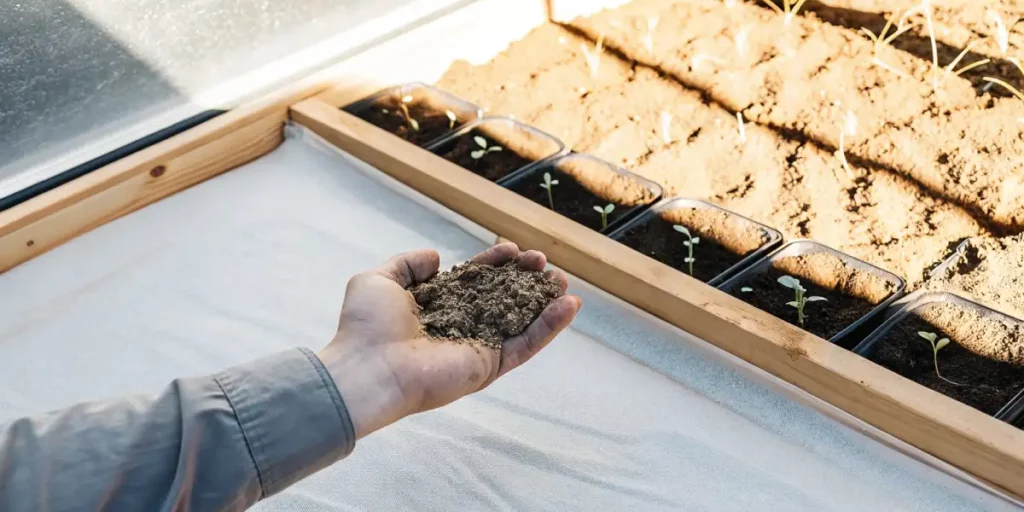
A Soil Recipe for Autoflowers You Can Mix Yourself
Creating the optimal soil mix for autoflower cannabis involves combining various ingredients to meet the specific needs of these plants. A typical mix might include peat moss, perlite, and a small amount of organic compost. This combination provides a balanced environment for roots to expand and absorb nutrients.
For those interested in a more hands-on approach, making your own soil mix allows you to control the exact composition. By experimenting with different ratios of organic matter, aeration elements, and pH-balancing agents, you can fine-tune your soil to suit the specific needs of your autoflowers.
Another approach to creating an optimal soil mix is to incorporate slow-release fertilizers. These products gradually release nutrients over time, providing a steady supply for your plants. This method reduces the need for frequent fertilization, simplifying your growing routine while ensuring consistent nutrient availability.
It’s also beneficial to consider the water retention capacity of your soil mix. While well-draining soil is essential, a mix that retains some moisture can prevent the plants from drying out too quickly. Balancing aeration and moisture retention is crucial for maintaining healthy root systems and promoting vigorous growth.
| Type of soil | Suits autoflowers | Why |
|---|---|---|
| Light peat-based seedling mix | Yes, the safest start | Mild nutrition, nothing to burn a young plant |
| All-purpose potting soil plus 30% perlite | Yes | Cheap, forgiving, needs feeding from week 3 |
| Coco and perlite blend | Yes, if you can feed daily | Fast growth, no buffer for mistakes |
| Pre-amended “super soil” | No, not neat | Too hot for a seedling with a ten-week life |
| Super soil as a bottom layer only | Yes | Roots reach it in week 3, when they can use it |
| Garden topsoil | No | Compacts, drains badly, carries pests |
Pre-Mixed vs Store-Bought vs DIY: Which Soil to Choose
Opting for the best organic soil for autoflowering strains can enhance the health and quality of your plants. Organic soils are free from synthetic chemicals, providing a natural environment for cannabis growth. These soils often contain beneficial microbes that support plant health.
When selecting organic soil, look for products that list specific organic ingredients. Common components include coconut coir, bat guano, and bone meal. These ingredients improve soil structure and provide essential nutrients, promoting vigorous growth and high yields.
Organic soils not only offer nutritional benefits but also promote environmental sustainability. By choosing organic options, you contribute to healthier ecosystems and reduce your ecological footprint. This holistic approach supports both plant health and environmental well-being.
Additionally, the best soil for autoflowers, especially organic mixes, can enhance the flavor and aroma profiles of your cannabis. The natural nutrients and beneficial microbes in these soils contribute to the development of terpenes, resulting in more flavorful and aromatic buds. This added benefit makes organic soils a popular choice among discerning growers.
PH-Balanced Soil for Autoflower Plants
Maintaining a pH-balanced soil for autoflower plants is essential for nutrient uptake. Autoflowers typically prefer a pH range between 6.0 and 7.0. Soil that falls outside this range can lead to nutrient lockout, where plants are unable to absorb essential nutrients.
To ensure your soil remains pH-balanced, consider using a pH meter or test kit to regularly check your soil’s pH levels. If adjustments are needed, products like lime or sulfur can help raise or lower pH levels, respectively.
It’s important to remember that pH levels can fluctuate over time due to watering, fertilization, and other environmental factors. Regular monitoring and adjustments are crucial to maintaining a stable pH environment, which supports optimal nutrient uptake and plant growth.
Creating a buffer in your soil mix can also help stabilize pH levels. Adding dolomite lime, for example, can act as a pH buffer, minimizing fluctuations and ensuring that your soil remains within the desired range. This proactive measure can prevent nutrient-related issues and promote healthy plant development.
Soil Is Not the Same as Feeding
A light soil only carries an autoflower through the first two or three weeks, and after that the plant is relying on what you give it. That is worth separating clearly, because “which soil” and “which nutrients” are two different decisions and mixing them up is how people end up either burning a seedling or starving a plant in week five.
The sequence that works is a mild soil at the start, the first light feed somewhere around week three when the plant has three or four nodes, and full strength only once it is visibly growing fast. A soil described as feeding the plant for the whole cycle is making a claim it cannot keep for a plant in a three-gallon pot.
If you want the feeding side in detail, that is its own subject and it changes depending on whether you are in soil or in coco. This page stays on the medium.
Frequently asked questions
What is the best soil for autoflowers?
A light, airy mix with mild starting nutrition: peat or coco based, around 30% perlite, pH 6.0 to 6.5. Autoflowers have no time to recover from nutrient burn, so a soil that is too rich is a worse mistake than one that is too poor.
What soil mix should I use for autoflowers?
Roughly four parts light peat or coco, three parts perlite, two parts worm castings and a handful of a mild dry amendment per pot. That gives drainage, some microbial life and enough nutrition for the first three weeks without burning a seedling.
Does autoflower soil need to be nutrient-rich?
It does not, for the first few weeks. A nutrient-rich soil is a liability for an autoflower seedling. What the soil needs to be is airy and mildly fed; the richness comes later, from feeding, once the plant is big enough to use it.
What does pH-balanced soil mean?
PH-balanced soil maintains a specific acidity level, crucial for nutrient uptake. For autoflowers, the ideal pH range is between 6.0 and 7.0. Outside this range, plants might experience nutrient lockout, where they can’t absorb nutrients effectively.
Regularly testing soil pH with a meter or test kit and making adjustments as needed ensures that the soil remains within the optimal range, supporting healthy plant growth and maximizing yields.
Knowing the function of pH in nutrient availability helps growers make informed decisions about soil amendments and fertilization. By maintaining pH balance, you create an environment where nutrients are readily accessible to the plants.
Incorporating pH-adjusting materials into your soil mix, like sulfur for lowering pH or lime for raising it, can help maintain the optimal range. This proactive management supports robust plant growth and successful harvests.
Can a homemade mix be the best soil for autoflowers?
Yes, and for autoflowers a homemade light mix often beats a bag of pre-amended soil, because you control how hot it is. The trade-off is consistency: a bag is the same every time and your mix is only as good as your measuring.