


Biscotti is an indica-dominant feminized photoperiod strain family built around Gelato-family and Florida OG genetics. Current commercial seed lines are closely related but not identical, so their exact parentage, THC, height and yield specifications vary.
Biscotti genetics bring a sweet, doughy, slightly gassy flavour that keeps growers coming back. Dutch Passion’s Frozen Biscotti adds a frosty, colourful twist, producing dense, resin-coated buds and a deeply relaxing effect that rewards a careful grow and a slow cure for the richest aroma.
Recommended Strains
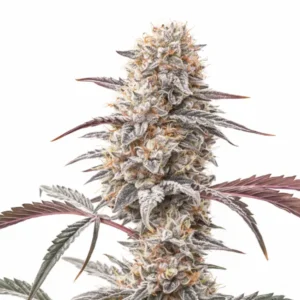
Biscotti Strain

|
THC | 28% - 29% (High) |

|
Lineage | Gelato x South Florida OG |

|
Type | Feminized |

|
Height | 4.27 ft | 1.3 m |

|
Yield | Medium |

|
Yield Indoor | 1.15 - 1.47 oz/ft² | 350 - 450 g/m² |

|
Flowering Time | 8 - 9 weeks |

|
Phenotype | 80% Indica / 20% Sativa |

|
Effects | Relaxed, Powerful, Happy |

|
Flavors | Sweet, Spicy, Cream |
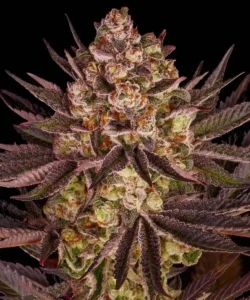
Biscotti Mintz
|
|
THC | 30% - 31% (High) |
|
|
Lineage | Biscotti x Mintz |
|
|
Type | Feminized |
|
|
Height | 5.25 ft | 1.6 m |

|
Yield Outdoor | 52.91 oz/plant | 1500 g/plant |
|
|
Flowering Time | 8 - 9 weeks |
|
|
Phenotype | 80% Indica / 20% Sativa |
|
|
Effects | Creative, Relaxed, Uplifted |
|
|
Flavors | Earthy, Kush |
Across current Biscotti seed lines, flowering generally takes around 8–9 weeks, with published breeder data spanning approximately 55–65 days. THC ranges from about 20% to 28%, while indoor yield specifications range from roughly 350–550 g/m².
Growers comparing current products can review Biscotti seeds with Gelato × Florida OG genetics and Biscotti seeds with Gelato 25 × South Florida OG genetics before applying an exact specification.
| Biscotti Grow Info | Current seed-line data |
|---|---|
| Seed type | Feminized photoperiod |
| Genetics | Gelato/Gelato 25 × Florida OG/South Florida OG, depending on line |
| Type | Indica dominant |
| THC | Approx. 20–28% depending on line |
| Flowering time | Approx. 55–65 days / 8–9 weeks |
| Indoor height | Approx. 90–120 cm where current numeric data is published |
| Outdoor height | Seed-line specific; one current line lists 150–180 cm |
| Indoor yield | Approx. 350–550 g/m² |
| Outdoor yield | Roughly 550–700 g/plant depending on line where published |
| Outdoor harvest | October, depending on line and climate |
| Common flavors | Sweet, Cookie, Spicy, Diesel, Earthy/Fruity |
Biscotti Genetics
Current Biscotti seed lines do not all use exactly the same parent names.
Their genetics center on Gelato or Gelato 25 crossed with Florida OG or South Florida OG, depending on the commercial line. This shared background explains why the available versions retain similar indica-dominant structure and dessert-like aromatic characteristics while still producing different technical specifications.
Girl Scout Cookies should not automatically be added as a separate direct parent of every Biscotti seed line. It can appear deeper in the ancestry of Gelato-family genetics, but that is different from being one of the immediate parents of the commercial seed.
Always match exact grow data to the Biscotti product being cultivated.
Is Biscotti Indica or Sativa?
Current Biscotti seed lines are consistently indica dominant, but not every current breeder publishes the same numerical ratio.
One version is officially listed at 80% Indica and 20% Sativa, while other current lines are simply classified as indica dominant without an exact percentage.
For a general Biscotti grow guide, “indica dominant” is therefore more accurate than applying one 80/20 ratio universally.
The plants generally develop a bushy structure with broad foliage and relatively compact indoor growth, although exact morphology and final size still depend on the seed line and cultivation conditions.
How Much THC Does Biscotti Have?
Current Biscotti seed lines publish THC specifications from approximately 20% to 28%.
Some versions reach around 20–25%, while another current commercial line is listed at 28%. This variation makes older claims such as 22–25% or 28–29% inaccurate when presented as the specification for every Biscotti strain.
Published THC values describe breeder-listed genetic potential rather than guaranteed laboratory results.
Phenotype, plant health, light, harvest maturity and post-harvest handling can all influence the cannabinoid concentration measured in an individual crop.
Biscotti Flavor and Aroma
Sweet, spicy and dessert-like characteristics are common across current Biscotti seed lines, but their exact flavor descriptions vary.
Depending on the version, documented profiles include cookie, vanilla, spice, diesel, fruit, earth and nut-like sweetness. Some lines lean more strongly toward creamy baked-goods notes, while others emphasize fuel and pepper.
These differences reflect the fact that the available Biscotti seeds are not genetically identical.
A general guide should therefore describe the shared sweet, spicy and diesel-influenced character rather than applying one exact terpene or flavor hierarchy to every version.

Biscotti Flowering Time
Current Biscotti photoperiod seed lines generally flower in approximately 8–9 weeks.
One current breeder gives a more precise range of 55–65 days, while the other available lines publish approximately eight to nine weeks.
This period begins after the indoor flowering transition. It is not the complete amount of time from germination to harvest because Biscotti is photoperiodic and the grower controls the length of vegetative growth.
Once the plant has reached a suitable canopy size, changing the indoor schedule to approximately 12 hours of light and 12 hours of uninterrupted darkness begins the flowering phase.
For more context, see the cannabis flowering stage guide.
Biscotti Height and Plant Structure
Biscotti generally remains medium-sized indoors, although exact height varies by seed line.
Current lines with numerical breeder data are typically around 90–120 cm indoors. Another current product is simply classified as short rather than being assigned one precise height.
Outdoor height is less consistent across the available data. One current line reaches approximately 150–180 cm outdoors, while other current breeders do not publish an equivalent numerical outdoor range.
This is why one universal height such as 1.3, 1.5 or 1.6 meters should not be applied to every Biscotti plant.
Vegetative duration, root space, training and phenotype can further influence final size.
Growing Biscotti Indoors
Current Biscotti lines publish indoor yields ranging from approximately 350–550 g/m².
One version is listed around 350–450 g/m², another at 400–500 g/m², and another reaches approximately the 450–550 g/m² range.
These figures should remain seed-line specific rather than being averaged into one guaranteed output.
Biscotti’s generally indica-dominant structure makes it manageable in many indoor spaces, but its dense branching and flowers still benefit from sensible canopy spacing.
There is no fixed vegetative duration. Growers can initiate flowering when plant size, root development and canopy coverage suit the available room rather than waiting for an arbitrary week.
Growing Biscotti Outdoors
Biscotti can also perform outdoors, but the available seed lines publish somewhat different production and size specifications.
Current outdoor yield data generally falls around 550–700 g per plant, depending on the version. One line reaches up to approximately 600 g, while another publishes up to around 700 g.
Current harvest information places outdoor finishing in October, with one line specifying early to mid-October.
Climate still matters. Dense Biscotti flowers can retain moisture when conditions become wet or stagnant, so branch spacing and airflow become particularly relevant later in the season.
The published yields should be treated as breeder potential rather than guaranteed outdoor harvest weights.
Biscotti Yield
Indoor Biscotti production currently spans approximately 350–550 g/m², while published outdoor figures generally reach around 550–700 g per plant, depending on the seed line.
Those ranges combine data from different commercial genetics rather than describing one individual plant with an equal chance of reaching either extreme.
Growers should therefore check their exact product before setting yield expectations.
Light, root volume, vegetative duration, canopy development, climate and overall plant health all influence final production.
A larger published number from one Biscotti seed line should not automatically be transferred to another version sold under the same strain name.

How to Germinate Biscotti Seeds
Biscotti does not require one unusual strain-specific germination technique.
Seeds need stable warmth, consistent moisture and access to oxygen without remaining permanently saturated. A damp paper-towel method can be used to observe taproot emergence, while direct germination in an appropriate starting medium can reduce later handling.
Once the taproot appears, transfer the seed carefully and avoid damaging the developing root.
Early watering should reflect the limited size of the young root system rather than the needs of an established plant.
For more detailed starting guidance, see the cannabis seed germination temperature and humidity guide.
Vegetative Growth
Biscotti does not have a fixed four-, six- or eight-week vegetative period.
As a photoperiod cultivar, it remains in vegetative growth until the indoor grower changes the light schedule.
This means vegetation can be adapted to the room rather than following a universal calendar. Growers with limited vertical space can initiate flowering earlier, while larger environments can support more root and canopy development before the 12/12 transition.
Use this stage to develop a healthy branch structure and enough canopy to make effective use of the flowering area.
The correct transition point depends on the actual plant, container and available space rather than the Biscotti name alone.
Training Biscotti
Biscotti’s bushy indica-dominant structure can respond well to canopy management, although recommendations should remain flexible because current seed lines are not identical.
Gentle low-stress training can spread branches and improve access to light. Topping during healthy vegetative growth can also be considered when the plant has enough time to recover before flowering.
Selective pruning is particularly useful when internal branches or leaves create unnecessary congestion.
Some current Biscotti genetics are also suitable for SCROG-style canopy management.
Training should be used to improve structure, spacing and light distribution rather than presented as a guarantee of higher THC or a specific harvest weight.
Flowering Development
After the indoor light cycle is changed, Biscotti generally spends approximately 55–65 days, or about eight to nine weeks, in flowering.
Plants can continue adding some structural growth during the early transition before their flowers gain significant density.
As bloom progresses, Biscotti develops the compact, resinous flowers associated with its indica-dominant structure. This flower density makes canopy spacing increasingly important later in the cycle.
The exact finishing date can vary between seed lines and phenotypes, so use the breeder range for the exact product together with direct observation of flower maturity.
Do not calculate harvest from germination as though every Biscotti plant had the same fixed vegetative duration.
Feeding Biscotti
Biscotti does not require one universal strain-specific nutrient formula.
Nutrition should be adapted to the growing medium, fertilizer system, water quality, root volume, plant size and visible response.
There is no need to prescribe one fixed high-nitrogen vegetative diet followed automatically by heavy phosphorus and potassium feeding during flowering.
Similarly, supplements such as molasses should not be presented as guaranteed methods for increasing sweetness or terpene production.
Follow the feeding program designed for the chosen medium and make gradual adjustments when actual plant development provides evidence that they are needed.
Burned tips, unusually dark foliage and stalled growth provide more useful feedback than a generic Biscotti nutrient calendar.
Watering Biscotti
Water demand changes substantially as Biscotti develops.
A seedling with a small root system requires far less water than a mature flowering plant, so one fixed irrigation schedule is inappropriate.
In containers, substrate moisture and pot weight can provide useful information about actual demand. Ensure excess water can drain rather than allowing the root zone to remain permanently saturated.
Outdoor plants may use considerably more water as root and canopy size increase, but irrigation should still respond to soil conditions, rainfall and weather.
Avoid treating one watering quantity or interval as a universal Biscotti requirement across different seed lines, container sizes and growing environments.
Airflow and Dense Biscotti Flowers
Biscotti’s dense flowers make airflow and moisture management particularly relevant during flowering.
One current seed line is specifically described as vulnerable to mold problems when moisture becomes trapped inside compact buds, despite having moderate resistance to fungal threats overall.
This is why Biscotti should not be marketed simply as “mold resistant.”
The objective is even air movement through and around the canopy, enough branch spacing to prevent persistent stagnant pockets, and prompt removal of dead plant material.
The guide to microbial risk in cannabis growing explains why flower density, trapped moisture and poor circulation can increase microbial pressure.
Common Biscotti Growing Problems
One common problem is treating all Biscotti products as genetically identical. Current seed lines differ in parent naming, THC, yield and exact plant measurements.
Another is assuming the plant always requires four to eight weeks of vegetation. As a photoperiod cultivar, the indoor grower controls when flowering begins.
Dense flowers also deserve attention. Persistent moisture within the canopy can increase mold risk even when general room conditions appear acceptable.
Overwatering and excessive fertilizer concentration are broader cultivation problems rather than documented universal Biscotti sensitivities.
Finally, avoid transferring specifications from Biscotti Mintz, Biscotti OG, White Biscotti or other similarly named cultivars into a guide for Biscotti itself.
Biscotti vs Biscotti Mintz
Biscotti and Biscotti Mintz are related but separate cultivars.
Biscotti Mintz uses Biscotti as part of its genetic background and introduces additional Mintz genetics. That changes its potency, flowering specifications, sensory profile and growth characteristics.
For this reason, Biscotti Mintz data should not be inserted into a general Biscotti grow guide, even when both products appear together in recommendations.
Growers working with that separate cultivar should use the dedicated Biscotti Mintz grow guide instead.
Keeping the two entities separate also prevents conflicting genetics and yield figures from appearing within the same article.
When to Harvest Biscotti
Indoor Biscotti generally reaches its expected harvest window after approximately 55–65 days, or around eight to nine weeks, of flowering.
This timing begins after the flowering light-cycle transition rather than at germination.
Outdoor harvest information from current seed lines points broadly toward October, with some genetics finishing around early to mid-month.
Use these timings as planning references rather than automatic cutting dates.
As the expected window approaches, assess the maturity of the individual flowers and trichomes rather than requiring one universal amber-trichome percentage.
Drying and curing begin after harvest and should remain separate from the plant’s flowering timeline.
Biscotti Effects
Reported Biscotti effects vary somewhat between current seed lines.
Common breeder descriptions include relaxation, euphoria, creativity and uplifting qualities, with some versions developing into a heavier physical effect.
That variation is expected because the available commercial Biscotti products are not genetically identical and their THC specifications range substantially.
These effect descriptions should remain subjective rather than guaranteed outcomes.
Dose, tolerance and the full chemical profile of an individual harvest can all affect the experience, and the strain’s indica-dominant classification alone should not be used to predict one exact result.

Biscotti FAQs
How long does Biscotti take to flower?
Current Biscotti photoperiod seed lines generally flower for about eight to nine weeks after the indoor light cycle is changed to 12/12. One current line publishes 55–65 days, while others use an 8–9 week range. This is flowering time only; total seed-to-harvest time also depends on the grower-controlled vegetative stage.
How much THC does Biscotti have?
Current Biscotti seed lines vary substantially in potency. Published breeder specifications range from about 20% THC to 28% THC, depending on the version. That makes one universal figure inaccurate. The exact product should always be checked, and laboratory results can still vary with phenotype, cultivation conditions, harvest maturity and post-harvest handling.
Is Biscotti Indica or Sativa?
Biscotti is consistently described as indica dominant across current commercial seed lines, but not every breeder publishes the same exact percentage. One current line is listed at 80% Indica and 20% Sativa, while other current pages simply classify the cultivar as indica dominant. Avoid applying one precise ratio to every Biscotti seed line.
How much does Biscotti yield?
Current Biscotti seed lines publish approximately 350–550 g/m² indoors. Outdoor specifications generally reach around 550–700 g per plant where numerical data is available. These figures belong to different commercial versions, so they should not be treated as one guaranteed range. Light, roots, climate, vegetative duration and plant health all influence final production.
How tall does Biscotti grow?
Current Biscotti lines with numerical breeder data remain medium-sized indoors, generally around 90–120 cm, while one current line reaches roughly 150–180 cm outdoors. Another breeder only classifies its plant as short without a precise current height. Final size also depends on vegetative duration, container volume, training and the specific seed line.
What are the genetics of Biscotti?
Current Biscotti products are not genetically identical. Their published backgrounds center on Gelato or Gelato 25 crossed with Florida OG or South Florida OG, depending on the seed line. Girl Scout Cookies should not automatically be added as a separate direct parent simply because it appears deeper within some Gelato-family ancestry.