

To properly hit a cart, connect it to a compatible battery, start at the device’s lower recommended power setting, and take a slow, gentle draw instead of pulling hard. Exhale normally rather than holding the vapor in. Give the cartridge time to cool and re-saturate between draws, especially if the vapor becomes hot, harsh or tastes burnt.
Part of enjoying cannabis is knowing the little practicalities that make each session better. If you liked this, our related reads on getting weed smell out of clothes and cannabis distillate cover more everyday tips and curiosities, from getting the most out of your stash to the small habits that keep the experience clean, safe and enjoyable.
Recommended Strains
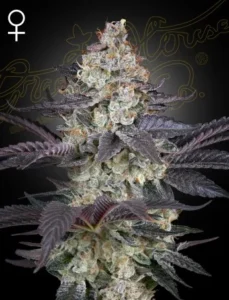
Ztrawberry

|
THC | 22% - 23% (Medium) |

|
Lineage | Runtz x AMS |

|
Type | Feminized |

|
Height | 7.22 ft | 2.2 m |

|
Yield Outdoor | 42.33 oz/plant | 1200 g/plant |

|
Flowering Time | 8 - 9 weeks |

|
Phenotype | 60% Indica / 40% Sativa |

|
Effects | Focused, Balanced, Relaxed |

|
Flavors | Sweet, Fruity, Lemon |
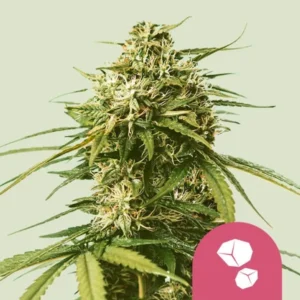
Gushers
|
|
THC | 23% - 24% (High) |
|
|
Lineage | Gelato 41 x Triangle Kush |
|
|
Type | Feminized |
|
|
Height | 4.43 ft | 1.35 m |

|
Yield | High |

|
Yield Indoor | 1.47 - 1.64 oz/ft² | 450 - 500 g/m² |
|
|
Yield Outdoor | 22.93 - 24.69 oz/plant | 650 - 700 g/plant |
|
|
Flowering Time | 8 - 10 weeks |
|
|
Phenotype | 60% Indica / 40% Sativa |
|
|
Effects | Giggly, Relaxed |
|
|
Flavors | Cookie, Earthy, Fruity |
How to Hit a Cart Step by Step
Using a cannabis cartridge should be relatively simple. You do not need complicated breathing techniques or extremely long draws.
First, make sure the cartridge and battery are compatible. Most conventional cannabis carts use a 510-thread connection, although proprietary pod systems require their corresponding batteries. If the cartridge screws onto a conventional 510 battery, attach it gently rather than overtightening it.
If the battery has adjustable power, begin with the lower end of the manufacturer’s recommended range. Some pens are draw-activated and require nothing more than inhaling, while button-operated batteries may require several clicks to turn them on.
Then take a slow, steady pull rather than sucking aggressively through the mouthpiece. Hard draws can increase pressure inside the cartridge and pull oil into the airway, which can contribute to clogging. A recent Weedmaps hardware guide likewise recommends gentle, steady draws rather than trying to clear resistance by pulling harder.
Once you have inhaled a comfortable amount, exhale normally. There is no need to deliberately hold the vapor in your lungs for an extended period.
Finally, give the hardware a chance to cool and allow oil to flow back toward the heating element before taking another draw. If flavor becomes unusually hot, weak or burnt, stop rather than continuing with repeated pulls.
Don’t Pull Harder When a Cart Feels Clogged
One of the most common mistakes is responding to restricted airflow by inhaling as hard as possible.
That can make the problem worse.
Cannabis oil can collect around the narrow airflow channel and mouthpiece as vapor cools and condenses. Pulling harder increases pressure through the cartridge and may draw additional oil into that airway.
If the draw feels unusually tight, first check that the mouthpiece is clear. If your battery has a manufacturer-designed preheat function, a short preheat cycle may help loosen thick oil, particularly when the cartridge is cold. Follow the device instructions rather than assuming every cart needs preheating.
Gentle warming and light draws are preferable to repeatedly forcing air through a blocked cartridge.
How Long Should You Hit a Cart?
There is no universal number of seconds that works for every cartridge.
The existing article recommends 2–3 seconds as though that were the correct duration for all hardware. It is better to avoid that precision.
Draw length depends on battery output, cartridge resistance, airflow, extract viscosity and personal tolerance. Some devices produce substantial vapor quickly, while others are designed around longer, gentler pulls.
For a beginner, the useful principle is simply to start with a short, comfortable draw rather than a long hit.
Long pulls generate more heat. With thick cannabis oil, the heating element can eventually vaporize material faster than fresh oil reaches it, increasing the chance of weak flavor or a burnt hit.
If a short draw produces enough vapor, there is no reason to extend it just to reach an arbitrary number of seconds.
How Hard Should You Inhale From a Cart?
Think gentle and steady, not forceful.
A cartridge is not like drinking through a blocked straw. Increasing suction does not necessarily produce more useful vapor.
Strong pulls can disturb the balance between airflow, oil movement and heating. They can also pull condensed oil toward the central airway, potentially increasing gurgling and clogging.
If a normal gentle draw suddenly becomes difficult, troubleshoot the hardware rather than compensating with more force.
This is one of the simplest improvements I would make to the existing page: “pull harder” should never be the implied solution to weak airflow.
Do You Need to Hold in a Cart Hit?
There is no good reason to hold inhaled cannabis vapor in your lungs for a prolonged period in an attempt to intensify the effect.
Direct research on breath-holding has mostly examined smoked rather than vaporized cannabis, so it should not be overgeneralized to carts. However, controlled human studies found that prolonged breath-holding did not meaningfully enhance the classic subjective effects of smoked cannabis.
For a cartridge guide, the practical recommendation is therefore simple: inhale comfortably and exhale normally.
Long breath holds are unnecessary and can make an already irritating inhalation feel more uncomfortable.

What Voltage Should You Use for a Cart?
There is no universal best voltage for every cannabis cartridge.
Cartridge designs vary in coil resistance, oil viscosity and manufacturer specifications. Some batteries automatically regulate output, while others give users several voltage settings.
If the manufacturer provides a recommended setting, use that specification first.
With an adjustable battery and no other guidance, beginning conservatively is preferable to immediately using the maximum output. Excessive heat can produce harsher aerosol, degrade flavor and potentially scorch oil around the heating element.
If vapor production is adequate and tastes normal, increasing power simply to make a larger cloud is unnecessary.
Should You Preheat a Cart Before Hitting It?
Not every time.
Preheat functions are mainly useful when oil has become thick because of lower temperature or when the cartridge is experiencing minor airflow resistance. Gently warming the oil reduces viscosity and can help it move toward the heating element more easily.
A cartridge that already draws normally does not necessarily benefit from being preheated before every use.
Overusing a heat cycle can simply add unnecessary heat.
Use preheat as a hardware feature for a specific reason rather than as a mandatory step in every session.
How Long Should You Wait Between Cart Hits?
Again, there is no scientifically validated universal interval such as exactly 30 or 60 seconds.
The more useful rule is to avoid repeatedly heating the coil when it is already hot.
Between draws, oil needs time to move back toward the heating element. Consecutive long pulls can cause the coil to heat faster than thick oil re-saturates it, which may produce weaker vapor or burnt flavors.
From the user side, there is another reason not to rush. THC effects can vary considerably with potency, previous cannabis experience and individual biology.
Take one modest draw, assess how the device and your body respond, and avoid treating rapid consecutive hits as the goal.
How to Hit a Cart Without Coughing
There is no technique that guarantees you will not cough, because cannabis aerosol itself can irritate the throat and respiratory tract.
You can, however, avoid several things that commonly make a draw harsher.
Do not begin with maximum battery power. Avoid exceptionally long inhalations, do not pull aggressively through restricted airflow, and stop using the cartridge if the vapor tastes burnt or unusually hot.
A slow, modest draw generally creates a more manageable inhalation than attempting to produce the largest possible cloud.
The original article recommends deep-breathing exercises and even a humidifier as solutions to coughing. I would remove both. They distract from the more obvious issue: if inhaling from a cart repeatedly causes significant coughing or respiratory discomfort, continuing to optimize the inhalation technique is not the right response.
Why Does My Cart Taste Burnt?
A burnt taste usually signals that the heating element is getting too hot or is not receiving enough oil.
Long or repeated draws can heat the coil faster than dense oil can replenish the area around it. Once that happens, flavor can deteriorate quickly.
If the cart tastes burnt, stop drawing from it and allow it to cool. Check the battery setting and reduce the power if appropriate.
If the burnt taste persists, the cartridge or heating element may already be damaged.
Do not try to solve a burnt hit by increasing voltage.
Why Is My Cart Producing Almost No Vapor?
Start with basic hardware checks.
Make sure the battery is charged and switched on, the cartridge is correctly connected and the airflow path is not obstructed. A cart that has been stored somewhere cold may also contain oil thick enough to move slowly.
If the cartridge has become clogged, gently warming it or using an appropriate preheat function can sometimes restore airflow. Forcing the draw usually makes oil migration into the airway worse.
If none of those steps works, compatibility or hardware failure may be the problem.
The current article suggests replacing “worn-out coils,” but most prefilled cannabis cartridges are not designed for users to replace the internal coil separately. In most cases, a failed cartridge is replaced as a complete unit.
How to Store a Vape Cart Between Uses
Store cartridges upright with the mouthpiece facing upward when practical.
That reduces the likelihood of oil settling into the central airway. Weedmaps also recommends keeping cartridges upright and avoiding extreme temperatures, which can change oil viscosity and contribute to leaks or clogging.
Keep the cartridge away from direct sunlight and excessive heat. There is no benefit to leaving a cart inside a hot vehicle or next to another heat source.
If the cart becomes cold, allow it to return gradually toward room temperature rather than applying uncontrolled external heat.
Make Sure Your Cart and Battery Are Compatible
Many cannabis cartridges use the common 510-thread standard, which creates broad compatibility with 510 batteries. Proprietary pod systems are different and usually require their own hardware.
Even when the physical connection fits, follow any power recommendations supplied by the cartridge manufacturer.
A cartridge is designed around a particular heating element and oil formulation. Using dramatically more power than intended does not automatically create a better experience.
If you are unsure whether you are looking at a cartridge, disposable vape or pod, understanding the hardware type should come before experimenting with settings.
Use Tested Products and Don’t Modify the Oil
Technique is only one part of vaping risk.
The 2019 EVALI outbreak demonstrated the danger of poorly controlled THC vaping products. CDC found a strong link between vitamin E acetate and the outbreak, particularly involving THC-containing products obtained through informal sources, while noting that other chemicals could not be completely ruled out.
CDC specifically advises against adding vitamin E acetate or other substances not intended by the manufacturer to vaping products.
That means you should not attempt to thin, dilute or otherwise modify a cartridge because it seems clogged or unusually thick.
Hardware troubleshooting should never involve adding unidentified oils or cutting agents.
How to Properly Hit a Cart: Bottom Line
The best technique is simpler than the current internet mythology around carts suggests.
Use compatible hardware, begin conservatively with adjustable power, and take a gentle, controlled draw rather than inhaling as hard or as long as possible. Do not deliberately hold the vapor in your lungs, and do not take repeated long pulls when the cartridge is already hot.
If airflow becomes restricted, troubleshoot the clog rather than forcing it. If the vapor becomes burnt, excessively hot or repeatedly causes significant coughing, stop rather than trying to push through it.
There is no universally correct 2–3 second hit, 5–10 second preheat or 30–60 second pause. Cartridge design varies, so the manufacturer’s instructions and how the device is actually performing matter more than arbitrary timing rules.

FAQs About How to Properly Hit a Cart
How should a beginner hit a cart?
A beginner should use a compatible battery at a conservative setting and take a short, gentle draw rather than inhaling forcefully. Exhale normally and give both the device and yourself time before another pull. If the vapor feels excessively hot, tastes burnt or causes significant irritation, stop instead of increasing the draw length.
How long should you hit a cart?
There is no universal hit duration because cartridges differ in airflow, resistance, oil viscosity and battery output. Start with a short, comfortable draw and use the amount of vapor produced as feedback. Extremely long pulls can overheat the coil or outpace the flow of oil back toward the heating element.
Should you hold in a cart hit?
There is no established need to hold cannabis vapor in your lungs for a long time. Studies involving smoked cannabis found little evidence that prolonged breath-holding substantially increased the subjective high. Although carts are a different delivery system, deliberately extending breath holds is unnecessary; inhale comfortably and exhale normally.
Why does my cart make me cough?
Cannabis aerosol can irritate the respiratory tract, and hotter or larger inhalations may feel harsher. Reduce excessive heat and avoid long or forceful draws. If coughing is persistent, severe or accompanied by breathing difficulty, chest pain or other concerning symptoms, stop using the product and seek appropriate medical evaluation.
Should I preheat my cart before every hit?
No. Preheating is mainly useful when cold or thick oil is moving poorly or a compatible cartridge has minor airflow resistance. If the cart already works normally, preheating before every hit is unnecessary. Follow the battery manufacturer’s instructions rather than applying a fixed preheat duration to every cartridge.
Why isn’t my cart hitting?
Check that the battery is charged, activated and compatible with the cartridge, then inspect the mouthpiece for restricted airflow. Cold, viscous oil or condensation can contribute to clogs. Gentle warming or the device’s intended preheat feature may help; forceful inhalation can pull more oil into the airway and worsen the blockage.