

The difference between tipsy and drunk is mainly the apparent degree of alcohol intoxication. “Tipsy” usually describes earlier, milder effects such as lowered inhibitions, talkativeness or lightheadedness, while “drunk” suggests more obvious impairment such as slurred speech, poor balance and impaired judgment. Neither is a medical category, and impairment can begin before someone looks drunk.
Tipsy vs Drunk at a Glance
| Sign | Tipsy | Drunk |
|---|---|---|
| Speech | Usually normal or slightly louder/more animated | May become slurred or difficult to follow |
| Balance | May appear mostly normal | Stumbling or poor coordination may become obvious |
| Inhibitions | Often reduced | Can be substantially reduced |
| Judgment | Already may be impaired | More noticeably impaired |
| Reaction time | Can already be slower | Typically more impaired |
| Emotions | More sociable, excitable or relaxed | Mood swings, aggression, sadness or confusion may occur |
| Memory | Usually intact, but not guaranteed | Memory gaps or blackouts become more possible with heavier drinking |
| Safety to drive | No | No |
The key point is that looking relatively normal does not prove that someone is unimpaired.
Recommended Strains
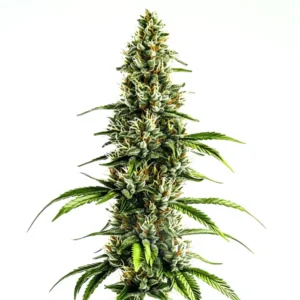
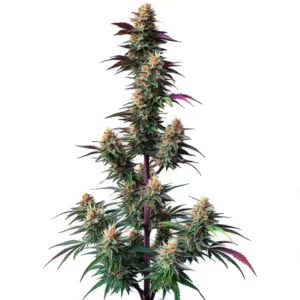
Chocolopez

|
THC | 18% - 20% (Medium) |

|
Lineage | OG Chocolate Thai x Cannalope Haze |

|
Type | Feminized |

|
Height | 9.84 ft | 3 m |

|
Yield | High |

|
Yield Indoor | 1.31 - 1.8 oz/ft² | 400 - 550 g/m² |

|
Yield Outdoor | 22.93 - 26.46 oz/plant | 650 - 750 g/plant |

|
Flowering Time | 8 - 10 weeks |

|
Phenotype | 30% Indica / 70% Sativa |

|
Medical | Anxiety, Depression, Insomnia |

|
Effects | Happy, Relaxed, Talkative |

|
Flavors | Fruity, Herbal |
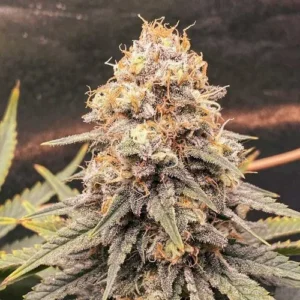
Power Plant
|
|
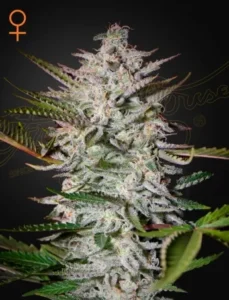
THC | 15% - 20% (Medium) |
|
|
Lineage | Original South African Power Plant |
|
|
Type | Feminized |
|
|
Height | 4.92 ft | 1.5 m |
|
|
Yield | High |
|
|
Yield Indoor | 1.64 - 1.97 oz/ft² | 500 - 600 g/m² |
|
|
Yield Outdoor | 28.22 oz/plant | 800 g/plant |
|
|
Flowering Time | 8 - 10 weeks |
|
|
Phenotype | 40% Indica / 60% Sativa |
|
|
Effects | Talkative, Energetic, Focused |
|
|
Flavors | Pepper, Woody, Earthy |
NIAAA notes that critical decision-making, motor skills and coordination can deteriorate before obvious signs such as slurred speech or loss of balance appear.
What Does Tipsy Mean?
“Tipsy” is an informal word for relatively mild alcohol intoxication.
Someone who describes themselves as tipsy may feel warmer, more relaxed, more talkative, more confident or less inhibited than usual. They may still speak clearly and walk normally enough that other people do not immediately recognize impairment.
That does not mean their brain is functioning normally.
Alcohol interferes with brain communication pathways involved in mood, judgment, coordination and clear thinking. These effects begin before the dramatic signs most people associate with being drunk.
For that reason, I would remove language describing tipsiness as a reliably “manageable” state in which people retain full self-control.
What Does Being Drunk Mean?
“Drunk” is another informal term rather than a precise medical diagnosis.
People usually use it when alcohol’s effects have become obvious to either the drinker or the people around them.
Signs may include slurred speech, impaired balance, slower reactions, reduced coordination, poor judgment, emotional changes, difficulty following conversations and increasingly risky behavior.
With continued drinking, the effects can progress beyond ordinary drunkenness into confusion, vomiting, blackouts, loss of consciousness or life-threatening alcohol overdose.
There is therefore no sharp biological line where a person instantly changes from “tipsy” to “drunk.” The terms describe points along a continuum of alcohol intoxication.
Is Tipsy the Same as Buzzed?
In ordinary conversation, buzzed and tipsy usually describe similar mild subjective effects.
A person might say they feel a buzz after noticing relaxation, warmth, increased sociability or lowered inhibitions but before developing more obvious physical impairment.
Neither term indicates a specific blood alcohol concentration, and neither proves that someone is safe to drive or perform a risky activity.
Someone can feel only mildly affected while reaction time, attention or judgment is already impaired.
How Can You Tell if Someone Is Tipsy?
Common early signs can include increased talkativeness, lowered inhibitions, louder speech, more animated behavior and mild changes in attention or judgment.
The difficulty is that these signs vary considerably between people.
Someone with alcohol tolerance may show fewer outward signs despite substantial impairment. Personality and setting also matter: a naturally outgoing person may become noticeably louder, while someone else may become quieter.
This makes appearance an unreliable way to determine how impaired a person actually is.
The current article repeatedly portrays tipsy people as coordinated, socially appropriate and capable of making sound decisions. I would remove that certainty.
How Can You Tell if Someone Is Drunk?
As intoxication increases, impairment generally becomes easier to notice.
Possible signs include slurred speech, stumbling, difficulty performing coordinated movements, delayed reactions, poor decision-making, emotional volatility and problems maintaining attention.
NIAAA explains that continued drinking can lead from impaired judgment and longer reaction times to poorly controlled behavior, slurred speech and loss of balance.
However, the absence of those obvious symptoms does not mean a person is sober.
Alcohol tolerance can change how intoxication looks from the outside without eliminating its risks.
Tipsy vs Drunk: Is There a Specific BAC?
Not exactly.
Blood alcohol concentration, or BAC, objectively measures alcohol in the bloodstream, whereas “tipsy” and “drunk” are subjective everyday labels.
People can experience different effects at similar BACs because alcohol response depends on factors such as drinking speed, tolerance, food intake, medications and individual sensitivity. NIAAA emphasizes that the point separating impairment from potentially life-threatening intoxication varies between individuals.
BAC can therefore help quantify alcohol exposure, but it cannot translate perfectly into labels such as “slightly tipsy” or “very drunk.”
The safest approach is not to rely on how sober someone feels.

Can You Be Impaired Before You Feel Drunk?
Yes.
This is one of the most important corrections for the page.
People often associate alcohol impairment with obvious symptoms such as staggering or slurred speech, but those signs occur relatively late in the progression.
Decision-making, coordination and driving-related abilities can already be affected while someone still feels sociable, alert and relatively normal.
That is why “I only feel tipsy” is not a reliable test of whether someone can drive safely.
Coffee, cold showers or trying to appear more alert do not reverse alcohol impairment. Time is required for the body to metabolize alcohol.
Can a Tipsy Person Drive?
Feeling tipsy should not be treated as compatible with safe driving.
Alcohol can slow reactions and impair coordination and judgment before visible drunkenness develops.
The same principle applies to bicycles, motorcycles, boats, machinery and other activities where delayed reactions can cause injury.
Do not use the absence of slurred speech or stumbling as a sobriety test.
If someone has been drinking and there is any question about impairment, the safer option is to use a sober driver, taxi, public transportation or another alternative that does not require them to operate a vehicle.
What Happens as Someone Goes From Tipsy to Drunk?
As more alcohol reaches the bloodstream and brain, effects generally become more pronounced.
Early lowered inhibitions can develop into poorer judgment and slower reactions. Coordination can deteriorate, speech may become less clear and emotional control can weaken.
At higher levels of intoxication, memory formation may also be disrupted. Alcohol-induced blackouts are periods during which a person remains awake but later cannot remember some or all of what happened because alcohol interfered with memory consolidation.
If drinking continues further, the situation can become medically dangerous rather than simply “very drunk.”
When Does Being Drunk Become an Emergency?
An alcohol overdose occurs when alcohol concentrations become high enough to interfere with brain regions controlling essential functions such as breathing, heart rate and body temperature.
Warning signs include severe confusion, inability to remain conscious or wake up, vomiting, seizures, slow or irregular breathing, clammy or unusually pale/blue skin and loss of normal protective reflexes.
A person does not need to show every symptom before the situation is dangerous.
Do not assume someone who has passed out simply needs to “sleep it off.” Alcohol can continue entering the bloodstream after drinking stops, and an unconscious person can choke on vomit or experience respiratory suppression.
If alcohol overdose is suspected, contact emergency medical services immediately.
Does Alcohol Tolerance Change Tipsy vs Drunk?
Tolerance can change how strongly someone feels or displays certain effects, but it does not make heavy alcohol exposure harmless.
A person who drinks frequently may require more alcohol before reporting the same subjective feeling of intoxication or may appear less visibly drunk than another person.
This is one reason outward signs are not reliable measures of safety.
The current article says people with higher tolerance may simply “remain tipsy longer.” That is misleading because tolerance can mask subjective or visible signs while significant physiological exposure and impairment remain.
Does Being Tipsy Always Lead to a Hangover?
No.
A hangover cannot be predicted simply from whether someone described themselves as “tipsy” or “drunk.”
Hangover severity varies considerably and is influenced by the amount consumed, drinking duration, sleep, hydration and individual response.
Someone who felt mildly intoxicated may still feel unwell the following day, while outward appearance the previous evening cannot reliably predict hangover severity.
For this reason, I would remove the current article’s neat division in which tipsy people supposedly wake up mostly fine while drunk people experience severe hangovers.
What Happens if You Mix Cannabis and Alcohol?
Combining cannabis and alcohol does not make tipsiness more balanced or enjoyable in any predictable way.
The existing article repeatedly recommends cannabis strains as complements to alcohol. I would remove that entire angle.
Controlled research has found that alcohol and cannabis together can produce greater driving impairment than either substance alone. A randomized study found increased lane weaving and reaction time with combined use, while participants were not necessarily aware of the full extent of their impairment.
A systematic review and meta-analysis likewise concluded that combining cannabis and alcohol produced greater deterioration in driving performance than either drug by itself.
More recent controlled research using THC edibles reached the same general conclusion: co-use produced greater subjective intoxication and driving impairment in several conditions.
There is therefore no evidence-based “best strain to pair with being tipsy.”
Tipsy vs Drunk: Bottom Line
“Tipsy” and “drunk” are informal descriptions of different apparent degrees of alcohol intoxication, not medically defined stages.
Tipsy usually refers to earlier effects such as lowered inhibitions, increased sociability or a mild buzz. Drunk usually describes more obvious impairment, including slurred speech, poor balance, reduced coordination and substantially impaired judgment.
The critical point is that impairment begins before obvious drunkenness. Someone can feel only mildly tipsy while reaction time, judgment and coordination have already deteriorated.
And once someone is difficult to wake, vomiting repeatedly, having seizures or breathing slowly or irregularly, the issue is no longer tipsy versus drunk, it may be a life-threatening alcohol overdose requiring immediate medical attention.

FAQs About Tipsy vs Drunk
What is the difference between tipsy and drunk?
Tipsy usually describes relatively mild, early alcohol intoxication, such as lowered inhibitions, talkativeness or feeling a buzz. Drunk generally refers to more obvious impairment such as slurred speech, poor coordination and impaired judgment. Neither term has a precise medical definition, and meaningful impairment can occur before someone appears visibly drunk.
Can you be tipsy but not drunk?
Yes, in everyday language. People usually use “tipsy” to describe a milder subjective level of intoxication than “drunk.” However, this distinction should not be interpreted as sober versus impaired. Judgment, reaction time and coordination can already be affected while a person still considers themselves only mildly tipsy.
How do you know when tipsy becomes drunk?
There is no exact transition point. More obvious signs such as slurred speech, stumbling, poor coordination, emotional changes and increasingly impaired judgment suggest greater intoxication. BAC provides a more objective measure of alcohol exposure, but individual response varies, so everyday labels such as tipsy and drunk cannot be assigned to one universal BAC.
Can you drive if you only feel tipsy?
You should not assume you can drive safely because you feel only tipsy. Alcohol can impair reaction time, coordination and judgment before slurred speech, staggering or other obvious signs appear. Feeling relatively normal is therefore not a reliable measure of driving ability after drinking.
What are the signs that someone is dangerously drunk?
Inability to wake, severe confusion, vomiting, seizures, slow or irregular breathing, clammy skin, loss of protective reflexes or unusually pale or bluish skin can indicate alcohol overdose. A person does not need to show every sign. Suspected alcohol overdose requires immediate emergency medical attention rather than waiting for the person to sleep it off.
Does mixing weed and alcohol make you more drunk?
The subjective experience varies, but controlled studies show that cannabis and alcohol together can increase impairment compared with either substance alone, particularly for driving performance. People may also underestimate how impaired they actually are. There is no evidence-based cannabis strain that reliably makes alcohol intoxication safer or more manageable.