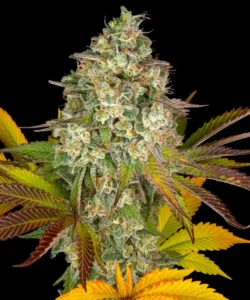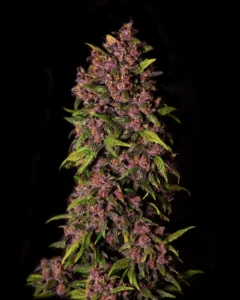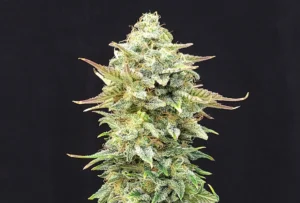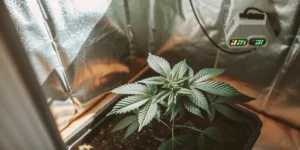
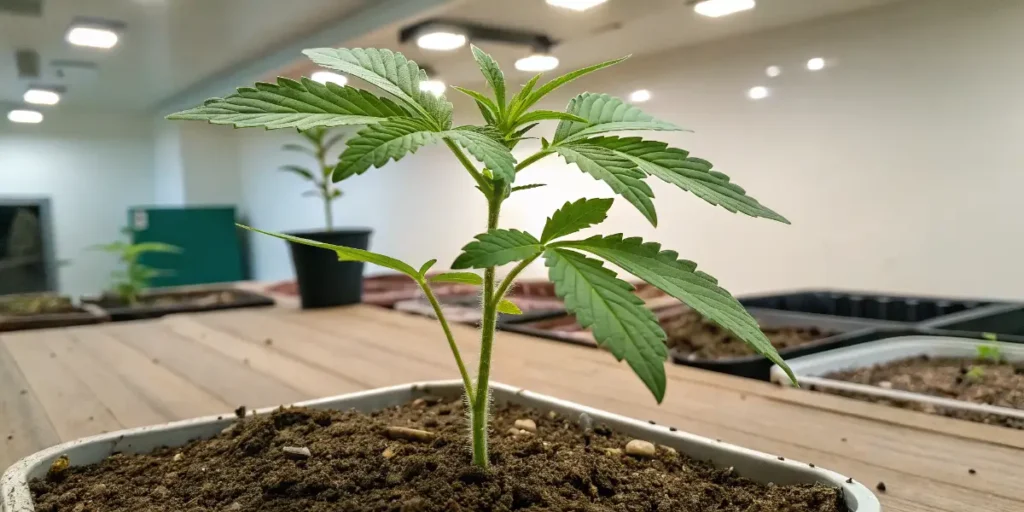

Durban Poison Auto flowers by age, and it is the stronger of the two Durban Poison seeds: at 21-25% THC it outguns the 15-18% photoperiod version, which is unusual, because most autoflowers give up potency. It runs the whole cycle on 18/6 or 20/4 with no 12/12 flip and finishes 8-10 weeks from germination. At 80% sativa it keeps the energizing, clear-headed landrace character that almost no other auto offers. The photoperiod Durban Poison is a separate seed, taller and slower, covered in our Durban Poison grow guide.
This is an autoflowering seed, so it flowers on age rather than on a change in the light cycle, which keeps the grow simple. It is a different strain from the photoperiod Durban Poison, with a different breeder and different numbers. The figures below are Blimburn breeder values; check your own pack for the exact specification.
Recommended Strains
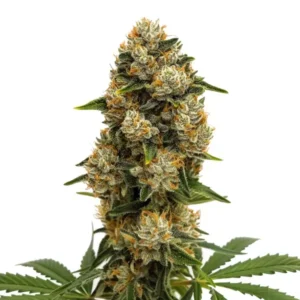
Durban Poison Auto

|
Type | Autoflowering |

|
THC | 21% - 25% (High) |

|
Lineage | Durban Poison x Ruderalis |

|
Phenotype | 20% Indica / 80% Sativa |

|
Effects | Euphoric, Happy, Tingly |

|
Flavors | Earthy, Pine |

|
Life Cycle | 8 - 10 weeks |

|
Yield | Low |

|
Yield Indoor | 0.82 - 0.98 oz/ft² | 250 - 300 g/m² |

|
Yield Outdoor | 2.47 - 4.23 oz/plant | 70 - 120 g/plant |

|
Height | 4.92 ft | 1.5 m |

|
Medical | Fatigue, Muscle Spasms, Stress |
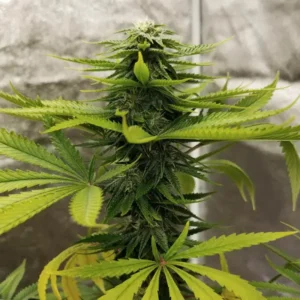
Durban Poison
|
|
Type | Feminized |
|
|
THC | 15% - 18% (Medium) |
|
|
Lineage | Durban X Unknown Indica |
|
|
Phenotype | 30% Indica / 70% Sativa |
|
|
Effects | Powerful, Euphoric, Uplifted |
|
|
Flavors | Spicy, Citrus, Woody |
|
|
Flowering Time | 8 - 9 weeks |
|
|
Yield | High |
|
|
Yield Indoor | 1.47 - 1.97 oz/ft² | 450 - 600 g/m² |
|
|
Height | 5.91 ft | 1.8 m |
Durban Poison Auto Grow Info
| Trait | Durban Poison Auto (Blimburn Seeds) |
| Genetics | Durban Poison x Ruderalis |
| Seed type | Autoflowering |
| Genetic profile | 80% sativa / 20% indica |
| THC | 21-25% (high) |
| Full life cycle | 8-10 weeks from germination |
| Height | Around 1.5 m, tall for an autoflower |
| Indoor yield | 250-300 g/m² |
| Outdoor yield | 70-120 g per plant |
| Effects | Euphoric, happy, energizing |
| Flavor | Earthy, pine |
These are Blimburn’s published figures for the Durban Poison Auto line at Growlantis. When you need an exact THC percentage, height, or yield, check the specification on your own Durban Poison Auto seed pack.
What Makes Durban Poison Auto Worth Growing
The appeal is a genuine daytime sativa high on an easy auto cycle. Most autoflowers lean indica and relaxing, but Durban Poison Auto keeps the energizing, clear, uplifting character of its famous landrace parent, at a strong 21-25% THC. For a creative, functional sativa without the long grow of a photoperiod, it is a rare find.
The flavor is classic Durban, earthy and piney with a clean, sharp edge, and the effect is euphoric, happy, and tingly, good for daytime, creativity, and activity rather than the couch. It finishes fast in 8-10 weeks, which suits short seasons. Yields are modest, so you grow this one for its effect and speed rather than sheer weight.
Is Durban Poison Auto Indica or Sativa?
Durban Poison Auto is strongly sativa dominant, listed at 80% sativa and 20% indica, with ruderalis for its autoflower timing. This is about as sativa as an autoflower gets.
In the plant, that shows as a taller, more open, vigorous structure than most autos. In the high, it is clear, energizing, euphoric, and uplifting, a true daytime effect with almost none of the heavy body feel you get from indica autos. It is a strain for getting things done.
Durban Poison Auto Flowering Time and Full Cycle From Seed
Autoflowers confuse a lot of growers on timing, so it is worth being precise.
- Full grow time (seed to harvest): about 8-10 weeks. This is the figure Blimburn publishes, and it covers the whole cycle, fast for a sativa.
- Flowering stage: this happens inside that window, not after a separate long veg period, with the plant moving into bloom on its own partway through.
The takeaway: do not add a separate veg period on top. Plan around the full 8-10 week cycle, which is quick for a sativa and suits regions with shorter seasons.
Does Durban Poison Auto Need a 12/12 Light Cycle?
No. Durban Poison Auto flowers on age, not day length, so it never needs a 12/12 photoperiod to bloom.
Indoors you can hold a longer schedule like 18/6 or 20/4 from seedling to harvest. Dropping to 12/12 once flowering starts only cuts daily light and costs you yield. Keep the longer schedule and strong light instead. This is the key advantage over the photoperiod Durban Poison, which does need a 12/12 flip.
Durban Poison Auto Grow Timeline, Week by Week
Treat this as a development pattern, not a fixed schedule, since phenotype and environment shift the dates.
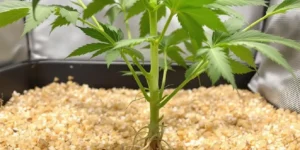
- Weeks 1-2: germination and seedling. The taproot and first leaves establish. Keep water light and conditions stable.
- Weeks 3-4: vegetative growth. The plant builds a taller, open sativa frame. Start low stress training early to manage the height and open the canopy.
- Weeks 5-6: stretch and bud set. The sativa stretch is strong here, so keep training. Flower sites fill in.
- Weeks 7-9: main flower development. Buds build and the earthy, piney aroma gets strong.
- Weeks 9-10: maturation and harvest. Most plants finish here. Judge ripeness by the trichomes, not the day count.
Choosing Your Setup: Space, Light and Pots
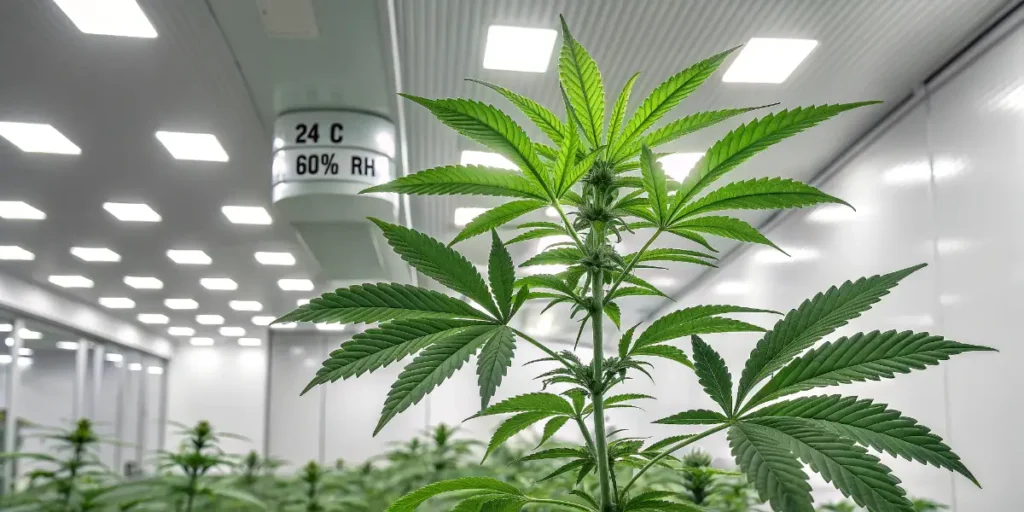
Give this one room. At around 1.5 m, Durban Poison Auto is taller than most autos thanks to its sativa genetics, so leave vertical headroom and train early. A 2×4 ft tent suits a couple of plants with space for the stretch.
Light drives the potent buds, so give it a strong source. A full-spectrum LED at 25-35 watts per square foot on an 18-20 hour schedule keeps the buds dense and the THC developing. Add an inline exhaust fan and a carbon filter for the earthy, piney aroma.
Plant straight into the final 3-5 gallon fabric pot and skip transplanting, which autos dislike. Fabric pots air-prune the roots and keep the root zone healthy across the short cycle.
Germinating and Raising Seedlings
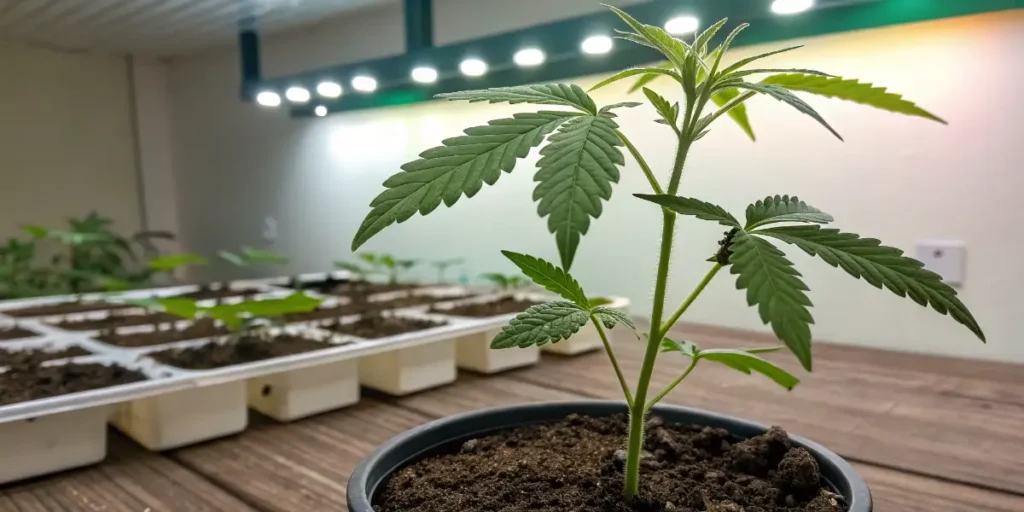
The paper towel method is the easy, reliable start. Soak the seeds for 12-24 hours, then set them between damp paper towels on a covered plate, kept dark and warm at 70-85°F (21-29°C). A taproot usually shows in two to three days.
When the taproot reaches about 1-2 cm, plant it root-down a knuckle deep in a light mix and keep the surface moist until the seedling breaks ground. Hold off on nutrients at this stage. New to germination? Our beginner growing guides walk through it step by step.
The Vegetative Stage and Low Stress Training
Veg is short on an auto, so use these weeks to build a wide, even frame and control the height. Keep nitrogen available, hold temperatures in the low to mid 70s°F, and start training early.
Because this sativa stretches, low stress training pays off twice: it keeps the height in check and opens the canopy so light reaches the lower buds, which helps a modest yielder. Tie the main branches outward gently. Skip topping and other high-stress cuts, since an autoflower has little time to recover before the clock flips it into flower.
Feeding and Watering Durban Poison Auto
Keep feeding light. Autos run smaller root systems, so start nutrients at about half the label strength and build up only if the plant asks. Use a nitrogen-forward base through veg, then move to a bloom formula higher in phosphorus and potassium as flowering sets in, watching the leaves for burn.
Water by root-zone moisture, not a timetable. A young plant needs very little, and soaking the whole medium starves the roots of oxygen. As the plant grows, demand climbs, so increase water gradually by pot weight and how fast the top layer dries.
Flowering and Knowing When to Harvest
Flowering begins on its own around week three or four, with a strong sativa stretch before the buds set. The earthy, piney aroma builds through the middle weeks, so keep air moving and run a carbon filter indoors.
As the 8-10 week finish approaches, let the plant decide. Check trichomes under a loupe and harvest when most are cloudy; keep it earlier, with fewer amber heads, to preserve the clear, energizing effect. After the cut, hang the branches in the dark at about 60°F (15-16°C) and 55-60% humidity for 7-14 days, then cure in jars, burping daily for the first weeks.
Growing Indoors vs Outdoors
Indoors, the main task is managing the height. Hold 18/6, train into an open canopy under strong light, and the 250-300 g/m² indoor yield is reachable with potent, piney buds.
Outdoors, the autoflower trait and fast cycle let you plant after the last frost and harvest in about two to two and a half months, which suits shorter seasons. Outdoor yields are modest at 70-120 g per plant, so this strain rewards indoor growing and its effect over sheer weight. Give outdoor plants full sun and well-draining soil.
How Tall and How Much? Height and Yield
Height is the planning point. At around 1.5 m, Durban Poison Auto is taller than most autos, so leave extra vertical room and train early to keep it in bounds indoors.
On yield, it is a modest producer: 250-300 g/m² indoors and 70-120 g per plant outdoors. Strong light and an open, trained canopy are the main ways to push the indoor figure higher. You grow this one for its rare daytime sativa effect and high THC rather than for yield.
Best US Climates and Outdoor Timing for Durban Poison Auto
As a fast, hardy sativa autoflower, Durban Poison Auto suits a wide range of climates. Its quick 8-10 week cycle helps growers in the Pacific Northwest and northern states finish before the fall weather, and it grows easily in California and the warm West too.
The Durban landrace heritage gives it good resilience and heat tolerance, so it handles warm conditions well, while in the humid Southeast its open sativa structure helps airflow. For the photoperiod version, see our Durban Poison grow guide.
Common Problems When Growing Durban Poison Auto
A few predictable issues are easy to avoid.
Underestimating the height
Durban Poison Auto is taller than most autos. Growers who set up for a short plant run out of vertical room. Plan for up to about 1.5 m and start low stress training early.
Expecting big yields
Yields are modest at 250-300 g/m2 indoors. The draw is the rare daytime sativa effect and high THC, not weight, so set expectations accordingly and maximize with strong light and an open canopy.
Overfeeding a small auto
The compact auto root system burns easily. Start nutrients at half strength and increase only on demand, reading the leaves rather than following the bottle.
Harvesting too late for the effect
Letting the trichomes go heavily amber shifts this energetic sativa toward a heavier feel. Harvest when most are cloudy to keep the clear, uplifting high it is known for.
Making the Most of Your Durban Poison Auto Harvest
Do not waste the trim. The sugar leaves make good bubble hash, dry sift, or infused oil. The stems, roots, and fan leaves compost well and feed your next grow.
Is Durban Poison Auto Right for You?
Choose Durban Poison Auto if you want a genuine daytime sativa without a long photoperiod grow, if your season is short, or if you want to run more than one harvest in a year. It is also the stronger seed of the two on paper, at 21-25% THC against 15-18% for the photoperiod line. Choose the photoperiod Durban Poison instead if you want the taller landrace plant, a bigger single harvest and full control over the vegetative stage. They are sold as separate seeds: Durban Poison Auto from Blimburn Seeds and Durban Poison from Dutch Passion.
Frequently Asked Questions
Is Durban Poison Auto indica or sativa?
Durban Poison Auto is strongly sativa dominant, listed at 80% sativa and 20% indica, with ruderalis for its autoflower timing. It is about as sativa as an autoflower gets, with a clear, energizing, euphoric, uplifting effect and almost no heavy body feel. It is a true daytime strain for creativity and activity.
Does Durban Poison Auto need a 12/12 light cycle?
No. Durban Poison Auto flowers on age, so it never needs a 12/12 flip. Run 18/6 or 20/4 from germination through to harvest. Moving it to 12/12 will not speed anything up and usually costs yield, because the plant simply receives fewer hours of light to build buds with during its fixed cycle.
How long does Durban Poison Auto take from seed to harvest?
Durban Poison Auto takes 8-10 weeks from germination to harvest, and that covers the whole cycle rather than just the bud stage. There is no vegetative phase to add on and no flip to time. It typically starts showing pistils on its own around week four, then fills and ripens through the remaining weeks.
How strong is Durban Poison Auto?
Durban Poison Auto is high in potency at 21 to 25% THC, strong for an autoflower and especially for a sativa one. The effect is energizing and clear-headed, euphoric, happy, and tingly, rather than sedating, which makes it a daytime strain. Beginners should still start with a small amount.
How much does Durban Poison Auto yield?
Durban Poison Auto is a modest yielder, at 250 to 300 g/m2 indoors and 70 to 120 g per plant outdoors. You grow it for its rare daytime sativa effect and high THC rather than its weight. Strong light and an open, trained canopy are the main ways to push the indoor figure higher.
How tall does Durban Poison Auto grow?
Durban Poison Auto is taller than most autos at around 1.5 m, thanks to its sativa genetics. Plan for extra vertical room, start low stress training early, and expect a strong stretch during the middle weeks. Training the height is also how you open the canopy to improve the modest yield.
Can you clone Durban Poison Auto?
No. Autoflowers cannot be cloned usefully, because a cutting carries the age of the mother plant and will try to flower almost immediately on a tiny frame. If you want to keep a plant going or take cuttings, you need the photoperiod Durban Poison instead, which can be held in vegetative growth indefinitely under 18/6.