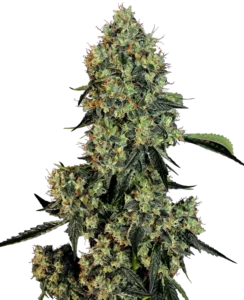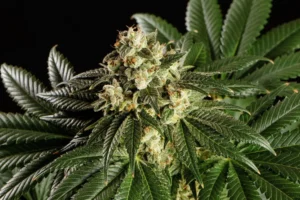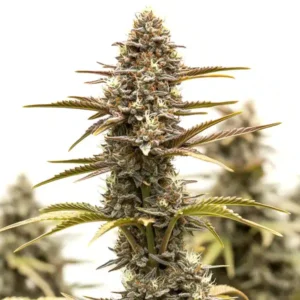


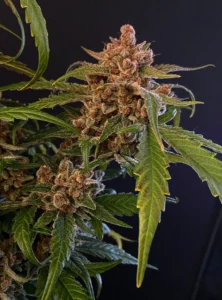
“Gorilla” refers to the famous GG4-type genetics, renowned for extreme resin and knockout potency. On site, the flagship photoperiod is Royal Gorilla by Royal Queen Seeds, a balanced hybrid from Sour Dubb x Chem Sis x Chocolate Diesel with a chocolate, diesel, and pine flavor. At a very high 26-27% THC and dripping with resin, it is a top-shelf, sticky, rewarding grow that finishes in a reasonable 8-10 weeks.
This is a feminized photoperiod strain, not an autoflower, so it flowers when you shorten the light cycle and gives you full control over veg length, training, and cloning. The figures below are Royal Queen Seeds breeder values; check your own pack for the exact numbers.
Recommended Strains

Gorilla Cookies Autoflower Seeds

|
THC | 25% - 28% (High) |

|
Lineage | Gorilla x Girl Scout Cookies x Ruderalis |

|
Type | Autoflowering |

|
Height | 3.28 ft | 1 m |

|
Yield | High |

|
Yield Indoor | 1.64 - 2.13 oz/ft² | 500 - 650 g/m² |

|
Life Cycle | 10 - 11 weeks |

|
Phenotype | 55% Indica / 45% Sativa |

|
Effects | Relaxed, Happy, Hungry |

|
Flavors | Cookie, Earthy, Kush |
Gorilla Punch Auto
|
|
THC | 23% - 26% (High) |
|
|
Lineage | Gorilla x Purple Punch x Ruderalis |
|
|
Type | Autoflowering |
|
|
Height | 3.94 ft | 1.2 m |
|
|
Yield | High |
|
|
Yield Indoor | 1.47 - 1.8 oz/ft² | 450 - 550 g/m² |
|
|
Life Cycle | 8 - 9 weeks |
|
|
Phenotype | 55% Indica / 45% Sativa |
|
|
Effects | Relaxed, Happy, Hungry |
|
|
Flavors | Lemon, Pepper, Spicy, Woody |
Gorilla Grow Info
| Trait | Gorilla / Royal Gorilla (RQS) |
| Genetics | Sour Dubb x Chem Sis x Chocolate Diesel |
| Seed type | Feminized photoperiod |
| Genetic profile | 50% indica / 50% sativa |
| THC | 26-27% (very high) |
| Flowering time | 8-10 weeks |
| Height | Around 1.5 m |
| Indoor yield | High, around 500-550 g/m² |
| Outdoor yield | High, around 550-600 g per plant |
| Effects | Calming, focused, relaxing |
| Flavor | Chocolate, diesel, pine, fruity |
These are Royal Queen Seeds’ published figures for the Royal Gorilla line at Growlantis. When you need an exact THC percentage, height, or yield, check the specification on your own Royal Gorilla seed pack.
What Makes Gorilla Worth Growing
Gorilla earned its reputation on two things: resin and strength. The GG4-type genetics, here as Royal Gorilla, produce some of the stickiest, most resin-coated buds you can grow, backed by a very high 26-27% THC. The flavor is distinctive too, a blend of chocolate, diesel, and pine that stands apart from sweet, fruity hybrids. The effect is calming and focused, heavy on relaxation thanks to the potency.
For the grower, it is a strong, balanced performer. It stays a manageable 1.5 m, yields a high 500-550 g/m² indoors, and finishes in 8-10 weeks. That mix of elite potency, heavy resin, great flavor, and a reasonable grow is exactly why Gorilla genetics are so popular, and why they are ideal for extraction as well as flower.
Is Gorilla Indica or Sativa?
Gorilla, as Royal Gorilla, is a balanced hybrid, listed at 50% indica and 50% sativa, from Sour Dubb, Chem Sis, and Chocolate Diesel.
That balance gives it broad appeal. The effect is calming and focused, with the high THC pushing it toward a strong, relaxing body presence, yet it keeps a clear, functional edge rather than pure sedation. The plant has a sturdy hybrid structure that is famously resinous, so expect very sticky buds and trim.
Flowering Time vs Full Grow Time
Because Gorilla is a photoperiod strain, these two numbers are separate, and mixing them up is the most common planning mistake.
- Flowering time: 8-10 weeks. This is the bloom stage, which starts only when you switch the lights to 12/12 indoors (or when days shorten outdoors).
- Full grow time (seed to harvest): flowering plus however long you veg. Indoors, a typical grow runs around 4 to 5 months from seed, depending on veg length.
The practical point: you control the total time by choosing your veg length. A longer veg means a bigger plant and harvest; a shorter veg gets you there faster. Outdoors, expect to finish around early to mid October.
Does Gorilla Need a 12/12 Light Cycle?
Yes. Gorilla, as Royal Gorilla, is a photoperiod strain, so indoors it needs a 12/12 light cycle (12 hours on, 12 hours off) to start and maintain flowering. Note that separate autoflowering versions, such as Royal Gorilla Auto and Gorilla Cookies Auto, flower automatically and do not need a flip.
Keep it on a long veg schedule, usually 18/6, for as long as you want it to grow, then flip to 12/12 when it has the size and shape you want. Account for the stretch and flip while it is under your height limit. Outdoors, shortening late-summer days trigger flowering naturally.
Gorilla Grow Timeline, Week by Week
Treat this as a development pattern, not a fixed schedule, since veg length is up to you.
- Weeks 1-2: germination and seedling. The taproot and first true leaves establish. Keep humidity up and feeding minimal.
- Weeks 3-6: vegetative growth (your choice). The plant builds its frame under 18/6. This is when you top and train.
- Week 0 of flower: the flip. Switch to 12/12. Expect a moderate stretch.
- Weeks 1-3 of flower: stretch and bud set. Vertical growth finishes and flower sites form.
- Weeks 4-8 of flower: bud development. Dense, resin-drenched buds fill out and the chocolate-diesel aroma builds.
- Weeks 8-10 of flower: ripening and harvest. Judge by trichomes, not the calendar.

Choosing Your Setup: Space, Light and Pots
Gorilla reaches around 1.5 m with a moderate stretch, so flip to 12/12 while it is comfortably under your height limit. Low stress training or a SCROG net keeps the canopy even and lifts the yield.
Give it strong light to back the very high THC and heavy resin. A full-spectrum LED at 30-40 watts per square foot over the flowering canopy keeps the colas dense. Add a good inline exhaust fan and a carbon filter, since the diesel-forward aroma is pungent in flower.
For pots, 3-5 gallon containers suit most indoor grows, scaled to veg time and plant size. Fabric pots improve root airflow and help prevent overwatering.
Germinating and Raising Seedlings
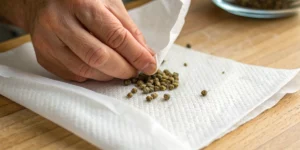
The paper towel method is the simple, reliable start. Soak the seeds for 12-24 hours, then place them between damp paper towels on a covered plate, kept dark and warm at 70-85°F (21-29°C). A taproot usually appears within two to three days.
When the taproot reaches about 1-2 cm, plant it root-down a knuckle deep in a light mix and keep the surface moist until the seedling emerges. Hold off on nutrients at this stage. New to growing? Our beginner growing guides cover germination step by step.
The Vegetative Stage, Topping and Training
Veg is where you shape a photoperiod plant, and Gorilla responds well to training. Keep it under 18/6 with a nitrogen-rich feed and build a strong, even frame before you flower.
Topping the main stem early encourages multiple colas and a wider, flatter canopy, which helps manage the stretch and spread the yield. Combine it with low stress training or a SCROG net to expose more bud sites to light. Finish training before the flip. The sticky resin makes handling messy, so clean your tools often. You can also clone a plant you like before flowering to preserve its genetics.
Feeding and Watering Gorilla
Feed to the stage. Use a nitrogen-forward base through veg, then move to a bloom formula higher in phosphorus and potassium once you flip to 12/12 and buds form. A potent, resinous hybrid handles a solid feed, but start moderate and increase based on how the plant responds rather than overfeeding early.
Water by root-zone moisture, not a timetable. Let the top inch or two of medium dry between waterings, then water thoroughly until a little drains. Fabric pots and this water-to-weight habit keep the roots healthy and prevent overwatering.
Flowering and Knowing When to Harvest
Once you flip to 12/12, expect a moderate stretch, then dense, resin-drenched buds fill out over the 8-10 week bloom. The chocolate, diesel, and pine aroma develops and gets pungent, so keep air moving and run a carbon filter indoors.
Let ripeness, not the calendar, decide the harvest. Check the trichomes under a loupe and cut when most are cloudy with a few turning amber for the fullest, most relaxing effect. After harvest, hang the branches in the dark at about 60°F (15-16°C) and 55-60% humidity for 7-14 days, then cure in sealed jars, burping daily for the first couple of weeks to protect the flavor.

Growing Indoors vs Outdoors
Indoors, Gorilla rewards control. Hold 18/6 for veg, flip to 12/12, train the canopy even, and the high 500-550 g/m² yield is very reachable under strong light.
Outdoors, it is a strong producer in a warm, sunny climate, returning a high 550-600 g per plant and usually finishing around early to mid October. Give it full sun, rich well-draining soil, and good airflow around the dense, resinous buds to protect them late in flower.
How Tall and How Much? Height and Yield
Height is easy to plan for. Gorilla reaches around 1.5 m with a moderate stretch, so flip early enough and train to keep the final canopy within your space.
On yield it is a strong producer, listed as high at around 500-550 g/m² indoors and 550-600 g per plant outdoors. Combined with the heavy resin and 26-27% THC, that makes it excellent for both flower and extraction. Strong light and a trained canopy are what turn that potential into real weight.
Best US Climates for Gorilla
Gorilla does well in a warm, sunny climate, so growers in California, the Southwest, and warmer Western and Southern states can comfortably take it to an early-to-mid October finish outdoors. Its 8-10 week flower also makes it workable in slightly cooler, shorter-season states.
In the humid Southeast, keep airflow strong around the dense, resinous buds to avoid rot. Its manageable size makes it a strong indoor choice anywhere. For more options, browse our full how-to-grow guide library.
Common Problems When Growing Gorilla
A few predictable issues are easy to head off.
Sticky, messy handling
Gorilla’s extreme resin makes trimming and handling messy. Clean scissors and tools with a little alcohol as you go, and wear gloves, so the sticky resin does not slow you down.
Bud rot in dense, resinous colas
The heavy, resin-packed buds can trap moisture. Keep humidity moderate in late flower and air moving through the canopy, especially outdoors in a humid climate.
Underestimating the stretch
It stretches moderately after the flip. Switch to 12/12 while the plant is well under your height limit and train to keep the canopy even.
Harvesting by the calendar
The 8-10 week window is a guide, not a cutting date. Read the trichomes and pistils before you cut, since phenotype and environment shift the timing.
Making the Most of Your Harvest
With resin this heavy, the trim is gold. Gorilla makes outstanding bubble hash, dry sift, and rosin that capture the chocolate-diesel character, so save every sugar leaf. The stems, roots, and fan leaves compost well and feed your next grow.
Is Gorilla Right for You?
If you want elite potency, extreme resin, and a distinctive chocolate-diesel flavor from a balanced, manageable plant, yes. Gorilla genetics are a top choice for both strong flower and hash. If you want an autoflower, look to Royal Gorilla Auto or Gorilla Cookies Auto instead. Browse our full how-to-grow guide library for more.

Frequently Asked Questions
Is Gorilla indica or sativa?
Gorilla, as Royal Gorilla, is a balanced hybrid, listed at 50% indica and 50% sativa, from Sour Dubb, Chem Sis, and Chocolate Diesel. The effect is calming and focused, with the high THC pushing a strong, relaxing body presence while keeping a clear edge. The plant is a sturdy, famously resinous hybrid.
Does Gorilla need a 12/12 light cycle?
Yes. Gorilla, as the photoperiod Royal Gorilla, needs a 12/12 light cycle indoors to start and maintain flowering. Keep it on 18/6 during veg, then flip to 12/12 when sized right. Note that separate autoflowering versions, like Royal Gorilla Auto and Gorilla Cookies Auto, flower on their own without a flip.
How long does Gorilla take to grow?
Gorilla flowers in 8 to 10 weeks once you switch to 12/12. Total seed-to-harvest time depends on your veg length, usually around 4 to 5 months indoors. Outdoors it finishes around early to mid October. Judge the finish by trichome maturity rather than the calendar, as conditions shift it.
How much does Gorilla yield?
Gorilla, as Royal Gorilla, is a high yielder, producing around 500 to 550 g/m2 indoors and 550 to 600 g per plant outdoors. Strong light, a topped or SCROG canopy, and a healthy root zone are what turn that potential into real weight. Its heavy resin also makes the trim valuable for extraction.
Why is Gorilla so sticky?
Gorilla’s GG4-type genetics are famous for extreme resin production, coating the buds, leaves, and even scissors in sticky trichomes. That heavy resin carries its very high THC and chocolate-diesel terpenes, and makes it outstanding for hash and rosin. Clean your tools with a little alcohol while trimming to manage the stickiness.
Can you clone Gorilla?
Yes. As a photoperiod strain, Gorilla clones well. Take a cutting from a healthy plant in veg, root it, and keep it under 18/6 light. Cloning lets you preserve a resinous plant you like and run repeatable harvests without buying new seeds each time, which autoflowers cannot do.
What does Gorilla taste like?
Gorilla has a distinctive chocolate, diesel, pine, and fruity profile, earthy and pungent rather than sweet. To protect those aromas, run a carbon filter in flower, dry slowly at around 60°F with moderate humidity, and cure in sealed jars, burping daily for the first couple of weeks. A careful cure keeps the diesel-chocolate notes rich.