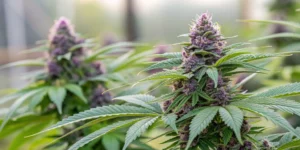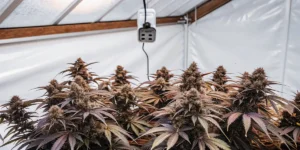
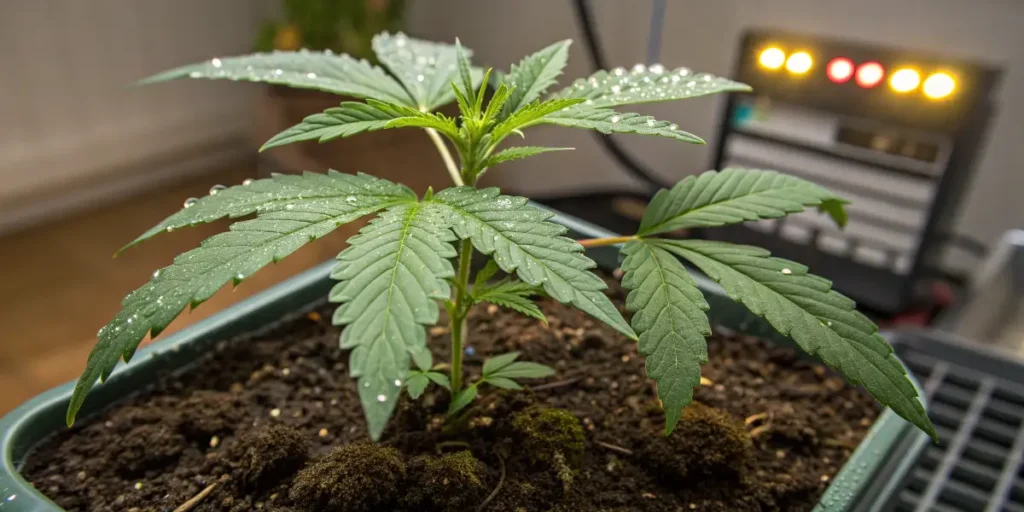

Mataro Blue by Kannabia Seeds is a prized indica-dominant hybrid with Catalan roots, named after Mataró near Barcelona. Built from Mazar-i-Sharif x Blue Monster x Black Domina, it is a feminized photoperiod plant at a potent 23-24% THC, with a rich, fruity-sweet aroma of orange, berries, and sandalwood and a deeply relaxing effect. Best of all, it stays compact, yields heavily, and is easy to grow, a rare and welcome combination.
This is a feminized photoperiod strain, not an autoflower, so it flowers when you shorten the light cycle and gives you full control over veg length, training, and cloning. The figures below are Kannabia’s breeder values; check your own pack for the exact numbers.
Recommended Strains
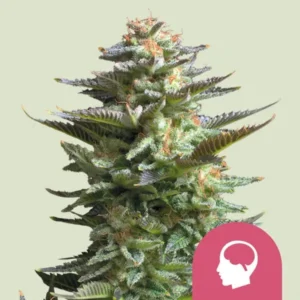
Mataro Blue

|
Type | Feminized |

|
THC | 23% - 24% (High) |

|
Lineage | Mazar-i-Sharif x Blue Monster x Black Domina |

|
Phenotype | 60% Indica / 40% Sativa |

|
Effects | Balanced |

|
Flavors | Fruity, Sweet |

|
Flowering Time | 8 - 9 weeks |

|
Yield | High |

|
Yield Indoor | 1.97 oz/ft² | 600 g/m² |

|
Yield Outdoor | 28.22 oz/plant | 800 g/plant |

|
Height | 3.44 ft | 1.05 m |
Gnomo Auto
|
|
Type | Autoflowering |
|
|
THC | 16% - 17% (Medium) |
|
|
Lineage | Blue Monster x Ruderalis |
|
|
Phenotype | 60% Indica / 40% Sativa |
|
|
Effects | Relaxed |
|
|
Flavors | Fruity, Sweet |
|
|
Life Cycle | 8 - 9 weeks |
|
|
Yield | Medium |
|
|
Yield Indoor | 1.31 oz/ft² | 400 g/m² |
|
|
Yield Outdoor | 7.05 oz/plant | 200 g/plant |
|
|
Height | 5.74 ft | 1.75 m |
Mataro Blue Grow Info
| Trait | Mataro Blue (Kannabia) |
| Genetics | Mazar-i-Sharif x Blue Monster x Black Domina |
| Seed type | Feminized photoperiod |
| Genetic profile | 60% indica / 40% sativa |
| THC | 23-24% (high) |
| Flowering time | 8-9 weeks |
| Height | Around 1.05 m, compact |
| Indoor yield | High, around 600 g/m² |
| Outdoor yield | High, around 800 g per plant |
| Effects | Balanced, relaxing |
| Flavor | Fruity, sweet (orange, berries, sandalwood) |
These are Kannabia’s published figures for the Mataro Blue line at Growlantis. When you need an exact THC percentage, height, or yield, check the specification on your own Mataro Blue seed pack.
What Makes Mataro Blue Worth Growing
Mataro Blue packs a lot into a small plant. Its heavyweight indica lineage, Mazar-i-Sharif and Black Domina with Blue Monster, gives it a potent 23-24% THC, a rich fruity-sweet aroma with orange, berry, and sandalwood notes, and a deeply relaxing, balanced effect that seasoned users appreciate. The flavor profile alone sets it apart from more generic hybrids.
For the grower, the appeal is efficiency. It stays a compact 1.05 m, flowers quickly in 8-9 weeks, and yields a high 600 g/m² indoors and up to 800 g per plant outdoors, which is a lot of weight from a small, easy plant. That mix of potency, flavor, compact size, and heavy yield makes it a standout indica.
Is Mataro Blue Indica or Sativa?
Mataro Blue is indica dominant, listed at 60% indica and 40% sativa, from Mazar-i-Sharif, Blue Monster, and Black Domina.
That indica dominance, anchored by Black Domina and Mazar, gives it a sturdy, compact, resinous structure and a relaxing, calming effect. The profile describes the effect as balanced, so while it leans to relaxation and is great for unwinding, it is not a pure one-note couch-lock, keeping some versatility.
Flowering Time vs Full Grow Time
Because Mataro Blue is a photoperiod strain, these two numbers are separate, and mixing them up is the most common planning mistake.
- Flowering time: 8-9 weeks. This is the bloom stage, which starts only when you switch the lights to 12/12 indoors (or when days shorten outdoors). It is a quick, convenient flower.
- Full grow time (seed to harvest): flowering plus however long you veg. Indoors, a typical grow runs around 3.5 to 4.5 months from seed, depending on veg length.
The practical point: you control the total time by choosing your veg length, and the quick flower keeps the cycle short. Outdoors, expect to finish around late September to early October.
Does Mataro Blue Need a 12/12 Light Cycle?
Yes. Mataro Blue is a photoperiod strain, so indoors it needs a 12/12 light cycle (12 hours on, 12 hours off) to start and maintain flowering.
Keep it on a long veg schedule, usually 18/6, for as long as you want it to grow, then flip to 12/12 when it has the size and shape you want. As a compact indica, it gives you good control over the final size, and you can flip relatively early. Outdoors, shortening late-summer days trigger flowering naturally.
Mataro Blue Grow Timeline, Week by Week
Treat this as a development pattern, not a fixed schedule, since veg length is up to you.
- Weeks 1-2: germination and seedling. The taproot and first true leaves establish. Keep humidity up and feeding minimal.
- Weeks 3-5: vegetative growth (your choice). The plant builds a compact, bushy frame under 18/6. This is when you top and train.
- Week 0 of flower: the flip. Switch to 12/12. Expect a modest indica stretch.
- Weeks 1-3 of flower: stretch and bud set. Vertical growth finishes and flower sites form.
- Weeks 4-7 of flower: bud development. Dense, resinous buds fill out and the fruity aroma builds.
- Weeks 8-9 of flower: ripening and harvest. Judge by trichomes, not the calendar.
Choosing Your Setup: Space, Light and Pots
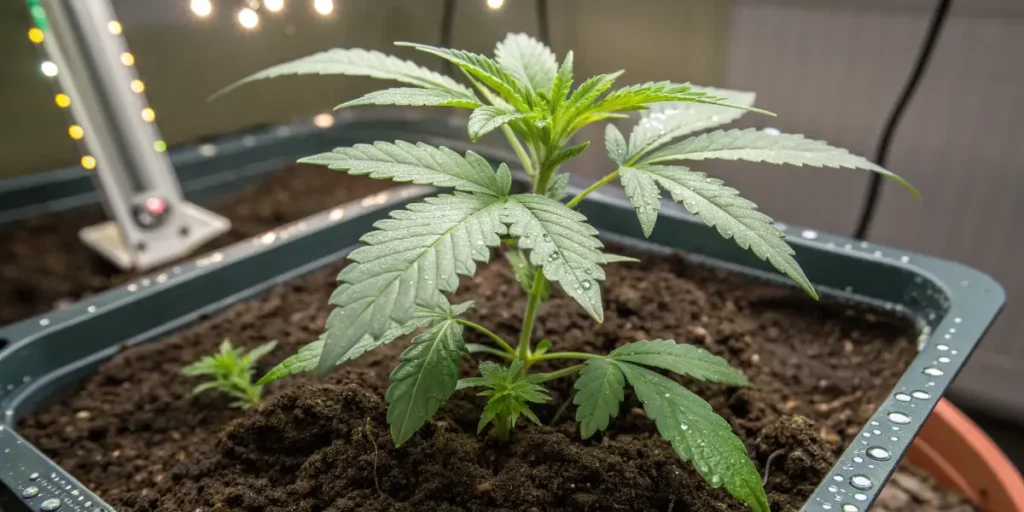
Mataro Blue’s compact 1.05 m height makes it one of the easier photoperiods to house, ideal for small tents and discreet grows. A little low stress training to open the bushy canopy improves light penetration and lifts the already high yield.
Give it strong light to back the high THC and dense buds. A full-spectrum LED at 25-35 watts per square foot over the flowering canopy keeps the colas tight. Add a good inline exhaust fan and a carbon filter, since the rich, fruity aroma is noticeable in flower.
For pots, 3-5 gallon containers suit most indoor grows, scaled to veg time and plant size. Fabric pots improve root airflow and help prevent overwatering.
Germinating and Raising Seedlings
The paper towel method is the simple, reliable start. Soak the seeds for 12-24 hours, then place them between damp paper towels on a covered plate, kept dark and warm at 70-85°F (21-29°C). A taproot usually appears within two to three days.
When the taproot reaches about 1-2 cm, plant it root-down a knuckle deep in a light mix and keep the surface moist until the seedling emerges. Hold off on nutrients at this stage. New to growing? Our beginner growing guides cover germination step by step.
The Vegetative Stage, Topping and Training
Veg is where you shape a photoperiod plant, and Mataro Blue’s sturdy, bushy frame takes training well. Keep it under 18/6 with a nitrogen-rich feed and build a strong, even base before you flower.
Topping the main stem early encourages multiple colas and a wider, flatter canopy, which suits this compact plant and spreads the heavy yield. Combine it with low stress training or a SCROG net to open the bushy canopy and get light to all the bud sites, which also improves airflow. Finish training before the flip. You can also clone a plant you like before flowering to preserve its genetics.
Feeding and Watering Mataro Blue
Feed to the stage. Use a nitrogen-forward base through veg, then move to a bloom formula higher in phosphorus and potassium once you flip to 12/12 and buds form. A dense, high-yielding indica handles a solid feed, but start moderate and increase based on how the plant responds rather than overfeeding early.
Water by root-zone moisture, not a timetable. Let the top inch or two of medium dry between waterings, then water thoroughly until a little drains. Fabric pots and this water-to-weight habit keep the roots healthy and prevent overwatering.
Flowering and Knowing When to Harvest
Once you flip to 12/12, expect a modest stretch, then dense, resinous buds fill out over the quick 8-9 week bloom. The rich, fruity, sweet aroma develops, so keep air moving and run a carbon filter indoors. In a cool-finishing environment, true to the Blue name and its Blue Monster parent, some phenotypes can show attractive blue or purple hues late in flower.
Let ripeness, not the calendar, decide the harvest. Check the trichomes under a loupe and cut when most are cloudy with a few turning amber for the fullest, most relaxing effect. After harvest, hang the branches in the dark at about 60°F (15-16°C) and 55-60% humidity for 7-14 days, then cure in sealed jars, burping daily for the first couple of weeks to protect the flavor.
Growing Indoors vs Outdoors
Indoors is where the compact size shines. Hold 18/6 for veg, flip to 12/12, train the bushy canopy open, and the high 600 g/m² yield is very reachable in a modest footprint under strong light.
Outdoors, Mataro Blue is a heavy producer in a warm, sunny climate, returning a high 800 g per plant and usually finishing around late September to early October. Its short stature makes it easy to place discreetly, while the Mazar and Black Domina heritage gives it resilience. Give it full sun, rich well-draining soil, and airflow around the dense buds.
How Tall and How Much? Height and Yield
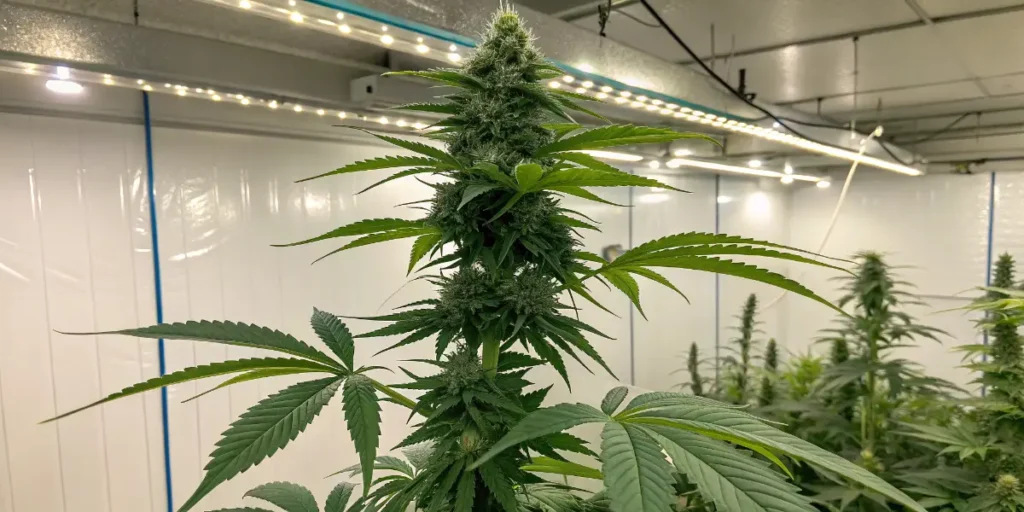
Height is a real selling point. Mataro Blue stays around 1.05 m, compact enough for small tents and low-profile outdoor spots, with only a modest flowering stretch to plan for.
On yield it is a strong producer for its size, listed as high at around 600 g/m² indoors and up to 800 g per plant outdoors. Strong light, a topped or SCROG canopy, and a healthy root zone are what turn that potential into real weight in a small space.
Best US Climates for Mataro Blue
Mataro Blue does well in a warm, sunny climate, so growers in California, the Southwest, and warmer Western and Southern states get an easy outdoor finish. Its fast 8-9 week bloom and compact, resilient build also make it viable in cooler, shorter-season northern states, where a late-September finish fits the window, and cool nights there may bring out its blue-purple hues.
In the humid Southeast, keep airflow strong around the dense buds. Its small footprint makes it a strong indoor choice anywhere. For more options, browse our full how-to-grow guide library.
Common Problems When Growing Mataro Blue
A few predictable issues are easy to head off.
Poor airflow in a dense canopy
The compact, bushy indica structure can trap humidity. Open the canopy with training, keep air moving, and hold late-flower humidity moderate to avoid bud rot, especially outdoors.
Overfeeding a compact plant
A short, high-yielding plant still has a modest root system. Start nutrients moderate and build up based on the plant’s response, watching the leaf tips for nutrient burn.
Expecting guaranteed purple color
The blue-purple hues depend on cool night temperatures late in flower and vary by phenotype. They are a bonus, not a guarantee, so do not chill the plant excessively chasing color, which can stress it.
Harvesting by the calendar
The 8-9 week window is a guide, not a cutting date. Read the trichomes and pistils before you cut, since phenotype and environment shift the timing.
Making the Most of Your Harvest
Do not waste the trim. The resinous sugar leaves make good bubble hash, dry sift, or infused oil that keeps the rich fruity character, well suited to relaxing use. The stems, roots, and fan leaves compost well and feed your next grow.
Is Mataro Blue Right for You?
If you want a potent, flavorful, deeply relaxing indica in a compact, easy, high-yielding plant, yes. Its rich fruity aroma, strong THC, quick finish, and small size make it a standout for small spaces and relaxation-focused growers, with a chance of beautiful blue hues. If you want an energizing daytime sativa, look elsewhere. Browse our full how-to-grow guide library for options.
Frequently Asked Questions
Is Mataro Blue indica or sativa?
Mataro Blue is indica dominant, listed at 60% indica and 40% sativa, from Mazar-i-Sharif, Blue Monster, and Black Domina. Anchored by Black Domina and Mazar, it has a sturdy, compact, resinous structure and a relaxing, calming effect. The profile calls the effect balanced, so it leans to relaxation while keeping some versatility rather than pure couch-lock.
Does Mataro Blue need a 12/12 light cycle?
Yes. Mataro Blue is a photoperiod strain, so indoors it needs a 12/12 light cycle to start and maintain flowering. Keep it on 18/6 during veg for as long as you want, then flip to 12/12 when sized right. As a compact indica, you can flip relatively early. Outdoors, shortening days trigger flowering.
How long does Mataro Blue take to grow?
Mataro Blue flowers in a quick 8 to 9 weeks once you switch to 12/12. Total seed-to-harvest time depends on your veg length, usually around 3.5 to 4.5 months indoors. Outdoors it finishes around late September to early October. Judge the finish by trichome maturity rather than the calendar, as conditions shift it.
How much does Mataro Blue yield?
Mataro Blue is a high yielder for its size, at around 600 g/m2 indoors and up to 800 g per plant outdoors. That is impressive from a compact 1.05 m plant. Strong light, a topped or SCROG canopy, and a healthy root zone turn that potential into real weight in a small footprint.
Does Mataro Blue turn blue or purple?
It can. True to the Blue name and its Blue Monster parent, some phenotypes develop attractive blue or purple hues when finished in cool night temperatures late in flower. The coloration depends on genetics and environment, so it is a likely bonus rather than a guarantee. Do not over-chill the plant chasing color.
Can you clone Mataro Blue?
Yes. As a photoperiod strain, Mataro Blue clones well. Take a cutting from a healthy plant in veg, root it, and keep it under 18/6 light. Cloning lets you preserve a plant you like and run repeatable harvests without buying new seeds each time, which autoflowers cannot do.
Is Mataro Blue good for beginners?
Yes. Kannabia lists it as easy to grow, and its compact 1.05 m size, quick 8-9 week flowering, high yield, and resilient indica genetics make it forgiving and rewarding. Light training such as topping or a SCROG improves results, but it is not required for a satisfying harvest, making it accessible to newer growers.