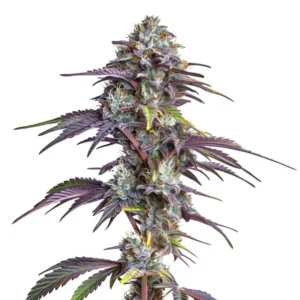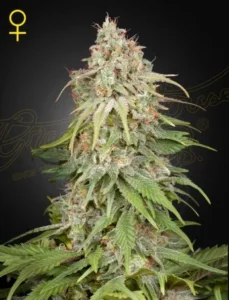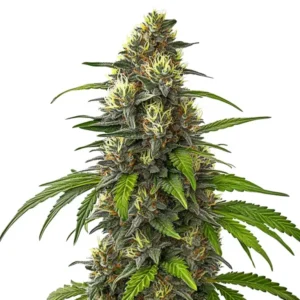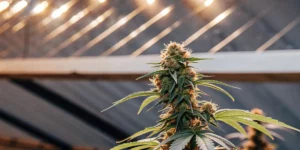

To successfully cultivate Scrambler Haze, begin by selecting a well-ventilated growing area with plenty of light. This strain thrives in controlled environments where temperature and humidity are continuously monitored. Starting from quality seeds or clones ensures the genetics of the plant are maintained. Regular water and nutrient feeding tailored to its growth stage is crucial for robust development and optimal terpene profiles.
As this variety enters the flowering phase, adjusting light cycles to 12 hours on and 12 hours off will encourage bud production. It’s important for growers to maintain balanced nutrients to support heavy yields. During this stage, pay attention to signs of pests and diseases, addressing them promptly to protect the plant’s health and maximize its potential at harvest time.
Recommended Strains
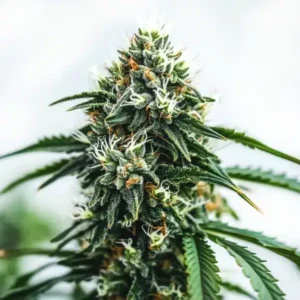
Scrambler Haze

|
THC | 30% - 36% (High) |

|
Lineage | Cafe Racer x Santa Muerte |

|
Type | Feminized |

|
Height | 9.84 ft | 3 m |

|
Yield | High |

|
Yield Indoor | 2.46 - 2.79 oz/ft² | 750 - 850 g/m² |

|
Yield Outdoor | 21.16 - 31.75 oz/plant | 600 - 900 g/plant |

|
Flowering Time | 10 - 12 weeks |

|
Phenotype | 50% Indica / 50% Sativa |

|
Medical | Depression, Pain, Stress |

|
Effects | Euphoric, Happy, Relaxed |

|
Flavors | Earthy, Fruity, Sweet |
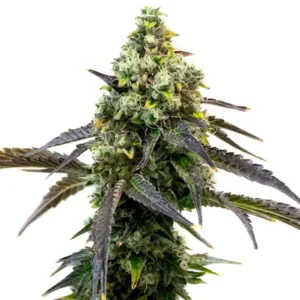
Cafe Racer
|
|
THC | 25% (High) |
|
|
Lineage | Grandaddy Purple x GSC |
|
|
Type | Feminized |
|
|
Height | 6.23 ft | 1.9 m |
|
|
Yield | Medium |
|
|
Yield Indoor | 1.15 - 1.47 oz/ft² | 350 - 450 g/m² |
|
|
Yield Outdoor | 24.69 - 28.22 oz/plant | 700 - 800 g/plant |
|
|
Flowering Time | 8 - 10 weeks |
|
|
Phenotype | 30% Indica / 70% Sativa |
|
|
Medical | Fatigue, Muscle Spasms, Stress |
|
|
Effects | Happy, Relaxed, Talkative |
|
|
Flavors | Citrus, Earthy, Grape |
As harvest approaches, consider using magnification tools to examine trichome development. For this cultivar, harvesting when the trichomes are mostly cloudy with some amber can enhance potency and flavor. After cutting the buds, a slow drying period followed by careful curing will preserve the strain’s distinct citrus and pine notes, ultimately leading to a satisfying finishing yield.
Scrambler Haze Strain Overview: Traits, Effects & Genetics
Scrambler Haze is a captivating cannabis variety renowned for its distinct traits and genetics. This strain offers a balance of sativa and indica characteristics, making it versatile for various cultivation conditions. It is celebrated for its robust growth pattern and high-yield potential, appealing to both novice and experienced growers aiming for a successful harvest.
The plant’s effects are uplifting and cerebral, providing a euphoric experience that many users appreciate. The terpene profile is rich, contributing to its unique aroma and flavors, which are often citrusy and earthy. As a result, it has become a favorite among enthusiasts seeking an invigorating yet pleasantly mellow high.
Genetically, this cultivar stems from a lineage known for resilience and adaptability. Scrambler Haze’s robust genetic background allows it to thrive in various environments while offering growers an impressive yield of dense, resinous buds. Its resilient nature also makes it more forgiving to minor fluctuations in cultivation conditions, ideal for beginners.
Overall, this variety’s combination of effects, genetics, and cultivation benefits make it a standout choice for personal and commercial growers alike. Embracing this plant’s unique characteristics can lead to a rewarding cultivation experience and a final product that satisfies even the most discerning cannabis connoisseurs.
Optimal Environment to Grow Scrambler Haze Successfully
Creating the perfect environment for this strain is crucial to ensure robust growth and a bountiful harvest. This variety thrives in a climate-controlled indoor setting where temperature, light, and humidity can be meticulously managed. Maintaining temperatures between 70-85°F, along with a humidity level of around 40-50%, will help the plant develop strong and healthy buds rich in terpenes.
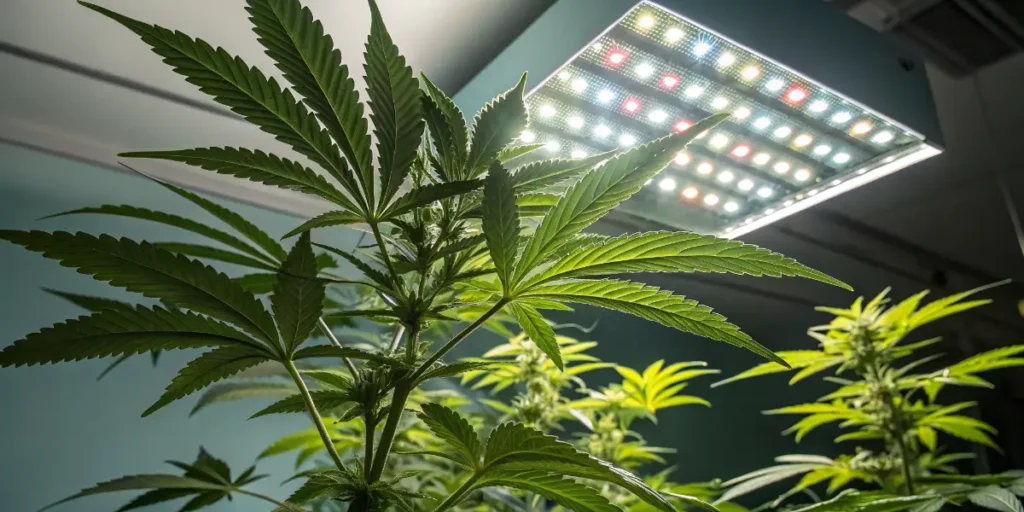
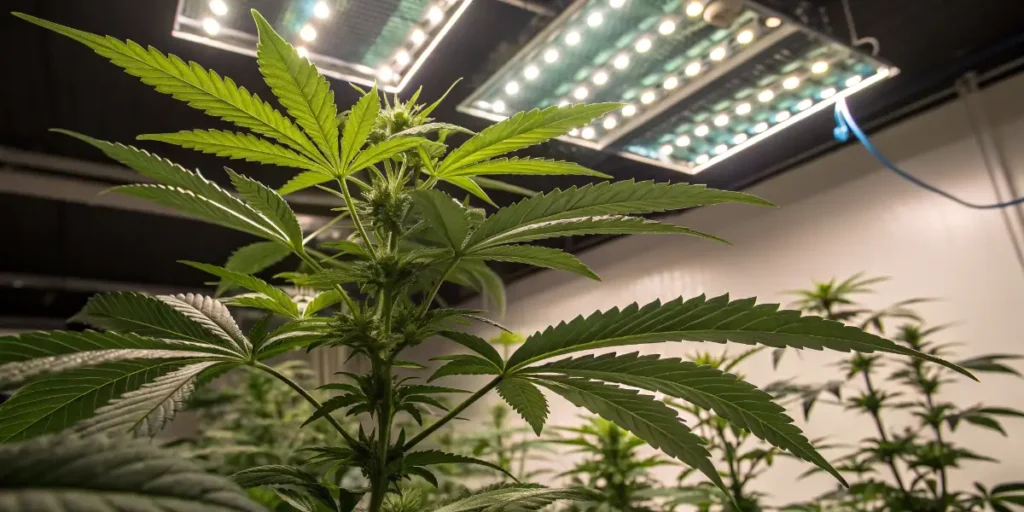
Lighting is a key factor in the successful cultivation of this cultivar. Scrambler Haze, like many cannabis strains, flourishes under full-spectrum LED lights that mimic natural sunlight. Implementing a light cycle of 18 hours on and 6 hours off during the vegetative stage, followed by 12 hours of light and 12 hours of darkness in the flowering stage, will optimize its yield.
Providing the right nutrients in appropriate amounts is essential when cultivating this genetics. This strain benefits from a balanced feeding regime that focuses on supplying adequate levels of nitrogen, phosphorus, and potassium. Utilizing organic fertilizers can enhance the flavor profile and potency of the buds, contributing to their overall quality.
Ventilation is another critical aspect of creating an ideal environment for the plant. Good air circulation prevents mold and pest infestations while strengthening the stems. Using oscillating fans and exhaust systems will ensure a steady flow of fresh air, helping maintain optimal conditions for the growth and development of Scrambler Haze.
Grow Room Setup for Scrambler Haze Plants
Setting up a grow room for this strain requires a careful balance of light, temperature, and humidity to optimize its growth. It thrives best under full-spectrum LED lights that mimic natural sunlight, crucial for vigorous plant development and maximizing yields. Additionally, keeping the grow room temperature between 70-85°F is essential for healthy growth cycles, ensuring robust and healthy buds.
Humidity levels play a significant role in the cultivation of this cultivar. During the vegetative stage, maintain humidity between 45-55% to support strong leaf development and root growth. As Scrambler Haze transitions into flowering, gradually lower humidity to 35-45%. This adjustment helps prevent mold and mildew while promoting resin production and enhancing terpene profiles.
Optimal airflow and ventilation are vital for the plant’s health and preventing disease. Install oscillating fans to ensure even air circulation, which strengthens stems and reduces the risk of pests. Additionally, a reliable ventilation system is necessary to exchange stale air and regulate CO2 levels, further contributing to higher yields and quality flower production.
Investing in automated systems such as timers and sensors can significantly ease the management of this variety. Timers ensure consistent light cycles, crucial for the transition between growth stages. Meanwhile, sensors help monitor environmental conditions, allowing growers to make timely adjustments. With the right setup, Scrambler Haze can reach its full potential, leading to a bountiful and aromatic harvest.
Indoor Growing Tips for Scrambler Haze
When cultivating this strain indoors, ensuring optimal light is crucial for quality buds. Use full-spectrum LED lights to mimic natural sunlight, aiding in robust plant growth. Maintain a consistent light schedule, typically 18 hours on and 6 hours off, during the vegetative stage. This cultivar thrives in temperatures ranging between 70-80°F, which encourages vigorous development and resin-rich buds.
This variety requires a well-regulated environment with controlled humidity levels. Keep humidity around 60% during the vegetative stage and reduce it to 40-50% as flowering begins to enhance terpene profiles. Good airflow is essential for minimizing mold and mildew risk; use oscillating fans to maintain air circulation. The plant will benefit significantly from these careful conditions.
Nutrient management is key to maximizing the yield of it indoors. Use a balanced, high-quality nutrient solution, rich in nitrogen, during the vegetative stage. Transition to a phosphorus-heavy solution as flowering begins to promote bud development. Regularly monitor and adjust pH levels, keeping them between 6.0 and 7.0, to facilitate optimal nutrient absorption and ensure a bountiful harvest.
Outdoor Growing Tips for Scrambler Haze
When cultivating this strain outdoors, location plays a vital role in ensuring optimal growth. Look for a spot with ample sunlight, as the plant thrives in warm and sunny conditions. Well-draining soil is crucial, so consider enhancing the earth with organic matter to bolster nutrient availability. Be mindful of the climate, and prepare to shield this cultivar from excessive rain or wind.
Regular monitoring and maintenance are key to achieving a healthy yield from this variety. Pay close attention to watering needs, ensuring that the plant receives adequate hydration without waterlogging the roots. Prune excess foliage to improve airflow, which helps in preventing mold and pest-related issues. Applying natural pest repellents can offer an additional layer of protection without compromising the quality of the buds.
When it’s time to harvest, the careful timing of this process is crucial. Aim to collect the buds as the trichomes transition to a milky appearance with some turning amber, indicating peak terpene and cannabinoid production. This not only enhances flavor profiles but also maximizes the therapeutic benefits. Concluding the cultivation process properly ensures a satisfying and robust yield from your outdoor grow efforts.
How to Germinate & Propagate
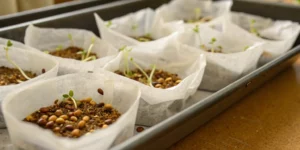
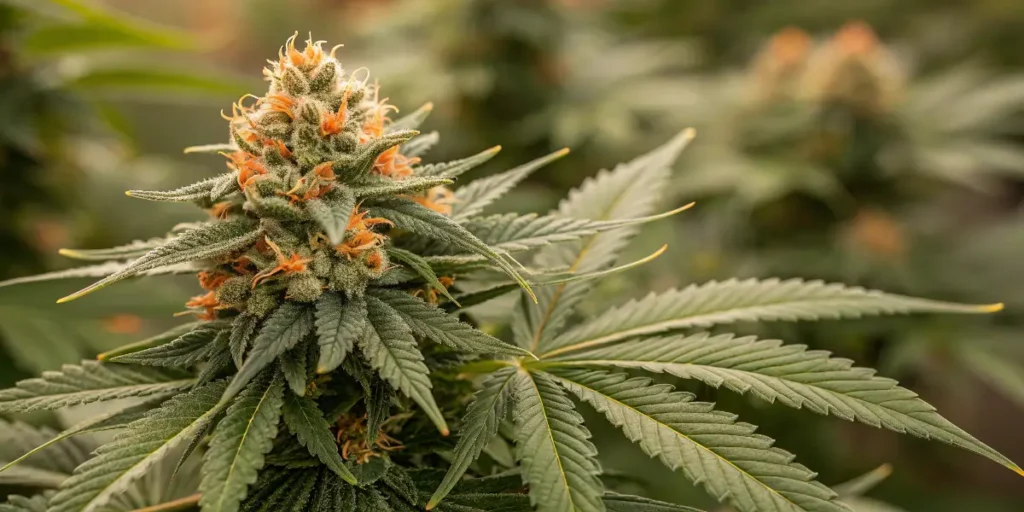
Germinating Scrambler Haze seeds is the crucial first step for successful cannabis cultivation. Start by soaking the seeds in water for 12-24 hours to help them absorb moisture. Once they sink, place them between moist paper towels, ensuring they stay damp but not soaked. This method provides a controlled environment that encourages faster germination and healthier initial root development for the plant.
After germination, it’s time to propagate this strain for optimal growth. Transfer the sprouted seeds into small pots filled with a light, peat-based seedling mix. Ensure the soil remains moist, using a spray bottle to avoid overwatering. Maintaining a temperature between 70-85°F (21-29°C) with adequate lighting will support robust seedling growth, preparing this variety for transplantation into larger pots or direct ground cultivation.
This cultivar thrives when given ample space as it prepares for its vegetative stage. Once seedlings grow a few sets of true leaves, carefully transplant them into their final containers or outdoor sites. The roots of this genetics appreciate breathable soil, rich in nutrients and well-aerated, to enhance growth and boost the eventual yield of buds packed with aromatic terpenes.
To ensure a successful harvest, growers should focus on caring for the young plants by maintaining consistent lighting and humidity levels. Scrambler Haze is particularly responsive to early-stage training techniques, such as topping and low-stress training (LST), which can help maximize yield potential. By providing regular care and monitoring growth factors, cultivators can ensure healthy, productive plants.
Vegetative Stage: Nurturing Your Scrambler Haze Plants
The vegetative stage is crucial for developing strong and healthy Scrambler Haze plants. During this period, focus on providing optimal conditions to encourage growth. This involves maintaining a balance of nutrients, light, and water. For best results, give this cannabis strain plenty of light, ideally around 18-24 hours per day, to support its rapid vegetative cycle.
This cultivar thrives in well-aerated soil, which helps promote robust root systems essential for nutrient uptake. Ensure that the growing medium drains well to prevent waterlogging. Regularly monitor this genetics’ water needs, as it prefers slightly moist soil without being overly saturated, which could hinder development. Consistent care during this phase sets the stage for higher yields.
A tailored nutrient program can significantly affect the growth of the plant. During the vegetative stage, opt for a nitrogen-rich fertilizer to foster leafy green foliage and robust stem structure. This variety typically responds well to a balanced feeding schedule, so it’s vital to avoid over-fertilization, which can lead to nutrient burn and other growth issues.
Pruning and training are effective techniques to enhance Scrambler Haze development in the vegetative stage. Regularly trim back excess foliage to encourage light penetration and airflow. Low-stress training methods can also boost future bud sites, leading to a more productive harvest. Carefully nurturing this strain in its early phases will result in a robust, bountiful yield full of aromatic terpenes.
Flowering Scrambler Haze: What to Expect
As Scrambler Haze enters the flowering stage, growers can anticipate a vibrant transformation in this strain. Known for its energetic growth, the plant begins to develop dense clusters of buds. It’s crucial to monitor humidity and temperature levels, as these factors can significantly influence the quality and yield of the cannabis produced. Keeping these variables in check ensures optimum growing conditions.
This variety typically requires a flowering period of about 9-11 weeks. During this time, the cultivation space should be adjusted to provide ample light, maintaining the plant’s health and vigor. As the weeks progress, growers will notice the development of impressive terpene profiles, contributing to its characteristic aroma and potency. Pruning may be necessary to promote light penetration and air circulation.
While the plant flourishes, keep an eye out for any signs of nutrient deficiencies or pest issues. Addressing these promptly minimizes potential disruptions to the flowering process. This cultivar is recognized for its high yields when given the proper care. Implementing a consistent feeding schedule can support its nutrient demands during this critical growth phase.
As harvest time approaches, the plant will display a frosty appearance with an intricate resin coating on the buds. Ensuring proper timing for harvest will maximize potency and flavor. For a well-rounded profile, consider harvesting when trichomes are milky white, a key indicator of readiness in this genetics. Scrambler Haze thus provides growers with a rewarding cultivation experience.
Fertilizers & Nutrient Schedule
Recognizing the unique nutritional needs of Scrambler Haze is crucial for successful cultivation. This strain thrives on a balanced diet of essential nutrients throughout its growth cycle. Providing the right nutrients can significantly impact the quality of buds, terpenes, and overall yield, making it vital to tailor your nutrient schedule for this cultivar.
The vegetative stage of this variety requires higher nitrogen levels to promote robust plant growth and development. A balanced N-P-K (nitrogen, phosphorus, potassium) formula is recommended to strengthen the plant’s structure. Adjustments can be made to the nutrient solution based on the specific growth patterns observed, ensuring the plant achieves its full potential during the flowering stage.
As the plant transitions to flowering, focus on increasing phosphorus and potassium while reducing nitrogen to encourage bud production. During this phase, nutrients like calcium and magnesium are essential for the structural integrity of the buds and maximizing yield. Regular monitoring of pH and EC levels helps in maintaining the optimal environment for this strain.
Flushing the plant with pure water during the final weeks before harvest is crucial to remove excess nutrients and impurities, resulting in smoother smoke and more flavorful terpenes. Implementing a strategic nutrient schedule allows growers to support the growth and health of Scrambler Haze, optimizing its potential and ensuring a bountiful harvest.
Pest and Disease Prevention for Healthy Cannabis Plants
For optimal cultivation of Scrambler Haze, maintaining a healthy environment is crucial. It is vital to monitor humidity and temperature, as these factors significantly affect the resilience of the plant. Regularly inspecting the leaves and stems can help early detection of pests such as aphids and spider mites, ensuring potential threats do not compromise your yield.
This variety benefits from companion planting, which can naturally deter pests. Introducing beneficial insects like ladybugs or neem oil applications can also help protect the plant from harmful intruders. Moreover, keeping a clean growing area is essential for preventing diseases. Ensuring proper air circulation reduces mold and mildew risks, particularly during humid periods.
Appropriate feeding regimens and balanced nutrients sustain robust growth for this cultivar. It’s important to adjust the feeding schedule according to the plant’s life stage, as over-fertilization can weaken its defenses. Growers should remain vigilant throughout the growth cycle to secure healthy buds rich in terpenes, ultimately leading to a prosperous harvest.
Harvesting & Drying Scrambler Haze the Right Way
Timing is crucial when it comes to harvesting this strain. Look for trichomes to turn milky with some amber hues, indicating the optimal ripeness of the buds. Harvesting Scrambler Haze at the right moment will maximize yield and potency, allowing growers to savor the full spectrum of its unique terpenes and cannabinoids.
Careful handling during the harvesting process is essential to preserve the integrity of the buds. Cut the plant at the base and trim away any large fan leaves, which will aid in the drying process. This variety benefits from a meticulous approach to trimming; removing excess foliage ensures proper air circulation and prevents mold development.
Drying is a critical stage that requires patience and precision. Hang the branches upside down in a dark, well-ventilated space with a humidity range between 45-55% and a temperature around 60-70°F. This ensures that the buds of this cultivar retain their aromatic terpenes and psychoactive potency, contributing to a superior quality product.
After a drying period of about 7-10 days, when the small stems snap rather than bend, it’s time to cure the buds. Place them in airtight jars, opening them daily for about two weeks to let excess moisture escape. This process enhances the flavors and smoothness of the cannabis, allowing the plant’s full profile to mature and develop thoroughly.
Scrambler Haze Strain Type: Indica, Sativa or Hybrid?
Scrambler Haze is a delightful hybrid strain that balances the calming effects of Indica with the uplifting characteristics of Sativa. This unique cultivar results from a meticulous blending process, offering a well-rounded experience favored by many cannabis enthusiasts. Growers appreciate the plant’s versatility, as it can adapt to various cultivation environments while producing high-quality buds.
This variety’s genetic composition leans slightly towards the Sativa side, making it an ideal option for those seeking creativity and focus. The robust growth of the plant often translates into a generous yield, especially when optimal growing conditions are met. Its terpene profile is rich and complex, adding to the overall enjoyment during both growth and harvest phases.
Whether cultivated indoors or outdoors, this strain offers a rewarding cultivation experience. It thrives with proper care and attention, delivering a range of effects that cater to different preferences. As a flexible and resilient option, the strain invites both novice and experienced growers to explore its full potential, ensuring a satisfying harvest each season.
Why Grow Scrambler Haze? Key Benefits for Cultivators
Scrambler Haze provides a unique proposition for cannabis cultivators seeking high yields and exceptional quality. This strain is renowned for its robust growth characteristics, making it ideal for growers who value both quantity and quality. Its resilient genetics enable the plant to thrive in various environments, offering versatility in cultivation settings. With careful attention, growers can expect abundant harvests and top-tier buds.
The plant’s appeal does not end with its growth potential; its terpene profile is also noteworthy. This cultivar produces a distinctive aromatic blend, which sets it apart in the cannabis market. Its rich bouquet enhances not only the sensory experience but also its marketability. Cultivators can capitalize on this aromatic advantage to attract discerning consumers, enhancing their competitive edge.
This variety’s resilience to common pests and diseases is a boon for both novice and experienced growers. The plant’s strong immunity reduces the need for constant intervention, allowing cultivators to focus on maximizing yield and potency. Implementing efficient cultivation practices with Scrambler Haze can lead to a rewarding harvest, benefiting growers with both economic value and quality product.
Potential Challenges When Growing Scrambler Haze
Growing Scrambler Haze can present unique challenges for cultivators, primarily due to its sensitive nature. This strain is particularly susceptible to humidity fluctuations, which might lead to mold or mildew on the buds. Keeping a consistent climate is key, emphasizing the importance of a dependable ventilation system and precise monitoring to protect the plant’s health throughout its life cycle.
Another significant challenge is pest management, as this variety can attract insects that thrive on cannabis plants. Regular inspections are recommended to catch infestations early, using organic pest control methods to maintain the integrity of the terpenes and overall yield. This proactive approach will help ensure a healthy, thriving harvest when growing this cultivar.
Despite the challenges, Scrambler Haze rewards attentive growers with bountiful yields if cultivated correctly. The plant’s growth cycle demands precise nutrient schedules, requiring a careful balance of macro and micronutrients. Ensuring that it receives the right nourishment at each growth stage helps maximize the quality and potency of the final buds, making the eventual harvest worth the effort.
Is This Strain Worth Buying? Here’s What You Need to Know
Scrambler Haze stands out in the cannabis market due to its exceptional blend of enticing terpenes and robust growing characteristics. This strain offers a unique profile that appeals to both novice and experienced growers looking for a reliable cultivar with a rewarding yield. Its cultivation offers a rich harvest, making it a highly sought-after variety for those prioritizing quality.
This variety is known for producing dense buds that capture the essence of its esteemed genetics. Growers will appreciate its consistent performance in various environments, indicating its adaptability and resilience. The plant’s robust structure supports healthy growth, ensuring that the efforts invested in its cultivation are fruitful. Its appeal lies in the promise of quality and potency.
If you’re considering investing in the plant, its reputation in the community further underscores its value. Known for delivering on both the yield and quality fronts, this cultivar is an attractive choice for those serious about their cannabis cultivation pursuits. Its reliability and compelling attributes make it worth the attention of any connoisseur.
FAQs
What is the ideal climate for cultivating Scrambler Haze?
Scrambler Haze thrives in a warm, Mediterranean-like climate. This strain prefers temperatures between 70-85°F (21-29°C) with moderate humidity levels, ideally around 40-50% during flowering. The plant benefits from consistent airflow and ample sunlight if grown outdoors. For indoor growers, using a dehumidifier and adjustable LED lights can help create an optimal environment for this variety to reach its full potential.
What are the yield expectations for Scrambler Haze?
When grown under optimal conditions, Scrambler Haze can produce bountiful yields. Indoor growers can expect around 400-500 grams per square meter, while outdoor cultivation can yield as much as 600 grams per plant. To achieve these results, it’s important to provide sufficient nutrients and regular maintenance, making use of training techniques like low-stress training (LST) to maximize bud development.
What is the flowering time for Scrambler Haze?
This cultivar typically flowers within 10-12 weeks, with some phenotypes leaning towards the longer end of the spectrum. During this period, growers should ensure that the plant receives the appropriate light cycle, particularly a 12/12 light-to-dark schedule indoors. Scrambler Haze’s extended flowering period requires patience but rewards growers with potent, resinous buds once mature.
Are there any common pest or disease issues for this plant?
Scrambler Haze is generally resilient, but it can still fall prey to pests like spider mites and aphids, as well as fungal issues like powdery mildew if conditions are not ideal. Regularly inspecting the plant and maintaining good airflow can help prevent these problems. Utilizing organic pest control methods or beneficial insects can effectively manage infestations while keeping this genetics happy and thriving.
What nutrient regimen is best for Scrambler Haze?
This variety benefits from a nutrient regimen rich in nitrogen during the vegetative stage, transitioning to higher phosphorus and potassium levels during flowering. Scrambler Haze requires balanced micronutrients to support its vigorous growth. Feed the plant according to a schedule and adjust based on the plant’s specific needs, paying close attention to any signs of nutrient deficiency or excess visible in leaf color and texture.