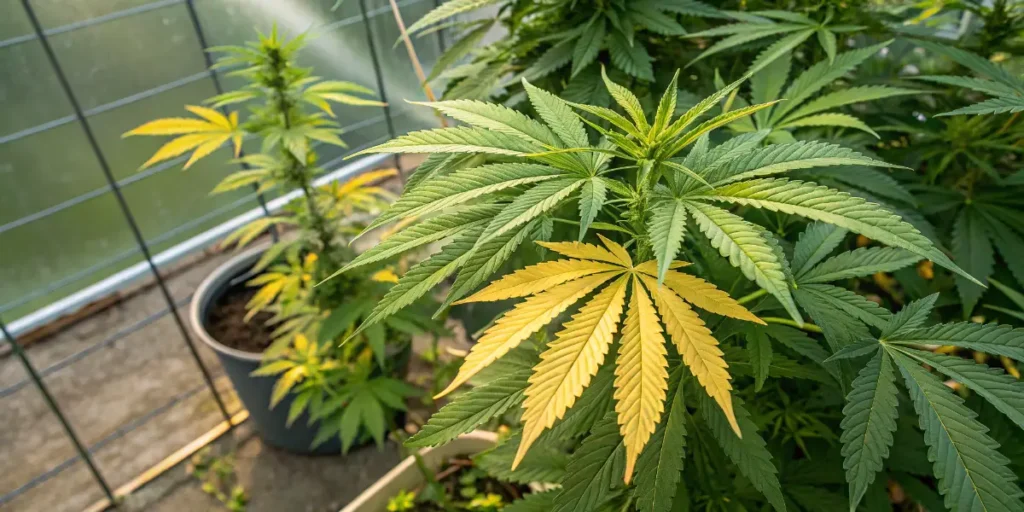

Leaf chlorosis, a condition where the leaves of cannabis plants turn yellow, can be a significant issue for both novice and experienced growers. This problem is often a sign that your cannabis plants are experiencing stress or nutrient deficiencies. Identifying and addressing the root cause is crucial to maintaining healthy plants and achieving optimal yields. Let’s delve into the various factors that can lead to leaf chlorosis in cannabis, providing you with practical insights and tips to keep your plants thriving.
First, it’s essential to understand that chlorosis in cannabis leaves can result from several factors, such as nutrient deficiencies, overwatering, and root health issues. Each of these causes has specific symptoms and requires unique solutions. By recognizing the signs early and taking appropriate action, you can prevent further damage and ensure your cannabis plants continue to grow vigorously.
Recommended Strains
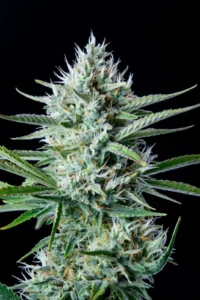
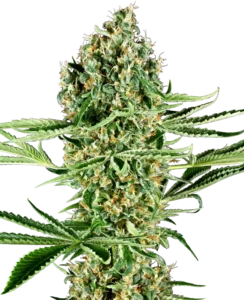
White Widow Auto

|
THC | 20% - 21% (Medium) |

|
Lineage | White Widow x Ruderalis |

|
Type | Autoflowering |

|
Height | 3.94 ft | 1.2 m |

|
Yield | High |

|
Yield Indoor | 1.31 - 1.64 oz/ft² | 400 - 500 g/m² |

|
Life Cycle | 9 weeks |

|
Phenotype | 70% Indica / 30% Sativa |

|
Effects | Focused, Relaxed |

|
Flavors | Musk, Spicy, Earthy, Sweet |
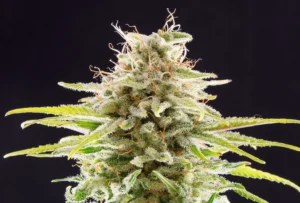
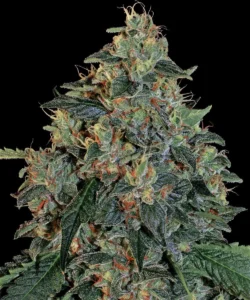
Super OG Kush
|
|
THC | 22% - 23% (Medium) |
|
|
Lineage | Lemon Thai x Hindu Kush x Black Domina |
|
|
Type | Feminized |
|
|
Height | 4.43 ft | 1.35 m |
|
|
Yield | High |
|
|
Yield Indoor | 1.97 oz/ft² | 600 g/m² |

|
Yield Outdoor | 28.22 oz/plant | 800 g/plant |
|
|
Flowering Time | 8 - 9 weeks |
|
|
Phenotype | 70% Indica / 30% Sativa |
|
|
Effects | Relaxed |
|
|
Flavors | Fruity, Spicy, Earthy |
For example, White Widow Auto from Growlantis is known for its robust growth and resilience. However, even this strain can suffer from chlorosis if the growing conditions are not ideal. Maintaining how to maintain the perfect balance for your specific strain can make all the difference in preventing leaf yellowing and promoting healthy plant development.
Nutrient Deficiencies in Cannabis Plants
Nutrient deficiencies are one of the most common causes of leaf chlorosis in cannabis. Essential nutrients like nitrogen, magnesium, and iron are crucial for the plant’s growth and development. A lack of these can lead to yellowing leaves and stunted growth.
Identifying the specific nutrient needs of your cannabis strains is vital for preventing deficiencies that lead to chlorosis. For instance, White Widow Auto thrives in nutrient-rich environments that support its vigorous growth potential. Regular soil testing and adjustments to your feeding schedule can ensure that your plants receive an adequate supply of nutrients, thus reducing the risk of deficiencies. Keeping a consistent fertilization routine tailored to the growth stage of your plants can help prevent issues related to nitrogen deficiency in cannabis plants and other nutrient shortages.
Nitrogen Deficiency in Cannabis Plants
Nitrogen is a vital nutrient involved in photosynthesis and the production of chlorophyll. When cannabis plants experience nitrogen deficiency, their older leaves often turn yellow as the plant redirects its nitrogen supply to new growth. This is a common cause of cannabis leaf chlorosis.
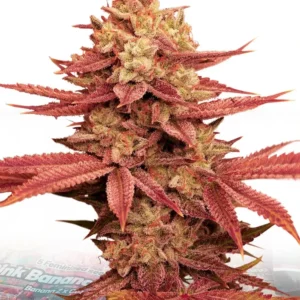
Ensuring your cannabis plants receive adequate nitrogen is crucial for preventing chlorosis. You can achieve this by using a balanced fertilizer or amending your soil with organic matter rich in nitrogen. Critical Runtz, another strain from Growlantis, benefits from a nitrogen-rich environment, ensuring its vibrant green foliage and robust growth are maintained throughout the growing cycle.
Magnesium Deficiency and Cannabis Yellowing
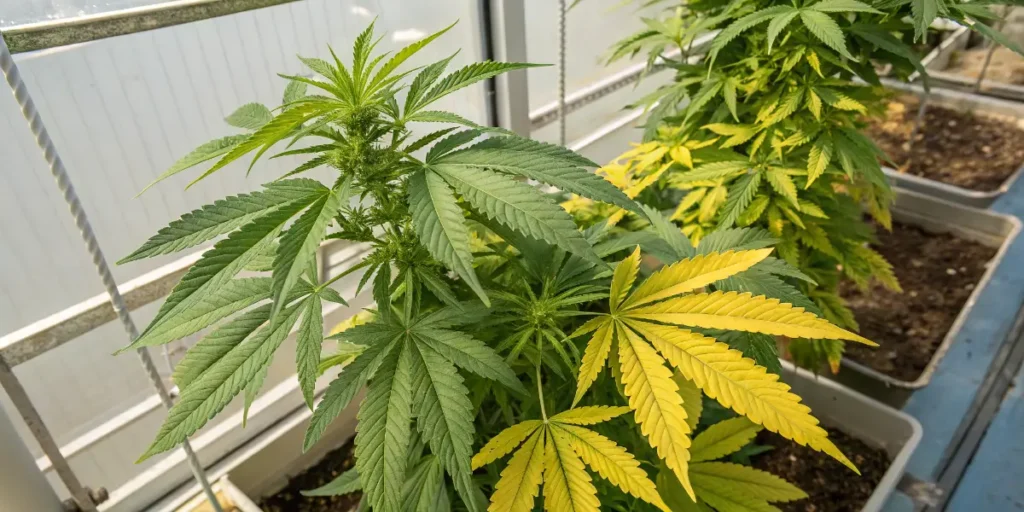
Magnesium is another essential nutrient for cannabis plants, playing a critical role in photosynthesis. A magnesium deficiency often causes interveinal chlorosis, where the spaces between the leaf veins turn yellow, while the veins remain green.
To address magnesium deficiency, consider using a magnesium supplement or Epsom salt, which can be easily absorbed by the plants. Super OG Kush, a popular strain from Growlantis, can show signs of magnesium deficiency if not properly managed, leading to reduced growth and yield. Regular monitoring and appropriate nutrient management can help maintain its high THC levels and robust yields.
Overwatering and Its Impact on Cannabis
Overwatering is a common mistake among cannabis growers and can lead to root health issues and subsequently, leaf chlorosis. Cannabis leaf chlorosis due to overwatering occurs because excess water in the soil suffocates the plant roots, preventing them from absorbing nutrients efficiently.
Striking the right balance in your watering routine is essential to avoid cannabis chlorosis and root health issues. Overwatering can be particularly detrimental to strains like White Widow Auto, which requires precise watering for optimal growth. To prevent problems, consider using a moisture meter to accurately gauge soil hydration levels before watering. This tool can help you develop a more intuitive awareness of your plants’ hydration needs, reducing the likelihood of overwatering and promoting healthier growth.
Recognizing Signs of Overwatering
Signs of overwatering include drooping leaves, yellowing, and slow growth. If the soil remains too wet, the roots may begin to rot, further exacerbating the problem. It’s essential to allow the soil to dry out between watering sessions to prevent waterlogging.
White Widow Auto, known for its ease of growth and quick flowering time, still requires careful watering practices. Overwatering can hinder its typically high yields, making it crucial to strike the right balance. Consider growing in well-draining soil and using pots with good drainage to prevent water accumulation.
Improving Drainage and Watering Practices
Improving soil drainage and adopting better watering practices are key to preventing cannabis chlorosis and root health issues. Incorporating perlite or other aeration materials into your soil mix can enhance drainage. Additionally, monitoring soil moisture levels before watering can help ensure you only water when necessary.
For strains like Critical Runtz, which thrive in well-balanced environments, maintaining proper drainage and watering practices ensures the plant’s vigor and maximizes its potential for high THC content and substantial yields.
Iron Deficiency Symptoms in Cannabis Leaves
Iron is another micronutrient that, although required in smaller quantities, is essential for healthy plant growth. Iron deficiency symptoms in cannabis leaves typically manifest as yellowing of the newest leaves, with the veins remaining green.
Alongside adjusting soil pH, regular feeding with chelated iron supplements can be beneficial in addressing iron deficiency symptoms in cannabis leaves. For strains like Super OG Kush, which demand careful nutrient management to maintain their potency, ensuring adequate iron availability is crucial. Nutrient imbalances can often be mitigated by using foliar feeding techniques, which provide immediate nutrient access and can be especially effective during early signs of deficiency.
Identifying Iron Deficiency
Iron deficiency can be challenging to diagnose as it often resembles other nutrient deficiencies. However, if you notice that new growth is pale and yellow, it may be indicative of an iron shortage. This can occur when the soil pH is too high, making iron less available to the plant.
Addressing iron deficiency involves adjusting the soil pH to a more acidic level, around 6.0-6.5, to improve iron uptake. Using chelated iron supplements can also help correct the deficiency. Strains like Super OG Kush, known for their potent effects and rich flavor profile, require careful nutrient management to prevent iron deficiency from affecting their quality and yield.
Enhancing Iron Availability
To enhance iron availability, regularly monitor the pH levels of your soil and make necessary adjustments. Using a soil pH meter can help you maintain optimal conditions for your cannabis plants. Additionally, incorporating organic matter, such as compost, can naturally improve nutrient availability.
Maintaining the right balance for strains like White Widow Auto ensures that they continue to produce robust yields and maintain their potent effects, even in the face of potential nutrient deficiencies.
Root Health and its Influence on Cannabis Chlorosis
Healthy roots are vital for nutrient uptake and overall plant health. When root health is compromised, it can lead to cannabis chlorosis and other growth issues. Root health problems often arise from overwatering, poor soil conditions, and pest infestations.
Maintaining optimal root health involves a proactive approach to soil management and pest control, which are critical for preventing root-related cannabis chlorosis. For instance, implementing beneficial soil microbes can enhance root function and resilience against diseases. Strains like Critical Runtz, which are known for their high yield and quality, benefit significantly from practices that ensure robust root systems, enabling them to reach their full growth potential without the risk of root health issues.
Ensuring Optimal Root Conditions
To ensure optimal root health, consider using high-quality soil with good drainage and aeration properties. Regularly inspect the roots for signs of rot or pest damage, particularly in strains like Critical Runtz, which are known for their high yield potential and require well-maintained root systems.
Implementing practices like root pruning and using beneficial microbes can promote root health and enhance nutrient uptake, helping to prevent leaf chlorosis and other growth issues.
Addressing Root Health Issues
If you suspect root health issues, take immediate action by improving soil aeration and reducing watering frequency. Additionally, using organic fungicides and pest control measures can prevent root damage from pathogens and pests.
Strains like Super OG Kush, with their rich terpene profiles and strong effects, demand attentive care to ensure root health, which in turn supports their superior quality and potency.
FAQ
What causes leaf chlorosis in cannabis?
Leaf chlorosis in cannabis can be caused by various factors, including nutrient deficiencies, overwatering, and poor root health. Nutrient deficiencies, such as those of nitrogen, magnesium, and iron, are common culprits. Overwatering can lead to root rot, impairing nutrient uptake, while unhealthy roots can further exacerbate chlorosis.
How can I prevent nitrogen deficiency in cannabis plants?
Preventing nitrogen deficiency involves ensuring your plants receive adequate nitrogen through balanced fertilizers or soil amendments rich in organic matter. Regular monitoring of plant health and adjusting nutrient levels as needed can help maintain optimal nitrogen levels and prevent leaf yellowing.
What are the signs of overwatering in cannabis plants?
Signs of overwatering include drooping leaves, yellowing, and slow growth. Overwatered plants may also exhibit root rot if the soil remains too wet for extended periods. Allowing the soil to dry out between watering sessions and ensuring good drainage can help prevent overwatering issues.
How do I correct magnesium deficiency in cannabis?
Correcting magnesium deficiency involves using magnesium supplements or Epsom salt, which can be easily absorbed by the plants. Maintaining balanced nutrient levels and monitoring plant health regularly can help prevent deficiencies from occurring.
Why is root health important for cannabis plants?
Root health is crucial for nutrient uptake and overall plant health. Healthy roots ensure efficient nutrient absorption, preventing issues like chlorosis. Maintaining optimal soil conditions, proper drainage, and addressing pest and disease threats can promote root health and support vigorous plant growth.