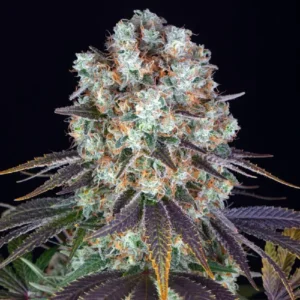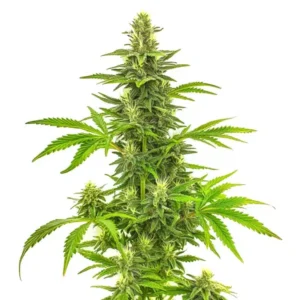

When cultivating cannabis, one may encounter several challenges, particularly those related to plant health. Among the most common issues are chlorosis and nitrogen deficiency, each affecting the plant in unique ways. Distinguishing between these two conditions is crucial for effective treatment. Whether you’re growing the vibrant Blue Gelato, the resilient OG Kush, or the potent Bruce Banner from Growlantis, identifying these issues will ensure your plants thrive.
Chlorosis and nitrogen deficiency both manifest as discoloration in the leaves, but they have different causes and implications. Chlorosis is a condition where leaves lose their green color due to insufficient chlorophyll, whereas nitrogen deficiency specifically refers to the lack of nitrogen, a critical nutrient for cannabis growth. Identifying the correct condition is the first step toward effective remediation.
Recommended Strains
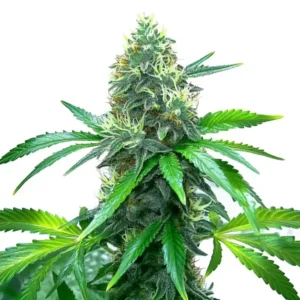
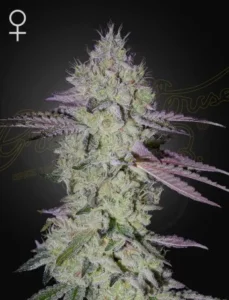
OG Kush
 | THC | 20% - 24% (Medium) |
 | Lineage | Kush Chemdog x Hindu Kush |
 | Type | Feminized |
 | Height | 9.84 ft | 3 m |
 | Yield | Medium |
 | Yield Indoor | 1.47 - 1.64 oz/ft² | 450 - 500 g/m² |
 | Yield Outdoor | 21.16 - 24.69 oz/plant | 600 - 700 g/plant |
 | Flowering Time | 8 - 10 weeks |
 | Phenotype | 55% Indica / 45% Sativa |
 | Medical | Fatigue, Muscle Spasms, Stress |
 | Effects | Aroused, Euphoric, Uplifted |
 | Flavors | Citrus, Lemon |
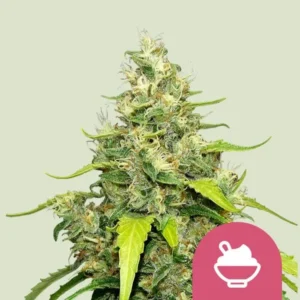
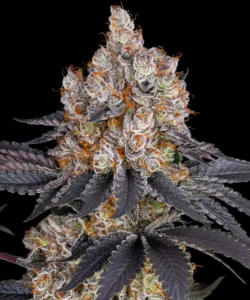
Blue Gelato
| | THC | 23% - 24% (Medium) |
| | Lineage | Blueberry x Thin Mint Girl Scout Cookies x Sunset Sherbert |
| | Type | Feminized |
| | Height | 5.74 ft | 1.75 m |
| | Yield | High |
| | Yield Indoor | 1.8 - 1.97 oz/ft² | 550 - 600 g/m² |
| | Yield Outdoor | 17.64 - 21.16 oz/plant | 500 - 600 g/plant |
| | Flowering Time | 9 - 10 weeks |
| | Phenotype | 80% Indica / 20% Sativa |
| | Effects | Balanced, Relaxed, Uplifted |
| | Flavors | Diesel, Earthy |
In this article, we will cover the symptoms, differences, and treatment options for chlorosis vs nitrogen deficiency in cannabis. By recognizing the nuances of these conditions, growers can ensure that strains like Blue Gelato, OG Kush, and Bruce Banner reach their full potential.
Identifying Chlorosis in Cannabis
Chlorosis in cannabis is characterized by yellowing leaves. This yellowing occurs because the plant is unable to produce enough chlorophyll, the pigment responsible for the green color. Chlorosis symptoms in cannabis can be caused by various factors, including nutrient imbalances, poor drainage, or even diseases.
When diagnosing chlorosis vs nitrogen deficiency in cannabis, it’s crucial to pay attention to the specific areas affected and the progression of symptoms. Chlorosis often begins with a uniform yellowing of the new leaves, while the older leaves remain green. This can be a clear indicator that the plant is struggling with nutrient uptake, often exacerbated by environmental conditions such as overwatering or compacted soil. Regularly aerating the soil and ensuring that drainage is optimal can help alleviate these issues, particularly in strains like Bruce Banner that require well-aerated growing conditions for robust development.
Causes of Chlorosis
There are several potential causes of chlorosis in cannabis plants. One common cause is a deficiency in essential nutrients like iron or magnesium. These nutrients are critical for chlorophyll production, and their absence can lead to yellowing leaves. Improper pH levels in the soil can also contribute to chlorosis, as they affect nutrient availability.
Another cause of chlorosis is poor root health. Roots that are waterlogged or infected with pathogens can’t absorb nutrients effectively. This scenario is common in strains like OG Kush, which require well-drained soil to prevent root issues. Additionally, environmental stressors such as extreme temperatures or insufficient light can exacerbate chlorosis.
Blue Gelato and Chlorosis Management
Blue Gelato, a popular strain from Growlantis, is known for its robust growth and vibrant blue-tinged buds. However, like any cannabis strain, it can suffer from chlorosis if not managed properly. Ensuring that Blue Gelato receives balanced nutrients and maintaining optimal pH levels between 6.0 and 7.0 can prevent chlorosis.
As a proactive step, regularly monitor the soil’s nutrient levels and adjust the feeding schedule accordingly. Blue Gelato benefits from a slightly acidic environment, which aids in nutrient absorption and helps prevent chlorosis symptoms.
Recognizing Nitrogen Deficiency in Cannabis
Nitrogen deficiency is a specific nutrient deficiency that leads to yellowing leaves, starting from the older, lower leaves and moving up the plant. Unlike chlorosis, which can be caused by multiple factors, nitrogen deficiency is solely due to a lack of nitrogen, an essential component of amino acids and proteins.
When addressing chlorosis vs nitrogen deficiency in cannabis, it’s important to consider the growth stage of the plant. Nitrogen deficiency is especially critical during the vegetative stage when the plant requires ample nitrogen for rapid growth and development. For strains like OG Kush, which are known for their dense foliage and high yields, a nitrogen-rich growing environment is essential. This ensures that the plant can maintain its vigorous growth and prepare adequately for the flowering stage, where nutrient demands shift significantly.
Symptoms and Effects
Recognizing nitrogen deficiency involves observing the cannabis plant’s leaf color and growth pattern. Initial signs include pale green leaves, which gradually turn yellow and may eventually die. This deficiency stunts the plant’s growth, affecting overall yield and potency.
For strains such as Bruce Banner, which are known for their substantial yields and high THC content, addressing nitrogen deficiency promptly is crucial. Bruce Banner requires a steady supply of nitrogen during its vegetative stage to support its rapid growth and robust structure.
OG Kush and Nitrogen Deficiency
OG Kush, another standout strain from Growlantis, demands careful nitrogen management. As a high-yielding strain with dense buds, OG Kush needs sufficient nitrogen to maintain healthy foliage and support its flowering phase. If nitrogen deficiency is suspected, a nitrogen-rich fertilizer can be applied to rectify the issue.
Growers should aim to provide OG Kush with a balanced nutrient solution, particularly during its vegetative stage, to prevent nitrogen deficiency. Monitoring the plant’s response and adjusting the nutrient mix as needed will ensure robust growth and a bountiful harvest.
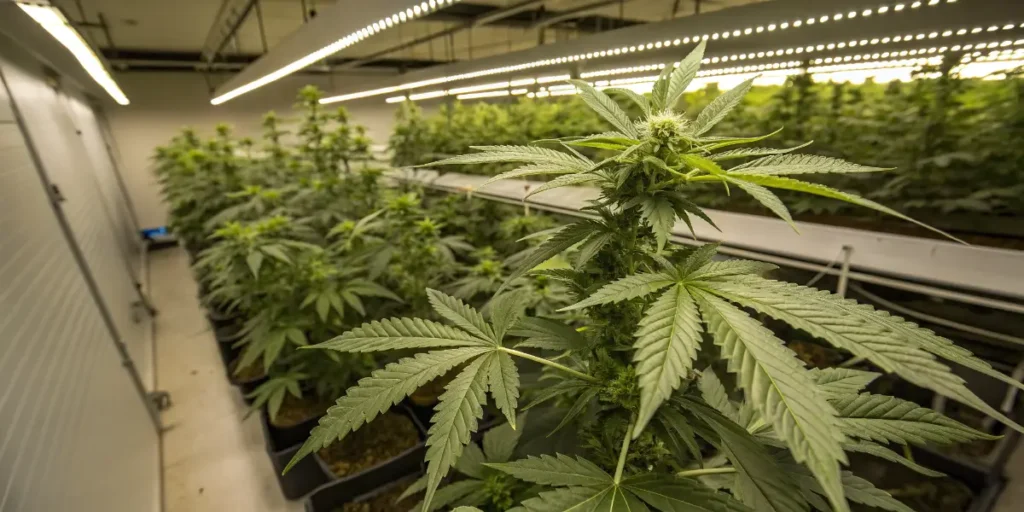
Diagnosing the Differences between Chlorosis and Nitrogen Deficiency
Distinguishing between chlorosis and nitrogen deficiency in cannabis is essential for accurate diagnosis and treatment. While both conditions result in yellowing leaves, the underlying causes and affected areas differ.
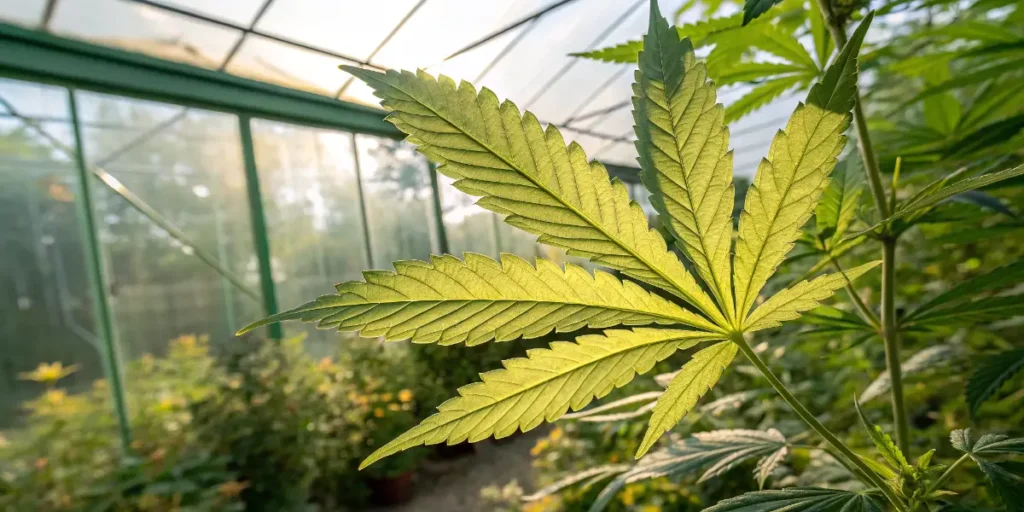
One effective approach to diagnosing chlorosis vs nitrogen deficiency in cannabis is to observe the leaf patterns and plant vigor over time. Chlorosis usually results in interveinal yellowing, where veins remain green, indicating a lack of chlorophyll. In contrast, nitrogen deficiency often leads to a more uniform yellowing starting from the bottom leaves. Utilizing soil and tissue tests can help pinpoint the exact deficiencies, ensuring that the treatment strategy is tailored to the specific needs of the plants. This diagnostic precision is particularly beneficial for strains like Blue Gelato, where maintaining vibrant leaf color is key to quality.
Visual Cues
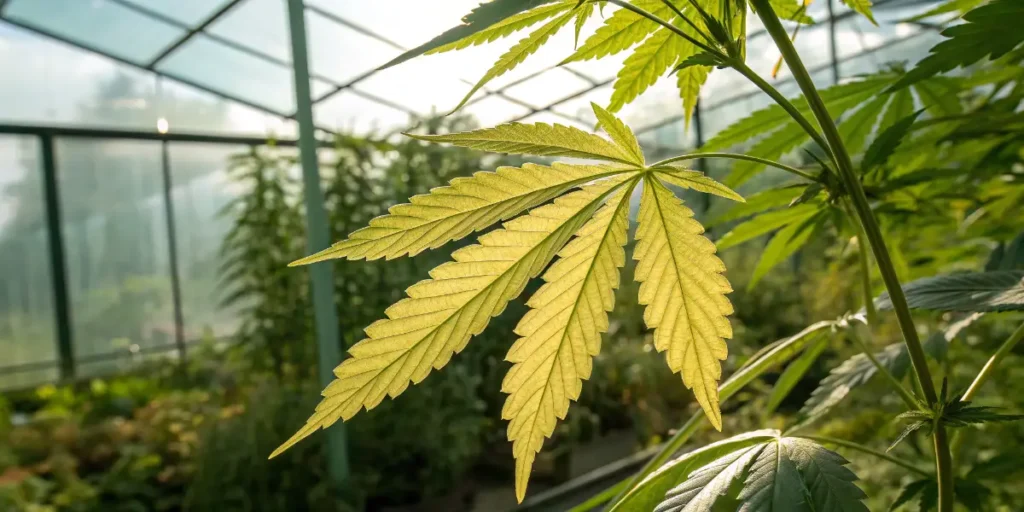
Chlorosis typically affects new growth first, causing the leaves to turn yellow while veins remain green. In contrast, nitrogen deficiency affects older leaves at the bottom of the plant, which turn yellow and eventually brown as the deficiency progresses.
Observing these visual cues is crucial when diagnosing chlorosis vs nitrogen deficiency in cannabis. For strains like Bruce Banner, which rely on vigorous growth, catching these signs early can prevent long-term damage and ensure healthy development.
Testing and Adjustments
Soil testing is an effective method for diagnosing these conditions. Testing can reveal nutrient levels and pH imbalances, helping growers decide if the issue is chlorosis symptoms cannabis vs nitrogen deficiency. For example, a soil test showing low nitrogen levels would confirm nitrogen deficiency, prompting an appropriate fertilizer adjustment.
For Blue Gelato, maintaining slight acidity in the soil can prevent both chlorosis and nitrogen deficiency. Regular testing and adjustments to the nutrient regimen ensure that Blue Gelato’s unique characteristics, such as its vivid colors and strong aroma, are fully expressed.
Treatment Options for Chlorosis and Nitrogen Deficiency
Once the condition is accurately diagnosed, effective treatment can commence. Both chlorosis and nitrogen deficiency require specific strategies to restore plant health and vitality.
When considering cannabis chlorosis nitrogen deficiency treatment, it is essential to adopt a well-rounded approach that addresses multiple aspects of plant health. For chlorosis, ensuring the availability of essential micronutrients such as iron and magnesium can correct the chlorophyll deficiency. Meanwhile, nitrogen deficiency requires the prompt replenishment of nitrogen through targeted fertilization. Incorporating organic matter into the soil can also enhance nutrient retention and promote healthier root systems. This holistic strategy is vital for strains like OG Kush, which demand consistent nutrient availability to produce high-quality buds.
Treating Chlorosis
Addressing chlorosis involves identifying and correcting the underlying cause. If nutrient deficiency is to blame, supplementing with a balanced fertilizer containing iron, magnesium, and other essential nutrients can rectify the issue. Adjusting the soil pH to the optimal range will also enhance nutrient uptake.
For OG Kush, which flourishes with proper nutrient balance, implementing a regular feeding schedule and monitoring soil conditions can prevent chlorosis. This proactive approach ensures that OG Kush maintains its reputation for producing high-quality, resin-rich buds.
Combating Nitrogen Deficiency
Nitrogen deficiency requires a focused approach, primarily through the application of nitrogen-rich fertilizers. Liquid fertilizers or foliar sprays can provide immediate relief, especially during critical growth stages. For Bruce Banner, which benefits from a nitrogen boost, timely intervention is key to maximizing its yield potential.
Ensuring consistent nutrient delivery and monitoring plant response can help maintain healthy foliage and support the strain’s high THC levels. Regular assessment and adjustment of the nutrient program will keep Bruce Banner thriving throughout its lifecycle.
FAQ
How can I differentiate chlorosis from nitrogen deficiency in my cannabis plants?
Chlorosis typically affects new growth with leaves turning yellow while veins remain green. Conversely, nitrogen deficiency starts in older leaves, causing them to yellow and die. Observing these patterns can help you identify the condition accurately. Regular soil testing can also aid in distinguishing between chlorosis symptoms cannabis vs nitrogen deficiency.
Is it possible to treat chlorosis and nitrogen deficiency simultaneously in cannabis plants?
While it’s possible to address both issues concurrently, it’s important to identify each condition accurately first. Tailor your treatment strategy to include both nutrient and pH adjustments. Using a balanced nutrient solution that addresses multiple deficiencies can be effective. Regular monitoring and soil testing will guide you in fine-tuning the treatment.
What role does soil pH play in the manifestation of chlorosis and nitrogen deficiency in cannabis?
Soil pH plays a crucial role in nutrient availability and uptake. Imbalances can lead to both chlorosis and nitrogen deficiency. For instance, a pH level that’s too high or too low can restrict access to essential nutrients, causing symptoms to appear. Maintaining a pH range of 6.0 to 7.0 is typically ideal for cannabis, ensuring that strains like Bruce Banner and OG Kush receive the nutrients they need for optimal growth.