
Chlorosis in cannabis plants can be a frustrating issue for both novice and seasoned growers. This condition, often marked by the yellowing of leaves, indicates a nutrient deficiency that could hinder your plant’s growth and yield. However, with the right nutrients, you can successfully treat chlorosis in your cannabis garden. In this guide, we’ll cover the best nutrients to treat chlorosis in cannabis, focusing on practical tips and real-life examples to help you nurture thriving plants. Whether you’re growing the energizing Sour Diesel, the reliable Jack Herer Auto, or the exotic Forbidden Runtz Auto from Growlantis, recognizing the importance of nutrients is essential to maintaining plant health.
Yellowing leaves have many causes, so accurate diagnosis matters before you reach for a fix. Our related guides on combat Chlorosis in Cannabis Seedlings and genetic Factors in Cannabis Leaf Yellowing walk through the most common triggers, how to tell them apart and the watering, feeding and genetic factors that decide whether chlorosis sets in or clears up.
Recommended Strains
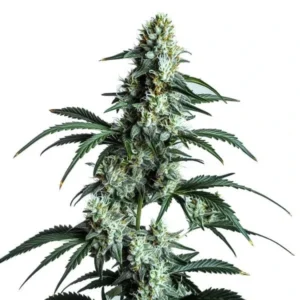
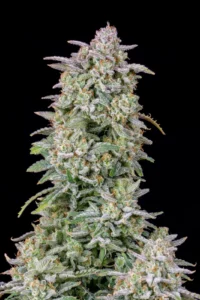
Sour Diesel

|
THC | 22% - 25% (High) |

|
Lineage | Chemdowg x Northern Lights x Skunk |

|
Type | Feminized |

|
Height | 8.2 ft | 2.5 m |

|
Yield | High |

|
Yield Indoor | 1.64 oz/ft² | 500 g/m² |

|
Yield Outdoor | 21.16 - 24.69 oz/plant | 600 - 700 g/plant |

|
Flowering Time | 8 - 10 weeks |

|
Phenotype | 30% Indica / 70% Sativa |

|
Medical | Anxiety, Depression, Pain |

|
Effects | Happy, Relaxed, Talkative |

|
Flavors | Citrus, Diesel, Earthy |
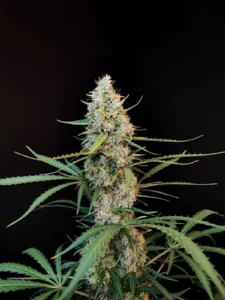
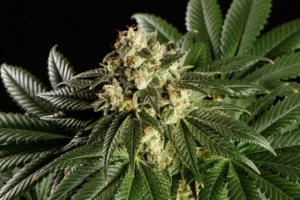
Jack Herer Auto
|
|
THC | 21% - 22% (Medium) |
|
|
Lineage | Jack Herer x Ruderalis |
|
|
Type | Autoflowering |
|
|
Height | 3.28 ft | 1 m |
|
|
Yield | High |
|
|
Yield Indoor | 1.31 - 1.64 oz/ft² | 400 - 500 g/m² |
|
|
Life Cycle | 9 weeks |
|
|
Phenotype | 35% Indica / 65% Sativa |
|
|
Effects | Energetic, Giggly, Happy |
|
|
Flavors | Earthy, Lemon, Spicy, Sweet |
The root causes of chlorosis in cannabis are often linked to imbalances or deficiencies in essential nutrients. By targeting these deficiencies, you can restore your plants to full health. Factors such as soil quality, water pH, and even the specific strain you are cultivating play a vital role in nutrient uptake. Sour Diesel, known for its high THC levels and energetic effects, might demand a different nutrient balance compared to the more forgiving Jack Herer Auto, which is known for its ease of growth and rewarding yield.
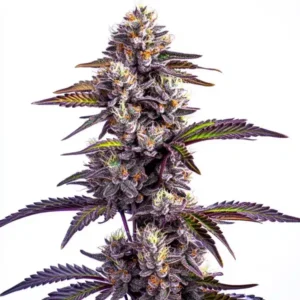
For those cultivating the vibrant Forbidden Runtz Auto, managing nutrient levels becomes crucial to achieving its full potential. This strain, with its complex flavor profile and high potency, benefits significantly from a well-balanced nutrient regimen. By tailoring your nutrient application to each specific strain, you can prevent chlorosis and ensure your plants reach their optimal growth and potency.
Key Nutrients to Combat Chlorosis in Cannabis
Addressing chlorosis effectively requires an identifying of the key nutrients that your cannabis plants need. These nutrients are essential for photosynthesis, chlorophyll production, and overall plant vitality. By ensuring that your plants receive adequate amounts of these nutrients, you can prevent and treat chlorosis effectively.
When considering the best nutrients to treat chlorosis in cannabis, it’s important to recognize the synergy between these essential elements. A holistic approach that combines nitrogen, iron, and magnesium can offer a more effective solution for chlorosis recovery. For instance, while nitrogen boosts chlorophyll production, iron enhances its effectiveness by aiding in the enzyme processes that drive photosynthesis. Magnesium, acting as a catalyst, further supports these processes, ensuring that your Sour Diesel, Jack Herer Auto, and Forbidden Runtz Auto plants not only recover from chlorosis but also thrive with vigor and resilience. This approach highlights the importance of balanced nutrient management as a cornerstone of effective chlorosis treatment and prevention.
Optimizing Soil and pH for Nutrient Uptake
The availability of nutrients is significantly influenced by soil quality and pH levels. Ensuring that your soil and pH are optimized is crucial for preventing and treating chlorosis in cannabis plants. Different strains may have specific preferences, so tailoring your approach to each strain can enhance nutrient uptake.
To truly harness the best nutrients for cannabis chlorosis treatment, one must consider the symbiotic relationship between soil composition and pH levels. A slightly acidic environment not only facilitates the uptake of critical nutrients like iron and magnesium but also supports beneficial microbial activity that can bolster plant health. For instance, while Jack Herer Auto might be more forgiving, maintaining optimal pH levels can significantly enhance its nutrient absorption, leading to lush growth and prolific flowering. Similarly, the high demands of Sour Diesel require a well-adjusted soil pH to maximize its growth potential and prevent chlorosis. By regularly testing and adjusting your growing medium, you can ensure that your plants receive the top nutrients to fix chlorosis in marijuana plants, paving the way for a bountiful harvest.
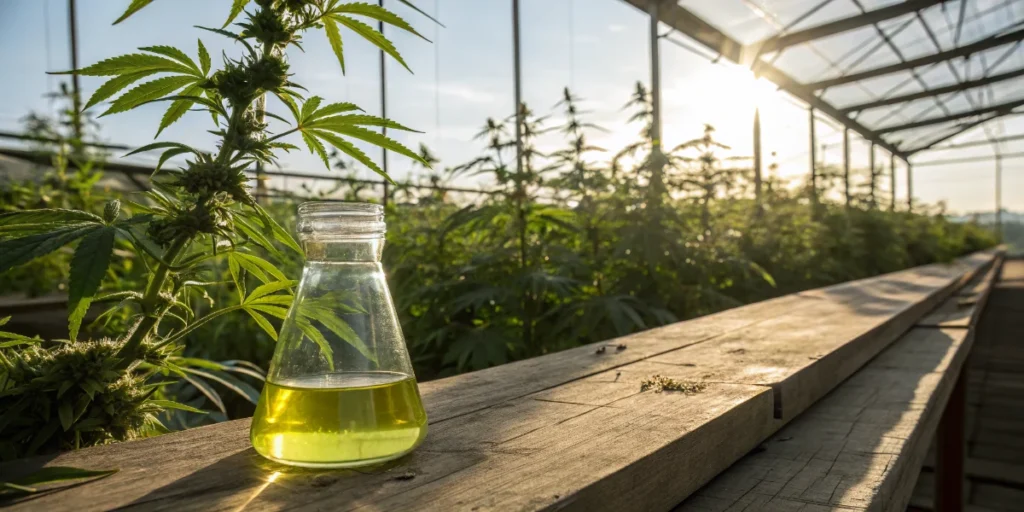
Tailored Nutrient Solutions for Specific Strains
Each cannabis strain has unique nutrient requirements, and managing these properly can help prevent chlorosis and optimize growth. By tailoring your nutrient regimen to each strain, you can ensure that your plants receive the specific nutrients they need to thrive.
When devising nutrient strategies to cure cannabis leaf chlorosis, acknowledging the distinct needs of each strain becomes paramount. For example, the energetic Sour Diesel requires a nutrient-rich regimen to support its robust growth and high THC production, emphasizing nitrogen and balanced nutrient profiles. In contrast, Jack Herer Auto, while easier to grow, benefits from a focus on iron and magnesium to enhance its flowering phase. The unique attributes of Forbidden Runtz Auto necessitate precise nutrient management to maintain its vibrant colors and complex flavors. By tailoring nutrient applications to these specific demands, you not only address chlorosis effectively but also enhance the overall quality and yield of your crops, ensuring that the essential nutrients for treating chlorosis in cannabis are delivered optimally.
Practical Tips for Preventing and Treating Chlorosis
Preventing and treating chlorosis in cannabis requires a proactive approach. By implementing these practical tips, you can maintain healthy, vibrant plants and optimize your harvest.
Incorporating a proactive approach to nutrient management can significantly mitigate the risk of chlorosis. For the best results, consider employing a routine of regular visual inspections and soil testing to catch early signs of deficiencies. This practice allows you to adjust your nutrient regimen promptly, ensuring that the effective nutrients for chlorosis recovery in cannabis are delivered when needed. Additionally, consider the watering techniques employed; a balanced irrigation strategy prevents nutrient lockout and promotes healthy root development. For strains like Jack Herer Auto and Forbidden Runtz Auto, which thrive under consistent care, this strategy is crucial in maintaining their health and maximizing yield potential. By integrating these practices into your cultivation routine, you can effectively prevent and treat chlorosis while ensuring your cannabis plants flourish.
FAQ
What are the best nutrients to treat chlorosis in cannabis?
The best nutrients to treat chlorosis in cannabis include nitrogen, iron, and magnesium. These nutrients play a crucial role in chlorophyll production and overall plant health. Ensuring that your plants receive adequate amounts of these nutrients can help prevent and treat chlorosis. Using a balanced fertilizer specifically formulated for cannabis can support healthy growth and vibrant foliage.
How can I prevent chlorosis in cannabis plants?
Preventing chlorosis in cannabis plants involves regular monitoring and adjustments to your nutrient regimen. Ensure that your soil is nutrient-rich and well-aerated, with a slightly acidic pH. Regularly test soil pH and nutrient levels, and make adjustments as needed to prevent deficiencies. Tailor your nutrient application to each specific strain, such as Sour Diesel, Jack Herer Auto, or Forbidden Runtz Auto, to optimize growth and prevent chlorosis.
Can overwatering cause chlorosis in cannabis?
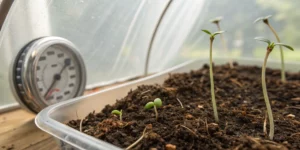
Yes, overwatering can contribute to chlorosis in cannabis plants by leading to nutrient imbalances and root issues. Waterlogged soil can impede nutrient uptake, resulting in deficiencies that cause yellowing leaves. To prevent overwatering, use a moisture meter to monitor soil moisture levels and adjust your watering schedule accordingly. Ensure that your plants receive adequate water without saturating the soil to promote healthy growth.
Is pH important for nutrient uptake in cannabis?
Yes, pH plays a critical role in nutrient uptake for cannabis plants. The pH level affects the solubility and availability of nutrients in the soil. Cannabis plants generally prefer a slightly acidic pH, ranging from 6.0 to 7.0 in soil and 5.5 to 6.5 in hydroponic systems. Regularly test your soil pH and make adjustments as needed using pH up or down solutions to ensure optimal nutrient uptake and prevent chlorosis.
How do specific cannabis strains affect nutrient needs?
Specific cannabis strains have unique nutrient requirements, which can affect their susceptibility to chlorosis. For example, Sour Diesel requires a nutrient-rich environment to support its high yield and potent effects. Jack Herer Auto is more forgiving but still benefits from balanced nutrient levels to ensure abundant flowering. Forbidden Runtz Auto requires careful nutrient management to achieve its vibrant colors and complex flavors. Tailoring your nutrient regimen to each strain can help prevent chlorosis and optimize growth.