
When it comes to cultivating cannabis, there’s nothing more disheartening than noticing the vibrant green leaves of your plants turning yellow. While environmental factors like nutrient deficiencies and water stress are often the usual suspects, genetic factors in cannabis leaf yellowing can also play a significant role. Recognizing these genetic influences can help growers make informed decisions and choose the right strains for their specific needs.
Chlorosis is far easier to beat once you understand what is really behind it. For more, see our companion articles on best Watering Practices to Avoid Leaf Chlorosis and is Chlorosis Reversible in Cannabis Plants, which cover prevention, treatment and recovery so you can keep foliage green, healthy and photosynthesising at full capacity throughout the entire grow.
Recommended Strains
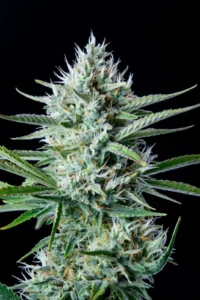
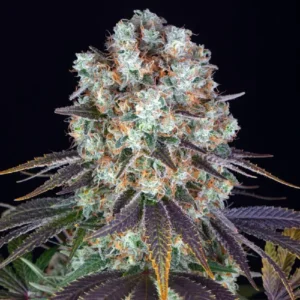
White Widow Auto

|
THC | 20% - 21% (Medium) |

|
Lineage | White Widow x Ruderalis |

|
Type | Autoflowering |

|
Height | 3.94 ft | 1.2 m |

|
Yield | High |

|
Yield Indoor | 1.31 - 1.64 oz/ft² | 400 - 500 g/m² |

|
Life Cycle | 9 weeks |

|
Phenotype | 70% Indica / 30% Sativa |

|
Effects | Focused, Relaxed |

|
Flavors | Musk, Spicy, Earthy, Sweet |
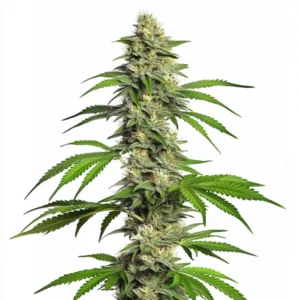
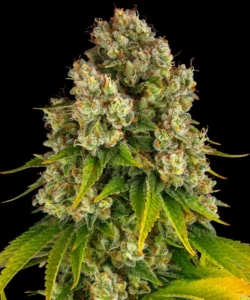
Girl Scout Cookies Auto
|
|
THC | 20% - 22% (Medium) |
|
|
Lineage | Girl Scout Cookies x Secret Rudelaris |
|
|
Type | Autoflowering |
|
|
Height | 3.28 ft | 1 m |
|
|
Yield | High |
|
|
Yield Indoor | 1.64 - 1.97 oz/ft² | 500 - 600 g/m² |

|
Yield Outdoor | 22.93 - 26.46 oz/plant | 650 - 750 g/plant |
|
|
Life Cycle | 8 - 10 weeks |
|
|
Phenotype | 60% Indica / 40% Sativa |

|
Medical | Fatigue, Muscle Spasms, Stress |
|
|
Effects | Happy, Relaxed, Talkative |
|
|
Flavors | Earthy, Sweet |
Genetic causes of yellowing cannabis leaves can often be traced back to the plant’s lineage. Certain strains have inherent genetic predispositions that make them more susceptible to leaf discoloration. It’s crucial for both new and experienced growers to recognize these hereditary yellowing in cannabis foliage to avoid unnecessary panic and implement appropriate care strategies.
Among the strains offered by Growlantis, White Widow Auto, Girl Scout Cookies Auto, and Bruce Banner are noteworthy for their unique genetic traits. Each of these strains has distinct characteristics that can influence the propensity for leaf yellowing, showcasing the genetic traits affecting cannabis leaf color. By recognizing these genetic predispositions, growers can optimize their cultivation practices and ensure healthier, more vibrant plants.
Recognizing Genetic Predisposition to Leaf Yellowing
Genetic predisposition to cannabis leaf yellowing can sometimes be overlooked by growers who focus primarily on environmental conditions. However, certain strains are genetically inclined to exhibit leaf discoloration under specific circumstances. Recognizing these genetic factors can aid in tailoring your growing techniques to minimize yellowing and maintain plant health.
To further understand genetic predisposition, it’s important to consider how these genetic factors interact with environmental influences. For example, White Widow Auto may respond differently to temperature fluctuations compared to Girl Scout Cookies Auto or Bruce Banner due to its unique genetic makeup. This means that while environmental conditions are crucial, acknowledging and adapting to genetic predisposition offers a more holistic approach to managing yellowing. By integrating genetic insights with environmental controls, growers can significantly improve their plants’ resilience and overall health.
Hereditary Yellowing in Cannabis Foliage
Hereditary yellowing in cannabis foliage is often linked to the plant’s genes, which dictate how it responds to various environmental stressors. Some strains may have a natural tendency to show yellowing more prominently due to their genetic background. This doesn’t necessarily mean the plant is unhealthy, but rather that it requires tailored care.
For instance, White Widow Auto from Growlantis is known for its resilience and adaptability. However, its genetic makeup may cause it to display leaf yellowing when exposed to particular nutrient imbalances. Recognizing this trait allows growers to adjust nutrient levels proactively, minimizing discoloration.
Genetic Traits Affecting Cannabis Leaf Color
The genetic traits affecting cannabis leaf color can vary widely between strains, influencing how they react to the same conditions. Some strains naturally have lighter green foliage, which might appear yellowish compared to darker green varieties. This is a normal genetic characteristic rather than a deficiency.
Girl Scout Cookies Auto, another popular strain from Growlantis, possesses a complex genetic profile that includes a mix of sativa and indica characteristics. This genetic diversity can sometimes result in leaves showing yellow hues, especially during flowering stages. Recognizing this as part of its genetic expression can alleviate concerns about plant health.
Environmental vs. Genetic Influences
While genetic influences play a crucial role, environmental factors should not be disregarded. Differentiating between environmental and genetic causes of yellowing cannabis leaves is essential for implementing the right interventions and ensuring optimal plant growth.
Environmental conditions can exacerbate or mitigate genetic predispositions in cannabis plants. For instance, Bruce Banner might thrive in well-ventilated spaces with optimal humidity levels, which can help reduce the visibility of its genetic leaf discoloration. Conversely, poor environmental conditions might amplify the genetic factors in cannabis leaf yellowing, leading to more pronounced discoloration. Recognizing this interaction helps growers create conditions that complement each strain’s genetic makeup, reducing stress and promoting lush growth.
Environmental Stressors and Genetic Response
Plants respond to environmental stressors based on their genetic coding. Certain strains may be more tolerant of specific stressors due to their genetic heritage. For example, Bruce Banner from Growlantis is renowned for its robust growth and high THC content. Its genetics make it more resilient to environmental stress, but the same traits might cause it to display leaf yellowing when underfed, as it has a high nutrient demand.
recognizing how a strain’s genetics influence its response to stressors can guide growers in creating the ideal growing conditions. Adjusting factors like light, water, and nutrient supply based on the plant’s genetic predisposition can significantly reduce the occurrence of yellowing leaves.
Distinguishing Genetic from Nutrient Deficiencies
Nutrient deficiencies are often mistaken for genetic leaf yellowing. It’s crucial to differentiate between the two to apply the correct remedy. Genetic leaf discoloration tends to be uniform and consistent, whereas nutrient deficiencies often present with patchy or uneven yellowing.
For growers cultivating strains like White Widow Auto, observing the pattern of leaf yellowing can provide clues. If yellowing is uniform across the plant and occurs despite optimal nutrient levels, it’s likely a genetic trait. Conversely, patchy yellowing often signals a nutrient issue that needs addressing.
Practical Tips for Managing Genetic Leaf Yellowing
Managing genetic leaf yellowing involves a combination of recognizing your plant’s genetics and implementing practical growing techniques. By tailoring your approach to suit the genetic makeup of your chosen strain, you can reduce the impact of genetic predisposition on leaf color.
A proactive approach to managing genetic factors in cannabis leaf yellowing involves regular monitoring and documentation of plant responses. By keeping a detailed log of environmental conditions and nutrient regimes, growers can identify patterns related to genetic causes of yellowing cannabis leaves. This recognizing allows for timely adjustments and more informed decisions, ultimately leading to healthier plants. For example, if Girl Scout Cookies Auto shows signs of hereditary yellowing in cannabis foliage, a grower can adjust watering practices or nutrient levels accordingly, ensuring that the plant’s genetic needs are met without overcompensating.
Choosing the Right Strain
Choosing the right strain is paramount in managing genetic leaf yellowing. Opt for strains that align with your growing conditions and experience level. For novice growers, strains like Girl Scout Cookies Auto are ideal due to their balanced genetic profile and moderate growing difficulty.
Experienced growers might prefer Bruce Banner for its potent effects and high yielding potential. While it may require more attention to nutrient levels to prevent yellowing, its robust genetics make it a rewarding choice for those seeking a challenge.
Optimizing Growing Conditions
Optimizing growing conditions is critical in mitigating genetic leaf yellowing. Ensure your plants receive the right amount of light, water, and nutrients, tailored to their genetic needs. Regular monitoring and adjustments can prevent environmental factors from exacerbating genetic predispositions.
For instance, White Widow Auto thrives in well-balanced environments with consistent light cycles. By ensuring stable growing conditions, you can minimize the potential for genetic yellowing and promote lush, green foliage.
Leveraging Genetic Knowledge in Cultivation
Leveraging knowledge about genetic predisposition to cannabis leaf yellowing can transform your cultivation practices. Recognizing the genetic influences at play allows for more informed decisions, ultimately leading to healthier, more vibrant plants.
Incorporating genetic knowledge into cultivation not only enhances plant health but also improves overall yield and quality. By recognizing the genetic traits affecting cannabis leaf color, growers can select strains that align with their cultivation goals. For example, Bruce Banner’s genetic resilience makes it an excellent choice for those seeking high potency and robust growth, while White Widow Auto offers a balance of adaptability and yield. By aligning strain selection with genetic insights, growers can achieve more predictable and desirable outcomes, reducing the impact of genetic leaf discoloration.
Incorporating Genetic Insights into Breeding
Incorporating genetic insights into breeding can help in developing strains with reduced susceptibility to leaf yellowing. By selecting parent plants with desirable genetic traits, breeders can cultivate new varieties that maintain vibrant foliage even under stress.
Growlantis is at the forefront of utilizing genetic knowledge to enhance strain development. By focusing on strains like Bruce Banner, which combines robust growth with high THC levels, breeders can create new varieties that balance potency with resilience.
Future of Genetic Research in Cannabis Cultivation
The future of genetic research in cannabis cultivation holds promise for minimizing leaf yellowing and optimizing plant health. As scientific knowledge of cannabis genetics deepens, breeders and growers can develop strains with tailored resistance to genetic leaf discoloration.
Ongoing research at Growlantis aims to unlock the potential of genetics in improving cultivation outcomes. By integrating advanced genetic techniques into breeding programs, the next generation of cannabis strains promises to combine vigor, yield, and aesthetic appeal.
Frequently Asked Questions
What are the primary genetic causes of yellowing cannabis leaves?
The primary genetic causes of yellowing cannabis leaves include the plant’s inherent susceptibility to certain stressors and its natural leaf coloration. Some strains, due to their genetic lineage, might naturally exhibit lighter green or yellowish hues, especially under specific environmental conditions. Recognizing these genetic traits is crucial for growers, as it helps differentiate between normal genetic expression and potential issues requiring intervention.
How can I differentiate between genetic and nutrient-related leaf yellowing?
Differentiating between genetic and nutrient-related leaf yellowing involves observing the pattern and consistency of the discoloration. Genetic yellowing tends to be uniform across the plant, whereas nutrient deficiencies often result in uneven or patchy yellowing. Conducting a soil test or adjusting nutrient levels can help determine if the yellowing is due to a deficiency. If the yellowing persists despite these adjustments, it is likely genetic.
Are there specific strains less prone to genetic leaf yellowing?
Yes, some strains are less prone to genetic leaf yellowing due to their robust genetic makeup. For instance, Bruce Banner from Growlantis is known for its resilience and ability to withstand environmental stressors, making it less susceptible to yellowing. However, all strains have unique characteristics, and recognizing each one’s genetic predisposition can help in selecting the right strain for your growing conditions.
Can environmental adjustments minimize genetic leaf yellowing?
Environmental adjustments can play a significant role in minimizing genetic leaf yellowing. By optimizing factors like light, water, and nutrient supply to suit the specific genetic needs of your cannabis strain, you can reduce the impact of genetic predispositions. Regular monitoring and adjustments based on the plant’s response are essential for maintaining healthy, green foliage.
How does Growlantis utilize genetic knowledge in their strains?
Growlantis utilizes genetic knowledge to develop strains that balance potency, yield, and resilience. By recognizing the genetic factors influencing leaf color, they can breed strains like White Widow Auto and Girl Scout Cookies Auto that offer desirable traits while minimizing susceptibility to yellowing. Their focus on genetic research ensures that growers have access to strains optimized for a variety of growing conditions.