

Chlorosis in cannabis plants can be a daunting challenge for growers, especially when it’s your first time encountering it. This condition, characterized by yellowing leaves, can significantly impact plant health and yield. The good news is that with the right approach, chlorosis is often reversible. Recognizing the causes and implementing effective solutions can bring your plants back to their vibrant green selves.
Chlorosis is far easier to beat once you understand what is really behind it. For more, see our companion articles on best Nutrients to Treat Chlorosis in Cannabis and combat Chlorosis in Cannabis Seedlings, which cover prevention, treatment and recovery so you can keep foliage green, healthy and photosynthesising at full capacity throughout the entire grow.
Recommended Strains
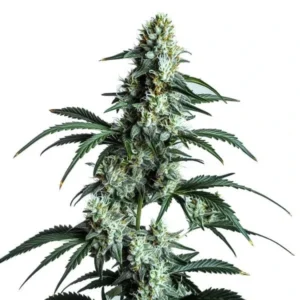
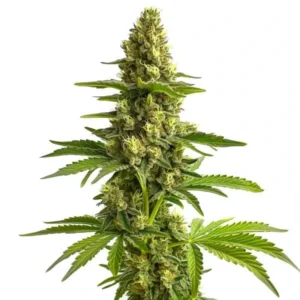
Sour Diesel

|
THC | 22% - 25% (High) |

|
Lineage | Chemdowg x Northern Lights x Skunk |

|
Type | Feminized |

|
Height | 8.2 ft | 2.5 m |

|
Yield | High |

|
Yield Indoor | 1.64 oz/ft² | 500 g/m² |

|
Yield Outdoor | 21.16 - 24.69 oz/plant | 600 - 700 g/plant |

|
Flowering Time | 8 - 10 weeks |

|
Phenotype | 30% Indica / 70% Sativa |

|
Medical | Anxiety, Depression, Pain |

|
Effects | Happy, Relaxed, Talkative |

|
Flavors | Citrus, Diesel, Earthy |
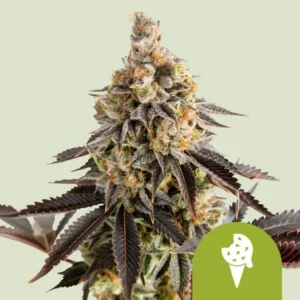
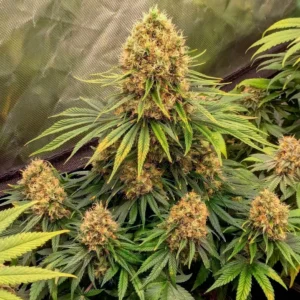
Cookies Gelato Auto
|
|
THC | 23% - 24% (High) |
|
|
Lineage | Cookies Gelato x Big Skunk Auto |
|
|
Type | Autoflowering |
|
|
Height | 4.1 ft | 1.25 m |
|
|
Yield | High |
|
|
Yield Indoor | 1.47 - 1.64 oz/ft² | 450 - 500 g/m² |
|
|
Yield Outdoor | 3.17 - 4.94 oz/plant | 90 - 140 g/plant |
|
|
Life Cycle | 10 - 12 weeks |
|
|
Phenotype | 75% Indica / 20% Sativa / 5% Ruderalis |
|
|
Effects | Balanced, Creative |
|
|
Flavors | Cookie, Earthy, Fruity, Honey |
For both novice and seasoned cannabis enthusiasts, knowing how to tackle chlorosis is crucial. Strains like Sour Diesel, Cookies Gelato Auto, and Bruce Banner 3 from Growlantis are popular choices for their unique characteristics, but even these resilient plants can suffer if chlorosis sets in. Let’s dive into how you can address and prevent this issue in your cannabis garden.
Identifying Chlorosis in Cannabis Plants
Before you can reverse chlorosis, you need to identify it accurately. Chlorosis manifests as yellowing in the leaves, starting from the tips and moving towards the stem. This condition often signals nutrient deficiencies, which can impede photosynthesis and, consequently, plant growth. It’s essential to catch these signs early to mitigate damage.
Identifying chlorosis early on can be the difference between a healthy harvest and a disappointing yield. For strains like Bruce Banner 3, known for its robust growth and high THC levels, early diagnosis can help maintain its superior quality. Observing the leaves during different growth stages and noting any changes in color or texture can provide critical insights. With the right intervention, answering the question of is chlorosis reversible in cannabis plants becomes a straightforward process, ensuring your plants bounce back to their full potential.
Common Causes of Chlorosis
Nutrient deficiencies are a primary cause of chlorosis in cannabis plants. Nitrogen, iron, and magnesium are crucial nutrients for maintaining the green color of leaves. A lack of these can lead to chlorosis. Overwatering is another culprit, as it can lead to root suffocation and poor nutrient uptake.
Environmental stressors like improper pH levels and temperature fluctuations can also contribute to chlorosis. Each strain, including Sour Diesel, Cookies Gelato Auto, and Bruce Banner 3, might respond differently to these stressors, making it important to understand the specific needs of your chosen variety.
Symptoms to Watch For
Yellowing leaves are the primary symptom of chlorosis, but other signs can include stunted growth and leaf curling. In severe cases, leaves may begin to fall off. For instance, Sour Diesel, known for its tall growth and pungent aroma, might show stunted growth if chlorosis isn’t addressed promptly.
Pay close attention to the leaf color and texture. If you notice yellowing primarily on the lower leaves, it might indicate a nitrogen deficiency. Conversely, if new growth is yellowing, the issue could be an iron deficiency. Recognizing these patterns can help you apply the correct treatment.
Chlorosis Treatment for Cannabis Plants
Once you’ve identified chlorosis, the next step is treatment. Addressing chlorosis involves correcting nutrient deficiencies and ensuring the plant environment is optimal. With strains like Cookies Gelato Auto, known for its autoflowering properties and high THC content, maintaining healthy growth conditions is vital for maximum yield.
To effectively implement chlorosis treatment for cannabis plants, consider integrating organic fertilizers that provide a balanced nutrient profile. This approach can be particularly beneficial for restoring the vibrant green color in strains like Sour Diesel, which thrives on a rich nutrient base. Additionally, employing foliar feeding techniques can deliver nutrients directly to the leaves, speeding up the reversal process. By combining these methods with regular monitoring, you can ensure that the question of is chlorosis reversible in cannabis plants is answered with a resounding yes.
Adjusting Nutrient Levels
Start by testing your soil or growth medium for nutrient levels. If a deficiency is detected, adjust your nutrient solution accordingly. Products specifically designed for cannabis cultivation can help balance nutrient levels. For example, a nitrogen-rich solution can help reverse nitrogen deficiency, while chelated iron supplements address iron deficiency.
Consider the specific needs of your strain. For instance, Bruce Banner 3 is prized for its high THC levels and balanced growth. Ensuring it receives the right nutrients will support its robust development and potent yield.
Optimizing Environmental Conditions
Environmental factors play a significant role in plant health. Ensure your cannabis plants are receiving adequate light, which is crucial for photosynthesis. Adjust the pH of your growing medium to between 6.0 and 7.0 for soil and 5.5 to 6.5 for hydroponics to improve nutrient uptake.
Temperature and humidity should also be monitored closely. Cannabis plants thrive in temperatures between 68°F and 77°F. Strains like Cookies Gelato Auto, with its quick flowering time, can be particularly sensitive to temperature swings, so maintaining a stable environment is key.
Reversing Chlorosis in Marijuana Cultivation
Reversing chlorosis requires a combination of immediate intervention and long-term care strategies. Consistency is essential. Regular monitoring and adjustments can help prevent the recurrence of chlorosis, ensuring healthy plant growth.
In reversing chlorosis in marijuana cultivation, it’s crucial to adopt a holistic approach that includes regular soil and water assessments. This ensures that strains like Bruce Banner 3 are not only recovering but also thriving in their environment. By utilizing natural pest control methods, you can prevent secondary issues that might arise from weakened plants. Incorporating these practices into your routine will not only help in curing chlorosis in cannabis leaves but also enhance overall plant resilience.
Implementing a Regular Care Routine
Establish a care routine that includes regular observation of your plants. Check for signs of nutrient deficiencies, pests, and environmental stress every few days. This proactive approach helps catch problems early, allowing for timely interventions.
For strains like Sour Diesel, known for its energetic and uplifting effects, maintaining a routine ensures you get the most out of its vigorous growth and high yield. Regular care promotes not just the reversal of chlorosis but overall plant vitality.
Long-Term Prevention Strategies
Prevention is always better than cure. To keep chlorosis at bay, maintain a balanced nutrient regimen tailored to your strain’s needs. Rotate between nutrient-rich feedings and waterings to prevent buildup of salts in the soil.
Consider the specific characteristics of Bruce Banner 3, which prefers a slightly acidic environment for optimal growth. Adjusting your care strategy to accommodate such preferences can make all the difference in preventing chlorosis.

Preventing Chlorosis in Marijuana Plants
Preventing chlorosis involves analyzing your plants’ needs and creating an optimal growing environment. This proactive approach not only keeps your plants healthy but also enhances their growth and yield potential.
To effectively prevent chlorosis in marijuana plants, implementing a comprehensive nutrient management plan is crucial. This is especially true for strains like Cookies Gelato Auto, where consistent nutrient intake is vital due to their autoflowering nature. Keeping a detailed log of feeding schedules and environmental conditions can help identify patterns that may lead to chlorosis. By addressing potential issues before they arise, you ensure that the question is chlorosis reversible in cannabis plants is one you rarely need to ask.
Choosing the Right Strain
The choice of strain can influence how susceptible your plants are to chlorosis. Sour Diesel, with its resilience and adaptability, might require less intensive care compared to more delicate strains. However, even hardy strains benefit from preventive measures.
Cookies Gelato Auto’s autoflowering nature makes it less dependent on light cycles, reducing the stress on growers and the plants themselves. This can inherently reduce the risk of chlorosis, provided other conditions are met.
Maintaining Soil Health
Healthy soil is the foundation of a thriving cannabis plant. Regularly test soil pH and nutrient levels to ensure they are within the optimal range. Rotate soil with organic matter to improve its structure and nutrient content.
For Bruce Banner 3, which can produce impressive yields, maintaining soil health is crucial to support its vigorous growth. Implementing a soil health management plan can prevent chlorosis and other nutrient-related issues.
Monitoring Plant Health
Regular monitoring is crucial for early detection of chlorosis. Utilize tools like soil pH meters and nutrient test kits to keep track of your plant’s environment. Visual inspections are equally important; look for changes in leaf color and texture.
Quick action based on these observations can prevent minor issues from escalating. For example, a slight yellowing in Cookies Gelato Auto can be addressed before it impacts the entire plant, ensuring consistent growth and flower production.

FAQ
What causes chlorosis in cannabis plants?
Chlorosis in cannabis plants is primarily caused by nutrient deficiencies, particularly of nitrogen, iron, and magnesium. These nutrients are essential for chlorophyll production, which gives leaves their green color. Environmental factors like improper pH levels and overwatering can also contribute to chlorosis.
Strains like Sour Diesel, Cookies Gelato Auto, and Bruce Banner 3 from Growlantis may exhibit different susceptibilities based on their unique characteristics. Identifying the specific cause is crucial for effective treatment.
How can I treat chlorosis in my cannabis plants?
Treating chlorosis involves addressing the underlying nutrient deficiencies and optimizing growing conditions. Start by testing the soil or growth medium for nutrient levels and adjust your feeding regimen accordingly. Ensuring proper pH and environmental conditions can also help reverse chlorosis.
For example, Bruce Banner 3 requires a balanced nutrient profile and slightly acidic soil to thrive. Tailoring your care strategy to your specific strain’s needs can facilitate recovery and prevent future occurrences.
Is chlorosis reversible in cannabis plants?
Yes, chlorosis is often reversible in cannabis plants with the right intervention. Promptly identifying the symptoms and addressing the root cause, such as nutrient deficiencies or environmental stressors, can restore your plants to health. Consistent care and monitoring are key to reversing chlorosis effectively.
For instance, strains like Cookies Gelato Auto, with their autoflowering properties, can bounce back quickly when given the proper attention and care, resulting in a successful harvest.
Can chlorosis affect the yield of cannabis plants?
Chlorosis can significantly impact the yield of cannabis plants if left untreated. Yellowing leaves hinder photosynthesis, reducing the plant’s ability to produce energy and grow effectively. This can lead to stunted growth and diminished yields.
Ensuring strains like Sour Diesel and Bruce Banner 3 receive adequate nutrients and optimal growing conditions is vital to maximize their yield potential. Early intervention can prevent yield loss and ensure robust plant development.
What are some preventive measures for chlorosis in marijuana cultivation?
Preventing chlorosis involves maintaining a balanced nutrient regimen and optimal growing conditions. Regularly test soil pH and nutrient levels, and adjust your care strategy based on your plant’s specific needs. Implement a consistent monitoring routine to catch early signs of deficiencies or environmental stress.
Choosing resilient strains like Sour Diesel and Cookies Gelato Auto can also reduce the likelihood of chlorosis. These strains have characteristics that make them more adaptable to varying conditions, decreasing the risk of nutrient-related issues