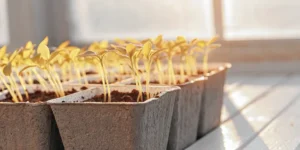
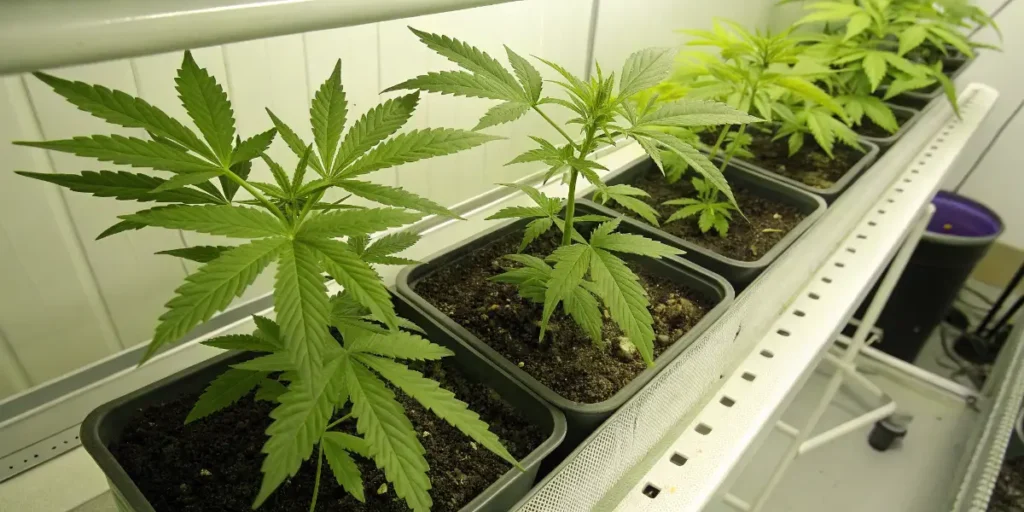

Chlorosis in cannabis seedlings can be a daunting challenge for both new and seasoned growers. This condition, which results in the yellowing of leaves, can significantly affect the growth and health of your cannabis plants. Identifying and treating chlorosis early is crucial to ensure your seedlings mature into robust plants. Identifying the causes and remedies for chlorosis can make all the difference in cultivating a successful cannabis crop.
Yellowing leaves have many causes, so accurate diagnosis matters before you reach for a fix. Our related guides on genetic Factors in Cannabis Leaf Yellowing and best Watering Practices to Avoid Leaf Chlorosis walk through the most common triggers, how to tell them apart and the watering, feeding and genetic factors that decide whether chlorosis sets in or clears up.
Recommended Strains
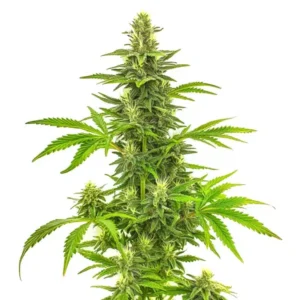
Bruce Banner Fast Blooming

|
THC | 19% - 23% (Medium) |

|
Lineage | Bruce Banner #3 x Secret Hybrid |

|
Type | Fast Flowering |

|
Height | 4.92 ft | 1.5 m |

|
Yield | High |

|
Yield Indoor | 1.31 - 1.64 oz/ft² | 400 - 500 g/m² |

|
Yield Outdoor | 21.16 - 24.69 oz/plant | 600 - 700 g/plant |

|
Flowering Time | 8 - 10 weeks |

|
Phenotype | 50% Indica / 50% Sativa |

|
Medical | Depression, Insomnia, Muscle Spasms |

|
Effects | Happy, Relaxed, Talkative |

|
Flavors | Diesel, Earthy, Sweet |
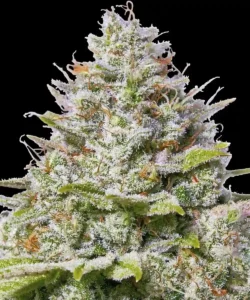
Blue Gelato 41
|
|
THC | 26% - 27% (High) |
|
|
Lineage | Blueberry x Thin Mint Girl Scout Cookies x Sunset Sherbert |
|
|
Type | Feminized |
|
|
Height | 13.12 ft | 4 m |
|
|
Yield Outdoor | 88.19 - 105.82 oz/plant | 2500 - 3000 g/plant |
|
|
Flowering Time | 9 - 10 weeks |
|
|
Phenotype | 60% Indica / 40% Sativa |
|
|
Effects | Focused, Energetic, Creative |
|
|
Flavors | Sweet, Earthy, Citrus |
Chlorosis often signifies a nutrient deficiency, a problem that can stifle the growth of your cannabis seedlings. For strains like Bruce Banner Fast Blooming, known for its rapid flowering time and high THC levels, nutrient balance is particularly crucial. Ensuring the right mix of nutrients can help avoid chlorosis and promote vigorous growth. This guide will walk you through the causes, treatment, and prevention strategies, including practical tips tailored for different strains like Blue Gelato 41 and Cookies Gelato.
Acting swiftly when you notice the first signs of chlorosis can prevent further damage. Whether you are growing cannabis for personal use or commercial purposes, maintaining the health of your seedlings is paramount. The following sections will delve deeper into how you can effectively manage and prevent chlorosis in cannabis seedlings, ensuring a thriving cannabis garden.
From recognizing the symptoms to implementing effective solutions, this guide equips you with the knowledge to tackle chlorosis head-on. Let’s examine the actionable steps you can take to protect your cannabis seedlings from this common yet manageable issue.
Causes of Chlorosis in Cannabis Seedlings
Chlorosis in cannabis seedlings is primarily caused by nutrient deficiencies, particularly a lack of essential elements like nitrogen, iron, and magnesium. Each of these nutrients plays a vital role in the plant’s ability to produce chlorophyll, the pigment responsible for the green color in leaves. A deficiency in any of these nutrients can lead to the yellowing of leaves, a clear indication of chlorosis.
Another common cause of chlorosis is improper pH levels in the growing medium. Cannabis plants require a specific pH range to absorb nutrients efficiently. For instance, the strain Blue Gelato 41, known for its balanced THC and CBD levels and medium growth difficulty, thrives in a pH range of 6.0 to 6.5. Deviating from this range can hinder nutrient uptake, leading to chlorosis.
Overwatering can also contribute to chlorosis in cannabis seedlings. Excess water can suffocate the roots, preventing them from absorbing nutrients effectively. This is particularly crucial for strains like Cookies Gelato, which require careful watering to reach their full potential in terms of yield and potency.
Environmental factors such as light intensity and temperature can also influence the development of chlorosis in cannabis seedlings. For example, inadequate light can impede photosynthesis, exacerbating nutrient deficiency chlorosis cannabis seedlings. Similarly, extreme temperatures can stress the plants, reducing their ability to absorb nutrients. Ensuring optimal growing conditions, along with the right nutrient and pH balance, is vital for preventing chlorosis and fostering healthy plant development.
Nutrient Deficiencies
Nutrient deficiencies are a leading cause of chlorosis in cannabis seedlings. Each nutrient serves a specific purpose, and a deficiency can disrupt the plant’s growth process. For example, nitrogen is essential for leaf growth and chlorophyll production. When lacking, you may notice yellowing that starts from the older leaves.
Iron deficiencies often show as chlorosis in the newest leaves, as iron is crucial for photosynthesis and energy transfer. Similarly, magnesium is vital for chlorophyll production, and its deficiency can cause interveinal chlorosis, where the leaf veins remain green while the areas between turn yellow.
Addressing these deficiencies requires a careful assessment of your nutrient feeding schedule and possibly supplementing with a balanced fertilizer that meets the specific needs of your cannabis strains.
pH Levels
The pH level of your growing medium can significantly impact nutrient uptake. Cannabis seedlings require a slightly acidic environment to flourish. A pH that’s too high or too low can lock out essential nutrients, leading to chlorosis. Monitoring and adjusting the pH is a critical step in preventing this issue.
For instance, Bruce Banner Fast Blooming, known for its rapid flowering and impressive yields, performs best when the pH is maintained within the optimal range. Regular pH testing and adjustments using pH up or down solutions can help maintain the right environment for your seedlings.
Ensuring that your growing medium remains within the correct pH range is a simple yet effective way to prevent chlorosis and promote healthy growth in cannabis seedlings.
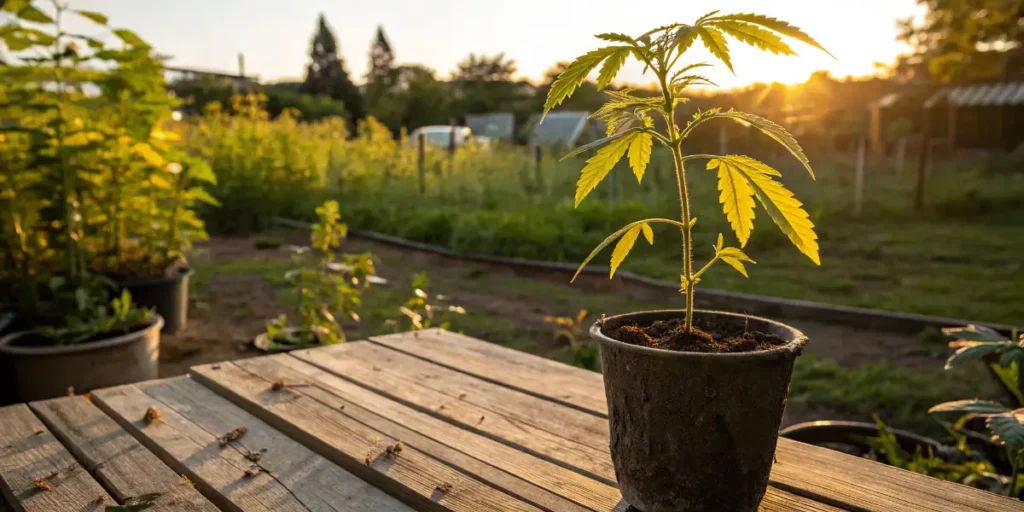
Chlorosis in Cannabis Seedlings Treatment
Treating chlorosis in cannabis seedlings requires a targeted approach based on the underlying cause. Once you’ve identified whether nutrient deficiencies, pH imbalances, or watering issues are to blame, you can take steps to rectify the problem and restore your seedlings to health.
For nutrient deficiencies, supplementing your growing medium with a balanced fertilizer can help. Products designed specifically for cannabis cultivation often contain the necessary levels of nitrogen, iron, and magnesium. Adjusting your feeding schedule to align with the specific needs of your cannabis seedlings can also be beneficial.
Addressing pH imbalances involves regular monitoring and adjustments. Using digital pH meters can provide accurate readings, allowing you to make necessary corrections quickly. For strains like Blue Gelato 41, maintaining the correct pH range can enhance nutrient uptake and overall plant health.
Alongside addressing nutrient and pH issues, ensuring proper airflow and humidity can also aid in fixing chlorosis in cannabis seedlings. Good air circulation helps prevent moisture buildup around the roots, which can further aggravate chlorosis. Using fans or adjusting your grow space can enhance airflow, creating a more conducive environment for recovery. Balancing humidity levels can also assist in preventing additional stress on the seedlings, supporting quicker and more effective chlorosis treatment.
Nutrient Supplements
When addressing nutrient deficiencies, choosing the right supplements is critical. Opt for fertilizers that provide a balanced mix of nitrogen, phosphorus, and potassium (NPK), along with trace elements like iron and magnesium. These supplements can help correct deficiencies and promote vigorous growth.
For instance, Bruce Banner Fast Blooming, with its high THC levels and quick flowering time, benefits from a well-rounded nutrient profile that supports its rapid growth. Implementing a regular feeding schedule with the right supplements can help avoid nutrient-related chlorosis.
Timing is also important. Applying supplements during the early morning or late afternoon can reduce the risk of nutrient burn and improve absorption, ensuring your seedlings get the most benefit from the additional nutrients.
pH Adjustment Techniques
Maintaining the correct pH level is crucial for preventing chlorosis in cannabis seedlings. Start by testing your growing medium with a reliable pH meter. If adjustments are needed, use pH up or down solutions to bring the levels back into the optimal range.
For strains like Blue Gelato 41, which require precise pH management, regular testing and adjustments can make a significant difference. Consider using buffered nutrients, which can help stabilize pH levels and reduce fluctuations that might lead to nutrient lockout.
Effective pH management not only prevents chlorosis but also enhances the overall health and yield of your cannabis plants, ensuring a successful growing experience.
Preventing Chlorosis in Cannabis Seedlings
Prevention is always better than cure, and when it comes to chlorosis in cannabis seedlings, taking proactive measures can save you time and effort in the long run. Implementing a thorough care routine that includes proper nutrient management, pH monitoring, and watering practices can help keep chlorosis at bay.
Starting with high-quality seeds from reputable sources like Growlantis ensures that you have a strong foundation. Strains such as Cookies Gelato, known for its high potency and yield, benefit from careful attention to detail during the seedling stage.
Regularly inspecting your cannabis seedlings for early signs of chlorosis can help catch problems before they escalate. By maintaining a consistent schedule of care and monitoring, you can create an environment where your cannabis plants thrive.
Alongside regular monitoring, adopting integrated pest and disease management practices can also aid in preventing chlorosis in cannabis seedlings. Pests and pathogens can exacerbate stress on plants, making them more susceptible to nutrient deficiencies and chlorosis. Implementing natural pest deterrents and maintaining cleanliness in your grow area can reduce these risks. By combining these preventative strategies, you can ensure a robust defense against chlorosis, fostering healthier and more resilient cannabis plants.
Regular Monitoring
Regular monitoring of your cannabis seedlings is crucial for early detection and prevention of chlorosis. Keep a close eye on the color and texture of the leaves, as any changes can indicate underlying issues. Early detection allows for timely intervention, reducing the risk of long-term damage to your plants.
For strains like Bruce Banner Fast Blooming, which develops quickly, frequent checks are particularly important. Inspect the leaves for any signs of yellowing and adjust your care routine as needed to maintain optimal health.
Utilizing technology such as digital pH meters and moisture sensors can aid in consistent monitoring, providing you with valuable data to inform your growing decisions.
Educational Resources
Investing in educational resources can equip you with the knowledge needed to prevent and address chlorosis. Books, online courses, and forums dedicated to cannabis cultivation offer valuable insights into best practices and common pitfalls.
Engaging with the cannabis growing community can also provide support and advice from fellow growers who have faced similar challenges. Sharing experiences and learning from others can enhance your knowledge and ability to manage chlorosis effectively.
Growlantis offers resources and support for growers at all levels, helping you make informed decisions about your cannabis cultivation practices.
FAQ
What is chlorosis in cannabis seedlings?
Chlorosis in cannabis seedlings refers to the yellowing of the leaves, often due to nutrient deficiencies, pH imbalances, or overwatering. This condition can hinder growth and reduce the overall health of the plant. Recognizing the symptoms early allows for effective intervention and treatment.
By addressing the underlying causes, such as adjusting nutrient levels and pH, growers can restore their seedlings to health and prevent further damage. Regular monitoring and care are essential to avoid chlorosis in cannabis seedlings.
How can I treat chlorosis in my cannabis seedlings?
Treating chlorosis involves identifying the root cause and taking corrective action. For nutrient deficiencies, supplementing with a balanced fertilizer containing necessary elements like nitrogen, iron, and magnesium can help. Adjusting pH levels and adopting better watering practices are also effective treatments.
Tailoring your treatment approach to the specific needs of your cannabis strains, such as Blue Gelato 41 and Cookies Gelato, can ensure successful recovery and promote healthy growth.
What are the best prevention strategies for chlorosis?
Preventing chlorosis involves maintaining optimal growing conditions through proper nutrient management, pH monitoring, and watering practices. Starting with high-quality seeds and regularly inspecting your seedlings for early signs of chlorosis can also help.
Education and staying informed about the specific needs of your chosen strains, such as Bruce Banner Fast Blooming, are crucial for successful prevention efforts. Implementing a thorough care routine tailored to your cannabis plants’ needs can effectively prevent chlorosis.
What role does pH play in chlorosis?
The pH level of your growing medium is critical for nutrient uptake. Cannabis seedlings thrive in a slightly acidic environment, and deviations can lead to nutrient lockout and chlorosis. Maintaining the correct pH range ensures that your plants can absorb the necessary nutrients for healthy growth.
Monitoring and adjusting pH levels regularly can prevent chlorosis and enhance the overall health of your cannabis plants, including strains like Blue Gelato 41, which require precise pH management for optimal performance.
How does overwatering contribute to chlorosis?
Overwatering can suffocate the roots of cannabis seedlings, preventing them from absorbing nutrients effectively, which can lead to chlorosis. Ensuring a proper watering schedule that allows the soil to dry out between waterings can promote healthy root development and nutrient uptake.
This is particularly important for strains like Cookies Gelato, which require careful watering to reach their full potential in terms of yield and potency. Adjusting your watering practices can help prevent chlorosis and support healthy seedling growth.