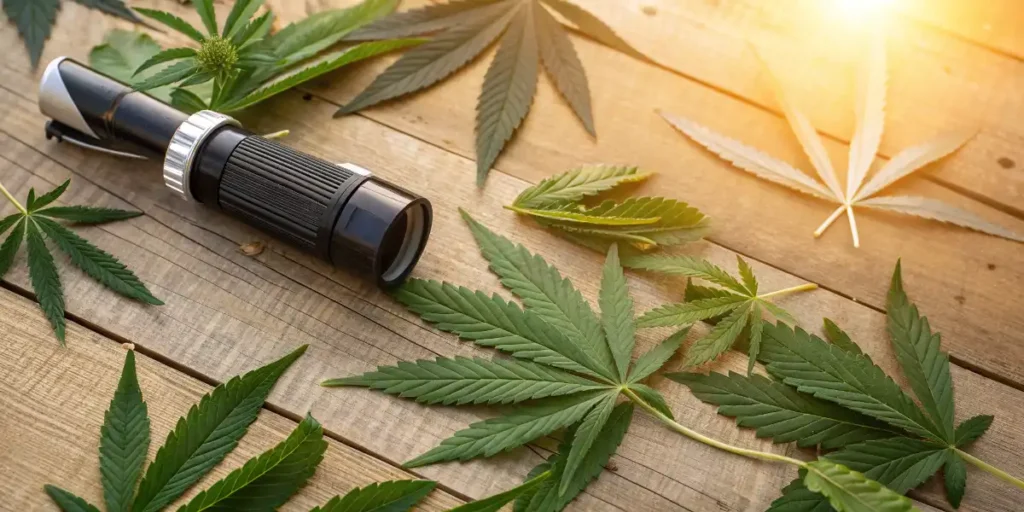

A refractometer is a simple, affordable tool that measures the Brix, the dissolved solids, in your cannabis plant’s sap, giving you a quick window into plant health and nutrition. Like any precision instrument, it only gives reliable readings when it is calibrated correctly. This guide covers what a refractometer measures, how to calibrate one properly for cannabis cultivation, how to take a clean plant-sap reading, and how to interpret the numbers.
Whatever you are growing, from the autoflowering cannabis seeds to photoperiod lines in the Growlantis grow guides, Brix testing is a low-cost way to track how well your plants are feeding and defending themselves.
Recommended Strains
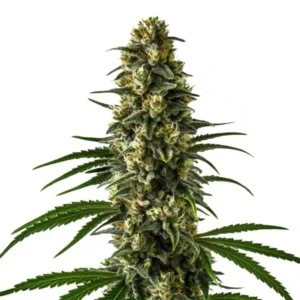
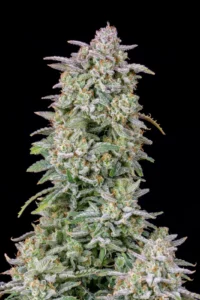
Girl Scout Cookies

|
THC | 18% - 25% (High) |

|
Lineage | Durban Poison x OG Kush |

|
Type | Feminized |

|
Height | 4.92 ft | 1.5 m |

|
Yield | High |

|
Yield Indoor | 1.64 oz/ft² | 500 g/m² |

|
Yield Outdoor | 21.16 - 24.69 oz/plant | 600 - 700 g/plant |

|
Flowering Time | 8 - 10 weeks |

|
Phenotype | 60% Indica / 40% Sativa |

|
Medical | Fatigue, Muscle Spasms, Stress |

|
Effects | Happy, Relaxed, Talkative |

|
Flavors | Fruity, Sweet |
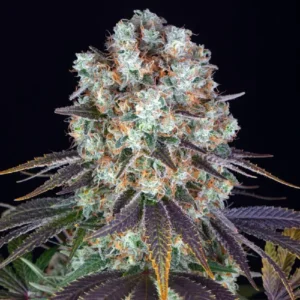
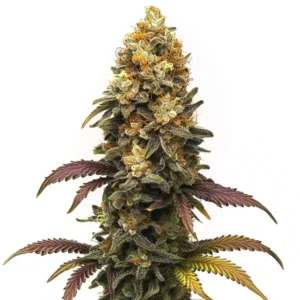
Bruce Banner
|
|
THC | 31% - 32% (High) |
|
|
Lineage | Strawberry Diesel Strain x OG Kush Strain |
|
|
Type | Feminized |
|
|
Height | 6.56 ft | 2 m |
|
|
Yield | High |
|
|
Yield Indoor | 1.97 - 2.13 oz/ft² | 600 - 650 g/m² |
|
|
Flowering Time | 9 - 10 weeks |
|
|
Phenotype | 40% Indica / 60% Sativa |
|
|
Effects | Relaxed, Uplifted, Creative |
|
|
Flavors | Fruity, Sweet, Apricot, Citrus |
What a Refractometer Measures in Cannabis
A refractometer measures how much light bends as it passes through a liquid, and reports that as a Brix value on a 0-32 scale. Brix reflects the concentration of dissolved solids, mainly sugars, but also minerals, amino acids, and other compounds in the plant sap. In cannabis cultivation, growers crush a small amount of leaf or petiole to extract sap, place a drop on the refractometer, and read the Brix.
Higher Brix generally indicates a plant that is photosynthesizing well and moving nutrients efficiently, which many growers associate with better resilience to pests and disease. It is a trend tool rather than an exact diagnostic: what matters most is how a plant’s Brix changes over time and how it compares with your other plants under the same conditions.
Why Brix Matters for Plant Health
Tracking Brix gives you an early signal that reading leaves alone cannot. A drop in Brix can appear before visible deficiency symptoms, letting you adjust feeding or watering sooner. Comparing Brix across plants or across a feeding change helps you judge whether an input is actually helping. Used consistently, it turns a vague sense that a plant looks healthy into a number you can track through veg and flower.
Brix readings are influenced by the time of day, recent watering, and which tissue you sample, so consistency matters more than any single number. Sample the same tissue at the same time of day, and compare like with like.
Types of Refractometers
There are two common types, and both need calibration.
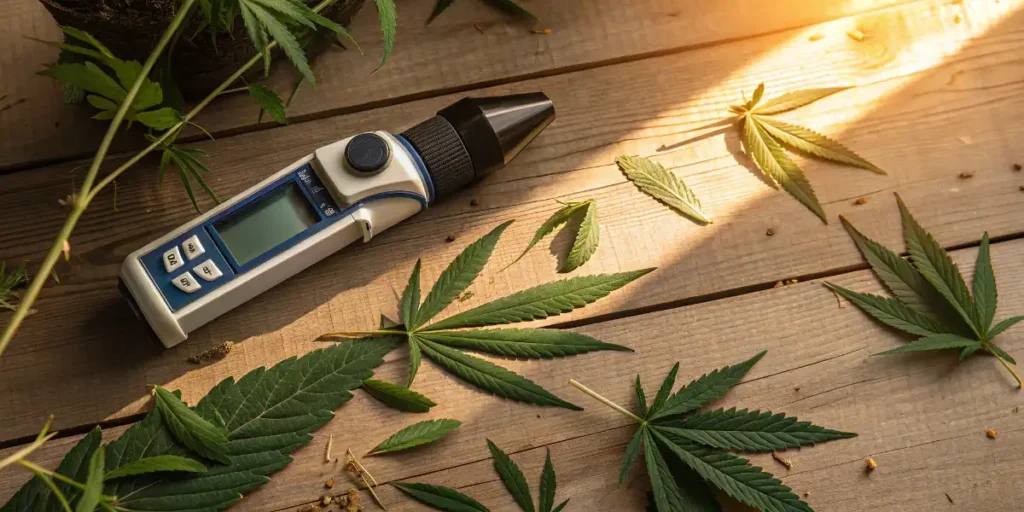
- Analog (optical) refractometers: You look through an eyepiece at a lit background and read the Brix where the light and dark boundary crosses the scale. They are inexpensive, need no batteries, and are calibrated with a small screw.
- Digital refractometers: You place sap on the sensor and read the Brix on a screen. They are easier to read and often more repeatable, and they are calibrated with a button, usually against distilled water.
For either type, temperature affects the reading. Many models are ATC (automatic temperature compensation), which corrects for this; if yours is not, let samples reach room temperature before reading.
What You Need to Calibrate
Calibration is quick and needs little:
- Your refractometer (analog or digital)
- Distilled or deionized water, at room temperature
- A soft, lint-free cloth or lens tissue
- A small screwdriver, for analog models with a calibration screw
- A stable room temperature, ideally around 68 F (20 C), since that is the reference point for most refractometers
Distilled water reads 0 Brix, which is the zero point every calibration is set against. Do not use tap water, which contains dissolved minerals that will throw off the zero.
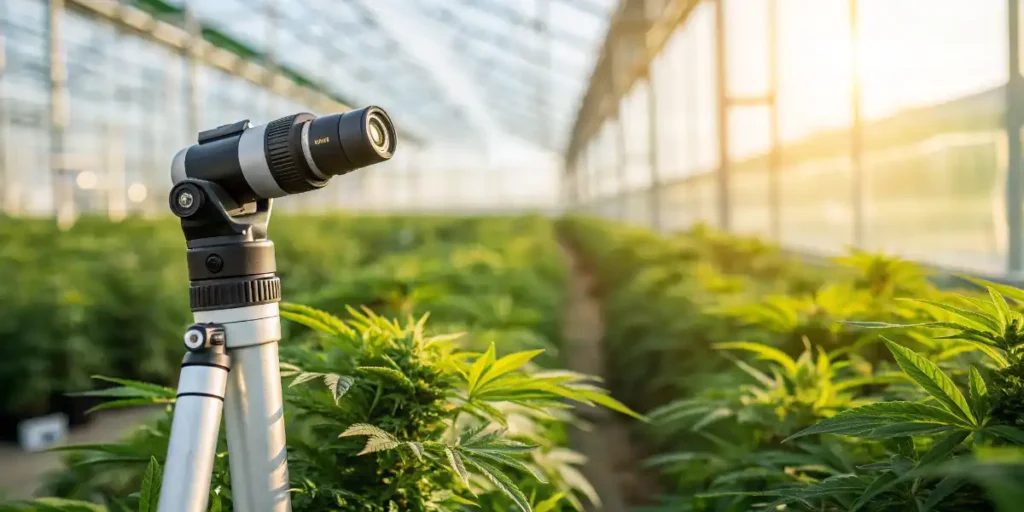
Step-by-Step: Calibrating a Refractometer
The goal is simple: make the instrument read exactly 0 Brix on distilled water. Do this before each measuring session.
1. Let it acclimate. Bring the refractometer and the distilled water to room temperature, ideally near 68 F. Temperature swings are the most common source of calibration error.
2. Clean the prism. Wipe the glass prism and cover gently with a lint-free cloth so no residue remains from a previous reading.
3. Apply distilled water. Place two or three drops of distilled water on the prism, enough to cover it fully, and close the cover plate so the water spreads into an even film with no bubbles.
4. Wait a moment. Give it 30 seconds for the water and prism to settle at the same temperature, which sharpens the reading.
5. Read the zero. On an analog model, look through the eyepiece at a light source; the boundary line should sit exactly on 0 Brix. On a digital model, press the calibration or zero button.
6. Adjust if needed. On an analog model, if the line is not on zero, turn the calibration screw until it is. On a digital model, the zero button sets it automatically.
7. Confirm. Wipe the prism, apply fresh distilled water, and check that it reads 0 again. Repeat until it holds zero reliably.
Once it holds a clean zero, the instrument is ready to measure plant sap.
How To Take a Plant Sap Reading
With the refractometer calibrated, measuring your cannabis is straightforward:
1. Choose healthy, mature tissue, usually a petiole (leaf stem) or a fan leaf, and sample the same tissue type each time for comparable results.
2. Crush or press the tissue to extract a few drops of sap. A garlic press or pliers works well for petioles.
3. Place the sap on the clean prism, close the cover, and read the Brix the same way you read the distilled water.
4. Wipe the prism clean with distilled water between samples so readings do not carry over.
5. Record the value, the tissue, the time of day, and the plant, so you can track trends rather than isolated numbers.
Interpreting Brix Readings
Brix is best read as a trend, not a pass-or-fail grade, but some general guidance helps. Many growers treat readings in the low single digits as a sign of a plant that is struggling to feed itself, mid-range readings as acceptable, and higher readings as a sign of a well-fed, actively photosynthesizing plant. The exact “good” number varies by genetics, tissue, and growth stage, so set your own baseline.
What matters most is the direction of travel. A steady or rising Brix through veg and early flower suggests your feeding and environment are working. A falling Brix is a prompt to check watering, nutrients, light, and root health before visible symptoms appear. Compare plants grown side by side under the same conditions to spot the ones that are underperforming.
Common Calibration Mistakes
Skipping temperature acclimation
Reading a cold instrument or cold water against a room-temperature reference shifts the zero. Let everything settle near 68 F, or use an ATC model, before calibrating.
Using tap or filtered water
Only distilled or deionized water reads a true 0 Brix. Tap and most filtered water carry dissolved minerals that bias the zero and every reading after it.
A dirty or wet prism
Residue or streaks on the prism scatter light and blur the boundary line. Wipe it clean and dry between the calibration and each sample.
Calibrating once and forgetting
Temperature changes and handling can drift the zero over a session. Re-check calibration at the start of each measuring session, and again if readings look off.
Caring for Your Refractometer
Treat the prism as you would a camera lens: clean it gently with a soft, lint-free cloth and distilled water, never abrasive paper or solvents. Dry it after use, store the instrument in its case away from heat and humidity, and keep analog models out of direct sunlight when not in use. A well-kept refractometer holds its calibration better and lasts for years.
Frequently Asked Questions
How often should I calibrate my refractometer?
Calibrate at the start of every measuring session, since temperature changes and handling can drift the zero. If you take readings across a long session or notice values that look off, re-check the zero with distilled water partway through. Frequent calibration is quick and keeps every reading trustworthy.
What Brix level is good for cannabis?
There is no single correct number, because Brix varies with genetics, tissue, and growth stage. Read it as a trend instead: a steady or rising Brix through veg and flower is a good sign, while a falling value is a prompt to check feeding, watering, and plant health. Set your own baseline per plant.
Can I use tap water to calibrate a refractometer?
No. Only distilled or deionized water reads a true 0 Brix, which is the zero point calibration is set against. Tap water and most filtered water contain dissolved minerals that shift the zero, which then biases every plant-sap reading you take afterward. Always use distilled water.
Do I need a digital or analog refractometer for cannabis?
Either works for measuring plant sap Brix. Analog models are cheaper and need no batteries but require reading a scale by eye; digital models are easier to read and often more repeatable. Both need calibration, and for both, automatic temperature compensation (ATC) makes readings more consistent across conditions.
Why does my refractometer give different readings on the same plant?
Brix shifts with the time of day, recent watering, and which tissue you sample, so variation is normal. For comparable results, sample the same tissue type at the same time of day, calibrate first, and clean the prism between readings. Track trends over time rather than relying on any single value.