
For first-time growers or those with a bit more experience, noticing discoloration in cannabis leaves can be alarming. Leaf discoloration is a signal that something might be off with your cannabis plant. While it’s a common issue, addressing it effectively is crucial for a healthy harvest.
Different strains may react differently to growing conditions. For instance, Skunk #1 Auto is known for its resilience and adaptability, making it a great choice for beginners experiencing leaf discoloration. This strain has a short flowering time and moderate yields, making it easier to manage. Meanwhile, Auto Xtreme, Special Kush #1 is another robust strain with a rich THC content, but it requires a bit more attention to prevent any issues such as leaf yellowing. Then, there’s Easy Bud Auto, perfect for those who want a low-maintenance plant with high yields and faster flowering times.
Recommended Strains
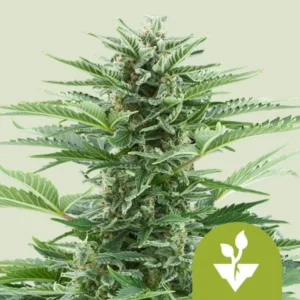
Easy Bud Auto

|
THC | 12% - 13% (Low) |

|
Lineage | White Indica x Ruderalis |

|
Type | Autoflowering |

|
Height | 2.95 ft | 0.9 m |

|
Yield | Low |

|
Yield Indoor | 0.9 - 1.07 oz/ft² | 275 - 325 g/m² |

|
Yield Outdoor | 1.06 - 2.82 oz/plant | 30 - 80 g/plant |

|
Life Cycle | 9 - 10 weeks |

|
Phenotype | 55% Indica / 15% Sativa / 30% Ruderalis |

|
Effects | Relaxed |

|
Flavors | Citrus, Herbal |
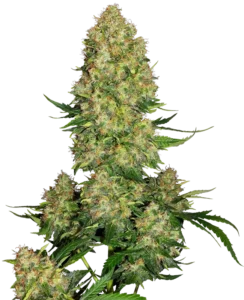
Skunk #1 Automatic
|
|
THC | 11% - 13% (Low) |
|
|
Lineage | Acapulco Gold x Afghani x Colombian Gold x Ruderalis |
|
|
Type | Feminized |
|
|
Height | 8.2 ft | 2.5 m |
|
|
Yield | Low |
|
|
Yield Indoor | 0.39 - 0.66 oz/ft² | 120 - 200 g/m² |
|
|
Flowering Time | 10 - 12 weeks |
|
|
Phenotype | 65% Indica / 35% Sativa |
|
|
Effects | Hungry, Happy, Euphoric |
|
|
Flavors | Skunk, Pungent, Earthy |
Discoloration can manifest in various ways, such as yellowing, browning, or spotting. Identifying the specific type of discoloration can help you determine the cause and how to fix it. This beginner guide to cannabis leaf discoloration will walk you through the different causes and solutions, ensuring your cannabis plants remain healthy and vibrant.
Cannabis Leaf Yellowing: Causes and Solutions
Leaf yellowing is one of the most common forms of cannabis leaf discoloration. It often indicates nutrient deficiencies or improper watering practices. New growers frequently encounter this issue, but it’s easily correctable once you understand the underlying causes.
Alongside nutrient deficiencies and watering issues, environmental factors such as light intensity can also contribute to leaf yellowing. For new growers exploring cannabis leaf discoloration causes, it’s important to understand that excessive light can stress the plant, leading to chlorosis or bleaching of leaves. Always ensure your plants receive the right amount of light neither too little nor too much. Strains like Easy Bud Auto are forgiving with lighting, yet maintaining optimal light conditions will promote healthier growth. Incorporating these beginner tips into your routine will help you prevent and manage cannabis leaf yellowing effectively.
Nutrient Deficiencies Leading to Yellow Leaves
Nitrogen deficiency is a primary cause of yellow leaves in cannabis plants. Cannabis needs nitrogen for growth, and a lack of it can lead to yellowing, especially in older leaves. To address this, ensure your nutrient mix contains adequate levels of nitrogen. If you’re growing Easy Bud Auto, this strain’s low maintenance nature means it requires less intervention, yet it’s still important to monitor nutrient levels regularly.
Magnesium deficiency can also cause yellowing, manifesting as yellow patches on leaves. Adding a magnesium supplement to your nutrient routine can help correct this issue. For Special Kush #1, which has high THC levels, maintaining balanced nutrients is essential to prevent leaf discoloration.
Improper Watering Techniques
Overwatering or underwatering can lead to yellowing leaves. Cannabis roots need oxygen to thrive, and overwatering can suffocate roots, leading to yellow leaves. Conversely, underwatering stresses the plant, causing the leaves to turn yellow.
To properly water your plants, ensure the top inch of the soil is dry before watering again. This practice helps prevent overwatering, especially important for resilient strains like Skunk #1 Auto, which can withstand some growing errors but still benefits from proper watering techniques.
Brown Spots on Cannabis Leaves
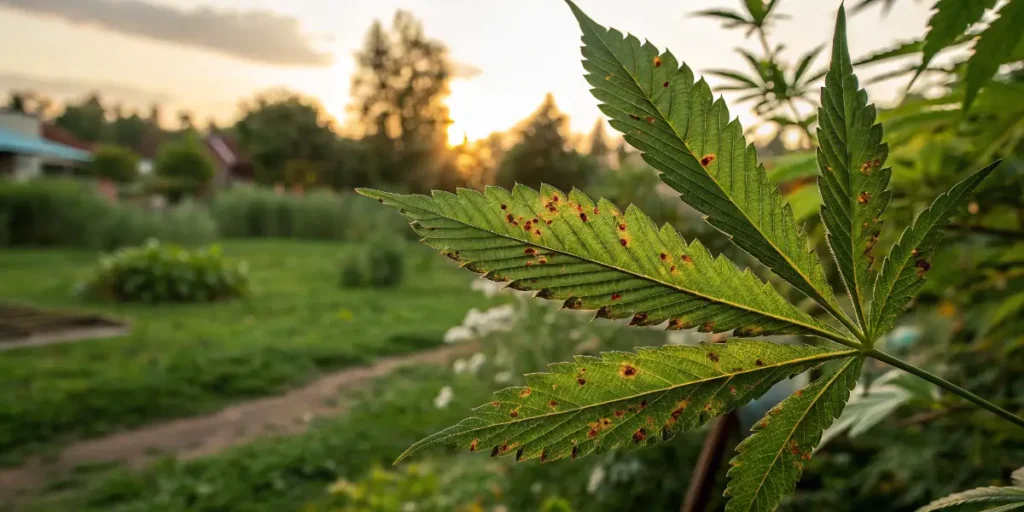
Brown spots are another common form of cannabis leaf discoloration. They can be caused by pests, diseases, or nutrient issues. Identifying the cause is key to fixing the problem and ensuring your plants stay healthy.
For new growers, recognizing cannabis leaf color changes, such as brown spots, is essential. Environmental factors like excessive humidity or poor air circulation can exacerbate issues, leading to fungal diseases. Maintaining a clean and well-ventilated grow area helps mitigate these risks. Additionally, regularly checking the undersides of leaves can provide early detection of pests like spider mites. For strains like Skunk #1 Auto, which are adaptable, maintaining a stable environment further enhances their resilience against discoloration causes, ensuring a vibrant and healthy crop.
Pests and Diseases
Pests such as spider mites or aphids can cause brown spots on cannabis leaves. They feed on the plant, leaving behind damage that manifests as brown spots. Frequent inspection of your plants, especially under the leaves, can help detect these pests early.
Diseases like leaf septoria also cause brown spots. This fungal disease thrives in humid conditions, so maintaining proper airflow and humidity levels is crucial. Strains like Easy Bud Auto are less susceptible to pests due to their quick flowering time, giving pests less time to impact the plant.
Nutrient Burn
Nutrient burn occurs when plants receive too many nutrients, causing the leaf tips to turn brown. It often results from over-fertilization. To fix this, flush your plants with plain water to remove excess nutrients. Monitor your feeding schedule closely, especially with Special Kush #1, to prevent this issue.
Spotting and Fixing Leaf Curling and Deformation
Leaf curling and deformation are signs of stress in cannabis plants. These issues can arise from environmental factors or improper care, and addressing them promptly is necessary for plant recovery.
For those new to growing, why are my cannabis leaves discolored beginner tips often revolve around recognizing stress signals like leaf curling. It’s crucial to consider factors such as airflow, as stagnant air can lead to heat stress, causing leaves to curl. Ensuring a gentle breeze can help regulate temperature and humidity around the plant. Strains like Special Kush #1 benefit significantly from a consistent and well-managed environment, which enhances their growth and minimizes leaf deformation issues. By analyzing these factors, beginners can effectively fix leaf discoloration in cannabis plants.
Temperature and Humidity Stress
Extreme temperatures or humidity levels can cause leaves to curl or deform. Cannabis plants prefer temperatures between 65-80°F and humidity levels around 40-60%. Deviations from these ranges can stress the plant, causing leaf issues.
Ensuring a stable growing environment is vital. For instance, Skunk #1 Auto is known for its adaptability but still requires consistent conditions to prevent leaf curling.
pH Imbalance
The pH level of your growing medium affects nutrient uptake. If the pH is too high or too low, your plant may show signs of distress such as curling leaves. Ensure the pH is between 6.0 and 7.0 for soil and 5.5 to 6.5 for hydroponics.
Regularly test the pH of your growing medium and adjust it as necessary. Balanced pH levels are crucial for strains like Easy Bud Auto that thrive in optimal conditions.
Preventing and Managing Leaf Discoloration in Cannabis Plants
Preventing leaf discoloration involves maintaining a balanced growing environment and being proactive in plant care. By managing the needs of your cannabis strains and monitoring their conditions, you can prevent discoloration from affecting your harvest.
For beginners, this also involves recognizing the importance of preventative measures. Implementing a regular maintenance schedule, including trimming and removing dead leaves, can improve airflow and light penetration, reducing the likelihood of discoloration. For new growers, choosing strains like Easy Bud Auto can simplify this process, as its low-maintenance nature allows for easier management. Growlantis provides a range of strains that cater to varying levels of grower experience, making it easier to achieve a successful and vibrant harvest.
Regular Monitoring and Maintenance
Consistent monitoring of your cannabis plants can help detect issues early. Look for signs of discoloration or stress regularly. Adjustments in watering, nutrient levels, and environmental conditions can prevent minor issues from becoming major problems.
For beginners, starting with a hardy strain like Skunk #1 Auto can reduce the learning curve and allow you to practice effective monitoring without overwhelming challenges.
Choosing the Right Strain
Choosing strains that match your growing environment and experience level can greatly impact your success. Beginners may benefit from strains like Easy Bud Auto, which are easier to manage and less prone to issues. Meanwhile, experienced growers may enjoy the challenge and rewards of cultivating Special Kush #1.
Growlantis offers these strains, each with unique characteristics that cater to different grower preferences and conditions. By selecting the right strain, you can set yourself up for a successful harvest with minimal discoloration issues.
FAQ
What causes cannabis leaves to discolor?
Cannabis leaf discoloration can be caused by several factors, including nutrient deficiencies, improper watering, pests, diseases, and environmental stress. Identifying the specific cause is essential for addressing the issue. Regular monitoring and addressing the needs of your specific strain, such as those offered by Growlantis, can help prevent discoloration.
How can I fix yellowing leaves on my cannabis plant?
To fix yellowing leaves, start by checking for nutrient deficiencies, particularly nitrogen and magnesium. Adjust your nutrient mix accordingly. Also, ensure proper watering practices by allowing the soil to dry out between watering sessions. Monitoring environmental factors, such as temperature and humidity, is also crucial.
Why are there brown spots on my cannabis leaves?
Brown spots on cannabis leaves can result from pest infestations, diseases, or nutrient burn. Inspect your plants for pests and consider using organic pest control methods if necessary. If the issue is nutrient burn, flush your plants with water to remove excess nutrients and adjust your feeding schedule.
How do I prevent leaf curling in cannabis plants?
Prevent leaf curling by maintaining stable temperature and humidity levels within the optimal range for cannabis growth. Ensure the pH of your growing medium is appropriate for nutrient uptake. Regularly monitor your plants and make necessary adjustments to environmental conditions.
Which strain is best for beginners to avoid leaf discoloration?
For beginners looking to minimize leaf discoloration, Easy Bud Auto is an excellent choice. This strain is low-maintenance and quick to flower, reducing the chances of prolonged exposure to unfavorable conditions. Additionally, Skunk #1 Auto offers resilience and adaptability, making it another suitable option for new growers.