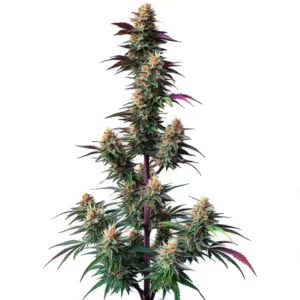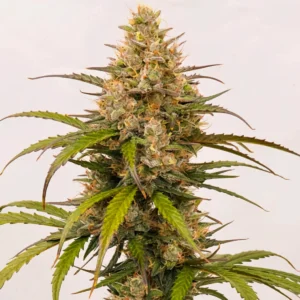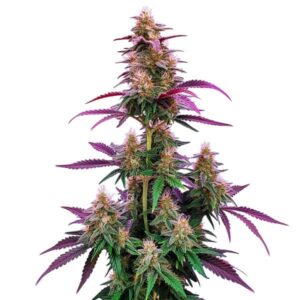


Chlorosis in cannabis plants can be a troubling issue for growers, causing yellowing leaves and stunted growth. This problem often arises from nutrient deficiencies, but with the right approach, it can be effectively managed. Knowing how to provide the best cannabis nutrients to prevent chlorosis is essential for both first-time growers and seasoned experts. Whether you’re cultivating Gelato, Sour Diesel, or Pink Runtz Auto from Growlantis, a solid nutrient regimen is key to healthy plants.
Gelato, known for its sweet aroma and potent effects, is a strain that demands a balanced nutrient profile to flourish. Sour Diesel, with its energizing effects and pungent aroma, thrives when given the right nutrients to prevent chlorosis. Pink Runtz Auto, a strain prized for its fast-flowering characteristics and delightful flavor, requires specific care to ensure vibrant growth. By focusing on the nutrients your plants need, you can prevent chlorosis and ensure a successful harvest.
Recommended Strains
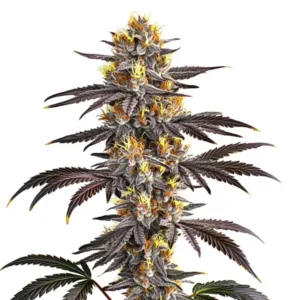
Gelato

|
THC | 27% (High) |

|
Lineage | Sunset Sherbet x Thin Mint Girl Scout Cookies |

|
Type | Feminized |

|
Height | 6.56 ft | 2 m |

|
Yield | High |

|
Yield Indoor | 1.64 oz/ft² | 500 g/m² |

|
Yield Outdoor | 21.16 - 28.22 oz/plant | 600 - 800 g/plant |

|
Flowering Time | 8 - 10 weeks |

|
Phenotype | 50% Indica / 50% Sativa |

|
Medical | Arthritis, Insomnia, Pain |

|
Effects | Happy, Relaxed, Talkative |

|
Flavors | Berry, Citrus, Sweet |
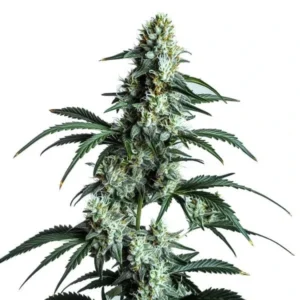
Sour Diesel
|
|
THC | 22% - 25% (High) |
|
|
Lineage | Chemdowg x Northern Lights x Skunk |
|
|
Type | Feminized |
|
|
Height | 8.2 ft | 2.5 m |
|
|
Yield | High |
|
|
Yield Indoor | 1.64 oz/ft² | 500 g/m² |
|
|
Yield Outdoor | 21.16 - 24.69 oz/plant | 600 - 700 g/plant |
|
|
Flowering Time | 8 - 10 weeks |
|
|
Phenotype | 30% Indica / 70% Sativa |
|
|
Medical | Anxiety, Depression, Pain |
|
|
Effects | Happy, Relaxed, Talkative |
|
|
Flavors | Citrus, Diesel, Earthy |
Preventing chlorosis is all about balance. Too much or too little of certain nutrients can lead to yellowing leaves and poor plant health. This guide will cover how to identify chlorosis, choose the best nutrients, and apply them effectively to keep your cannabis plants thriving. Whether you’re growing indoors or outdoors, these tips will help you maintain lush, green foliage and robust growth.
Let’s dive into the specifics of cannabis nutrients to prevent chlorosis and ensure your plants are healthy and productive. From identifying the signs of nutrient deficiencies to selecting the right products, you’ll find everything you need to know in this complete guide.
Identifying Chlorosis in Cannabis Plants
Chlorosis is characterized by the yellowing of leaves while the veins remain green. This condition often signifies a nutrient deficiency, typically in nitrogen, iron, magnesium, or zinc. Recognizing the early signs of chlorosis can help you take timely action to rectify the issue.
For instance, if you’re growing Gelato and notice its usually vibrant leaves turning pale, it may be suffering from nitrogen deficiency. Similarly, Sour Diesel might exhibit yellowing if it’s not getting enough magnesium. Early detection is crucial to prevent further damage to your plants.
Inspect your plants regularly for symptoms of chlorosis. Look for yellowing between the veins, starting with older leaves and moving to newer growth. If detected early, adjusting your nutrient regimen can correct the imbalance and restore plant health.
Knowing how to fix chlorosis in cannabis plants involves recognizing the specific nutrient needs of each strain. With Gelato, Sour Diesel, and Pink Runtz Auto, maintaining proper nutrient levels is essential for preventing chlorosis and ensuring robust growth.
Cannabis nutrients to prevent chlorosis are not just about addressing deficiencies after they occur but about recognizing the early signs and intervening promptly. Utilizing a cannabis chlorosis prevention nutrient guide can help you track changes and make informed decisions about adjusting nutrient levels before symptoms worsen. Keeping detailed records of each strain’s response to nutrient adjustments can also provide invaluable insights for preventing chlorosis in marijuana with nutrients effectively.
Nutrient Deficiencies and Their Impact
Nutrient deficiencies can have a significant impact on cannabis plant health, leading to chlorosis and other growth issues. Each essential nutrient plays a specific role in plant development, and a lack of any can cause visible symptoms.
Nitrogen deficiency, for example, is a common cause of chlorosis in cannabis plants. It results in yellowing leaves and reduced growth, particularly in strains like Gelato that require a balanced nitrogen supply. Magnesium deficiency can also cause chlorosis, as it disrupts chlorophyll production, affecting strains like Sour Diesel.
Evaluating the impact of these deficiencies helps growers take proactive measures. By regularly monitoring plant health and adjusting nutrient levels, you can prevent chlorosis and optimize conditions for growth.
Incorporating a cannabis chlorosis prevention nutrient guide into your routine can streamline the process of addressing deficiencies. This guide should detail the specific nutrient needs of Gelato, Sour Diesel, and Pink Runtz Auto, allowing you to tailor each feeding to the unique requirements of the strain. Regular soil testing and visual inspections should be part of this guide to ensure the best nutrients to prevent chlorosis in cannabis are being applied consistently and effectively.
Choosing the Best Nutrients to Prevent Chlorosis in Cannabis
Choosing the right nutrients is crucial for preventing chlorosis and ensuring healthy cannabis plants. Different strains have varying nutrient needs, and selecting products that cater to these requirements can make a significant difference.
Organic cannabis nutrients to stop chlorosis are increasingly popular among growers. These products provide a balanced blend of essential nutrients, promoting healthy growth without the risk of chemical buildup. For strains like Pink Runtz Auto, which require careful nutrient management, organic options can be particularly beneficial.
When selecting nutrients, consider the specific needs of your strain. Gelato, for example, benefits from a well-rounded nutrient mix that supports its vigorous growth. Sour Diesel, with its high-energy growth pattern, requires sufficient magnesium and iron to prevent yellowing leaves.
Conducting soil tests can also help determine the right nutrient balance for your plants. By analyzing the existing nutrient profile, you can tailor your feeding schedule to meet the specific needs of your Gelato, Sour Diesel, or Pink Runtz Auto plants.
Additionally, integrating organic cannabis nutrients to stop chlorosis with synthetic options can provide a versatile approach to nutrient management. This hybrid method allows growers to capitalize on the slow-release benefits of organic options while utilizing the precision of synthetic nutrients. This approach is especially advantageous for Pink Runtz Auto, where a rapid growth cycle demands both consistency and adaptability in nutrient applications to prevent chlorosis effectively.
Organic vs. Synthetic Nutrients
When it comes to preventing chlorosis, the choice between organic and synthetic nutrients can be crucial. Organic nutrients, derived from natural sources, provide a gentle yet effective way to feed your plants. They release nutrients slowly, ensuring they are readily available for uptake.
Synthetic nutrients, on the other hand, are formulated for rapid absorption and precise control over nutrient levels. While effective, they can lead to nutrient lockout if not managed carefully. For strains like Gelato, a blend of organic and synthetic nutrients can offer the best of both worlds.
Pink Runtz Auto, with its fast flowering time, might benefit from synthetic nutrients during the flowering phase to maximize yield. Meanwhile, Sour Diesel can thrive with organic nutrients that support its robust growth and distinctive flavor profile.
Applying Nutrients Effectively
Applying nutrients effectively is essential for preventing chlorosis and promoting healthy cannabis growth. The method and timing of nutrient application can significantly impact plant health and productivity.
For indoor growers, a hydroponic system can provide precise control over nutrient delivery. This method is particularly effective for managing the nutrient needs of strains like Gelato, ensuring a steady supply of essential elements to prevent chlorosis.
Outdoor growers can benefit from soil amendments and foliar feeding to address nutrient deficiencies. By applying nutrients directly to the leaves, you can quickly correct issues and support plant health. This approach can be useful for addressing specific nutrient needs in Sour Diesel and Pink Runtz Auto plants.
Monitoring pH levels is also crucial when applying nutrients. Cannabis plants require a specific pH range for optimal nutrient uptake. Ensuring your nutrient solution is within this range can prevent nutrient lockout and promote healthy growth.
Consistency in the application of cannabis nutrients to prevent chlorosis is vital, with a focus on observing the plant’s response and making adjustments as necessary. For example, Gelato may show improved growth with frequent, smaller nutrient applications, while Pink Runtz Auto might thrive with a more substantial feeding regimen. Tailoring these strategies to the individual needs of each strain aids in preventing chlorosis in marijuana with nutrients, making every feeding a step towards healthier plants.
Common Mistakes in Nutrient Application
Applying nutrients incorrectly can exacerbate chlorosis and other plant health issues. Overfeeding, underfeeding, and incorrect timing are common mistakes that growers should avoid.
Overfeeding can lead to nutrient burn, where excess nutrients damage the plant roots and foliage. This issue is particularly prevalent in synthetic nutrient systems. For strains like Gelato, balancing nutrient levels is crucial to prevent burn and ensure healthy growth.
Underfeeding, on the other hand, deprives plants of essential nutrients, leading to deficiencies and chlorosis. Pink Runtz Auto, with its rapid growth, requires consistent nutrient supply to maintain its vibrant foliage and high yield potential.
Real-Life Examples of Preventing Chlorosis
Real-life examples provide valuable insights into preventing chlorosis in cannabis plants. By learning from the experiences of other growers, you can apply practical solutions to your own cultivation efforts.
One grower reported success with Gelato by incorporating a balanced organic nutrient mix throughout the growth cycle. By focusing on nitrogen and magnesium levels, they prevented chlorosis and achieved a bountiful harvest.
In another example, a cultivator growing Sour Diesel addressed early signs of chlorosis by adjusting the pH level of their nutrient solution. This simple change significantly improved nutrient uptake and restored plant health.
For Pink Runtz Auto, a grower managed chlorosis by using a combination of soil amendments and foliar feeding. This approach provided the plants with a quick nutrient boost, resulting in lush, green foliage and impressive yields.
These examples illustrate the importance of adapting cannabis nutrients to prevent chlorosis based on real-world observations and results. Learning from these experiences, growers can implement changes that precisely address their strains’ needs. For instance, Gelato may benefit from a slight increase in organic nitrogen sources, while Sour Diesel might require a more balanced pH adjustment strategy to ensure optimal nutrient uptake.
Lessons Learned from Experienced Growers
Experienced growers offer valuable lessons on preventing chlorosis in cannabis. Their insights can help you refine your nutrient management strategies and avoid common pitfalls.
One key takeaway is the importance of regular monitoring. By keeping a close eye on plant health and nutrient levels, you can quickly identify and address any deficiencies before they lead to chlorosis.
Another lesson is the value of adjusting your nutrient regimen based on plant growth stages. For instance, increasing phosphorus and potassium levels during the flowering stage can enhance bud development in strains like Pink Runtz Auto.
FAQ
What are the best nutrients to prevent chlorosis in cannabis?
The best nutrients to prevent chlorosis in cannabis include a balanced mix of nitrogen, magnesium, and iron. These elements are crucial for healthy leaf development and chlorophyll production. Organic cannabis nutrients are particularly effective at providing these essential elements without the risk of chemical buildup.
For strains like Gelato, which require robust growth support, a well-rounded nutrient mix is essential. Sour Diesel benefits from sufficient magnesium and iron levels, while Pink Runtz Auto thrives with consistent nutrient supply throughout its rapid growth cycle.
How can I fix chlorosis in cannabis plants?
Fixing chlorosis in cannabis plants involves identifying and correcting nutrient deficiencies. Start by inspecting your plants for symptoms like yellowing leaves and green veins. Conduct soil or nutrient solution tests to determine which nutrients are lacking.
Once identified, adjust your nutrient regimen to address the deficiency. For nitrogen deficiency, increase the nitrogen content in your feeding schedule. If magnesium is lacking, consider adding magnesium sulfate to your nutrient mix. Regular monitoring and timely adjustments can effectively fix chlorosis.
Are organic cannabis nutrients effective for stopping chlorosis?
Yes, organic cannabis nutrients are highly effective for stopping chlorosis. They provide a balanced supply of essential nutrients, promoting healthy growth without causing nutrient lockout or chemical buildup.
Organic nutrients release elements slowly, ensuring they are available for plant uptake over time. This gradual release helps maintain consistent nutrient levels, preventing deficiencies and promoting vibrant plant health.
Can I prevent chlorosis in marijuana with nutrients alone?
While nutrients play a significant role in preventing chlorosis, other factors like pH levels, watering practices, and environmental conditions also impact plant health. Ensuring your cannabis plants receive adequate light, proper watering, and optimal temperatures is essential for preventing chlorosis.
Nutrients alone are not a cure-all; they must be part of a complete approach to plant care. Regularly monitoring and adjusting your growing conditions, along with providing the right nutrients, is key to preventing chlorosis and promoting healthy growth.
How do I create a cannabis chlorosis prevention nutrient guide?
Creating a cannabis chlorosis prevention nutrient guide involves managing the specific needs of your plants and tailoring your nutrient regimen accordingly. Start by researching the nutrient requirements of the strains you are growing, such as Gelato, Sour Diesel, or Pink Runtz Auto.
Develop a feeding schedule based on the growth stages of your plants, adjusting nutrient levels as needed. Regularly monitor plant health and adjust your regimen based on observed deficiencies or changes in plant behavior. A well-planned nutrient guide can prevent chlorosis and support robust cannabis growth.