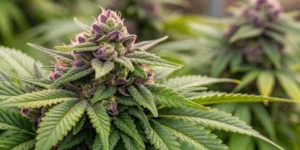
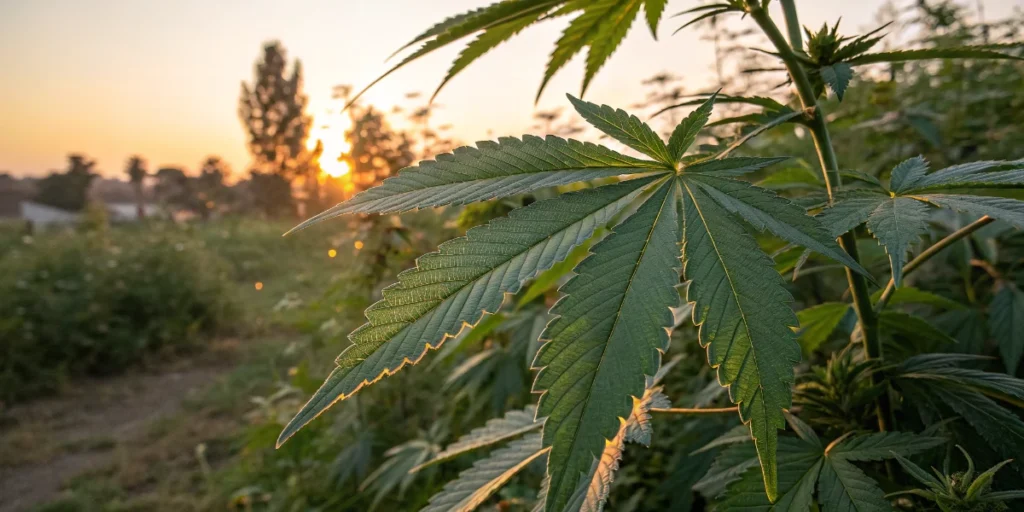

Humidity plays a crucial role in the growth of cannabis plants, significantly influencing leaf color. The moisture in the air can lead to vibrant greens or distressing browns, impacting both the aesthetic and health of the plant. Recognizing how humidity affects cannabis leaf color can guide growers in creating optimal conditions for their plants.
Too much humidity can lead to an excess of moisture on the leaves, causing issues like mold and mildew, which may result in brown or yellow discoloration. On the other hand, low humidity levels can cause the leaves to dry out, leading to a loss of color vibrancy. Proper humidity levels are essential in maintaining the health and appearance of cannabis leaves.
Recommended Strains
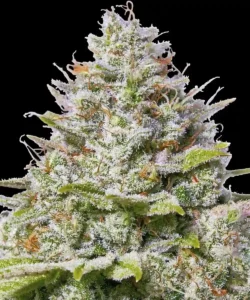
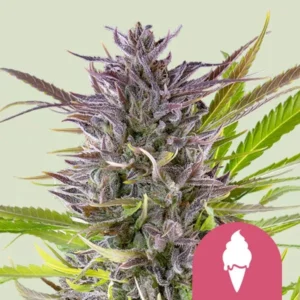
Blue Gelato 41

|
THC | 26% - 27% (High) |

|
Lineage | Blueberry x Thin Mint Girl Scout Cookies x Sunset Sherbert |

|
Type | Feminized |

|
Height | 13.12 ft | 4 m |

|
Yield Outdoor | 88.19 - 105.82 oz/plant | 2500 - 3000 g/plant |

|
Flowering Time | 9 - 10 weeks |

|
Phenotype | 60% Indica / 40% Sativa |

|
Effects | Focused, Energetic, Creative |

|
Flavors | Sweet, Earthy, Citrus |
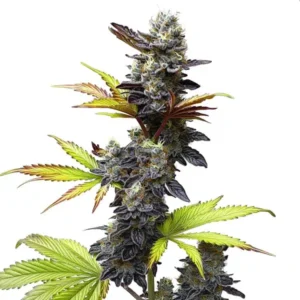
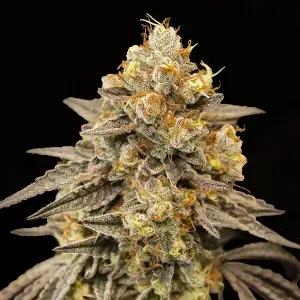
Mochi Gelato
|
|
THC | 20% - 25% (High) |
|
|
Lineage | Gelato 47 (Sunset Sherbert x Thin MInt Cookies) aka Mochi Gelato |
|
|
Type | Feminized |
|
|
Height | 4.92 ft | 1.5 m |

|
Yield | High |

|
Yield Indoor | 1.64 - 1.97 oz/ft² | 500 - 600 g/m² |
|
|
Yield Outdoor | 21.16 - 28.22 oz/plant | 600 - 800 g/plant |
|
|
Flowering Time | 8 - 10 weeks |
|
|
Phenotype | 40% Indica / 60% Sativa |

|
Medical | Anxiety, Migraines, Pain |
|
|
Effects | Energetic, Euphoric, Happy |
|
|
Flavors | Earthy, Herbal, Sweet |
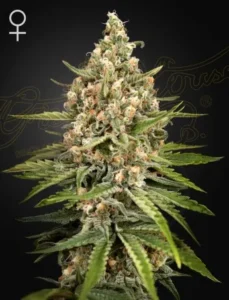
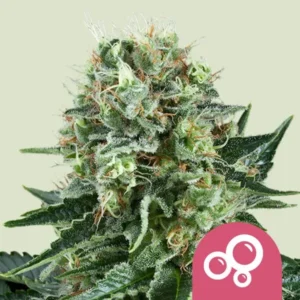
Specific strains, such as Blue Gelato 41, Green Gelato, and Mochi Gelato from Growlantis, have unique responses to humidity levels. By recognizing these responses, growers can tailor their humidity settings to suit these strains, ensuring optimal leaf coloration and plant health.
Effects of High Humidity on Cannabis Leaf Color
High humidity levels can cause significant changes in the appearance of cannabis leaves. When the air is too moist, leaves can become susceptible to fungal diseases, leading to discoloration. Maintaining balanced humidity is key to preventing these issues.
Alongside fungal concerns, high humidity can also impact how nutrients are absorbed by the plant, potentially leading to nutrient lockout. This can exacerbate the relationship between humidity and cannabis leaf discoloration, as leaves may exhibit yellowing or spotting due to nutrient deficiencies. For strains like Green Gelato, which are sensitive to both humidity and nutrient levels, careful monitoring of both factors is crucial. Implementing a regular schedule for checking humidity and nutrient uptake can help prevent these adverse effects, ensuring that the vibrant greens of cannabis leaves are maintained.
Fungal Diseases and Discoloration
High humidity creates a breeding ground for fungi, such as powdery mildew, which can coat the leaves in a white or gray powder. This fungal growth can block sunlight, leading to chlorosis, where leaves lose their green color. To combat this, ensure your growing space is well-ventilated and monitor humidity levels closely.
Strains like Green Gelato are particularly sensitive to humidity. Known for its dense foliage, Green Gelato can trap moisture, making it more prone to fungal issues. Regularly inspecting leaves and maintaining airflow can help manage this strain’s humidity needs effectively.
Mold and Mildew Impact
Mold and mildew thrive in high humidity environments. These fungi can cause leaf discoloration, turning vibrant greens to dull yellows and browns. Controlling humidity levels is essential to prevent mold from taking hold.
Blue Gelato 41, with its high THC content and robust structure, is less susceptible to mold than some other strains. However, keeping humidity levels in check is critical to avoid any potential mold issues that could impact leaf color and overall plant health.
Impact of Low Humidity on Cannabis Leaf Color
Low humidity can also affect cannabis leaf color, causing them to dry out and change shades. When the air lacks moisture, the plant cannot transpire efficiently, leading to stress and potential color changes.
Another key aspect of how humidity affects cannabis leaf color is its role in the plant’s ability to photosynthesize effectively. Under low humidity conditions, the stomata on cannabis leaves may close to conserve water, reducing carbon dioxide intake and affecting photosynthesis. This can lead to a reduction in energy production, further stressing the plant and exacerbating color changes. For Mochi Gelato, maintaining an ideal humidity balance is crucial to ensure that photosynthesis remains efficient, preserving the plant’s vibrant appearance while supporting healthy growth.
Drying Out and Leaf Pigmentation
Without sufficient humidity, cannabis leaves can become brittle and lose their lush green color. This drying effect can cause the leaves to turn pale or develop brown edges, indicating dehydration stress.
Mochi Gelato, known for its balanced THC and CBD levels, requires careful humidity management to maintain its vibrant leaf color. Growers should aim for humidity levels that support healthy transpiration without causing dehydration.
Water Retention and Discoloration
When humidity levels are too low, cannabis plants struggle to retain water, leading to discoloration. This condition can make the leaves appear faded and less vibrant, impacting the plant’s overall aesthetic.
For strains like Blue Gelato 41, maintaining adequate humidity is essential. This strain benefits from environments where water retention supports its growth, ensuring the leaves remain lush and colorful throughout the growing cycle.
How Humidity Levels Influence Cannabis Leaf Pigmentation
Humidity levels play a significant role in the pigmentation of cannabis leaves. The right balance can enhance color vibrancy, while imbalances can lead to color variations that may indicate stress or disease.
Achieving the ideal humidity requires an clear grasp of both the plant’s natural environment and its current growth stage. During the vegetative stage, maintaining higher humidity levels supports the development of lush, green foliage by facilitating nutrient uptake and preventing water loss. For Green Gelato, this means consistent monitoring to ensure the plant’s environment mimics its preferred conditions, thus enhancing the effects of humidity on cannabis leaf color changes. As the plant transitions to flowering, adjusting humidity levels becomes crucial to avoid stress and maintain leaf pigmentation.
Optimal Humidity Ranges
To achieve the best leaf color, maintaining optimal humidity levels is crucial. During the vegetative stage, cannabis plants thrive in 40-70% humidity, which supports healthy growth and vibrant leaf pigmentation.
Green Gelato, for example, flourishes in these conditions, with its leaves showcasing deep greens when humidity is properly managed. Adjusting humidity as plants transition to flowering can help maintain coloration and prevent stress-induced color changes.
Adjusting Humidity for Different Growth Stages
As cannabis plants progress from vegetative to flowering stages, humidity needs change. During flowering, lower humidity levels (30-50%) help prevent mold while supporting bud development without compromising leaf color.
Mochi Gelato, with its unique growth pattern, benefits from precise humidity adjustments. By lowering humidity during flowering, growers can maintain leaf color while enhancing the plant’s overall yield and potency.
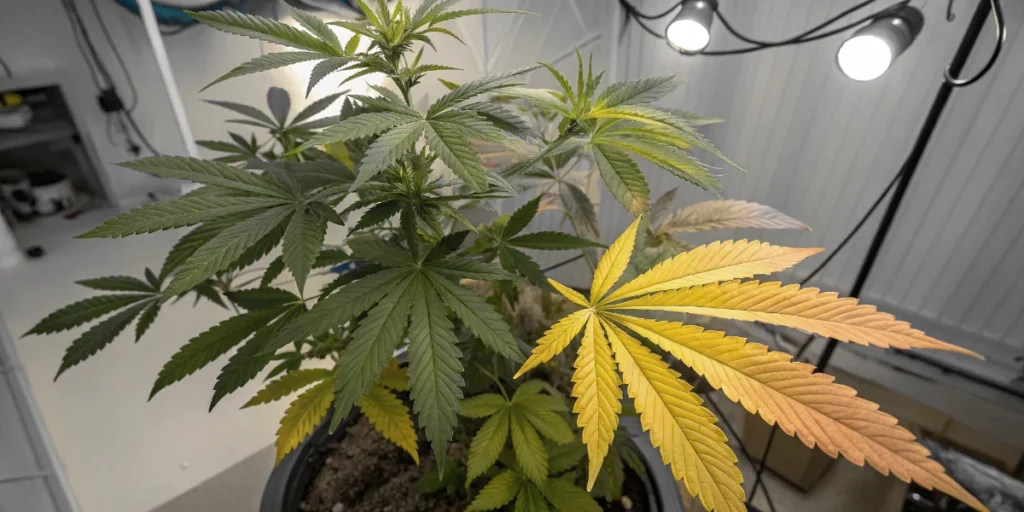
Role of Humidity in Cannabis Leaf Color Variation
Humidity not only influences color but also the variation seen in cannabis leaves. Different strains may respond uniquely to humidity levels, resulting in diverse color outcomes.
Recognizing how humidity affects cannabis leaf color is essential for tailoring cultivation practices to the specific needs of each strain. By recognizing the strain-specific responses to humidity, such as those exhibited by Blue Gelato 41, growers can optimize their environmental controls to enhance the plant’s natural pigmentation. This knowledge also aids in anticipating how potential changes in humidity may lead to color variation, allowing for proactive adjustments in the growing conditions to maintain healthy, vibrant plants.
Strain-Specific Responses
Each cannabis strain has its own response to humidity, which can affect leaf color. For example, Blue Gelato 41 tends to maintain its color well even in fluctuating humidity, making it a resilient choice for growers in variable climates.
Recognizing these strain-specific responses can help growers tailor their humidity management practices, ensuring each plant reaches its potential in terms of color and health.
Practical Tips for Managing Humidity
Managing humidity effectively can be challenging, but with the right strategies, growers can maintain optimal conditions for leaf color and overall plant health. Using hygrometers to monitor humidity and dehumidifiers or humidifiers to adjust levels are practical solutions.
For strains like Green Gelato and Mochi Gelato, consistent monitoring and adjustments ensure the leaves retain their vibrant colors, contributing to a successful and visually appealing harvest.
FAQ
What is the ideal humidity level for cannabis plants?
The ideal humidity level for cannabis plants varies depending on the growth stage. During the vegetative stage, 40-70% humidity is optimal, while during flowering, 30-50% is recommended. These levels help maintain leaf color and overall plant health.
Strains such as Blue Gelato 41 and Mochi Gelato may have specific humidity preferences, so adjusting levels according to the strain’s needs can enhance leaf pigmentation and growth.
How does high humidity affect cannabis leaves?
High humidity can lead to fungal diseases like powdery mildew, causing discoloration in cannabis leaves. It can also result in mold growth, which affects leaf color and plant health. Ensuring proper ventilation and humidity control can prevent these issues.
Green Gelato is particularly sensitive to high humidity, so monitoring and adjusting levels are important for maintaining its vibrant leaf color.
Why do cannabis leaves turn brown in low humidity?
In low humidity conditions, cannabis leaves can dry out, leading to dehydration stress and browning. This is due to the plant’s inability to retain sufficient moisture, which affects leaf color.
Mochi Gelato requires careful humidity management to prevent browning and maintain its distinctive coloration.
Can humidity levels change the color of specific cannabis strains?
Yes, humidity levels can influence the color of specific cannabis strains. Different strains may react differently to humidity changes, leading to variations in leaf color.
Blue Gelato 41, for example, tends to maintain its color well despite humidity fluctuations, making it a resilient choice for growers.
How can I manage humidity effectively in my grow space?
Managing humidity effectively involves using tools like hygrometers to monitor levels and devices like dehumidifiers or humidifiers to adjust them. Ensuring proper airflow and environmental control can help maintain ideal humidity for cannabis growth.
For strains like Green Gelato and Mochi Gelato, consistent humidity management is key to preserving their vibrant leaf colors and ensuring a healthy harvest.