
For those delving into cannabis cultivation, recognizing the various tools available to optimize plant health is crucial. Among these tools, the refractometer stands out as a device that can significantly enhance your growing results. But what is a refractometer in cannabis cultivation, and how can it help you grow superior plants? This guide will walk you through the importance and application of refractometers in your cannabis garden.
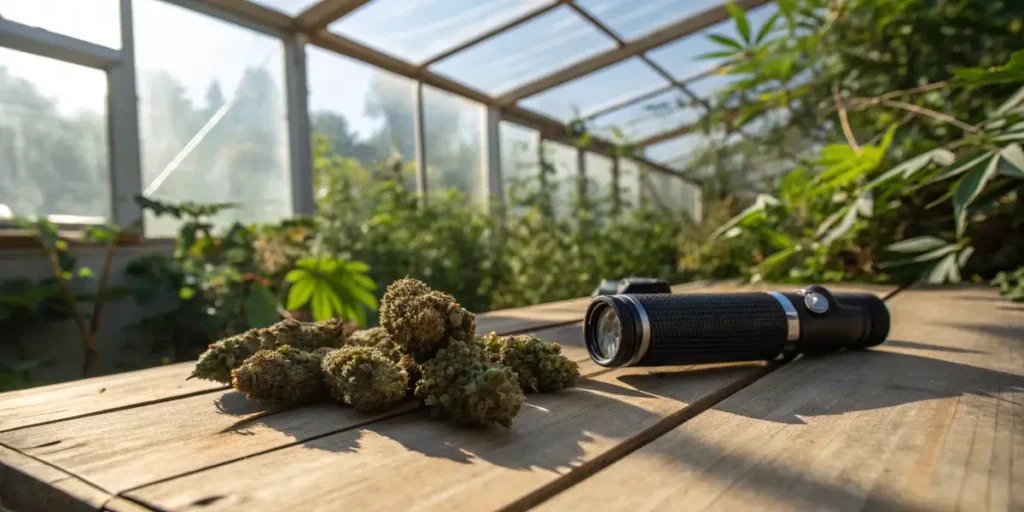
A refractometer is an instrument used to measure the refractive index of a substance, which in the context of cannabis cultivation, typically pertains to the plant’s sap. By measuring the refractive index, growers can gain insights into the plant’s health, sugar levels, and overall vitality. This simple yet effective tool can be a game-changer, especially when growing high-quality strains like Bruce Banner 3, known for its high THC content and robust growth.
Recommended Strains
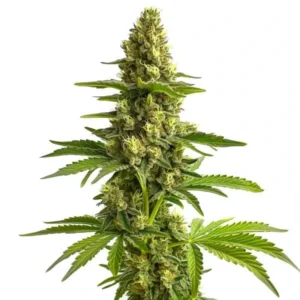
Bruce Banner 3

|
THC | 20% - 29% (High) |

|
Lineage | OG Kush x Strawberry Diesel |

|
Type | Feminized |

|
Height | 6.56 ft | 2 m |

|
Yield | High |

|
Yield Indoor | 1.31 - 1.64 oz/ft² | 400 - 500 g/m² |

|
Yield Outdoor | 17.64 - 26.46 oz/plant | 500 - 750 g/plant |

|
Flowering Time | 8 - 10 weeks |

|
Phenotype | 50% Indica / 50% Sativa |

|
Medical | Arthritis, Insomnia, Pain |

|
Effects | Happy, Relaxed, Talkative |

|
Flavors | Earthy, Fruity, Sweet |

West Coast OG X Gelato 41 Auto
|
|
THC | 22% - 23% (Medium) |
|
|
Lineage | West Coast OG x Gelato Auto 41 |
|
|
Type | Autoflowering |
|
|
Height | 3.12 ft | 0.95 m |
|
|
Yield Outdoor | 3.17 - 6.35 oz/plant | 90 - 180 g/plant |
|
|
Life Cycle | 9 - 10 weeks |
|
|
Phenotype | 80% Indica / 20% Sativa |
|
|
Effects | Euphoric, Relaxed |
|
|
Flavors | Citrus, Pine, Earthy |
Recognizing how to use a refractometer properly can help you make informed decisions about watering, nutrient levels, and harvesting times. Whether you’re cultivating Bruce Banner 3, West Coast OG X Gelato 41 Auto, or Gelato 41 X Gelato 41 Auto, a refractometer can provide critical data to fine-tune your cultivation practices.
In cannabis farming, measuring plant health with a refractometer can significantly affect yield and quality. The benefits of refractometer use in cannabis growing include improved plant monitoring, better nutrient management, and optimized harvest timing. Let’s dive into how refractometers can transform your cannabis cultivation efforts.
How Refractometers Work in Cannabis Cultivation
Refractometers operate on a simple principle: they measure how light bends as it passes through a liquid. In cannabis cultivation, this liquid is usually the plant sap. By placing a few drops of sap on the refractometer’s prism and looking through the eyepiece, you can read the Brix level, which indicates the sugar content and health of your plant.
Using a refractometer in cannabis growing helps you assess the internal conditions of your plants. When plants like the West Coast OG X Gelato 41 Auto exhibit healthy Brix levels, they’re more likely to resist pests and diseases. This strain is known for its resilience and quick flowering time, making it an excellent candidate for refractometer monitoring.
The refractive index provided by the refractometer reflects the concentration of dissolved solids in the plant sap. These readings are crucial for recognizing how well your plants are absorbing and utilizing nutrients, which is vital for strains like Gelato 41 X Gelato 41 Auto, celebrated for its balanced effects and high yields.
Refractometer applications in cannabis farming extend beyond measuring sugar levels. The insights gained can influence irrigation schedules and nutrient management practices, ensuring that each plant receives optimal care tailored to its specific needs.
Additionally, recognizing refractometer readings for cannabis allows you to track the progress of your plants as environmental conditions change. For example, in Bruce Banner 3 cultivation, close monitoring of Brix levels can indicate when adjustments are needed to maintain its high THC content. This precision is crucial for achieving the desired potency and quality associated with this strain, making the refractometer an indispensable tool.
Benefits of Using a Refractometer in Your Cannabis Garden
One of the primary benefits of a refractometer in cannabis cultivation is its ability to provide real-time feedback on plant health. This immediate data allows growers to make informed decisions that can enhance plant growth and yield. For example, Bruce Banner 3, with its high THC levels, requires precise nutrient management to reach its full potential. A refractometer can help achieve this by offering precise measurements of plant sap concentration.
Another significant advantage is pest and disease resistance. High Brix levels often correlate with stronger plants that are less susceptible to infestations and diseases. When growing strains like the West Coast OG X Gelato 41 Auto, maintaining high Brix levels can be crucial for ensuring the plant’s vigor and productivity.
For those looking to maximize their harvest, refractometers can aid in determining the perfect harvest window. By monitoring changes in Brix levels, you can harvest strains like Gelato 41 X Gelato 41 Auto at their peak, ensuring the best flavor and potency.
Overall, measuring cannabis plant health with a refractometer can lead to healthier plants, better yields, and higher quality buds, making it an indispensable tool for serious growers.
Furthermore, the benefits of refractometer use in cannabis growing extend to optimizing resource use, such as water and nutrients. By analyzing refractometer data, growers can avoid over-fertilization, which can lead to nutrient lockout or imbalances. This precision ensures that every plant, whether it’s Bruce Banner 3 or Gelato 41 X Gelato 41 Auto, receives the exact care it needs to thrive, ultimately enhancing the efficiency of your cultivation practices.
How to Use a Refractometer for Optimal Results
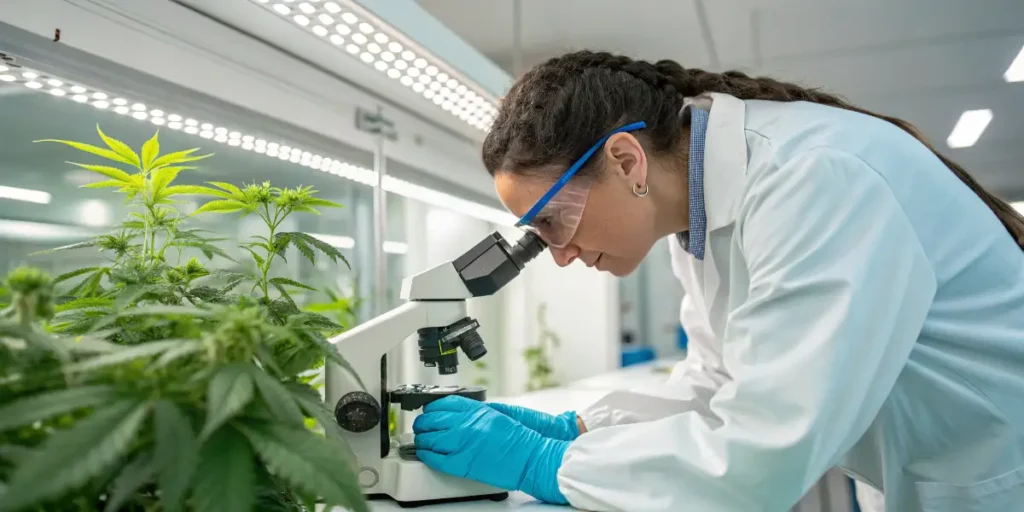
To get the most out of your refractometer, start by collecting a small sample of sap from a healthy leaf. This sap is the key to unlocking the plant’s internal health status. Use a garlic press or similar tool to extract the sap, ensuring you have enough to cover the refractometer’s prism.
Once you have your sap, clean the refractometer’s prism and apply a few drops. Close the cover plate and look through the eyepiece to read the Brix level. It’s essential to take readings at the same time each day for consistency, ideally after the plant has had a chance to photosynthesize for a few hours.
When interpreting refractometer readings for cannabis, remember that higher Brix levels often indicate healthier plants. This is particularly true for strains like Bruce Banner 3, where high Brix levels can lead to enhanced potency and aroma.
Regular use of a refractometer can help you track the impact of environmental changes, nutrient adjustments, and irrigation schedules on your plants. By recognizing refractometer readings for cannabis, you can make data-driven decisions that improve plant health and yield.
To further optimize results, consider integrating refractometer readings with digital tools or apps that can track data over time. This approach allows you to visualize trends and make predictive decisions, especially for strains like West Coast OG X Gelato 41 Auto, where timing and environmental conditions play a critical role in achieving the best growth outcomes. Such integration can lead to a more refined and successful cultivation strategy.
Integrating Strain-Specific Techniques with Refractometer Data
For each cannabis strain, refractometer data can be used to tailor specific growing techniques. Bruce Banner 3, with its demanding nutrient needs, benefits from close monitoring of Brix levels to ensure optimal growth and potency. Regular refractometer use can help you adjust feeding schedules to meet this strain’s high nutrient demands.
West Coast OG X Gelato 41 Auto, known for its fast flowering time and resilience, can be optimized by using refractometer data to fine-tune watering schedules. Maintaining the right moisture levels is crucial for this strain, and a refractometer can assist in preventing over or under-watering.
For those growing Gelato 41 X Gelato 41 Auto, known for its balanced effects and high yields, refractometer use can help in maximizing resin production. By ensuring that plants are well-fed and healthy, you can boost the terpenes and cannabinoids that define this strain’s unique profile.
By integrating refractometer readings with strain-specific knowledge, you can create a customized cultivation strategy that maximizes the potential of each plant in your garden.
Moreover, collaborating with other growers or utilizing forums can provide additional insights into how refractometer applications in cannabis farming have benefitted similar strains. Sharing experiences and data on platforms like Growlantis can enhance your knowledge of what is a refractometer in cannabis cultivation, leading to even more refined and successful growing techniques tailored to each unique strain’s characteristics.
FAQs on Refractometers in Cannabis Cultivation
How does a refractometer help in improving cannabis yields?
A refractometer aids in improving cannabis yields by providing detailed insights into plant health and nutrient uptake. By regularly measuring the Brix levels, growers can ensure that their plants are receiving the right amount of nutrients and water. This is particularly beneficial for high-yielding strains like Gelato 41 X Gelato 41 Auto, where optimal nutrition leads to bigger and more potent buds.
With consistent monitoring, growers can adjust their cultivation practices, such as nutrient feeding and watering schedules, to promote better growth and higher yields.
Can refractometers help in pest management for cannabis plants?
Yes, refractometers can significantly aid in pest management. High Brix levels often indicate strong, healthy plants that are more resistant to pest infestations. When growing strains like West Coast OG X Gelato 41 Auto, maintaining high Brix levels can reduce the likelihood of pest problems, as healthier plants are less vulnerable to attacks.
By using a refractometer to monitor plant health, growers can proactively address potential issues before they become significant problems.
What is the best time to take refractometer readings for cannabis plants?
The best time to take refractometer readings is during the late morning or early afternoon, after the plants have undergone photosynthesis for a few hours. This timing ensures that the readings reflect the plant’s active metabolic state, providing more accurate data.
Consistency is key, so try to take readings at the same time each day. This practice is especially beneficial when monitoring strains like Bruce Banner 3, where precise data can lead to improved potency and yield.
How can refractometers assist in determining the optimal harvest time?
Refractometers help determine the optimal harvest time by monitoring changes in Brix levels. As cannabis plants mature, their Brix levels change, indicating shifts in sugar content and overall plant health. For strains like Gelato 41 X Gelato 41 Auto, this information can pinpoint the peak harvest window, ensuring the best flavor and potency.
By tracking Brix levels, growers can identify the moment when plants have reached their maximum potential, leading to a more rewarding harvest.
Are refractometers suitable for all types of cannabis strains?
Yes, refractometers are suitable for all types of cannabis strains. They provide valuable data that can enhance the growth and quality of any strain, from high-THC varieties like Bruce Banner 3 to auto-flowering hybrids like West Coast OG X Gelato 41 Auto.
Regardless of the strain, using a refractometer can help growers make informed decisions that lead to healthier plants and better yields, making it a versatile tool in any cannabis garden.