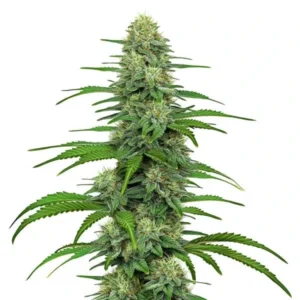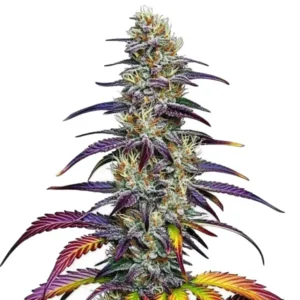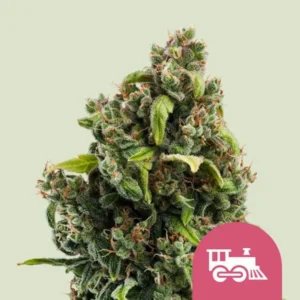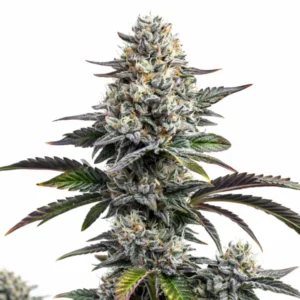
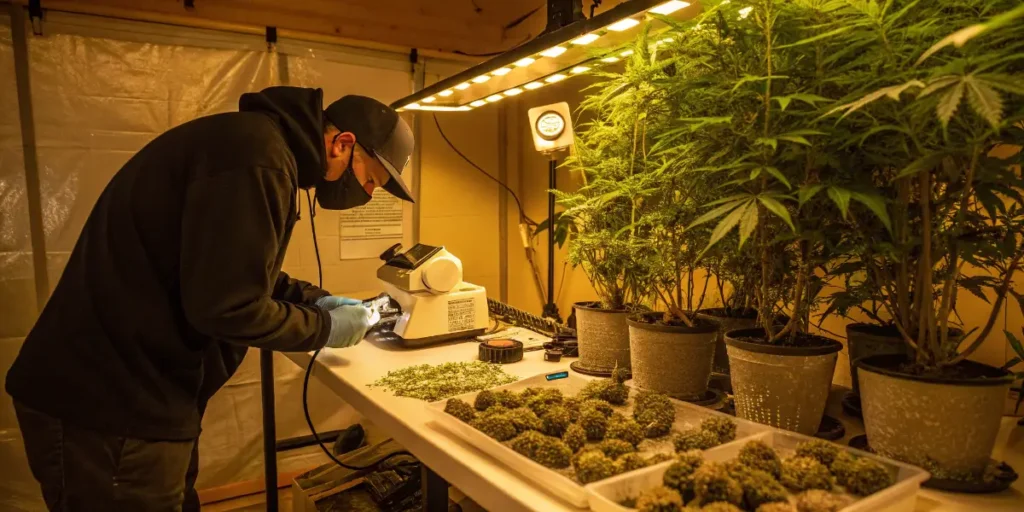

When it comes to optimizing your cannabis cultivation, the benefits of using a refractometer cannot be overstated. This handy tool allows growers to measure the sugar content in the sap or the juice of the plant, which is an essential marker of plant health. By recognizing these measurements, growers can make informed decisions to enhance the growth and potency of their crops. A refractometer can be a game changer, whether you’re growing Blue Gelato, Pink Runtz Auto, or Gorilla Glue 4 from Growlantis.
Blue Gelato, known for its rich terpene profile and high THC levels, benefits significantly from precise monitoring of plant health. By using a refractometer, growers can fine-tune the plant’s nutrient intake, ensuring the best conditions for this strain to thrive. Similarly, Pink Runtz Auto, with its impressive flowering time and auto-flowering characteristics, can achieve optimal yields with accurate sugar measurements. Gorilla Glue 4, a strain celebrated for its potency and sticky buds, can also reach its full potential through careful monitoring using a refractometer.
Recommended Strains

Blue Gelato

|
THC | 23% - 24% (High) |

|
Lineage | Blueberry x Thin Mint Girl Scout Cookies x Sunset Sherbert |

|
Type | Feminized |

|
Height | 5.74 ft | 1.75 m |

|
Yield | High |

|
Yield Indoor | 1.8 - 1.97 oz/ft² | 550 - 600 g/m² |

|
Yield Outdoor | 17.64 - 21.16 oz/plant | 500 - 600 g/plant |

|
Flowering Time | 9 - 10 weeks |

|
Phenotype | 80% Indica / 20% Sativa |

|
Effects | Balanced, Relaxed, Uplifted |

|
Flavors | Diesel, Earthy |
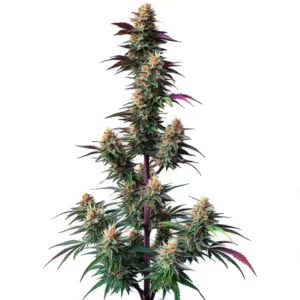
Pink Runtz Auto
|
|
THC | 20% - 24% (High) |
|
|
Lineage | Gelato x Zkittlez x Ruderalis |
|
|
Type | Autoflowering |
|
|
Height | 3.94 ft | 1.2 m |
|
|
Yield | High |
|
|
Yield Indoor | 1.31 - 1.64 oz/ft² | 400 - 500 g/m² |
|
|
Yield Outdoor | 4.23 - 5.29 oz/plant | 120 - 150 g/plant |
|
|
Life Cycle | 8 - 10 weeks |
|
|
Phenotype | 50% Indica / 50% Sativa |

|
Medical | Fatigue, Muscle Spasms, Stress |
|
|
Effects | Energetic, Euphoric, Uplifted |
|
|
Flavors | Cherry, Fruity, Sour, Sweet |
Measuring cannabis plant health with a refractometer allows growers to identify issues before they become problematic. This preventative approach leads to healthier plants and, ultimately, a more successful harvest. As you dive deeper into cannabis cultivation, recognizing how to utilize a refractometer effectively will set you apart as a grower.
How a Refractometer Works in Cannabis Cultivation
A refractometer is a device that measures the refractive index of a solution. In the context of cannabis cultivation, it is used to measure the sugar levels, known as Brix levels, in the plant’s sap. The Brix level is a crucial indicator of the plant’s overall health and nutrient status. A higher Brix level usually signifies a healthier plant with better resistance to pests and diseases.
For cannabis growers, recognizing the refractive index and its correlation to plant health is essential. The benefits of using a refractometer in cannabis cultivation extend to its ability to provide real-time data on plant status, allowing for immediate reactions to any changes in Brix levels. This is particularly advantageous for strains like Pink Runtz Auto, where rapid flowering requires consistent nutrient levels. The instant feedback from a refractometer empowers growers to maintain optimal conditions, ultimately leading to higher quality yields and improved plant vitality.
Advantages of a Refractometer in Cannabis Growth
Utilizing a refractometer offers several advantages in cannabis growth. First, it provides an easy and quick method to assess the health status of your plants. This information allows for immediate adjustments in nutrient management. Moreover, it can help in predicting the yield and potency of strains like Blue Gelato, which thrives when its nutritional needs are met precisely.
The advantages of using a refractometer in cannabis growth are multifaceted. Alongside offering a non-destructive testing method, refractometers enable precise measurements that can detect subtle shifts in plant health before they become visible. For instance, with Gorilla Glue 4, known for its dense and resinous buds, maintaining high Brix levels can prevent nutrient imbalances that might otherwise affect bud development. This proactive approach ensures that each plant receives the care it needs, leading to consistent and high-quality harvests.
Optimizing Cannabis Yield with a Refractometer
For growers aiming to maximize their yield, recognizing the benefits of using a refractometer in cannabis cultivation is crucial. By regularly monitoring the Brix levels, you can determine the plant’s nutrient uptake efficiency. This is especially important for high-yield strains like Gorilla Glue 4, which require precise nutrient management to produce their renowned sticky and potent buds.
Optimizing cannabis yield with a refractometer involves more than just monitoring; it requires strategic adjustments based on the data collected. For Blue Gelato, a strain that demands precise environmental conditions, keeping a close watch on Brix levels ensures that nutrient and light cycles are perfectly aligned with the plant’s growth stages. This careful calibration not only boosts yield but also enhances the plant’s overall quality, showcasing the powerful impact of a refractometer in fine-tuning cultivation practices.
Improving Cannabis Potency with a Refractometer
Cannabis potency is a significant concern for both recreational and medicinal users. The potency is often linked to the plant’s cannabinoid and terpene profile, which are influenced by its overall health. By using a refractometer, growers can improve cannabis potency through better nutrient management and stress reduction.
Improving cannabis potency with a refractometer means leveraging its data to enhance cannabinoid production. For growers of Pink Runtz Auto, a strain prized for its balanced effects, maintaining optimal Brix levels can significantly influence the balance and concentration of cannabinoids like THC and CBD. This is achieved by ensuring the plant’s metabolic processes are functioning efficiently, leading to a more potent and flavorful end product. The consistent monitoring afforded by a refractometer thus becomes a vital part of refining cannabis potency.
Refractometer Use in Cannabis Quality Control
Quality control is an integral part of cannabis cultivation. A refractometer can be a vital tool in ensuring consistent quality across your crops. By regularly checking the Brix levels, you can maintain a standard level of quality, which is crucial for commercial growers who need to meet market demands.
Refractometer use in cannabis quality control is indispensable for maintaining the reputation of high-demand strains like Gorilla Glue 4. By ensuring consistent Brix readings, growers can confidently produce batches that meet expected standards for potency and flavor. This consistency is particularly important in commercial settings, where maintaining brand reputation is crucial. The refractometer serves as an invaluable tool for achieving uniform quality in every harvest, reinforcing the benefits of using a refractometer in cannabis cultivation.
Measuring Cannabis Plant Health with a Refractometer
The health of a cannabis plant directly affects its growth and yield. Using a refractometer, you can monitor plant health through Brix level readings. This data allows you to assess photosynthesis efficiency and nutrient uptake, which are critical for plant development.
Measuring cannabis plant health with a refractometer provides insights that are not immediately visible to the naked eye. For cultivators of Blue Gelato, where terpene richness is a hallmark, tracking Brix levels helps ensure that the plant’s physiological processes are running smoothly, ultimately enhancing flavor profiles. Regular checks can detect early signs of stress or nutrient deficiency, allowing growers to take preemptive measures to safeguard plant health and maximize yield potential.
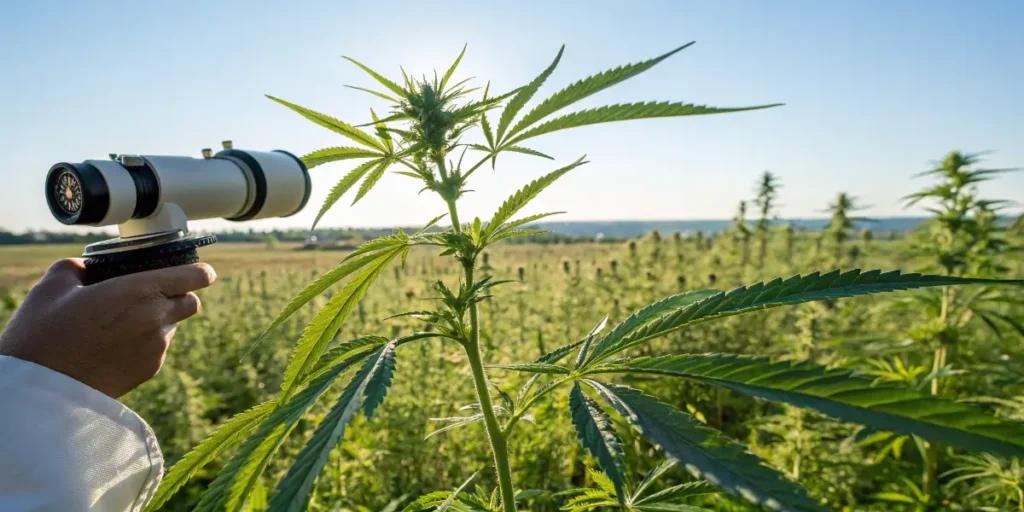
Practical Tips for Using a Refractometer in Cannabis Cultivation
Incorporating a refractometer into your cannabis cultivation routine can significantly enhance your growing outcomes. Here are some practical tips to maximize its effectiveness:
First, ensure your refractometer is calibrated correctly. Calibration is essential for accurate readings. Most refractometers come with calibration instructions, and following them ensures you get reliable data. Regular calibration, especially before measuring, will provide consistency in your readings.
Sampling Techniques
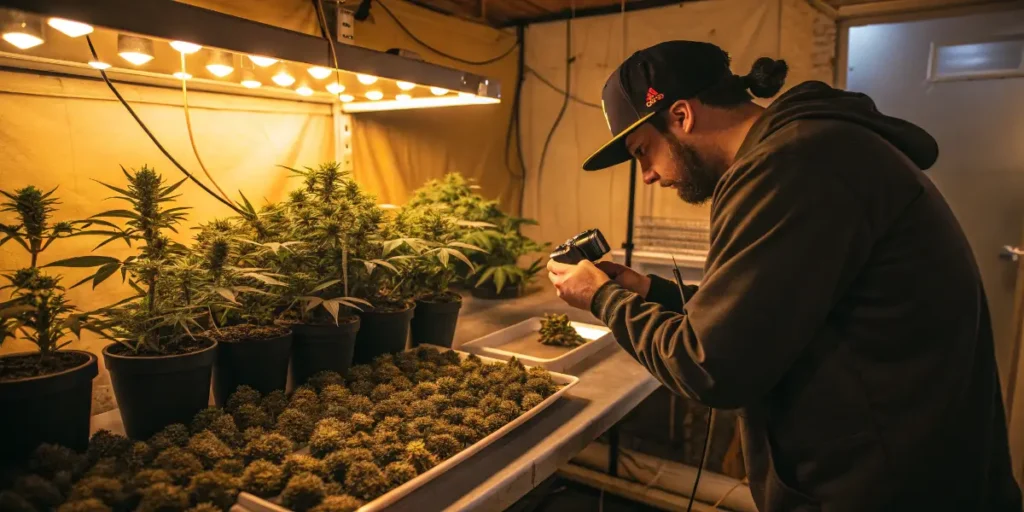
For accurate Brix level readings, proper sampling techniques are critical. Always take samples from the same part of the plant for consistency, ideally from mature leaves. This approach provides a more accurate representation of the plant’s overall health.
Consider the time of day when sampling. Early morning samples might show different results compared to those taken later in the day due to the plant’s photosynthesis cycle. Keeping your sampling consistent in terms of timing will yield more reliable data.
Data Interpretation and Action
Recognizing the data from your refractometer is crucial. High Brix levels generally indicate healthy plants with strong photosynthesis and nutrient uptake. In contrast, low levels might suggest stress or nutrient deficiencies.
Use this data to adjust your cultivation practices. For instance, if growing Blue Gelato, a high Brix reading can allow you to maintain current nutrient levels, while a low reading might prompt an increase in nutrient supply. This targeted approach helps in achieving the best results for each strain.
FAQ
What is a refractometer used for in cannabis cultivation?
A refractometer is used to measure the Brix levels in cannabis plants, which indicates the sugar content in the plant’s sap. This measurement is a key indicator of plant health and helps growers make informed decisions about nutrient management and plant care.
By recognizing the Brix levels, growers can optimize conditions for cannabis strains like Blue Gelato, Pink Runtz Auto, and Gorilla Glue 4, ensuring they achieve their maximum potential in terms of potency and yield.
How does a refractometer improve cannabis potency?
By monitoring the Brix levels, a refractometer helps ensure that cannabis plants are metabolizing nutrients efficiently. This efficiency leads to better production of cannabinoids and terpenes, which are responsible for the plant’s potency.
For strains such as Blue Gelato, which are known for high THC levels, maintaining optimal Brix levels can enhance both the psychoactive and therapeutic effects of the cannabis.
Can a refractometer help in diagnosing plant health issues?
Yes, a refractometer is an excellent tool for diagnosing potential plant health issues. Changes in Brix levels can indicate stress, nutrient deficiencies, or other problems before they become severe.
For example, if Pink Runtz Auto shows a sudden drop in Brix levels, it may require adjustments in nutrient supply or other growing conditions to prevent yield loss and maintain plant health.
What are the sampling best practices when using a refractometer?
When using a refractometer, consistency in sampling is key. Always take samples from the same part of the plant, such as mature leaves, to ensure accuracy. The time of day can also affect readings, so try to sample around the same time each day for consistent data.
These practices help ensure that the data you collect is reliable and can be used effectively to make informed decisions in your cannabis cultivation efforts.
How often should I use a refractometer in cannabis cultivation?
It is recommended to use a refractometer regularly throughout the cannabis growth cycle. Frequent monitoring allows for early detection of any issues and ensures that plants receive the necessary nutrients and care.
Regularly measuring Brix levels, especially in high-yield strains like Gorilla Glue 4, ensures that your plants are on track to produce a quality harvest. This consistent monitoring is a proactive approach to cannabis cultivation.