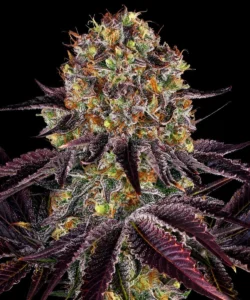


When discussing the health and productivity of cannabis plants, Brix levels often come into the conversation. Brix is a measure of the sugar content in plant sap, and it’s a crucial indicator of the plant’s overall health. For cannabis growers, recognizing Brix levels can lead to higher yields and better-quality plants. Brix levels, measured with a refractometer, offer insights into the plant’s nutritional status and potential stressors.
The sugar content in your cannabis plants, indicated by the Brix level, can affect everything from growth rate to resistance to pests. When cannabis plants like Gelato show high Brix levels, it generally signifies that they are healthy and likely to produce potent, flavorful buds. On the other hand, low Brix levels may indicate stress or poor nutrition, which can negatively impact yields and cannabinoid content.
Recommended Strains
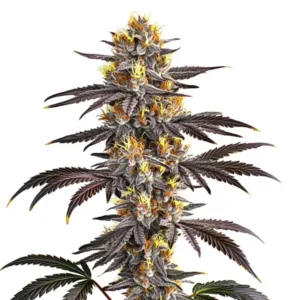
Gelato

|
THC | 27% (High) |

|
Lineage | Sunset Sherbet x Thin Mint Girl Scout Cookies |

|
Type | Feminized |

|
Height | 6.56 ft | 2 m |

|
Yield | High |

|
Yield Indoor | 1.64 oz/ft² | 500 g/m² |

|
Yield Outdoor | 21.16 - 28.22 oz/plant | 600 - 800 g/plant |

|
Flowering Time | 8 - 10 weeks |

|
Phenotype | 50% Indica / 50% Sativa |

|
Medical | Arthritis, Insomnia, Pain |

|
Effects | Happy, Relaxed, Talkative |

|
Flavors | Berry, Citrus, Sweet |

Critical Runtz
|
|
THC | 22% - 24% (High) |
|
|
Lineage | Critical x Runtz |
|
|
Type | Feminized |
|
|
Height | 5.74 ft | 1.75 m |
|
|
Yield | High |
|
|
Yield Indoor | 1.31 - 1.8 oz/ft² | 400 - 550 g/m² |
|
|
Flowering Time | 8 - 9 weeks |
|
|
Phenotype | 70% Indica / 30% Sativa |
|
|
Effects | Euphoric, Energetic, Relaxed |
|
|
Flavors | Sweet, Citrus, Berry, Tropical |
Interpreting Brix levels in cannabis cultivation involves more than just measuring sugar. It encompasses recognizing the plant’s overall health and adjusting cultivation practices accordingly. By monitoring Brix levels, growers can make informed decisions about fertilization, watering, and pest management. This proactive approach can significantly enhance the quality and quantity of the harvest, particularly with strains like Critical Runtz and Runtz X Layer Cake, which are known for their robust growth and high yields.
How Brix Levels Affect Cannabis Yield
Brix levels are a direct indicator of the photosynthesis efficiency in cannabis plants. High Brix levels mean that the plant is effectively converting sunlight into sugars, which are then used for growth and development. This is particularly important for strains like Gelato, which are prized for their dense, resinous buds. A high Brix level can enhance the flavor profile and potency of the cannabis by improving the plant’s overall health.
For growers targeting optimal Brix levels for cannabis plants, it is essential to ensure that the plants are receiving adequate nutrients. Essential nutrients like nitrogen, phosphorus, and potassium support healthy plant growth, but micronutrients also play a vital role. When growing Critical Runtz, which is known for its high THC content, maintaining balanced nutrition is crucial for achieving high Brix levels and maximizing yield.
Additionally, environmental factors such as light, temperature, and humidity can influence Brix levels. For instance, stress from high heat or water deficiency can lower a plant’s Brix levels, indicating a need for adjustments in the growing environment. By maintaining optimal conditions, growers can support the natural processes that lead to high Brix levels, ultimately resulting in a successful harvest.
Recognizing what Brix levels mean in cannabis plants is essential for maximizing their yield and potency. By consistently monitoring and analyzing these levels, growers can identify the best practices for each strain. For example, Runtz X Layer Cake often thrives under specific light cycles that promote higher Brix levels, resulting in increased bud density. This kind of tailored approach to cultivation, informed by Brix readings, can make a significant difference in the overall success of the grow.
Improving Brix Levels Through Nutrient Management
One of the most effective ways to improve Brix levels in cannabis plants is through careful nutrient management. This involves not just feeding the plants but recognizing what specific nutrients they need at different stages of growth. For example, during the vegetative stage, cannabis strains like Runtz X Layer Cake require a balanced nutrient mix to support rapid growth and healthy leaf development.
Micronutrients such as iron, magnesium, and calcium are critical for enzymatic functions and overall plant health. A deficiency in any of these can lead to lower Brix levels, indicating poor photosynthesis efficiency. By regularly testing the soil and adjusting nutrient levels, growers can ensure their plants have everything they need to thrive.
Environmental Factors Influencing Brix Levels
Environmental conditions play a significant role in determining Brix levels in cannabis plants. Light is one of the most crucial factors, as it directly influences photosynthesis. Ensuring that cannabis plants like Gelato receive ample light will help maintain high Brix levels, which in turn supports robust growth and resin production.
Temperature and humidity also affect Brix levels. Cannabis plants typically thrive in moderate temperatures with low to moderate humidity levels. High humidity can lead to mold and mildew, which can stress the plant and lower Brix levels. By monitoring and controlling the grow environment, growers can avoid these pitfalls and maintain healthy, high-Brix plants.
Interpreting Brix Levels in Cannabis Cultivation
Interpreting Brix levels in cannabis involves recognizing what different readings mean for plant health and productivity. A higher Brix level generally indicates a healthier plant, with better resistance to pests and diseases. This is particularly important for strains like Critical Runtz, which are known for their robust growth and resilience.
Low Brix levels can signal several issues, such as nutrient deficiencies, water stress, or pest infestations. By regularly checking Brix levels, growers can catch these problems early and take corrective action. For example, if Runtz X Layer Cake shows low Brix levels, it might be necessary to adjust the nutrient mix or watering schedule to improve plant health.
Another aspect of interpreting Brix levels in cannabis cultivation is recognizing the connections between Brix readings and environmental conditions. For instance, the strain Gelato may require a slightly different approach to lighting and humidity to maintain optimal Brix levels compared to other strains. By fine-tuning these conditions based on Brix measurements, growers can ensure their plants remain in peak health, leading to a more productive and flavorful harvest.
Using a Refractometer to Measure Brix Levels
To measure Brix levels, growers use a tool called a refractometer. This device measures the refraction of light through plant sap, providing a reading of the sugar content. Refractometers are simple to use and provide immediate feedback, making them an essential tool for any serious cannabis grower.
When using a refractometer, it’s important to take samples from healthy leaves at different stages of growth. This will give a more accurate picture of the plant’s overall health and help identify any potential issues. Regular monitoring of Brix levels can guide growers in making adjustments to their cultivation practices, ensuring optimal plant health and yield.
Practical Tips for Maintaining High Brix Levels
Maintaining high Brix levels in cannabis plants requires a combination of proper nutrition, environmental control, and regular monitoring. Here are a few practical tips to help growers achieve this:
- Ensure a balanced nutrient mix tailored to each growth stage.
- Monitor environmental conditions, including light, temperature, and humidity.
- Use a refractometer regularly to check Brix levels and make adjustments as needed.
- Keep a close eye on plant health and address any signs of stress promptly.
By following these guidelines, growers can maintain high Brix levels in strains like Gelato, Critical Runtz, and Runtz X Layer Cake, ensuring a healthy, productive crop.

The Significance of Brix Measurement in Marijuana
Measuring Brix levels is a critical aspect of cannabis cultivation, providing insights into plant health and potential yield. A high Brix level signifies robust plant health, which translates to better quality cannabis with enhanced flavor and potency. This is particularly beneficial for premium strains like Gelato, known for its rich terpene profile and potent effects.
For commercial growers, maintaining optimal Brix levels is crucial for maximizing yield and ensuring a high-quality product. Strains like Critical Runtz and Runtz X Layer Cake, with their high yield potential, benefit significantly from careful monitoring and management of Brix levels. By incorporating Brix measurements into their cultivation practices, growers can produce superior cannabis that meets the expectations of discerning consumers.
Recognizing the significance of Brix measurement in marijuana cultivation is essential for achieving consistent quality. By leveraging data from Brix readings, growers can fine-tune their approach to each strain, ensuring that specific needs are met for optimal growth. Companies like Growlantis emphasize the importance of this practice, offering resources and tools to help growers maintain the highest standards in cannabis production. This attention to detail ensures that each harvest is as successful and potent as possible.
Frequently Asked Questions
What is the optimal Brix level for cannabis plants?
The optimal Brix level for cannabis plants generally ranges from 12 to 14. This range indicates that the plant is efficiently photosynthesizing and has a good sugar content, which correlates with healthy growth and high resistance to pests and diseases.
Maintaining this level involves ensuring adequate nutrition and environmental conditions. Regular monitoring with a refractometer can help growers keep their plants within this optimal range, leading to a more successful cultivation experience.
How do Brix levels affect the yield of cannabis plants?
Brix levels have a direct impact on the yield of cannabis plants. High Brix levels suggest that the plant is healthy and capable of producing more substantial and potent buds. This is crucial for strains like Critical Runtz, which are valued for their high yield and THC content.
By maintaining high Brix levels through proper nutrition and environmental management, growers can maximize the potential yield of their cannabis plants, ensuring a bountiful harvest.
What factors can cause low Brix levels in cannabis plants?
Low Brix levels can be caused by several factors, including nutrient deficiencies, water stress, and unfavorable environmental conditions. For instance, inadequate light or water can hinder photosynthesis, leading to lower sugar production and reduced Brix levels.
To address low Brix levels, growers should evaluate their nutrient regimen, watering schedule, and environmental controls. Making necessary adjustments can help restore plant health and improve Brix readings over time.
Can Brix levels indicate pest or disease problems in cannabis plants?
Yes, Brix levels can serve as an early indicator of pest or disease issues. A sudden drop in Brix levels may suggest that the plant is under stress from pests or diseases, affecting its ability to photosynthesize efficiently.
By regularly monitoring Brix levels, growers can detect potential problems early and take corrective action, such as applying natural pest controls or adjusting nutrient levels, to safeguard their plants.
How can I improve the Brix levels in my cannabis plants?
Improving Brix levels in cannabis plants involves ensuring they receive adequate nutrition and are grown under optimal environmental conditions. This includes providing a balanced nutrient mix, appropriate lighting, and maintaining ideal temperature and humidity levels.
Regular use of a refractometer to monitor Brix levels allows growers to make timely adjustments to their cultivation practices. By addressing any deficiencies or stressors promptly, growers can enhance plant health and achieve higher Brix levels, leading to better yield and quality.