

High heat conditions can be challenging for any grower, especially when cultivating sensitive crops like cannabis. Monitoring plant stress with brix in high heat conditions becomes crucial to ensure healthy growth and optimal yields. Brix, a measure of the sugar content in plant sap, serves as an indicator of plant health. By keeping an eye on brix levels, growers can take proactive steps to mitigate stress and promote the well-being of their plants. This guide delves into the practical aspects of using brix measurements to manage plant stress, particularly during those scorching summer months.
In hot climates, plants like cannabis are more prone to stress, which can lead to reduced yields and compromised quality. The brix level, which reflects the sugar concentration in plant tissues, offers insights into how well a plant is coping with environmental conditions. When brix levels drop, it often signals that the plant is under stress. By regularly measuring these levels, growers can quickly adjust their care strategies, such as watering schedules and nutrient applications, to better suit the plant’s needs.
Recommended Strains
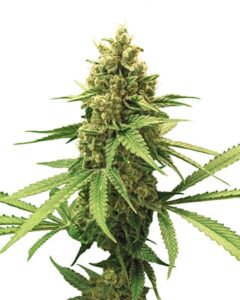
GG Autoflower

|
THC | 24% - 26% (High) |

|
Lineage | (Chem's Sister x Chocolate Diesel) x Ruderalis |

|
Type | Autoflowering |

|
Height | 3.94 ft | 1.2 m |

|
Yield | Medium |

|
Yield Indoor | 1.47 oz/ft² | 450 g/m² |

|
Yield Outdoor | 19.4 oz/plant | 550 g/plant |

|
Life Cycle | 8 - 9 weeks |

|
Phenotype | 40% Indica / 60% Sativa |

|
Effects | Euphoric, Happy, Relaxed |

|
Flavors | Chocolate, Coffee, Earthy, Pine |

Wedding Cake
|
|
THC | 19% - 20% (Medium) |
|
|
Lineage | Girl Scout Cookies x Cherry Pie |
|
|
Type | Feminized |
|
|
Height | 3.94 ft | 1.2 m |
|
|
Yield | High |
|
|
Yield Indoor | 1.47 - 1.64 oz/ft² | 450 - 500 g/m² |
|
|
Yield Outdoor | 19.4 - 21.16 oz/plant | 550 - 600 g/plant |
|
|
Flowering Time | 8 - 10 weeks |
|
|
Phenotype | 80% Indica / 20% Sativa |
|
|
Effects | Giggly, Relaxed |
|
|
Flavors | Cookie, Earthy, Fruity |
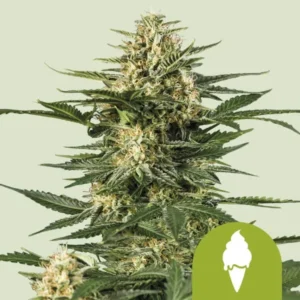
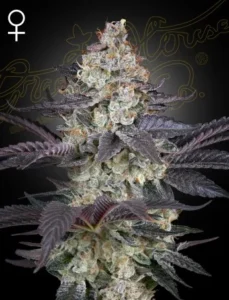
For both novice and seasoned cannabis cultivators, recognizing the relationship between brix levels and plant stress is an invaluable skill. By integrating brix monitoring into your routine, you can ensure that strains like Gorilla Glue Auto, Wedding Cake, and Green Gelato Auto thrive even in extreme heat. Each of these strains has unique characteristics that make them suitable for different growing conditions, and brix measurements can help tailor the growing environment to their specific needs.
The Science Behind Brix and Plant Stress
Brix is a measure of the sugar content in plant sap, and it serves as an indicator of overall plant health. A brix reading is obtained using a refractometer, a simple tool that measures how light is bent, or refracted, as it passes through the plant sap. High brix levels generally indicate that a plant is healthy and can effectively produce sugars through photosynthesis. Conversely, low brix levels suggest that the plant is under stress or not performing optimally.
During heatwaves, plants often close their stomata to reduce water loss, which can lead to decreased photosynthesis and lower brix levels. Monitoring plant stress with brix during heatwaves allows growers to identify these stress signs early. By addressing the root causes of stress, such as inadequate watering or nutrient deficiencies, growers can take corrective actions to restore the plant’s health.
Recognizing the physiological changes in plants during high temperatures can further enhance the effectiveness of monitoring plant stress with brix in high heat conditions. For example, when brix levels drop, it may indicate that the plant’s energy reserves are being depleted faster than they are replenished. This scenario is particularly common for strains like Wedding Cake, which require consistent energy for optimal bud development. By closely monitoring brix levels, growers can ensure that these energy demands are met, helping the plants to maintain robust growth and high-quality yields.
How Heat Affects Brix Levels
High temperatures can significantly impact a plant’s ability to maintain high brix levels. As the temperature rises, the plant’s metabolic processes speed up, increasing the demand for water and nutrients. If these needs are not met, the plant cannot produce enough sugars, leading to a drop in brix levels. This is why measuring plant stress through brix in extreme heat is so important.
For strains like Gorilla Glue Auto, which are known for their resilience, maintaining optimal brix levels can ensure that their robust growth and potent yields are not compromised. By keeping an eye on brix, growers can adjust their care strategies to ensure that these plants continue to perform well even in high temperatures.
Accurate monitoring of brix levels can also serve as an early warning system for potential heat stress impacts on cannabis plants. Green Gelato Auto, for instance, may show decreased brix levels when exposed to prolonged heat, signaling the need for immediate intervention. By evaluating plant stress with brix in summer heat, growers can make timely adjustments to shading and hydration strategies, ensuring that even the most heat-sensitive strains continue to thrive and produce high yields.
The function of Brix in Nutrient Management
Nutrient management is another critical factor in maintaining high brix levels. Without adequate nutrients, plants cannot produce the necessary sugars to sustain themselves. Evaluating plant stress with brix in summer heat helps highlight when plants may be experiencing a nutrient deficiency.
Strains like Wedding Cake, which thrive in nutrient-rich environments, can particularly benefit from brix monitoring. By ensuring that the brix levels remain high, growers can confirm that their plants are receiving the right amount of nutrients, which is crucial for maintaining the strain’s high THC levels and dense buds.
Growlantis emphasizes the importance of a balanced nutrient regimen to support brix levels, especially during periods of high heat. For example, when monitoring plant stress with brix in high heat conditions, a sudden drop in readings may indicate the need for additional micronutrients. By using this data, growers can fine-tune their nutrient solutions, optimizing the plant’s resilience and ensuring that strains like Gorilla Glue Auto reach their full potential in both potency and yield.
Using Brix to Manage Watering Schedules
In high heat conditions, effective water management becomes paramount. Monitoring plant stress with brix in high heat conditions can inform watering schedules, helping growers avoid both overwatering and underwatering. When plants are overwatered, they may struggle to uptake nutrients effectively, leading to lower brix levels. On the other hand, underwatering can cause plants to close their stomata, reducing photosynthesis and subsequently lowering brix levels.
For strains such as Green Gelato Auto, which have a relatively quick flowering time, maintaining proper hydration is critical to ensuring their rapid growth and high yields. By using brix measurements to guide watering practices, growers can better support these plants’ needs, even during the hottest days.
Effective water management, guided by brix readings, can significantly reduce plant stress and enhance overall yield. By measuring plant stress through brix in extreme heat, growers can tailor their watering schedules to prevent the detrimental effects of both over and under-watering. For instance, consistent brix monitoring allows for timely interventions, ensuring that the delicate balance of moisture is maintained for strains like Wedding Cake, which are particularly sensitive to hydration levels during their flowering phase.
Adjusting Water Frequency
When brix levels indicate stress, adjusting the frequency of watering can help. If brix levels are low, it might suggest the plant is not receiving enough water. Conversely, consistently high moisture levels with low brix could indicate overwatering. Monitoring brix levels allows growers to find that sweet spot in watering frequency, ensuring the plant remains healthy and stress-free.
For example, if you’re growing Gorilla Glue Auto and notice a drop in brix levels, it might be time to reassess your watering approach. This strain, known for its high resin production, requires a balanced watering schedule to maintain its vigorous growth and high THC content.
Timing Watering Sessions
Timing is another factor influenced by brix monitoring. Watering during the early morning or late afternoon can be more beneficial than during the hottest parts of the day. This strategy helps the plant absorb water more efficiently, reducing stress and maintaining higher brix levels.
For Wedding Cake, choosing the right time to water can help in maximizing the strain’s potential. With its dense buds and sweet flavor profile, maintaining adequate hydration while preventing excessive moisture is key to achieving the desired results. Brix measurements can guide growers to implement timely watering sessions that support the plant’s health and productivity.
Practical Tips for Brix Measurement
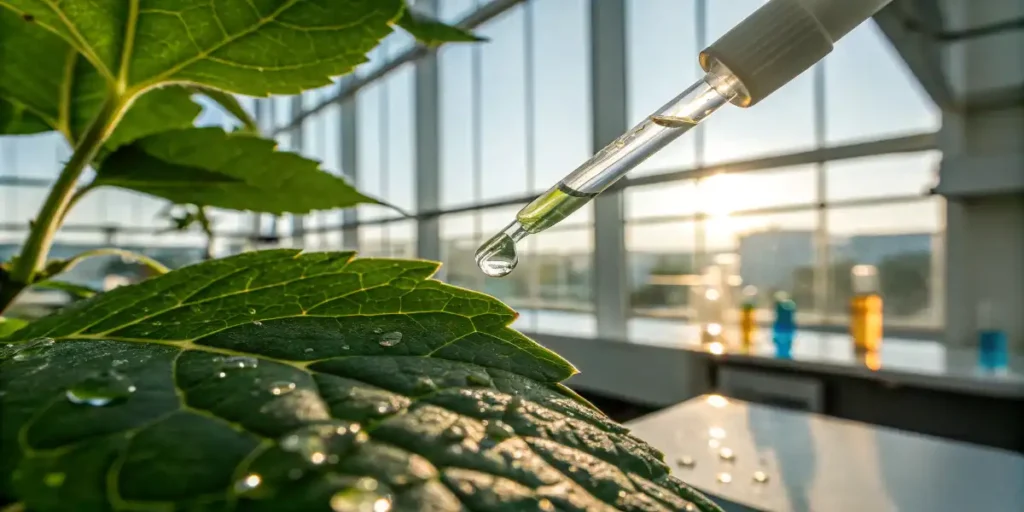
Measuring brix levels is relatively straightforward, but there are several tips that can enhance accuracy and usefulness. Using a refractometer, growers can quickly and easily assess the sugar content of plant sap. Here are some practical tips for getting the most out of your brix measurements.
First, ensure that your refractometer is calibrated correctly. This can be done with distilled water, which should give a reading of zero. Accurate calibration is essential for obtaining reliable brix levels, which are crucial for effective plant stress management in hot climates.
Consistency in sampling techniques is crucial for obtaining reliable brix readings over time. When using brix to assess plant health in high temperatures, it is important to establish a routine that captures the plant’s true response to environmental conditions. By following a consistent sampling approach, growers can effectively monitor plant stress with brix during heatwaves and make informed decisions about their crop management strategies, ensuring strains like Green Gelato Auto remain healthy and productive.
Sampling Techniques
When sampling plant sap for brix measurements, it’s important to collect samples from the same location and at the same time of day. This consistency helps provide a true picture of the plant’s health over time, allowing for more effective monitoring of plant stress with brix during heatwaves.
For strains like Green Gelato Auto, which have specific growth characteristics, consistent sampling can help track how well the plant is adapting to its environment. By keeping a close eye on brix levels, growers can make informed decisions about any adjustments needed in their care routine.
Interpreting Brix Readings
Interpreting brix readings requires an recognizing of what constitutes a good level for your specific plant species and variety. Generally, higher brix levels indicate healthier plants. However, each cannabis strain might have slightly different optimal levels.
For instance, Gorilla Glue Auto might have a target brix range that supports its high resin production and strong growth patterns. By comparing your brix readings to these benchmarks, you can assess whether your current growing conditions are meeting the strain’s needs.
Integrating Brix Monitoring into Crop Management
Integrating brix monitoring into your regular crop management routine can enhance overall plant health and yield. By regularly checking brix levels, growers can anticipate stressors and make timely interventions. This proactive approach is especially beneficial during periods of high heat, where plant stress can quickly escalate.
Cannabis strains like Wedding Cake and Green Gelato Auto require careful attention to their growing conditions to maintain their high-quality output. By using brix as a tool for assessing plant health, growers can ensure that these strains receive the care they need to flourish.
Growlantis offers tools and insights to optimize brix levels, helping growers maintain consistent plant health and maximize yield potential. By monitoring plant stress with brix during heatwaves, cultivators can implement targeted interventions, such as adjusting nutrient mixes or modifying watering schedules, to address specific stressors. This integrated approach not only supports the robust growth of Gorilla Glue Auto but also enhances the potency and flavor profiles of Wedding Cake and Green Gelato Auto, ensuring premium quality harvests.
Adapting Nutrient Plans
When brix levels suggest nutrient deficiencies, adjusting your nutrient plan can help. This might involve increasing the frequency of feeding or changing the nutrient composition to better suit the plant’s current needs.
With strains such as Green Gelato Auto, which have a fast growth cycle, nutrient adjustments based on brix readings can support the plant’s rapid development and enhance its flavor profile. Monitoring plant stress with brix in high heat conditions provides the insights needed to make these critical adjustments.
Enhancing Pest and Disease Management
Healthy plants with high brix levels are generally more resistant to pests and diseases. By maintaining optimal brix levels, growers can help protect their crops from common threats. This is particularly important for maintaining the quality and yield of strains like Gorilla Glue Auto.
For Wedding Cake, which has a reputation for its rich flavors and high potency, preventing pest and disease outbreaks is crucial. Regular brix monitoring allows growers to maintain strong plant health, reducing the likelihood of infestations and ensuring the strain’s premium quality is preserved.

FAQ
How often should I check brix levels in my plants?
Checking brix levels weekly is recommended to maintain a consistent recognizing of your plant’s health. During periods of extreme heat, you might want to increase the frequency to every few days. This helps you quickly address any stress signs and adjust your care strategies accordingly.
Regular monitoring is especially beneficial for strains like Green Gelato Auto, which require careful attention to their growing conditions. By frequently checking brix, you can ensure that your plants remain healthy and productive, even when temperatures soar.
What brix level is ideal for cannabis plants?
Ideal brix levels can vary depending on the strain and growing conditions. However, a brix level of around 12 to 15 is generally considered good for cannabis plants. Strains like Gorilla Glue Auto, known for their high resin production, might thrive at the higher end of this range.
Monitoring plant stress with brix during heatwaves involves recognizing these benchmarks and comparing them with your readings. If you notice levels below the optimal range, it may be a sign that your plants are experiencing stress and require immediate attention.
Can brix levels help detect nutrient deficiencies?
Yes, brix levels can be an effective indicator of nutrient deficiencies. Low brix readings often suggest that a plant isn’t receiving enough nutrients to sustain healthy growth. By addressing these deficiencies, you can improve the plant’s overall health and boost its brix levels.
For strains like Wedding Cake, maintaining high brix levels is crucial for achieving the desired potency and flavor profile. Regular brix monitoring allows you to fine-tune your nutrient management, ensuring your plants receive everything they need.