
The correlation between brix levels and cannabinoid potency has become a hot topic among cannabis enthusiasts and cultivators. Brix levels, which measure the sugar content in the sap of cannabis plants, are often used as an indicator of plant health and potential yield. Higher brix levels generally suggest a healthier plant, which can lead to increased cannabinoid potency. This relationship is crucial for both novice growers and experienced cultivators aiming to optimize their harvests.
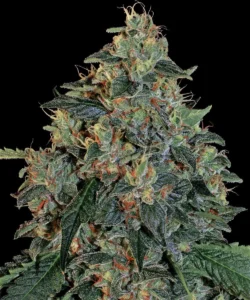
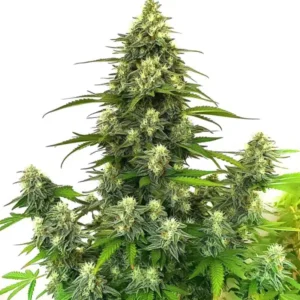
Auto Jack Herer, a popular strain from Growlantis, is known for its robust growth and high THC content. This strain benefits significantly from careful brix level management, as higher sugar content can enhance its renowned potency. Blue Dream, another notable strain, thrives under similar conditions, with growers often reporting elevated cannabinoid levels in plants with optimal brix readings. These examples illustrate the practical benefits of monitoring brix levels to maximize cannabinoid potency.
Recommended Strains
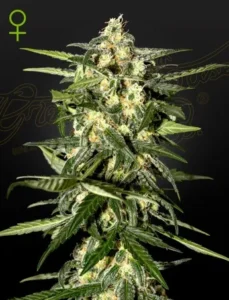
Auto Jack Herer

|
THC | 17% - 18% (Medium) |

|
Lineage | Jack Herer x Ruderalis |

|
Type | Autoflowering |

|
Height | 2.79 ft | 0.85 m |

|
Yield Outdoor | 7.05 oz/plant | 200 g/plant |

|
Life Cycle | 10 - 11 weeks |

|
Phenotype | 50% Indica / 50% Sativa |

|
Effects | Happy, Euphoric, Relaxed |

|
Flavors | Fruity, Skunk, Pine, Spicy |
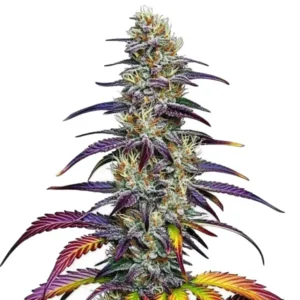
Blue Dream
|
|
THC | 17% - 24% (High) |
|
|
Lineage | Blueberry x Haze |
|
|
Type | Feminized |
|
|
Height | 6.56 ft | 2 m |

|
Yield | High |

|
Yield Indoor | 1.97 oz/ft² | 600 g/m² |
|
|
Yield Outdoor | 17.64 - 24.69 oz/plant | 500 - 700 g/plant |
|
|
Flowering Time | 8 - 10 weeks |
|
|
Phenotype | 50% Indica / 50% Sativa |

|
Medical | Fatigue, Muscle Spasms, Stress |
|
|
Effects | Happy, Relaxed, Talkative |
|
|
Flavors | Berry, Blueberry, Mango, Sweet |
For cultivators, recognizing the influence of brix levels on cannabinoid concentration is not just a theoretical exercise. It’s a practical strategy that can lead to more potent and desirable cannabis. By focusing on the brix measurement cannabis potency correlation, growers can improve their results, leading to higher quality and more potent harvests. Insight into how brix levels affect CBD potency is particularly valuable for strains like Runtz, which balances THC and CBD content for a well-rounded effect.
What are Brix Levels?
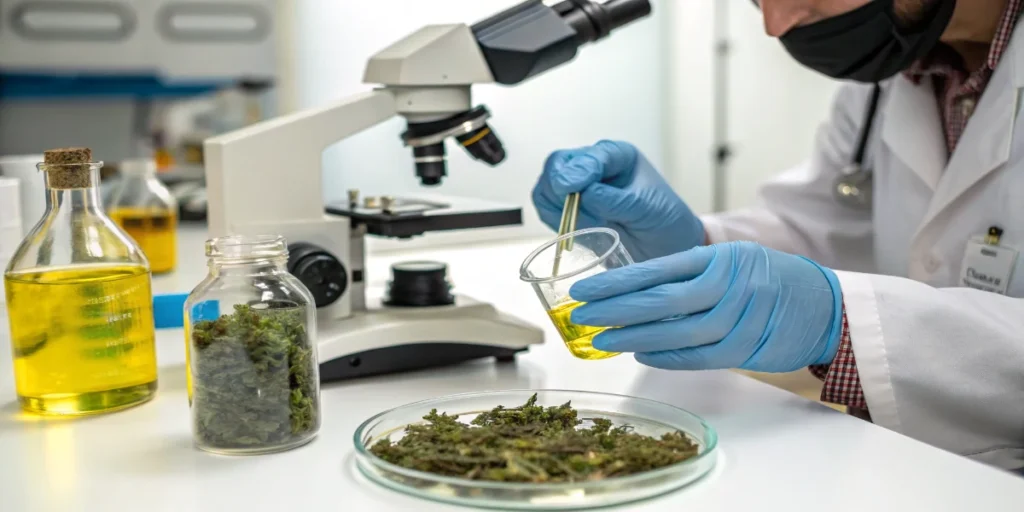
Brix levels are a critical measurement used to evaluate the sugar content in plant juices. In the context of cannabis, brix levels can provide insights into the plant’s overall health and potential potency. The measurement is typically conducted using a refractometer, which calculates the degree to which light bends when passing through plant sap. This bending indicates the concentration of dissolved sugars.
Higher brix levels are generally associated with healthier plants. This is because a high sugar content often signifies efficient photosynthesis and nutrient uptake. For cannabis growers, maintaining optimal brix levels can be a reliable way to enhance plant growth and potency. By monitoring these levels, cultivators can make informed decisions about watering, nutrient application, and pest management, thereby increasing the likelihood of achieving high cannabinoid concentrations.
As cultivators strive to achieve the best results, recognizing the relationship between brix levels and THC content becomes essential. By regularly measuring brix levels, growers can detect early signs of plant stress or health issues, allowing for timely interventions. This proactive approach can be particularly beneficial for strains such as Auto Jack Herer and Runtz, where maintaining peak plant health is crucial for maximizing their unique cannabinoid profiles. Through consistent monitoring and adjustments, the correlation between brix levels and cannabinoid potency can be leveraged to produce superior harvests.
How to Measure Brix Levels in Cannabis
Measuring brix levels in cannabis involves using a refractometer, a device that provides an easy and accurate way to assess sugar content. To begin, growers need to extract a small amount of sap from the plant’s stem or leaves. This sap is then placed on the refractometer’s glass plate. By looking through the device, one can read the brix level, which is displayed as a percentage.
Regularly checking brix levels allows growers to track changes in their plants over time. Adjusting cultivation practices based on these readings can lead to healthier growth and increased cannabinoid potency. For strains like Blue Dream, which is known for its high yield and THC levels, maintaining optimal brix levels can significantly impact the harvest quality and potency.
Tips for Increasing Brix Levels
To increase brix levels in cannabis plants, growers can focus on several key areas. Ensuring that plants receive adequate light is essential, as light drives photosynthesis, which increases sugar production. Nutrient management is another critical factor; providing balanced nutrients can support the plant’s metabolic processes, leading to higher brix levels.
Moreover, maintaining proper hydration is crucial. While overwatering can dilute sugar content, consistent and appropriate watering helps sustain optimal brix levels. By fine-tuning these aspects of cultivation, growers can enhance the natural correlation between brix levels and cannabinoid potency.
Relationship Between Brix Levels and THC Content
The relationship between brix levels and THC content is a subject of significant interest for cannabis growers. THC, or tetrahydrocannabinol, is the primary psychoactive compound in cannabis, and its potency is a key factor for many consumers. Higher brix levels often indicate a thriving plant that can produce more THC.
Healthy plants typically exhibit higher brix readings, suggesting that they are effectively photosynthesizing and absorbing nutrients. This enhanced physiological state supports the production of cannabinoids like THC. For growers of Runtz, a strain prized for its balanced THC and CBD levels, recognizing the correlation between brix levels and cannabinoid potency can lead to a more potent and desirable product.
By delving deeper into the brix level impact on cannabis potency, cultivators can fine-tune their growing techniques to boost THC levels effectively. This involves not only monitoring environmental conditions like light and temperature but also optimizing nutrient uptake and soil health. For instance, ensuring a rich microbial presence can enhance nutrient availability, further supporting the correlation between brix levels and THC content. Ultimately, this comprehensive approach allows growers to harness the full potential of their plants, resulting in more powerful and marketable cannabis products.
Impact of Environmental Factors on Brix Levels
Environmental factors play a significant role in determining brix levels and, by extension, cannabinoid potency. Light intensity, temperature, and humidity are crucial elements that can affect sugar production in plants. For instance, increased light exposure enhances photosynthesis, leading to higher brix levels.
Temperature also influences plant metabolism. Optimal temperatures promote efficient nutrient uptake and sugar transport, both of which contribute to higher brix readings. Humidity needs to be balanced; too much moisture can lead to fungal issues, while too little can cause plant stress. By carefully managing these environmental factors, growers can enhance the brix level impact on cannabis potency.
Nutrient Management for Optimal Brix Levels
Nutrient management is another vital component in achieving optimal brix levels. Cannabis plants require a balanced diet of macro and micronutrients to thrive. Key nutrients like nitrogen, phosphorus, and potassium should be provided in appropriate amounts to support healthy growth and sugar production.
Microbial life in the soil can also affect nutrient availability and, consequently, brix levels. Beneficial microbes help break down organic matter, releasing essential nutrients that the plant can absorb. For strains like Auto Jack Herer, maintaining a rich microbial environment can lead to robust growth and enhanced cannabinoid potency.

Influence of Brix on Cannabinoid Concentration
The influence of brix on cannabinoid concentration is a fascinating aspect of cannabis cultivation. Cannabinoids such as THC and CBD are influenced by the plant’s overall health, which is often reflected in its brix levels. A healthy plant with high sugar content is more likely to produce a greater concentration of cannabinoids.
For growers of Blue Dream, which is celebrated for its high THC content and relaxing effects, maintaining optimal brix levels can directly influence the strain’s potency. Higher brix readings are indicative of vigorous plant health, which translates to increased cannabinoid production.
Recognizing the brix measurement cannabis potency correlation is crucial for growers aiming to optimize their harvests. By focusing on the influence of brix on cannabinoid concentration, cultivators can enhance their plants’ overall health, leading to a more potent yield. This involves a holistic approach, addressing factors such as soil quality, nutrient balance, and environmental conditions. By doing so, growers can significantly impact the potency and marketability of strains like Runtz and Auto Jack Herer, ensuring a superior end product.
Using Brix Levels to Predict Harvest Quality
Using brix levels to predict harvest quality is a valuable strategy for cannabis growers. High brix readings are often a precursor to a successful harvest, indicating that the plants are healthy and capable of producing potent cannabinoids. This predictive capability allows growers to make informed decisions about harvest timing.
For strains like Runtz, which require precise conditions to balance THC and CBD levels, brix measurements can provide critical insights into the plant’s development. By aligning harvest times with peak brix levels, growers can maximize the strain’s unique cannabinoid profile.
Practical Steps to Enhance Brix Levels
Enhancing brix levels involves several practical steps that growers can take. First, ensuring consistent and adequate lighting is crucial. Light is the primary driver of photosynthesis, which directly affects sugar production. Adjusting light intensity and duration can lead to noticeable improvements in brix levels.
Second, soil health is paramount. Using organic amendments and maintaining a thriving microbial environment can enhance nutrient availability and uptake. This, in turn, supports increased sugar production and higher brix readings. By focusing on these areas, growers of strains like Auto Jack Herer can improve both the health and potency of their plants.
Monitoring Brix Levels for Enhanced CBD Potency
Monitoring brix levels for enhanced CBD potency is an effective strategy for growers aiming to produce high-quality cannabis with balanced cannabinoid profiles. CBD, or cannabidiol, is a non-psychoactive compound valued for its therapeutic properties. Maintaining optimal brix levels can support increased CBD production.
For cultivators of Blue Dream, which has a reputation for a balanced cannabinoid profile, keeping an eye on brix levels can be particularly beneficial. Healthy plants with high sugar content are more likely to produce a richer array of cannabinoids, including CBD.
By recognizing how brix levels affect CBD potency, growers can tailor their cultivation practices to maximize this non-psychoactive compound. This involves not only monitoring sugar content but also ensuring optimal environmental conditions and nutrient availability. For strains like Runtz, which require a delicate balance of THC and CBD, this approach can lead to a more effective and desirable product. Ultimately, the correlation between brix levels and cannabinoid potency offers a roadmap for enhancing both plant health and harvest quality.
Techniques for Improving CBD Potency
Improving CBD potency involves several techniques that growers can implement. One effective approach is to optimize nutrient management. Providing a balanced mix of macro and micronutrients supports overall plant health and sugar production, which in turn enhances CBD levels.
Another technique is to fine-tune environmental conditions. Ensuring that plants receive adequate light, appropriate temperatures, and balanced humidity levels can promote optimal growth and cannabinoid production. For Runtz growers, these techniques can help maintain the strain’s unique balance of THC and CBD.
Leveraging Brix Levels for Better Strain Development
Leveraging brix levels for better strain development is a strategic approach that can lead to more potent and desirable cannabis varieties. By recognizing the correlation between brix levels and cannabinoid potency, breeders can select parent plants with optimal sugar content for breeding purposes.
This focus on brix levels during strain development can result in new strains with enhanced cannabinoid profiles. For example, selecting high-brix Auto Jack Herer plants for breeding could lead to offspring with improved THC potency and overall plant vigor.
FAQ
What is the correlation between brix levels and cannabinoid potency?
The correlation between brix levels and cannabinoid potency refers to the relationship between the sugar content in cannabis plants and their ability to produce cannabinoids like THC and CBD. Higher brix levels often indicate healthier plants, which can lead to increased cannabinoid production. This relationship is valuable for growers aiming to optimize their harvests for potency and quality.
How do brix levels affect CBD potency?
Brix levels affect CBD potency by reflecting the overall health and vigor of the cannabis plant. Healthy plants with high sugar content are better able to produce a wide range of cannabinoids, including CBD. By maintaining optimal brix levels, growers can enhance the concentration of CBD in their harvests, leading to more effective and therapeutic cannabis products.
Can brix levels predict the quality of a cannabis harvest?
Yes, brix levels can be used to predict the quality of a cannabis harvest. High brix readings often indicate that plants are healthy and capable of producing potent cannabinoids. By monitoring brix levels, growers can make informed decisions about harvest timing, ensuring that plants are collected at their peak potency and quality.
Which strains from Growlantis benefit most from optimal brix levels?
Strains from Growlantis such as Auto Jack Herer, Blue Dream, and Runtz benefit significantly from optimal brix levels. Auto Jack Herer is known for its high THC content, which can be enhanced through careful brix management. Blue Dream thrives with elevated brix levels, leading to increased THC potency. Runtz, with its balanced THC and CBD profile, also benefits from optimal brix levels to maintain its unique effects.
What practical steps can be taken to increase brix levels in cannabis plants?
To increase brix levels in cannabis plants, growers can focus on several practical steps. Ensuring adequate lighting is essential, as light drives photosynthesis and sugar production. Nutrient management is also crucial, with a balanced supply of macro and micronutrients supporting plant health. Maintaining proper hydration, soil health, and a thriving microbial environment can further enhance brix levels, leading to more potent and healthy cannabis plants.