

When diving into the world of cannabis cultivation, recognizing the differences in brix levels between autoflower and photoperiod strains can significantly enhance your growing experience. Brix levels, which are a measure of the sugar content in plant sap, provide valuable insights into the health and quality of your plants. In this guide, we’ll examine how these levels differ between two main types of cannabis strains: autoflowering and photoperiod. Whether you’re a novice or a seasoned grower, recognizing these differences can help you make informed decisions about which strains to cultivate for your desired outcomes.
Autoflower strains such as Speedy Boom Auto, Apollo F1 Auto, and Cafe Racer Auto from Growlantis offer unique advantages in terms of growth cycles and harvest times. These strains are particularly appealing to growers looking for quick turnaround and ease of cultivation. Conversely, photoperiod strains require more attention to light cycles but can offer larger yields and potentially higher brix levels due to their longer growth periods. By examining the differences in brix levels between these two types of strains, you can optimize your cultivation strategy for better yields and quality.
Recommended Strains
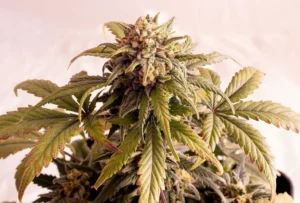
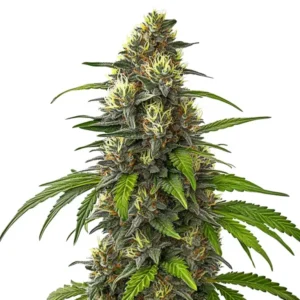
Speedy Boom Auto

|
THC | 13% - 14% (Low) |

|
Lineage | Ak47 x Ruderalis |

|
Type | Autoflowering |

|
Height | 3.94 ft | 1.2 m |

|
Yield | Medium |

|
Yield Indoor | 1.31 oz/ft² | 400 g/m² |

|
Yield Outdoor | 6.35 oz/plant | 180 g/plant |

|
Life Cycle | 9 - 10 weeks |

|
Phenotype | 30% Indica / 70% Sativa |

|
Effects | Energetic |

|
Flavors | Earthy |

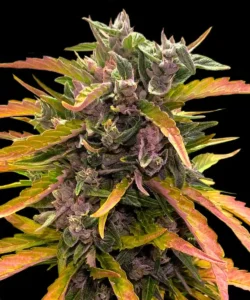
Apollo F1 Auto
|
|
THC | 23% - 24% (High) |
|
|
Lineage | Lemon x Black Domina x Sugar Magnolia |
|
|
Type | Autoflowering |
|
|
Height | 3.28 ft | 1 m |
|
|
Yield | Medium |
|
|
Yield Indoor | 1.15 - 1.31 oz/ft² | 350 - 400 g/m² |
|
|
Yield Outdoor | 5.29 - 7.05 oz/plant | 150 - 200 g/plant |
|
|
Life Cycle | 10 - 11 weeks |
|
|
Phenotype | 60% Indica / 10% Sativa / 30% Ruderalis |
|
|
Effects | Calming, Creative, Uplifted, Relaxed |
|
|
Flavors | Citrus, Herbal, Lavender, Pine, Vanilla |
Recognizing brix levels in cannabis is crucial not only for improving plant health but also for optimizing flavor and potency. Higher brix levels often indicate a more robust plant with better resistance to pests and diseases. In this context, we’ll delve into the factors influencing brix levels in both autoflower and photoperiod strains, and how you can use this information to enhance your growing practices. Let’s examine the intricate dynamics of brix levels in cannabis cultivation.
What Are Brix Levels?
Brix levels are a measure of the sugar content in a plant’s sap, crucial for assessing the health and quality of cannabis plants. This measurement is expressed as a percentage, indicating the grams of sugar per 100 grams of liquid. Higher brix levels are often associated with healthier plants that can produce better-tasting and more potent buds. In cannabis cultivation, monitoring brix levels helps growers understand how well their plants are converting nutrients into sugars through photosynthesis.
In the context of brix level comparison autoflower photoperiod, it’s important to note that while photoperiod strains may allow for longer photosynthetic activity due to their extended vegetative stages, autoflower strains like Speedy Boom Auto, when managed well, can also achieve impressive sugar content. By recognizing the intrinsic differences in brix levels between autoflower and photoperiod strains, growers can tailor their nutrient and light management strategies to maximize sugar accumulation in their chosen strain type, enhancing overall plant health and yield quality.
Autoflower Strains and Brix Levels
Autoflower strains, such as those offered by Growlantis, like Speedy Boom Auto and Cafe Racer Auto, are specially bred to flower based on age rather than light exposure. This characteristic makes them appealing to growers seeking fast harvests and simpler cultivation processes. However, these strains can exhibit different brix levels compared to photoperiod strains due to their unique growth patterns.
With the right environmental conditions and care, autoflower strains can achieve commendable brix levels that rival their photoperiod counterparts. For instance, Apollo F1 Auto’s resilience and balanced growth make it an excellent candidate for those seeking to optimize sugar content differences in autoflower photoperiod strains. By focusing on consistent nutrient supply and stable environmental conditions, growers can ensure that even with a shorter growth period, autoflower strains produce high-quality yields with satisfactory brix measurements. This showcases the potential for a successful brix measurement autoflower cannabis vs photoperiod approach.

Photoperiod Strains and Brix Levels
Photoperiod strains differ from autoflowers in that their flowering cycle is determined by the light cycle they receive. These strains generally require more time and attention but can offer potentially higher brix levels due to their extended growth periods. Understanding these dynamics can help growers choose the best strains for their cultivation goals.
The impact of light cycle on brix levels of cannabis is particularly evident in photoperiod strains, which thrive under carefully managed lighting schedules. By optimizing the duration and intensity of light exposure, growers can significantly enhance photosynthetic efficiency and sugar production. For example, by meticulously managing the light cycles of a photoperiod strain, one can achieve a more robust brix sugar analysis, leading to a richer and more potent harvest. This highlights the importance of precise light management in maximizing the potential brix levels in photoperiod strains compared to their autoflower counterparts.
Comparing Brix Levels: Autoflower vs Photoperiod
When comparing brix levels between autoflower and photoperiod strains, it’s important to consider the inherent differences in their growth cycles and environmental needs. Each type offers unique advantages and challenges, impacting their potential sugar content differently.
In the practical realm of cannabis cultivation, the autoflower vs photoperiod brix sugar analysis reveals that both strain types have distinct advantages. Autoflowers, like Cafe Racer Auto, can achieve respectable brix levels quickly, making them ideal for growers with limited time. In contrast, photoperiod strains allow for extended growth that can lead to higher sugar accumulation. Recognizing these differences in brix levels between autoflower and photoperiod strains enables growers to strategically select and manage their strains based on desired outcomes, whether that’s a faster harvest or a potentially higher sugar content.

FAQ
What are the main differences in brix levels between autoflower and photoperiod strains?
The main differences in brix levels between autoflower and photoperiod strains stem from their growth cycles. Autoflower strains, like Speedy Boom Auto, tend to have shorter vegetative periods, which can limit sugar accumulation and result in slightly lower brix levels compared to photoperiod strains. Photoperiod strains benefit from longer growth phases, allowing for more extensive photosynthesis and potentially higher brix levels.
While both types can produce high-quality yields, photoperiod strains typically offer greater potential for sugar content due to their extended development time. Autoflowers, however, provide the advantage of faster harvests and easier cultivation.
How can I measure brix levels in my cannabis plants?
To measure brix levels, you will need a refractometer, a tool that evaluates the sugar content in plant sap. Begin by collecting a small sample of sap from your plant’s leaves or stems. Place a drop of this sap on the refractometer’s glass surface, then look through the device to read the brix percentage.
This reading provides valuable information on your plant’s health and nutrient uptake. By regularly measuring brix levels, you can adjust your growing practices to optimize plant health and yield quality.
How do environmental conditions affect brix levels in cannabis?
Environmental conditions significantly influence brix levels in cannabis plants. Factors such as light exposure, temperature, humidity, and nutrient availability play crucial roles in sugar production. For instance, stable temperatures and sufficient light support photosynthesis, enhancing brix levels.
Autoflower strains like Apollo F1 Auto thrive in consistent environments, while photoperiod strains may benefit from more varied conditions that promote longer growth periods. By maintaining optimal growing conditions, you can maximize brix levels and improve plant quality.
Why are brix levels important for cannabis growers?
Brix levels are essential for cannabis growers because they provide insights into plant health and quality. High brix levels indicate efficient nutrient uptake and robust sugar production, leading to better-tasting, more potent cannabis. These levels also suggest stronger plant defenses against pests and diseases.
For growers, monitoring brix levels helps fine-tune cultivation practices to ensure plants reach their full potential. Whether you’re growing autoflower or photoperiod strains, optimizing brix levels can enhance both yield and quality.
What are some tips for increasing brix levels in autoflower strains?
To increase brix levels in autoflower strains like Cafe Racer Auto, focus on providing consistent care and optimal growing conditions. Ensure your plants receive adequate light and nutrients, as these are crucial for photosynthesis and sugar production. Regularly water your plants but avoid overwatering, as this can lead to nutrient imbalances.
Additionally, monitor your plants’ environment to maintain stable temperatures and humidity levels. Regular brix measurements can guide adjustments in care practices, ensuring your autoflower strains achieve healthy sugar content and robust growth.